Why Alcohol Induced Anxiety Worsens Your Mental Health Fast
I’ll be honest—there was a time when I didn’t realize just how much a few drinks on the weekend could throw off my entire week. Sure, hangovers were expected. But anxiety? That creeping, edgy, heart-thumping unease that clings for days? That wasn’t something anyone warned me about. And yet, here we are—”hangxiety” is no longer just a meme. It’s a very real, very frustrating cycle for many of us navigating the blurry line between casual drinking and emotional backlash.
What Is Alcohol-Induced Anxiety (and Why It’s So Common)?
So, let’s break it down in human terms. Alcohol-induced anxiety is the experience of heightened anxious feelings after drinking—especially the day after. And no, it’s not just in your head (even though it literally is). The body’s reaction to alcohol includes fluctuations in blood sugar, dehydration, disrupted sleep, and withdrawal from the temporary sedation alcohol gives you. Add in guilt, memory gaps, or social stress, and you’ve got a recipe for full-blown anxiety spirals.
In fact, alcohol messes with several neurotransmitters that are directly tied to mood regulation—GABA, glutamate, serotonin. While it may calm your nerves initially, the rebound effect is intense. The worse your hangover, the more amplified your anxiety can become. And if you already deal with an anxiety disorder, alcohol can turn minor symptoms into unmanageable ones.
My Experience With Hangxiety: It’s Not Just the Hangover

I used to think waking up after a night out and feeling on edge was just part of adulting. But I started noticing patterns. Even small amounts of alcohol would leave me questioning every conversation I had the night before, heart pounding, with this irrational dread hanging over me. Turns out, I wasn’t alone.
There’s an actual biological basis for that tight feeling in your chest the next morning. The nervous system has been whipped into a rollercoaster ride. When the sedative effect of alcohol wears off, your brain tries to compensate by ramping up activity—which can feel an awful lot like panic. For me, it got to the point where even moderate drinking wasn’t worth the 48-hour emotional fallout.
How Alcohol Triggers Anxiety in the Brain
Neurochemical Mayhem
Alcohol increases GABA, the neurotransmitter that slows things down and relaxes you. That’s why you feel mellow after a drink. But it also suppresses glutamate, which excites the brain. The problem? When the alcohol fades, your brain goes into overdrive trying to restore balance—leading to overstimulation, insomnia, restlessness, and yes, anxiety.
Disrupted Sleep = Amplified Anxiety
One of the sneakiest ways alcohol messes with your mental health is through poor sleep quality. While it may knock you out faster, it sabotages REM sleep—the stage your brain uses to emotionally reset. If you’ve ever woken up feeling mentally foggy, emotionally raw, and physically tense after a few drinks, now you know why.
Cortisol and the Stress Response
There’s also a spike in cortisol—your stress hormone—once alcohol leaves the system. That surge contributes to jitteriness and increased sensitivity to stress. For people already dealing with chronic anxiety or stress, it’s like pouring gasoline on a low-grade fire.
Common Symptoms of Alcohol-Induced Anxiety
Everyone’s experience is a little different, but these are some of the common signs I—and many others—have dealt with after a night of drinking:
- Heart palpitations or racing heart
- Restlessness or inability to sit still
- Chest tightness or discomfort
- Irrational worry or dread
- Difficulty concentrating or brain fog
- Ruminating on past conversations or actions
- Sleep disturbances or waking up too early
And if you’re wondering whether it’s “just anxiety” or something more serious, this quick tool might help: GAD-7 Questionnaire Explained.
Who’s More Likely to Experience This?
It’s not just heavy drinkers. Alcohol-induced anxiety can affect social drinkers too, especially those who:
- Already live with an underlying anxiety disorder
- Have a family history of anxiety or substance misuse
- Are sleep-deprived or under chronic stress
- Drink on an empty stomach or while dehydrated
There’s even evidence that your family history plays a significant role in how your brain responds to both alcohol and anxiety triggers. This makes awareness and prevention all the more important if you notice recurring patterns.
Why the Cycle Is So Hard to Break
Here’s the kicker—many people drink to manage anxiety, not realizing it can make things worse long-term. It’s easy to fall into a loop where you drink to relax, then feel anxious afterward, and then drink again to calm down. It’s not just psychological—it’s neurochemical conditioning.
Thankfully, real solutions exist. Approaches like CBT (Cognitive Behavioral Therapy) have been shown to help people break this cycle by reshaping the thoughts and triggers that lead to both drinking and anxiety.
Where You Can Go From Here
If this is hitting close to home, you’re not alone. The connection between drinking and anxiety is much deeper than most of us realize. And while it’s easy to dismiss the after-effects of alcohol as temporary discomfort, for many, it’s a recurring disruption that affects work, relationships, and even health.
Want to understand more about anxiety’s full impact on your daily routines? This pillar article on anxiety in daily life might give you a clearer picture. Also, if you’ve ever felt like anxiety has quietly taken over in ways you didn’t expect, this main guide covers exactly how that happens—and what to do about it.
How I Started Managing Alcohol-Induced Anxiety (Without Quitting My Social Life)

There’s this assumption that if alcohol gives you anxiety, the only way out is complete sobriety. While that might be the best path for some, I’ll be honest—I didn’t want to give up nights out with friends, celebrations, or the occasional toast. What worked for me was learning how to drink smarter and support my nervous system better.
I’m not talking about magic hacks. Just real, doable adjustments that made a huge difference. Things like:
- Drinking water between every alcoholic drink
- Never drinking on an empty stomach
- Setting a limit (and actually sticking to it)
- Avoiding sugary mixers that spike and crash blood sugar
- Planning low-stress mornings after drinking—no early meetings, no pressure
And most importantly, I stopped brushing off the anxiety like it was just part of the deal. Once I took it seriously, I started to take better care of myself after drinking—not just physically, but emotionally too.
What Actually Helps Soothe Alcohol-Induced Anxiety?
You’ve had a few drinks, the party’s over, and now you’re staring at the ceiling, nerves buzzing. So what helps? Everyone’s different, but here’s what’s made the biggest difference for me and many others I’ve talked to:
1. Breathing Techniques That Actually Work
Yes, you’ve probably heard it a hundred times—but deep breathing is underrated. I started doing these simple breathing exercises before bed and right when I woke up the next morning. Within a few minutes, my heart rate would slow, and that edge of panic would start to lift.
2. Magnesium-Rich Foods or Supplements
Alcohol depletes magnesium, which helps regulate the nervous system. When I started prioritizing foods like spinach, nuts, and even dark chocolate (yes, really), my recovery days got smoother. You can learn more in this guide on magnesium and anxiety.
3. Move Your Body Gently
I used to think I had to “sweat it out” with a brutal workout after drinking. Wrong move. What really helped? A walk. Some light stretching. Gentle yoga. It resets your nervous system without draining you more.
4. Herbal and Natural Remedies
Herbal teas like chamomile or lemon balm have been surprisingly helpful. And on days where my anxiety feels more stubborn, I turn to these herbal options that I now keep on hand—especially when I know I’ll be drinking socially.
When It’s Time to Rethink Your Relationship With Alcohol
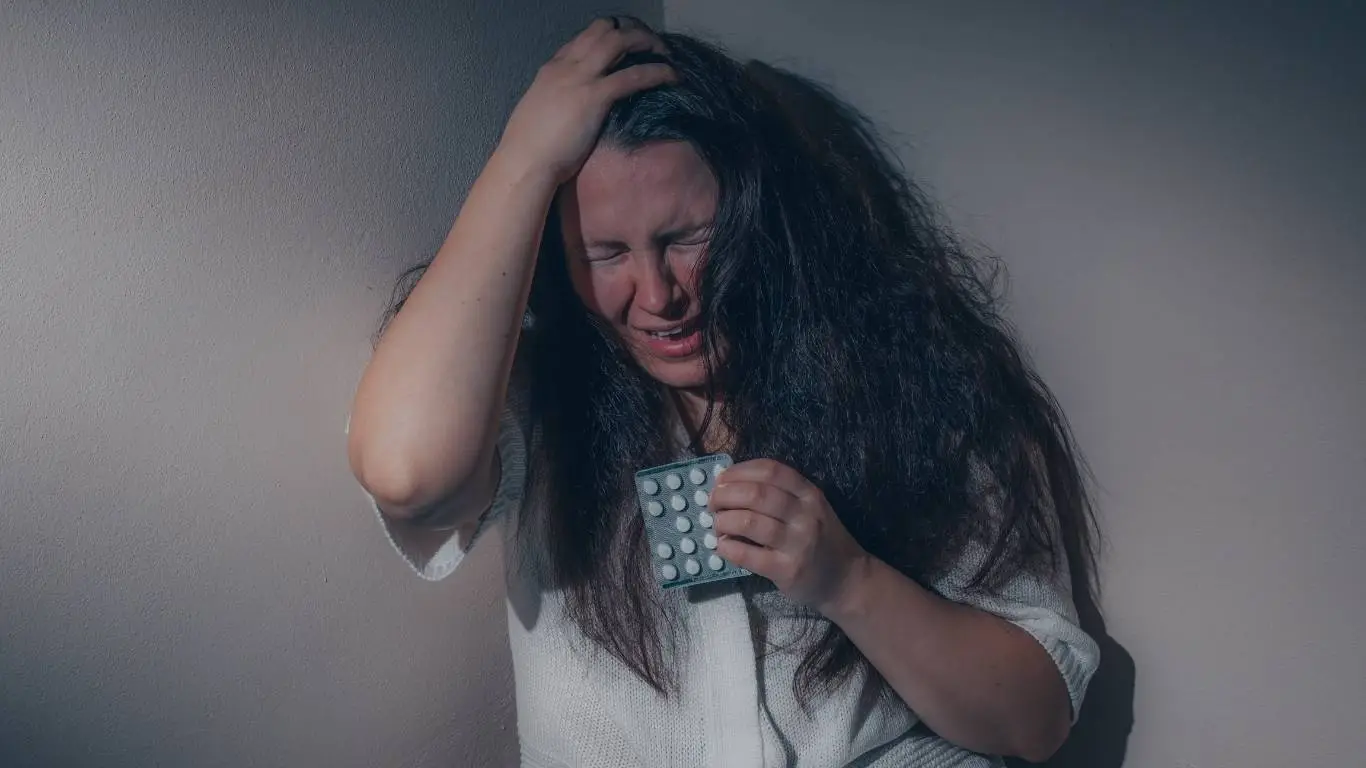
There’s a fine line between managing anxiety around alcohol and using alcohol to manage anxiety. That’s the danger zone. I had to get real with myself: was I drinking because I actually enjoyed the experience, or because I needed to numb out?
One of the most eye-opening things I read was this breakdown of how SSRIs compare to alcohol for anxiety. It put things in perspective—alcohol is a blunt tool that wears off fast, often leaving things worse. Meanwhile, real medical treatments have a much more targeted and lasting effect (without the hangover).
Helpful Long-Term Strategies for Recovery

If alcohol-induced anxiety is something you deal with often, building a support system and strategy can be a game-changer. Here’s what experts and therapists often recommend:
- Track patterns: Use a journal or app to note how you feel after drinking—mentally and physically. Look for trends.
- Seek support: Talking to a therapist—especially one who specializes in anxiety and addiction—can be transformative. Therapy isn’t just for crisis moments. It’s proactive mental health care.
- Try lifestyle shifts: Sleep, nutrition, hydration, and social boundaries all play massive roles. Small lifestyle tweaks often make the biggest difference.
- Use safe alternatives: Herbal mocktails, adaptogenic drinks, or sparkling water with citrus and sea salt helped me stay social without slipping into cycles.
Tools I Use to Stay Balanced
Over time, I built a toolbox I could turn to whether I’d had a drink or not. Some of my essentials now include:
- White noise and sound machines for better post-drinking sleep
- Lavender essential oil—sounds woo, works wonders
- CBD (from a vetted brand) on especially anxious mornings
- Chamomile and valerian root tea before bed
- Progressive muscle relaxation exercises, even while lying in bed
Breaking the Shame Loop
Here’s the thing that took me the longest to learn—you’re not weak or broken for having anxiety after drinking. So many of us have been there, silently battling through the discomfort because it feels like no one else is talking about it.
But the truth is, more people struggle with alcohol-induced anxiety than we think. It’s not about willpower or self-control. It’s about understanding your body and brain, and giving yourself better tools to handle it all.
If this is something you’ve been dealing with quietly, I highly recommend starting with the deeper causes of anxiety and learning how it may be rooted in more than just one behavior. And if you’ve ever wondered whether anxiety has crept into more of your life than you realized, this guide breaks it down clearly.

Camellia Wulansari is a dedicated Medical Assistant at a local clinic and a passionate health writer at Healthusias.com. With years of hands-on experience in patient care and a deep interest in preventive medicine, she bridges the gap between clinical knowledge and accessible health information. Camellia specializes in writing about digestive health, chronic conditions like GERD and hypertension, respiratory issues, and autoimmune diseases, aiming to empower readers with practical, easy-to-understand insights. When she’s not assisting patients or writing, you’ll find her enjoying quiet mornings with coffee and a medical journal in hand—or jamming to her favorite metal band, Lamb of God.