Why Anxiety Disorders Can Secretly Control Your Daily Life
It’s strange how anxiety can sneak up on you. I remember standing in line at a grocery store, heart racing, palms sweaty, convinced something awful was about to happen. Nothing did. But the feeling lingered. If you’ve ever felt overwhelmed for no clear reason, you’re not alone—and chances are, anxiety has touched your life too. Let’s talk about what that actually means, beyond just the buzzword people throw around when they’re stressed before a meeting.
What Is Anxiety Disorder, Really?
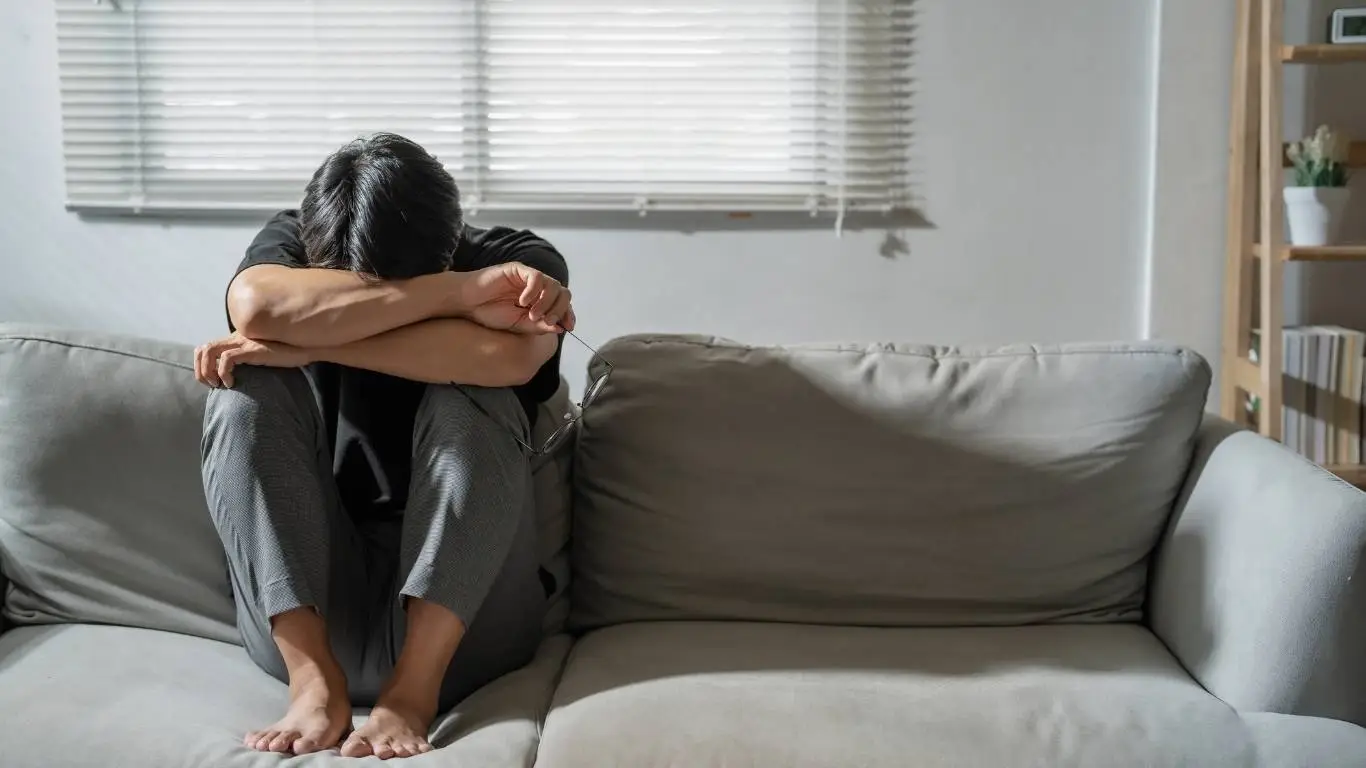
Anxiety disorder isn’t just “being nervous.” It’s a legit mental health condition that can take over your day-to-day life. Unlike regular stress, which pops up now and then (think job interviews or public speaking), anxiety disorders are chronic, persistent, and often show up uninvited. They can feel like your brain’s on a loop of worst-case scenarios, even when nothing’s actually wrong.
It’s a lot more common than most people realize. In fact, according to the National Institute of Mental Health, over 30% of adults in the U.S. will experience some form of anxiety disorder at some point in their lives. That’s not a niche issue. That’s millions of people quietly struggling behind the scenes.
The Different Flavors of Anxiety
Yep, anxiety isn’t one-size-fits-all. There are several types of anxiety disorders, and while they all revolve around fear or worry, the details vary. Here are a few of the most common:
- Generalized Anxiety Disorder (GAD): The chronic overthinker’s nemesis. You’re always worried, even when things are fine. It’s exhausting.
- Panic Disorder: Sudden, intense panic attacks that feel like heart attacks. Sweaty palms, racing heart, chest tightness—zero chill.
- Social Anxiety Disorder: Not just shyness. It’s fear of being judged, embarrassed, or humiliated in social settings—sometimes so bad it’s paralyzing.
- Specific Phobias: Irrational fears about things like heights, flying, or spiders. They might seem quirky until they take control of your life.
- Obsessive-Compulsive Disorder (OCD): Technically separate from anxiety, but often grouped in because of the fear-driven compulsions and obsessions.
- Post-Traumatic Stress Disorder (PTSD): Also related, especially when trauma-related anxiety refuses to let go even long after the event.
What Anxiety Actually Feels Like (It’s Not Just in Your Head)

This part hits home. Anxiety isn’t just emotional. It’s physical. For me, it started with tightness in my chest and a deep restlessness I couldn’t shake. Then came the racing heart, dizziness, that odd feeling like I was floating outside my body. I thought I was dying. Spoiler alert: I wasn’t.
Here’s what anxiety might feel like:
- Chest tightness or a racing heart, even when you’re just sitting on the couch.
- Restlessness—like you need to move, pace, fidget constantly.
- Insomnia, because your brain won’t shut up at night.
- Digestive issues: nausea, upset stomach, even IBS-like symptoms.
- Muscle tension, especially in your shoulders and neck.
- Overthinking everything, replaying conversations in your head for hours.
What’s wild is that anxiety can mimic other medical conditions. People end up in the ER thinking they’re having a heart attack, only to be told it’s a panic attack. That doesn’t make it any less real or terrifying.
Why Anxiety Happens (And It’s Not Because You’re Weak)

Let’s get one thing straight: anxiety isn’t a character flaw. You’re not “too sensitive” or “dramatic.” There are legit reasons your brain might be on high alert.
- Genetics: If your parents or siblings have anxiety, there’s a higher chance you might too.
- Brain chemistry: Neurotransmitters like serotonin and dopamine play a role in mood regulation, and imbalances can stir the anxiety pot.
- Life events: Trauma, abuse, bullying, breakups, or even major life changes can trigger long-term anxiety responses.
- Personality: People who are perfectionists or highly sensitive may be more prone to anxiety disorders.
- Medical conditions: Thyroid issues, heart problems, or chronic pain can sometimes fuel anxiety symptoms.
I used to beat myself up, thinking I just needed to “toughen up.” Turns out, anxiety has a way of hijacking your survival instincts. It’s like your brain’s smoke alarm is stuck in overdrive, screaming fire when there’s only burnt toast.
The Hidden Ways Anxiety Shows Up in Daily Life

Anxiety is sneaky. Sometimes, it’s not a panic attack or full-blown breakdown. Sometimes, it’s the little things. The way you cancel plans last minute. That pit in your stomach before opening an email. Avoiding phone calls. Always second-guessing yourself. Losing sleep over a harmless comment someone made two days ago.
These are subtle signs anxiety is running the show:
- Procrastinating because the task feels “too much.”
- Constantly checking your phone but feeling dread when it actually rings.
- Reading into every text message like it’s a secret code.
- Snapping at loved ones because you’re overstimulated and can’t explain why.
- Overplanning or making rigid schedules to feel in control.
It’s not about being lazy or antisocial. It’s your nervous system trying to protect you—but in the wrong contexts. And when that becomes your default state, it can be incredibly isolating.
When Anxiety Becomes a Problem
There’s a point where anxiety stops being “normal stress” and turns into something more serious. The line gets crossed when:
- It lasts for months, not just days or weeks.
- It interferes with work, relationships, or daily functioning.
- You avoid things that used to bring you joy.
- Your body constantly feels tense, tired, or wired.
- You start self-medicating with food, alcohol, or other substances.
For me, it was waking up every day with a sense of dread. I thought it was just a “phase.” It wasn’t. And once I started understanding what was happening, everything changed. Not overnight, but little by little.
I used to think anxiety was just a mental thing. Like, it was all “in your head.” But that belief seriously held me back from getting real help. The truth? Anxiety isn’t just about thoughts—it’s a full-body experience, and if you’re not treating the whole system, you’re likely spinning in circles. The good news is, you’re not stuck. There are legit, science-backed ways to manage anxiety—and no, it doesn’t have to mean jumping straight into medication (unless that’s what’s right for you).
How Anxiety Impacts the Body

One of the things people don’t talk about enough is how anxiety shows up physically. It’s not just a racing mind—it’s a racing heart, sweaty palms, shaky hands, and an upset stomach. Sometimes, I’d feel a tightness in my throat like I couldn’t get a deep breath. Other times, it was more subtle—a constant sense of unease in my chest or a lingering headache that wouldn’t quit.
When your body is stuck in fight-or-flight mode, it thinks you’re in danger—even when you’re just sitting at your desk answering emails. That chronic stress floods your system with cortisol and adrenaline, which can lead to:
- Sleep problems: Trouble falling asleep, waking up at 3 a.m. with your mind racing.
- Appetite changes: Either binge-eating or forgetting to eat altogether.
- Weakened immune system: Getting sick more often or taking longer to bounce back.
- Muscle pain: Constant tension in your neck, shoulders, or jaw.
- Chronic fatigue: Feeling drained all the time, even when you’re not “doing” much.
I can’t tell you how many times I thought I had a physical illness, only to realize anxiety was the actual culprit. That’s how powerful it is—it can completely hijack your body.
Managing Anxiety Without Going Straight to Medication

Now, medication can be life-changing for some. Let’s not shame it. But for others (like me, at first), that route felt too intimidating. So I started with small changes. Honestly, the biggest thing that helped was realizing I had to treat anxiety like a health condition, not a bad mood I could snap out of.
Simple Things That Actually Help
- Breathing Exercises: It sounds cliché, but deep breathing helps calm the nervous system fast. Try box breathing: inhale for 4, hold for 4, exhale for 4, hold for 4. Repeat. Works wonders when you’re spiraling.
- Daily Movement: I don’t mean hardcore workouts (unless you love them). Just walking outside, stretching, dancing in the kitchen—movement helps burn off adrenaline and clears your head.
- Limit Caffeine: This one was hard. I love coffee. But it made my anxiety way worse. Cutting back helped me feel more stable and less jittery.
- Eat Balanced Meals: Skipping meals or loading up on sugar only made my symptoms worse. I started eating more protein, healthy fats, and real foods. My brain thanked me.
- Cut Doomscrolling: Endless social media and bad news was like gasoline on the anxiety fire. I set boundaries and even deleted a few apps. Total game-changer.
None of these are overnight fixes. But stacked together, they built a stronger baseline so I wasn’t constantly in panic mode.
Therapy: Not Just for “Broken” People

I used to think therapy was a last resort. Like, you only went if you were falling apart. But talking to someone who *gets it*—someone who doesn’t just say “calm down”—was a total relief.
Cognitive Behavioral Therapy (CBT) is especially effective for anxiety. It helps you notice the thoughts that trigger your anxious feelings and reframe them. For example:
- “What if I mess up this presentation?” becomes “I’ve prepared. I’ve done this before. It doesn’t have to be perfect.”
- “Everyone is judging me” turns into “Most people are focused on themselves, not analyzing my every move.”
It sounds simple, but these tiny shifts add up. CBT gave me tools I still use every single day. And no, you don’t have to lie on a couch and spill your childhood secrets unless you want to.
Other Therapies That Can Help
- Exposure Therapy: Helpful for phobias and social anxiety. You gradually face what scares you in a safe, supported way.
- Acceptance and Commitment Therapy (ACT): Focuses on accepting anxious thoughts without letting them control you.
- Mindfulness-Based Therapy: Combines meditation with talk therapy to help you stay present and break the anxiety loop.
If traditional therapy isn’t accessible, even talking to a friend who listens without judgment can be healing. Don’t underestimate the power of feeling heard.
Building an Anxiety Toolkit That Actually Works

Everyone’s anxiety is different. What works for me might not work for you. The key is experimenting and finding what helps you feel grounded. Over time, I created what I call my “anxiety toolkit”—a mix of habits, rituals, and resources I can pull from when things get rough.
Things I Keep In My Toolkit:
- A playlist of calming songs (lo-fi beats are my go-to)
- Essential oils (lavender and peppermint help me chill out)
- A grounding script I wrote for myself (“You are safe. This feeling will pass.”)
- Journaling to dump my thoughts instead of letting them spiral
- Saved voice notes from friends reminding me I’m not alone
Your toolkit might look different. That’s the beauty of it—it’s personal. Some people use art, others garden, some turn to prayer or spirituality. Whatever helps bring you back to center, hold onto it like gold.
When It’s Time to Consider Medication

Let’s be real: sometimes lifestyle changes and therapy aren’t enough. And that’s okay. Medication can offer relief when anxiety is too overwhelming to manage on your own. For me, it was about function—getting to a point where I could actually use the tools I’d learned. SSRIs (selective serotonin reuptake inhibitors) are commonly prescribed and have helped millions find balance.
Medication isn’t giving up—it’s choosing to get help. If you’re curious, talk to a doctor or psychiatrist who specializes in mental health. And don’t be afraid to advocate for yourself. You deserve care that fits your needs, not someone else’s expectations.
I wish someone had told me sooner that managing anxiety isn’t about “curing” it. It’s about learning how to live with it in a way that doesn’t take over your life. There’s no one-size-fits-all solution—but there *is* a way forward. I’ve learned that anxiety may never disappear completely, but it doesn’t have to be in control. Not every day is easy, but it’s a whole lot better than it used to be. Let’s get into the long-term game plan for keeping anxiety in check without letting it define you.
Creating an Anxiety-Resilient Lifestyle
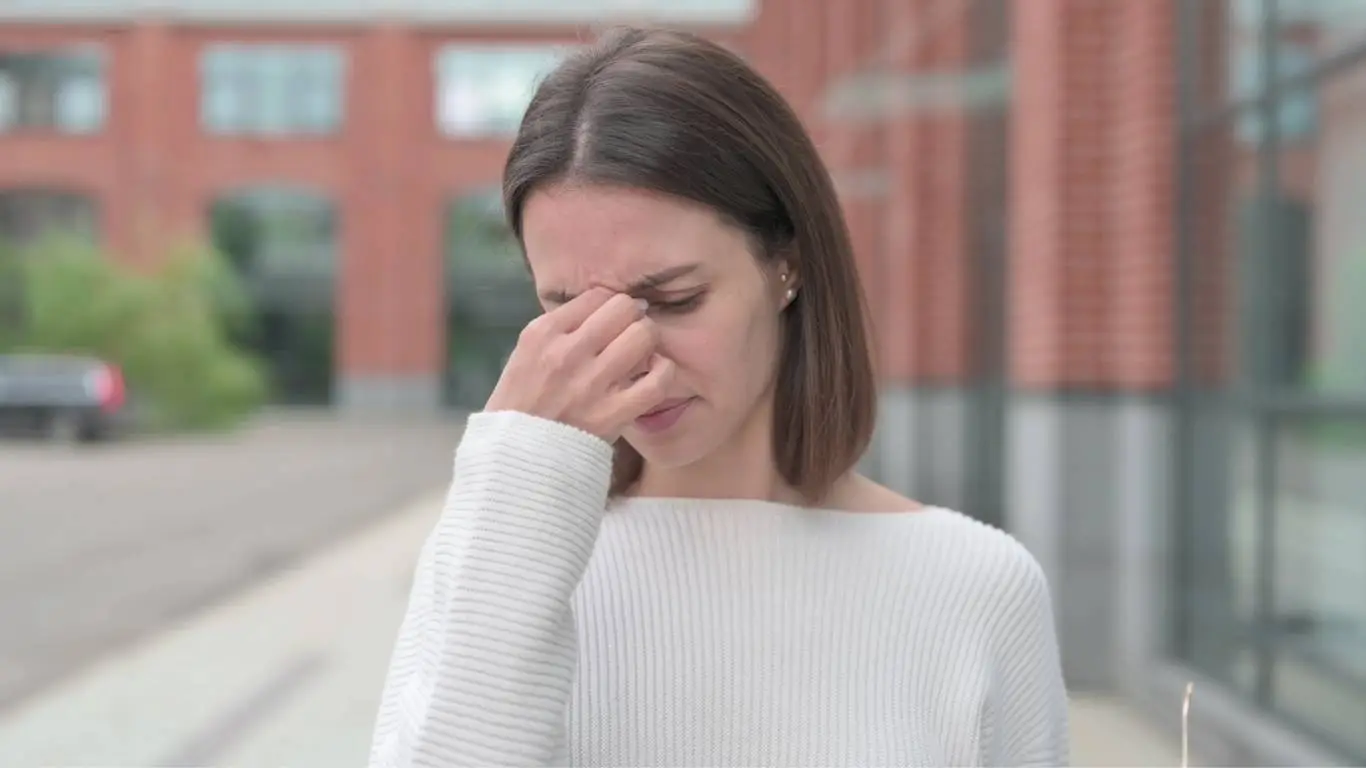
This isn’t about rigid routines or 5 a.m. wakeups. It’s about building a life that supports your nervous system instead of constantly triggering it. That means making choices that prioritize stability, calm, and clarity—even when life gets chaotic.
1. Protecting Your Energy
This one changed the game for me. Not everything or everyone deserves access to your mental space. If something drains you—social media, toxic people, overcommitting—it’s okay to say no. Actually, it’s necessary.
- Set boundaries. You’re allowed to protect your peace.
- Don’t feel bad for canceling plans if your mental health needs rest.
- Recognize who energizes you and who depletes you—and act accordingly.
It’s not selfish. It’s self-preservation. I used to say yes to everything out of guilt or fear of disappointing people. Now, I check in with myself first. That little pause? It’s powerful.
2. Cultivating Safety & Routine
Consistency helps calm the nervous system. When your brain knows what to expect, it doesn’t have to be on high alert 24/7. I’m not talking rigid schedules, just simple routines that give your day structure and predictability.
- Start and end your day the same way—journal, stretch, or sip tea quietly.
- Plan meals ahead so food doesn’t become a stressor.
- Keep a familiar playlist for anxious moments—it creates a sense of safety.
These little anchors remind your body and brain that you’re okay. Over time, they create a foundation where healing can actually happen.
3. Sleep, the Underrated Superpower

I underestimated how much poor sleep was messing with me. I thought staying up late and scrolling endlessly was “me time,” but it was secretly fueling my anxiety. Now I guard my sleep like it’s sacred—and it’s made a huge difference.
- Wind down at least 30 minutes before bed (no screens, no stress).
- Use a weighted blanket or white noise if it helps you feel grounded.
- Go to bed and wake up at the same time, even on weekends. (Yeah, I know.)
I won’t lie—it took effort to break my late-night habits. But once I did, my mornings stopped feeling like survival mode. I actually wake up with mental space instead of dread.
Mindset Shifts That Help You Stay in Control
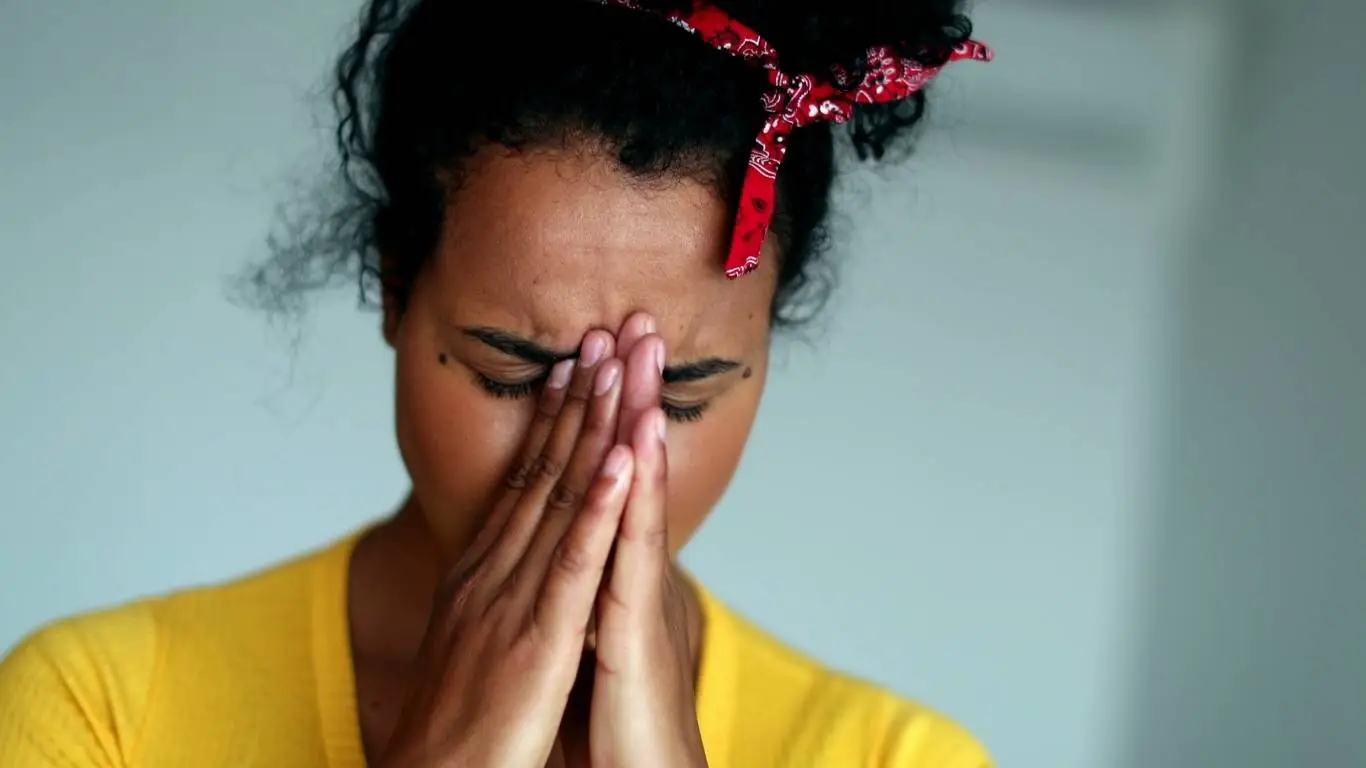
When I started doing the work, I realized something wild: I wasn’t broken. My brain was just trying to keep me safe—in a very overprotective, annoying way. That insight alone helped soften how I responded to anxious moments.
1. Stop Trying to Eliminate Anxiety Completely
Fighting anxiety like it’s the enemy only gives it more power. Instead, I’ve learned to sit with it. Acknowledge it. Talk to it even. Sounds weird, but it works.
Now when I feel anxiety creeping in, I say things like:
- “Hey, I see you. I know you’re trying to protect me.”
- “You’re allowed to be here, but you don’t get to drive today.”
- “This feeling will pass. It always does.”
Once you stop resisting it so hard, the fear around anxiety fades. It becomes background noise instead of a screaming alarm.
2. Redefine What “Progress” Looks Like
This one’s huge. Healing isn’t linear. Some days you’ll feel strong and calm. Other days, anxiety will hit you out of nowhere. That doesn’t mean you’re failing. It means you’re human.
Progress might look like:
- Leaving the house even though your heart’s racing
- Feeling anxious and still showing up to work
- Having a bad day and not spiraling into self-blame
Celebrate those wins. They matter more than perfection ever will.
3. Choose Self-Compassion Over Self-Criticism
This is the one I still work on daily. For years, I treated myself like a project that needed fixing. I was constantly analyzing what was “wrong” with me. Eventually, I realized: you can’t hate yourself into healing.
Now, I try to talk to myself the way I’d talk to a friend:
- “You’re doing the best you can with what you have.”
- “This is hard, and you’re still here.”
- “You’re allowed to rest. You don’t have to earn it.”
It sounds soft, but it builds resilience like nothing else. Compassion is what helps you get back up when anxiety knocks you down.
Finding Support (You Don’t Have to Do This Alone)

One of the hardest things about anxiety is how isolating it can feel. You think you’re the only one losing sleep over things that seem “small” to others. But the truth is—so many people are going through it too. They just don’t talk about it.
Where to Look for Support:
- Therapists: Trained professionals who can walk with you through the hardest stuff without judgment.
- Support Groups: Online or in-person groups where people share their experiences, tools, and encouragement.
- Friends & Family: Open up to someone you trust. You might be surprised by how many people understand.
- Online communities: Just be mindful of where you spend your energy. Go for helpful, not triggering.
You’re not weak for needing support. You’re brave for reaching out. The most healing moments I’ve had came from simply hearing someone else say, “Me too.”
Your Life Isn’t Defined by Anxiety

You’re allowed to live a full, messy, joyful, imperfect life—even if anxiety comes along for the ride. You’re allowed to laugh, dream, connect, rest, explore, and thrive. Anxiety doesn’t have to be the loudest voice in your head forever. It’s part of your story—but it’s not the whole thing.
Wherever you are on your journey, keep going. Keep showing up. You’re already doing more than you know. And no matter what anxiety tells you—you’ve got this.

Camellia Wulansari is a dedicated Medical Assistant at a local clinic and a passionate health writer at Healthusias.com. With years of hands-on experience in patient care and a deep interest in preventive medicine, she bridges the gap between clinical knowledge and accessible health information. Camellia specializes in writing about digestive health, chronic conditions like GERD and hypertension, respiratory issues, and autoimmune diseases, aiming to empower readers with practical, easy-to-understand insights. When she’s not assisting patients or writing, you’ll find her enjoying quiet mornings with coffee and a medical journal in hand—or jamming to her favorite metal band, Lamb of God.