Why Atypical Antipsychotics Help When Anxiety Won’t Budge
It took me longer than I care to admit to realize that what I was feeling wasn’t just stress. It wasn’t the normal butterflies or the temporary panic before a deadline. This was different. It showed up during my morning coffee, at the grocery store, and even in the quiet moments before bed. That’s when I started to really dive into treatment options beyond the typical. And one term kept popping up that I hadn’t looked into deeply before: atypical antipsychotics for anxiety. Let me walk you through what I’ve learned—and what might surprise you too.
What Are Atypical Antipsychotics, Really?

Atypical antipsychotics, also called second-generation antipsychotics, were originally designed to treat schizophrenia and bipolar disorder. But over time, doctors noticed something unexpected—they also helped with severe anxiety symptoms, particularly in people who hadn’t responded well to traditional treatments like SSRIs or CBT.
The term “atypical” doesn’t mean experimental or unsafe. It just means these medications work differently from older, “typical” antipsychotics. They tend to target both dopamine and serotonin receptors, giving them a broader range of impact on mood and emotional regulation.
Common Atypical Antipsychotics Prescribed for Anxiety
- Quetiapine (Seroquel)
- Risperidone (Risperdal)
- Olanzapine (Zyprexa)
- Aripiprazole (Abilify)
They’re sometimes used “off-label,” meaning they’re prescribed for conditions other than those officially approved by regulatory agencies. But make no mistake—this is a common, medically-supported practice when used judiciously. The key is working closely with a psychiatrist who gets it.
When Traditional Treatments Fall Short

I had already tried everything—therapy, meditation, diet changes, exercise, you name it. And while CBT helped a ton, there were still these lingering waves of anxiety that wouldn’t budge. That’s when my psychiatrist brought up quetiapine as a potential “bridge” medication. I wasn’t keen at first. Antipsychotics? That word hits hard. But when you’re dealing with stubborn, treatment-resistant anxiety, you start reconsidering what “typical” really means.
Many people with generalized anxiety disorder (GAD) or panic disorder hit a similar wall. It’s not that the first-line treatments fail everyone—it’s that anxiety is a spectrum, and sometimes, the tools need to be sharper.
How Do Atypical Antipsychotics Help With Anxiety?

They don’t work by numbing you out (that was one of my initial fears). Instead, they seem to “dial down” the hyperactivity in parts of the brain responsible for fear and overreaction—especially the amygdala. Some of them also have a mild sedative effect, which can ease symptoms like restlessness and racing thoughts, particularly at night.
Mechanisms Behind the Calm
- Serotonin Modulation: They boost serotonin activity, which is crucial for mood regulation.
- Dopamine Balance: They stabilize dopamine, which can be out of whack in certain anxiety profiles.
- Indirect GABA Support: While not direct GABA agonists, they sometimes support the calming effects of GABA.
Still, these aren’t magic pills. The goal isn’t to stay on them forever (for most people). They can be a temporary support system while you build long-term coping strategies—especially helpful during major life transitions or when anxiety peaks out of nowhere.
What No One Tells You About Side Effects

Let’s be honest here: atypical antipsychotics come with baggage. We’re talking potential weight gain, drowsiness, increased appetite, even blood sugar changes in some cases. But not everyone experiences these, and for some, the relief outweighs the side effects.
For instance, with quetiapine, I gained a few pounds in the first month—but I also started sleeping again, which hadn’t happened in weeks. Some side effects ease over time, especially when doses are kept low. And your doctor will usually start at the lowest effective dose possible.
It’s important to understand medication risks across the board. That’s part of advocating for your own care. Don’t be afraid to ask your provider why they’re recommending something like an antipsychotic, especially if you haven’t been diagnosed with a psychotic disorder.
Who Might Actually Benefit From These Meds?

So who are atypical antipsychotics really for? Not everyone. But if you’ve been stuck in what feels like an endless loop of anxiety that resists typical treatment—or you’re dealing with a combo of anxiety and mood swings—they might be worth considering.
Examples of Common Scenarios
- Someone with GAD who can’t tolerate SSRIs due to side effects
- People with panic attacks that strike unpredictably and don’t respond to benzos
- Those with crippling workplace anxiety despite therapy and mindfulness routines
The evidence is building. In fact, this peer-reviewed study showed quetiapine’s efficacy in GAD compared to placebo. And other research is emerging on aripiprazole’s potential benefits without heavy sedation.
But medications are tools—not solutions. And they work best when paired with a broader approach to healing.
To understand the wider landscape of medical treatment options for anxiety, it’s essential to know where atypical antipsychotics fit in the big picture. They’re not a first stop. But they are a valid and often under-discussed option for those who feel like they’ve tried it all.
For more insight into how anxiety disorders can shape daily routines in subtle, disruptive ways, check out this main anxiety pillar article for a deeper look.
Let’s Talk About Long-Term Use — And Realistic Expectations

One thing my psychiatrist told me upfront—and I really appreciated this honesty—is that atypical antipsychotics aren’t meant to be a lifelong crutch for most people dealing with anxiety. That doesn’t mean they can’t be. But the long-term plan usually involves reassessing regularly, tapering down if symptoms improve, and building a robust support structure through therapy, nutrition, and lifestyle.
That said, some folks do stay on low doses for years if it’s what keeps them grounded and functional. It’s not about shame or “shoulds.” It’s about what works without compromising your health. I found that knowing I wasn’t locked in made me more open to trying it in the first place.
Monitoring and Adjusting Along the Way
- Regular check-ins every 3–6 months
- Routine bloodwork (especially for meds like olanzapine)
- Sleep and appetite tracking
- Being honest with yourself when symptoms shift
Some people have amazing luck with short-term use during intense periods—think a loss, a breakup, a job transition. Others need ongoing support and find that low-dose atypical antipsychotics act almost like a calming buffer that keeps things from spiraling. Both are valid approaches, and there’s no one-size-fits-all answer.
Important Conversations You Need to Have First

Before you even consider starting one of these meds, please—please—have a full, informed talk with your psychiatrist. Ask the hard questions. Get specific about what you’re experiencing, how long it’s been going on, and what you’ve tried before.
I brought a notebook into my first consult and literally wrote down: “Why an antipsychotic instead of an SSRI?” and “What’s the exit strategy if it doesn’t work?” That conversation shaped everything for me. Your provider should walk you through diagnostic clarity and explain their reasoning in plain language—not med-school jargon.
What to Bring Up in Your Appointment
- Your full treatment history—including therapy and lifestyle changes
- Any previous reactions to meds (even mild ones)
- Current stressors or triggers making things worse
- What you hope to get out of treatment—more sleep? Less irritability? Fewer panic attacks?
Also, don’t hesitate to loop in your therapist, if you have one. Meds and therapy aren’t opposing forces—they work best together. If your therapist is trained in evidence-based anxiety therapy, they can help track patterns and progress as you adjust to the meds.
When It’s Just Not the Right Fit

I won’t sugarcoat it—sometimes, atypical antipsychotics just don’t click. Maybe the drowsiness is too much, or the mood blunting makes you feel… not like yourself. That doesn’t mean you’ve failed. It just means this isn’t your tool—and there are others.
If you stop, do it slowly and under medical supervision. Quitting abruptly can throw your brain for a loop. And in that gap, explore complementary tools that offer calmer grounding without the long-term pharmacological footprint. Techniques like progressive muscle relaxation or nutritional tweaks for anxiety can help you recalibrate naturally.
Blending It All Together: Medication, Mindset, and Lifestyle
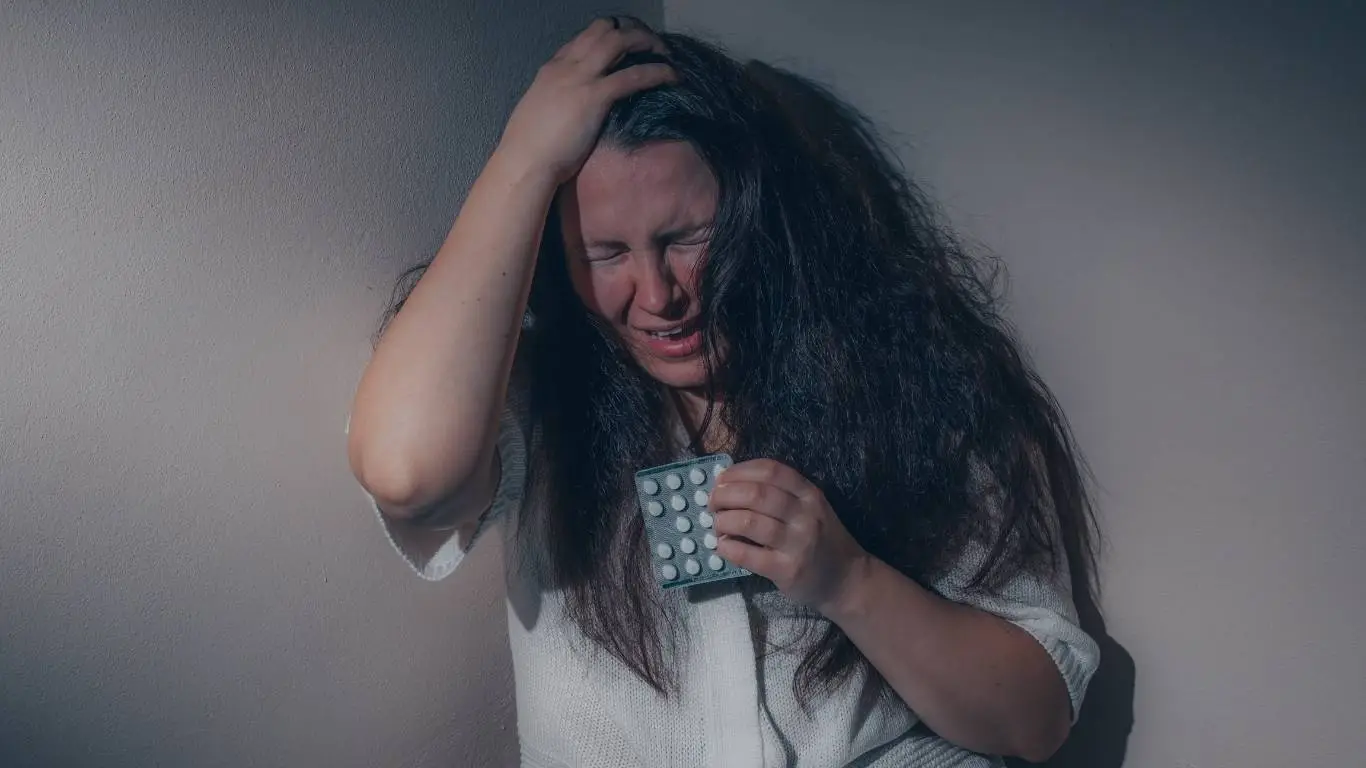
What helped me the most wasn’t just the pill—it was the plan. The daily practices layered around it. A better bedtime routine, less caffeine (ugh, but necessary), deep breathing exercises that I actually remembered to use. I also started journaling again—nothing fancy, just real talk with myself on paper.
These things don’t “cure” anxiety. But they make your nervous system feel safer, more supported. And over time, that adds up. Atypical antipsychotics might be part of that toolkit, but the long game is always about integration, not isolation.
Every Brain is Different
No two anxiety experiences are the same. Some people thrive with just therapy. Others need a cocktail of strategies. That’s why understanding the full spectrum of treatment—from lifestyle to pharmaceutical—is so important. You deserve more than just “get over it” advice or one-size-fits-all solutions.
And if you’re curious how anxiety plays out in ways you don’t even notice, this eye-opening piece on anxiety’s hidden influence on daily life offers perspective that still sticks with me.
Closing It Out: Real Support, Not Just Survival

If you’ve been quietly carrying high-functioning anxiety or feel like you’re barely holding it together behind the scenes, I see you. Exploring medications like atypical antipsychotics isn’t weakness—it’s courage. It’s saying, “This matters enough to try something new.”
And you don’t have to navigate it alone. Whether it’s your doctor, your therapist, or a trusted friend—talk it through. Ask questions. Advocate for your own care. You deserve tools that actually work—not just for getting by, but for actually feeling good in your own skin again.
For a full understanding of lifestyle self-help approaches for anxiety that complement medication use and build resilience long-term, I highly recommend this overview.

Camellia Wulansari is a dedicated Medical Assistant at a local clinic and a passionate health writer at Healthusias.com. With years of hands-on experience in patient care and a deep interest in preventive medicine, she bridges the gap between clinical knowledge and accessible health information. Camellia specializes in writing about digestive health, chronic conditions like GERD and hypertension, respiratory issues, and autoimmune diseases, aiming to empower readers with practical, easy-to-understand insights. When she’s not assisting patients or writing, you’ll find her enjoying quiet mornings with coffee and a medical journal in hand—or jamming to her favorite metal band, Lamb of God.