Why Back Pain in Elderly Adults Can Be More Than Just Aging
Back pain in elderly adults isn’t just an inconvenience—it’s often a daily reality. I’ve seen it firsthand with my own grandfather, who used to be a hiker in his younger years but now hesitates to even stand for long. It’s frustrating, limiting, and honestly, emotionally taxing. And what makes it even trickier? Aging bones, reduced muscle mass, and years of wear and tear. The truth is, when back pain hits later in life, it’s rarely due to one single reason. It’s usually a combination of physical, emotional, and lifestyle-related changes. If you’re here to understand it better or to help someone close to you, you’re in the right place.
Understanding the Unique Back Pain Challenges in Elderly Adults

Why Age Makes a Difference
It’s not just about getting older—aging actually changes your spine structurally. Intervertebral discs dry out and shrink, spinal joints wear down, and the natural curve of the back starts to shift. What used to be a minor strain in your 30s becomes a lingering issue in your 70s.
Common Age-Related Back Conditions
- Osteoarthritis – The cartilage cushioning the joints wears out, especially in the lower spine.
- Spinal stenosis – The spinal canal narrows, putting pressure on nerves.
- Degenerative disc disease – Discs lose elasticity and shock-absorbing ability.
- Compression fractures – Often due to osteoporosis, tiny fractures can cause chronic pain.
These aren’t just medical terms—they’re real issues that affect posture, movement, and even sleep. If you or a loved one are dealing with any of these, know that it’s incredibly common and professionals are addressing them every day.
The Role of Lifestyle and Daily Habits
Sedentary Living Adds Fuel to the Fire
My grandfather thought rest would fix his back. But over time, inactivity just made his muscles stiffer and weaker. Movement, in the right dose, is medicine. Light walking, gentle stretching, and even seated yoga can do wonders for spine mobility in elderly adults.
Posture and Ergonomics Matter More Than Ever
Something as simple as the wrong chair or poor pillow support can send pain signals shooting down the spine. Older adults often spend more time sitting, making back-friendly furniture and supportive mattresses more important than ever.
Nutrition and Bone Health
Calcium and vitamin D aren’t just buzzwords. They’re essential. Seniors often don’t get enough through diet alone. Healthy bones and muscles support spinal alignment, and what you eat matters more than most realize. You can learn more about nutrition and natural remedies at our lifestyle and diet section.
Psychological and Emotional Impact of Chronic Back Pain

It’s Not “All in Their Head”—But It Gets There
Chronic back pain doesn’t just weigh down the body; it weighs heavily on the mind. Feelings of frustration, helplessness, and even depression aren’t rare. Many elderly adults avoid social events, skip appointments, or lose interest in hobbies just because their back hurts. It creates a cycle of inactivity, isolation, and worsening symptoms.
Building a Support System
One of the best ways to help an elderly loved one with back pain is to listen—really listen. Encourage movement, accompany them to the doctor, and be patient. Emotional support goes a long way in chronic pain management. Mental wellness plays a direct role in physical recovery, which is why we’ve covered this in detail on our mental and emotional aspects of back pain page.
Safe, Effective Pain Management for Seniors

Gentle First, Then Gradual Progress
Prescription meds aren’t the only answer—and often, they’re not the first one either. Conservative treatments like physical therapy, gentle massage, and guided exercise are safer and often more effective for elderly patients. The key is to keep things personalized and realistic.
When Surgery Becomes Necessary
While invasive procedures are typically avoided in older adults, sometimes minimally invasive options become necessary. If pain is severe and quality of life is at stake, consulting a spine specialist is the best step forward. Learn what’s involved in minimally invasive surgical treatments.
Complementary Therapies that Help
- Acupuncture – Widely used for nerve-related back pain.
- Chiropractic care – Effective in specific, mild cases.
- Heat/cold therapy – Still one of the easiest, home-based ways to reduce inflammation.
When combined with medical guidance, these alternatives can create a well-rounded, sustainable back care plan for older adults.
If you’re exploring a deeper understanding of this condition across all age groups, you’ll find comprehensive insight in our main back pain guide.
Rehabilitation and Recovery: Moving Toward Relief

Why Tailored Rehabilitation is a Game-Changer
Rehabilitation isn’t just for athletes or surgery recovery—it’s an essential part of long-term back pain management in seniors. My uncle, in his late 70s, swore by a customized physical therapy plan. Over time, not only did his mobility improve, but his confidence did too. A structured rehab plan strengthens the core, improves posture, and restores balance.
What to Expect from a Good Rehab Program
- Assessment-based planning to ensure the spine isn’t pushed too hard.
- Low-impact strengthening exercises like resistance bands or aquatic therapy.
- Education on posture, movement, and home modifications.
Rehab doesn’t need to be intimidating or painful—it’s about slow, steady progress. Our detailed breakdown of exercise, rehabilitation, and ergonomics covers everything you need to get started safely.
Making the Home Spine-Friendly

Simple Adjustments That Make a Big Difference
Most elderly folks spend a lot of time at home. That’s why small changes in the living space can significantly reduce pain and strain. I helped modify my mom’s favorite chair by adding a lumbar support cushion and lifting it slightly—it instantly improved how long she could sit comfortably.
Back-Friendly Home Tips
- Use supportive, upright chairs instead of soft couches.
- Place non-slip mats in areas where sudden bending is common (like the kitchen).
- Install grab bars in bathrooms to support posture and reduce falls.
- Keep items at waist level to minimize bending or overstretching.
These tweaks may sound simple, but they are life-enhancing when it comes to daily comfort and back health for elderly adults.
Preventing Back Pain Before It Starts (Or Worsens)
It’s Easier to Stay Well Than Recover Later
If you’re lucky enough to be pain-free now, or just starting to notice some stiffness, prevention is your best investment. The earlier you build habits around spine support, the less likely you’ll need intensive care later on. That applies to everyone—but especially to seniors, whose bodies need a little extra TLC.
Prevention Essentials
- Stay active daily—even short walks help circulation and alignment.
- Strengthen your core—a stable trunk means less pressure on your spine.
- Stretch regularly—target hamstrings, hips, and lower back.
- Get quality sleep—invest in a supportive mattress and gentle pillow.
Don’t overlook your back until it demands your attention. Preventive care is the quiet hero of healthy aging. For in-depth guidance, the root causes of back pain are worth understanding early on.
Traveling and Working with Back Pain After 60
You Don’t Have to Stop Living
Back pain doesn’t mean you have to avoid long flights, skip family reunions, or give up part-time jobs. With a bit of planning, travel and work can still be enjoyable and manageable. My aunt keeps a small lumbar pillow in her carry-on and requests aisle seats for stretching—small habit, big impact.
Travel Tips for Back Comfort
- Choose seats with lumbar support (or bring your own).
- Set reminders to stand and stretch every 30–60 minutes.
- Pack light—use luggage with wheels and avoid uneven lifting.
In the workplace, ergonomic workstations and occasional breaks can go a long way. If you’re still working or volunteering, here’s how to stay productive without hurting your back.
The Holistic Side of Healing

Don’t Underestimate the Mind-Body Connection
Chronic back pain in older adults often comes with a dose of anxiety, disrupted sleep, and even mild depression. Holistic approaches like meditation, gentle tai chi, or listening to calming music before bed can lower pain perception. These techniques work by calming the nervous system and reducing muscle tension.
Useful External Resources
- Mayo Clinic offers excellent guidance on mind-body therapy effectiveness.
- NIH shares useful data-backed resources on chronic pain research in seniors.
- Cleveland Clinic offers meditation and stress reduction guides for older adults.
What to Do If Nothing Seems to Work
Knowing When to Seek Help
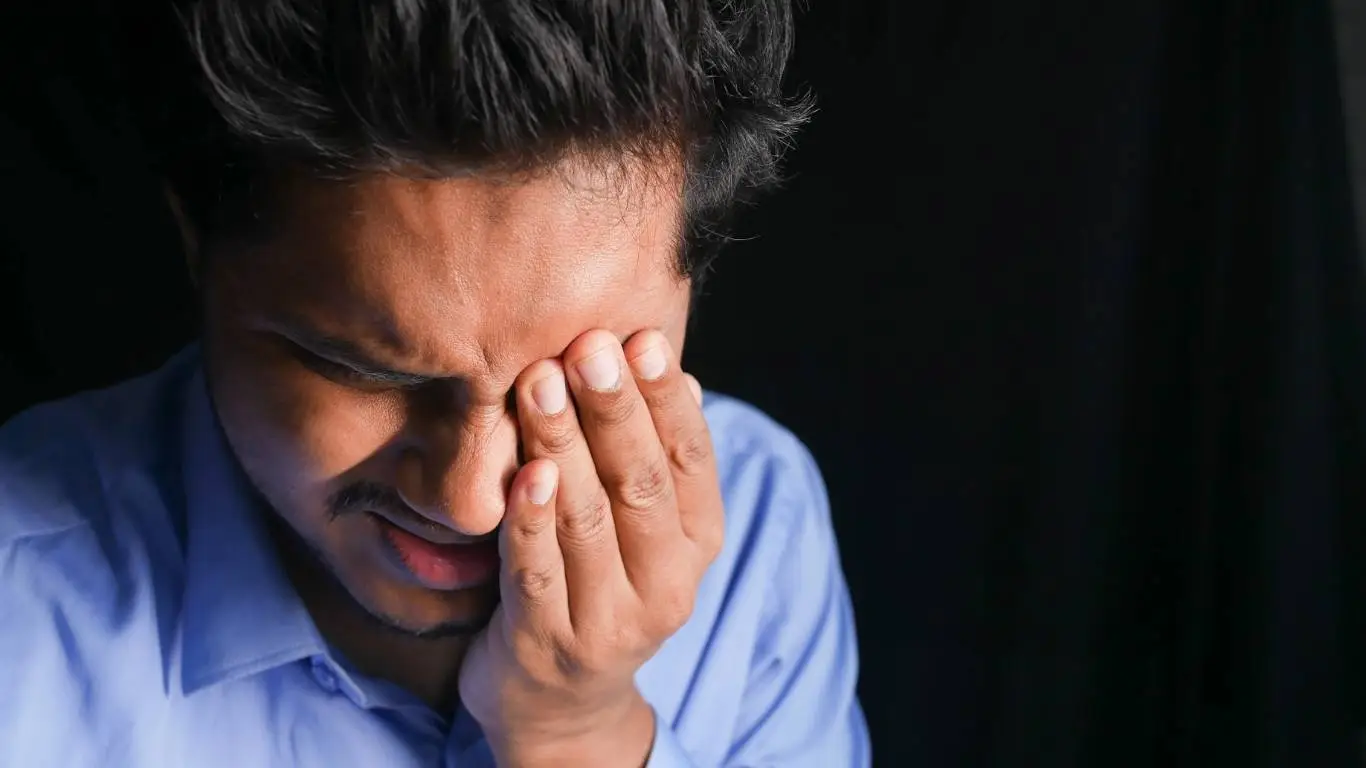
If pain lasts longer than six weeks, affects sleep, causes numbness, or spreads to legs or arms, it’s time to talk to a spine specialist. A good doctor won’t just look at an MRI—they’ll listen, ask questions, and work with you to find a realistic solution. For some elderly adults, specialized care is the turning point after months (or years) of struggle.
Finding the Right Specialist
Geriatric spine care isn’t just about age—it’s about expertise. Ask your primary doctor for referrals, check patient reviews, and make sure the specialist has experience with non-invasive and age-specific techniques. You don’t need to live in pain, and you definitely don’t need to navigate it alone.
To explore how back pain affects people at all stages of life, visit our main resource hub on back pain.

Camellia Wulansari is a dedicated Medical Assistant at a local clinic and a passionate health writer at Healthusias.com. With years of hands-on experience in patient care and a deep interest in preventive medicine, she bridges the gap between clinical knowledge and accessible health information. Camellia specializes in writing about digestive health, chronic conditions like GERD and hypertension, respiratory issues, and autoimmune diseases, aiming to empower readers with practical, easy-to-understand insights. When she’s not assisting patients or writing, you’ll find her enjoying quiet mornings with coffee and a medical journal in hand—or jamming to her favorite metal band, Lamb of God.