Why Congenital Cataract Floaters May Disrupt Your Vision Early
When I was in my early twenties, I started noticing these faint, thread-like wisps floating in my vision, especially when looking at a bright sky or a white screen. Back then, I chalked it up to fatigue or too much screen time. Years later, I learned they weren’t just any floaters—they were linked to a condition I never expected to have: congenital cataract floaters. If you or someone close to you has congenital cataracts and keeps seeing weird drifting specks, there’s more going on beneath the surface than you might think.
What Exactly Are Congenital Cataract Floaters?
Floaters in general are those small shadowy shapes that drift across your vision. But when you have congenital cataracts—meaning the cloudiness in your eye lens was present at birth—these floaters can take on a different form, pattern, and cause.
Unlike typical floaters caused by aging or vitreous degeneration, floaters in people with congenital cataracts often result from early structural changes or debris that has remained in the vitreous since development in the womb. In my case, my eye specialist explained that remnants from fetal development never dissolved properly. And no, it’s not just “dust in your eye” like some folks tried to convince me.
How Are They Different From Regular Floaters?
Here’s where it gets fascinating. While most floaters are due to age-related vitreous shrinkage, congenital cataract floaters can be more persistent and appear earlier in life. They’re sometimes denser and more noticeable in various lighting conditions.
- They may appear earlier, even in childhood or teenage years
- They often accompany blurry vision due to the cataract itself
- They don’t always “settle down” or fade like typical floaters
Causes of Floaters in Congenital Cataract Cases
Floaters in congenital cataract patients can be caused by several things—some more worrisome than others. Below are some of the key causes that ophthalmologists (and my own doctor) often discuss:
- Developmental Debris: During eye development, proteins and cells that don’t get absorbed properly can linger in the vitreous.
- Surgical Remnants: If you’ve had cataract surgery early in life, microscopic fibers from the lens or instruments may have remained inside the eye.
- Vitreous Syneresis: Even younger eyes can experience early changes in vitreous consistency due to congenital structural issues.
There’s even evidence that certain medications and eye drops can make these floaters more pronounced. For example, steroid eye drops—often prescribed post-surgery—can potentially trigger or intensify floater visibility.
Should You Be Concerned About These Floaters?
Let’s be real—floaters are annoying. But not all floaters are cause for panic. However, if you’re dealing with congenital cataracts, the stakes are slightly different. I personally experienced a sudden cluster of floaters after a mild bump to the head, which turned out to be a signal of a vitreous detachment. Luckily, no retina damage. But it made me realize how important it is to watch for these warning signs:
- Sudden increase in floaters
- Flashes of light in your peripheral vision
- Loss of side vision or a dark curtain effect
These symptoms might indicate something more serious like a retinal tear or detachment. So don’t hesitate—get your eyes checked if anything changes fast.
How Common Are Floaters in Kids with Congenital Cataracts?
You might be surprised to learn how often children with congenital cataracts report seeing floaters. In fact, according to NIH studies, children with this condition are more likely to experience floaters much earlier than their peers. However, many pediatricians and general eye doctors don’t always take early floater complaints seriously—assuming it’s “normal visual development.”
This can lead to delayed diagnoses or missed signs of progressive vitreous abnormalities. Parents should trust their child’s feedback—kids often explain floaters as “bugs in the air” or “ghosty dots.”
In some cases, these floaters can be linked to underlying inflammatory responses or post-surgical effects. If you’re a parent dealing with this, articles like eye floater risks after eye trauma can be insightful, especially after activities like sports.
Can Congenital Cataract Floaters Get Worse Over Time?
Short answer: yes. Especially if there’s no regular follow-up after early cataract treatment. Over the years, I noticed mine worsened around times of hormonal changes and sleep deprivation. A few contributing factors can include:
- Poor hydration and nutritional deficiencies – see how diet impacts floater development
- Chronic inflammation or autoimmune triggers
- Natural vitreous changes with age, even in those who started life with abnormal eye anatomy
One under-discussed angle is the risk of worsening after laser treatments or secondary surgeries. According to this guide on post-laser floater expectations, people with congenital anomalies may react differently than the general population.
If you want a comprehensive look at the distinctions and warning signs, I recommend diving into this comparison article from Healthusias.
For the big picture on eye floaters—what they are, what causes them, and how they’re treated—this detailed main eye floaters guide covers the fundamentals and is a great resource alongside the root causes article tailored for deeper insights.
Diagnosing Congenital Cataract-Related Floaters
Getting an accurate diagnosis can be frustrating, especially when floaters are brushed off as harmless. Trust me—I’ve been told “it’s nothing” more times than I can count. But if you have congenital cataracts, insist on thorough testing. A standard eye exam might not be enough.
Most eye specialists use dilated fundus exams and optical coherence tomography (OCT) to rule out deeper issues. For congenital cases, B-scan ultrasounds can reveal hidden debris or abnormalities behind the cloudy lens or post-surgical areas.
Some people—myself included—also benefit from a posterior vitreous detachment evaluation, since congenital structures can sometimes detach earlier than expected.
Red Flags That Shouldn’t Be Ignored
- Floaters accompanied by flashes of light
- Dark floaters shaped like cobwebs or veils
- Blurred peripheral vision
- Floaters that worsen rapidly in days or weeks
These symptoms may signal something more serious—especially in a structurally compromised eye from birth. For those with a history of trauma or inflammation, this article on autoimmune triggers for floaters could be particularly relevant.
Treatment Options: What Actually Works?
There’s no one-size-fits-all fix, and that’s the truth. In my case, the floaters never fully went away, but they did become manageable. Depending on severity and underlying causes, treatments might include:
- Monitoring Only: For mild cases, regular checkups to track changes may be sufficient.
- Vitrectomy: A surgery that removes the vitreous gel entirely. It’s effective but invasive, and not recommended unless floaters are severely impacting vision.
- Laser Vitreolysis: A newer, non-invasive option that uses laser energy to break up floaters. Not always suitable for congenital anomalies though.
Make sure to discuss risk factors with your doctor. In congenital cases, laser procedures must be handled cautiously. If you’re considering these options, this resource on treatment types and risks breaks it down simply and clearly.
Natural Management Tips I Actually Use
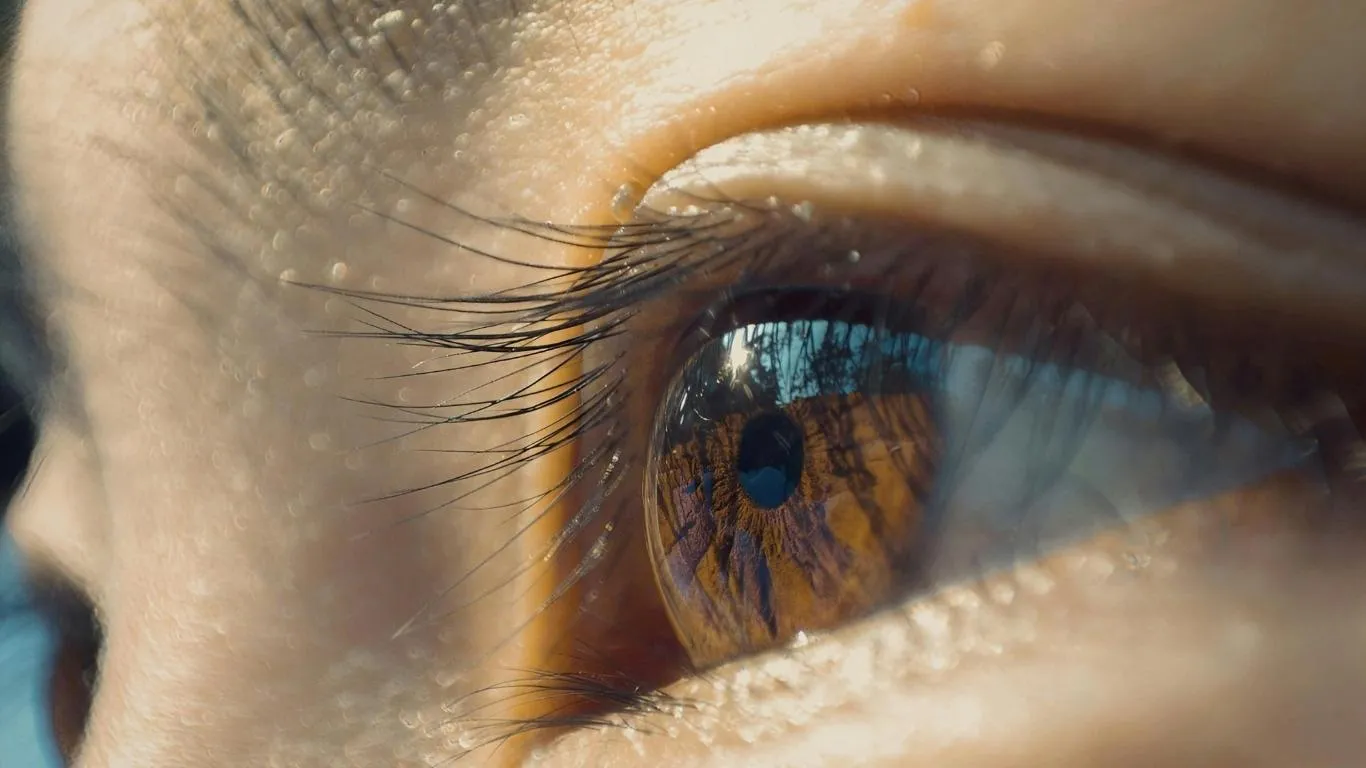
I’m not a fan of miracle cures (spoiler: most don’t work), but there are natural strategies that helped reduce the intensity of my floaters over time. Here are a few habits that worked for me:
- Hydration: Seriously, drink more water. Dehydration tends to make my floaters much more noticeable.
- Omega-3 Fatty Acids: Found in flaxseeds and fish, they seem to help with overall eye comfort and inflammation.
- Blue Light Filters: Less screen glare = less floater distraction. I use blue-light-filtering glasses every day.
- Anti-inflammatory diet: Leafy greens, turmeric, and berries help reduce floaters caused by internal inflammation. I learned more about this in this floater nutrition guide.
I also tried some eye exercises (though I’m skeptical they help much), and they did at least reduce the anxiety I had when floaters were super active.
Psychological Impact of Living with Floaters
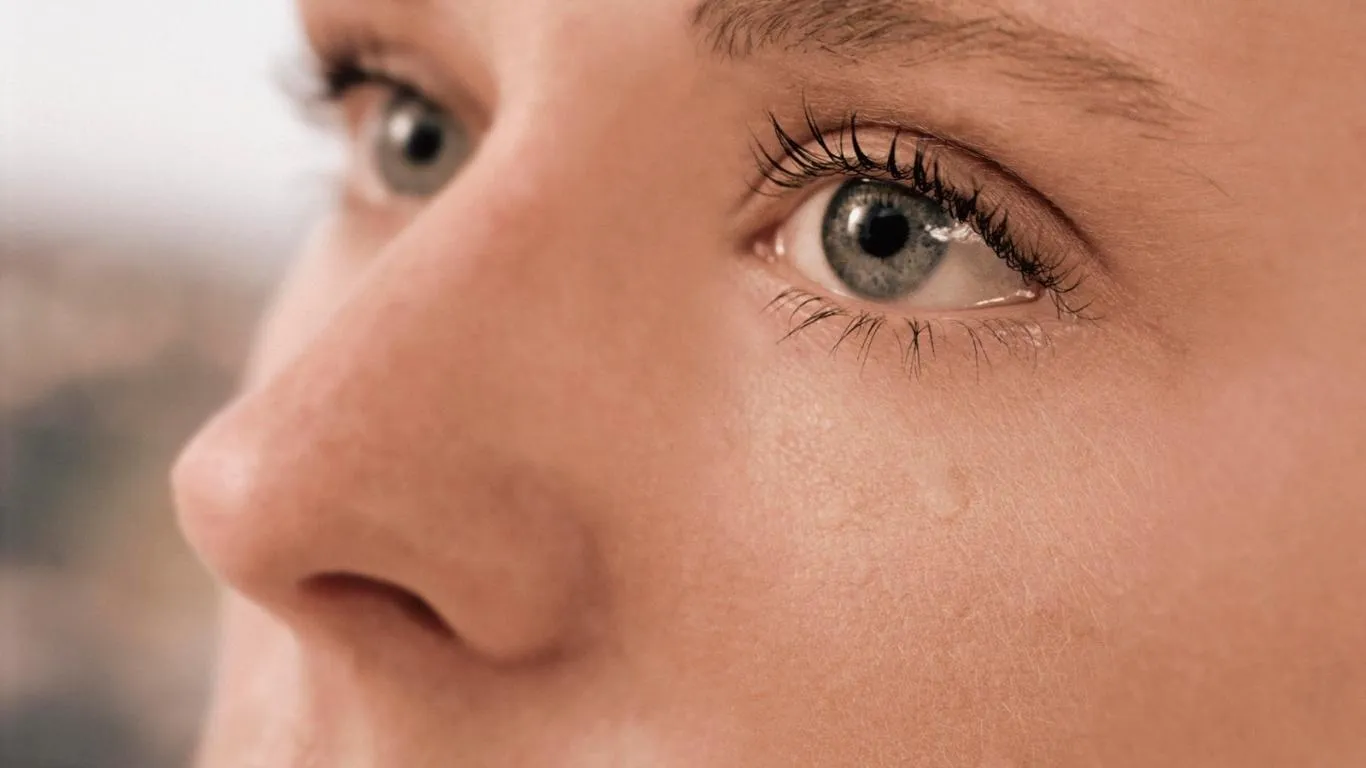
Let’s talk about the mental side. No one prepares you for how stressful constant visual interference can be. It’s draining. I used to dread stepping outside on a sunny day because that’s when the floaters were most visible. It made reading, driving, and even socializing tough at times.
Support groups and online communities can be a huge help. Just knowing you’re not the only one dealing with this can be relieving. I also found journaling my symptoms helped my doctor understand how floaters impacted my life. It led to better treatment discussions.
If you suspect your floaters are linked to inflammation or systemic illness, this guide on uveitis is a must-read—especially since inflammation can worsen floater severity in congenital eyes.
What to Expect Long-Term with Congenital Cataract Floaters

Managing expectations is key. Floaters may never fully disappear, but for most of us with congenital cataracts, they become just another part of life—annoying, but manageable. I still see mine, especially during screen-heavy workdays, but I’ve found ways to minimize their disruption.
That said, if you ever notice new floaters, flashes, or sudden changes, don’t ignore them. Changes in the vitreous or retina can be more likely in structurally abnormal eyes. Here’s a reliable breakdown of warning signs you should act on.
And for the most balanced breakdown of symptoms and red flags, check out the detailed symptom recognition guide that every floater patient should know by heart.
If you’re just diving into this topic, the core knowledge hub on eye floater causes and symptoms from Healthusias is the best starting point—and it ties everything together with reliable, medically reviewed content.

Camellia Wulansari is a dedicated Medical Assistant at a local clinic and a passionate health writer at Healthusias.com. With years of hands-on experience in patient care and a deep interest in preventive medicine, she bridges the gap between clinical knowledge and accessible health information. Camellia specializes in writing about digestive health, chronic conditions like GERD and hypertension, respiratory issues, and autoimmune diseases, aiming to empower readers with practical, easy-to-understand insights. When she’s not assisting patients or writing, you’ll find her enjoying quiet mornings with coffee and a medical journal in hand—or jamming to her favorite metal band, Lamb of God.