Why Contact Lenses Might Make Eye Floaters Feel Worse
Let’s be honest—eye floaters are one of those weird little annoyances you never really notice until you *do*. I still remember the first time I saw a translucent squiggle drifting across my field of vision while working on my laptop. I blinked, looked away, and there it was again, hovering like a tiny ghost. But here’s the kicker—around that same time, I had just switched to contact lenses. Naturally, my brain went straight to: Wait, can contact lenses actually affect floaters? That question led me down a rabbit hole of research, eye appointments, and surprising discoveries worth sharing.
Can Contact Lenses Really Affect Floaters?
Let’s clear something up first. Contact lenses sit on the cornea—the very front part of the eye—while floaters exist way deeper in, inside the vitreous gel that fills your eyeball. So, on a mechanical level, contact lenses don’t directly cause floaters. But if you’re like me, you might’ve noticed floaters right after starting to wear contacts. Coincidence? Not entirely.
Contact Lenses May Increase Your Awareness of Floaters
Here’s the interesting part. Contacts can actually make existing floaters more noticeable. Why? Because contact lenses often sharpen your vision. With clearer focus, those floaters—especially if they’re mild—become much easier to detect against brighter backgrounds like computer screens or sunny skies.
I had worn glasses for years and rarely saw floaters. But after switching to high-definition contacts, I could suddenly spot them floating across the white walls of my office. I wasn’t imagining things. Turns out, the increased clarity just brought them into sharper relief.
Dry Eyes from Contact Lenses Might Make It Worse
This is something my optometrist casually dropped in conversation, but it hit hard. Extended contact lens wear can dry out your eyes—and dry eyes may intensify how distracting floaters feel. Even though floaters aren’t caused by dryness, the discomfort makes you hyperaware of everything happening in your visual field.
And while it hasn’t been studied extensively, there’s anecdotal evidence suggesting eye strain and dryness can amplify the visual discomfort of floaters. If your eyes feel gritty, tired, or overworked after hours in lenses, it’s not just in your head.
Could Improper Lens Use Aggravate Symptoms?
This is where personal responsibility comes in. Wearing contacts too long or failing to keep them clean won’t cause floaters—but it can contribute to eye infections, which *might*. Some infections can lead to inflammation in the vitreous (the gel where floaters live), so technically, improper lens hygiene might indirectly put you at higher risk.
One of the scarier possibilities is something called bacterial endophthalmitis—a rare but serious infection that can introduce floaters and vision loss if left untreated. That’s a long shot, but worth keeping on your radar if you experience sudden, dark floaters or flashes of light.
Visual Changes After Contact Lens Use: What’s Normal?
Noticing floaters after switching to contacts might simply be a case of enhanced awareness. But if you’re also seeing flashes, shadows, or a curtain over your vision, that’s not something to brush off. These can be signs of a retinal tear or detachment—both of which require immediate care.
Even for healthy eyes, the adjustment to contact lenses can bring subtle changes in light perception, contrast, and sharpness. For some, these minor tweaks can highlight preexisting floaters that were always there, just unnoticed. If you’re unsure whether what you’re seeing is normal, start by checking out this guide to floaters and symptoms that shouldn’t be ignored.
So, Is It the Lenses… or Something Else?
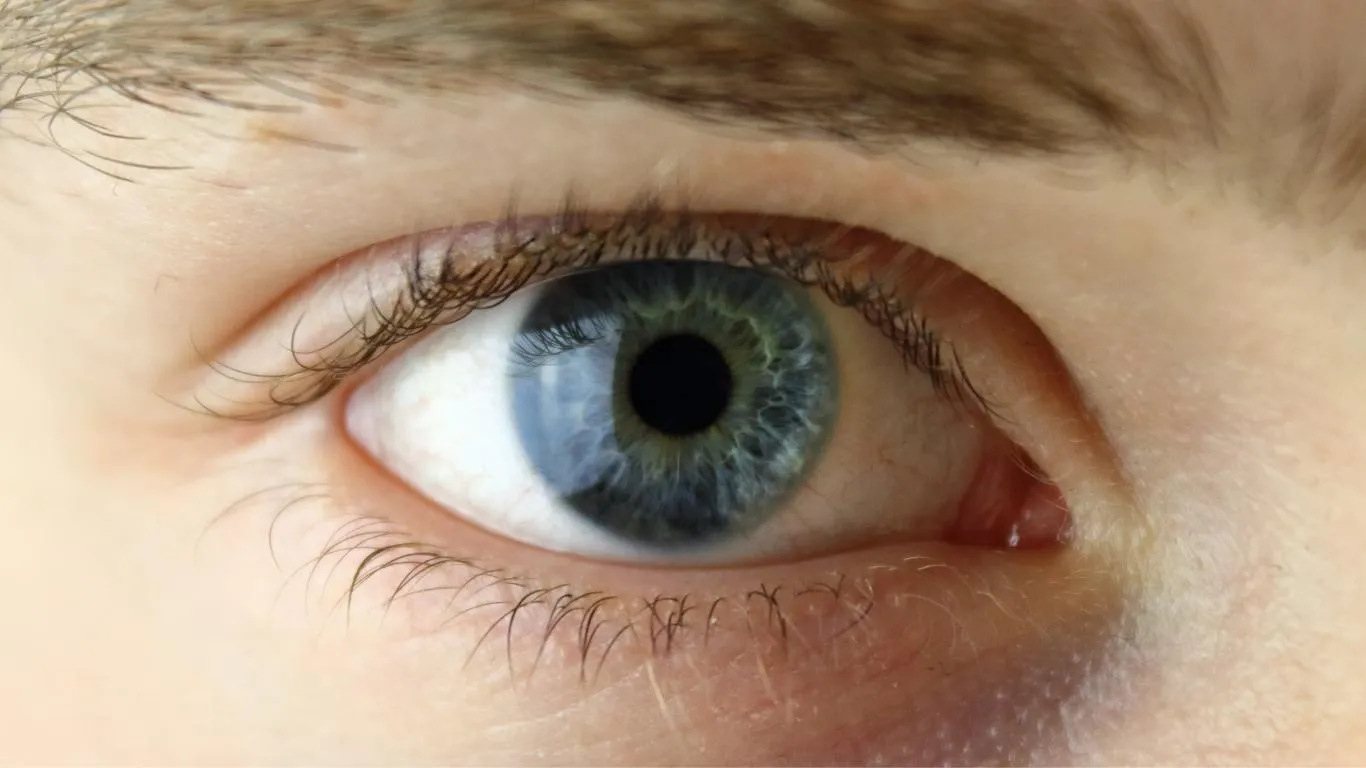
One thing that surprised me? Some people experience floaters more frequently after eye surgery, trauma, or systemic health changes—not necessarily from contact lens use. That’s why floaters shouldn’t be dismissed as a contact lens “side effect” right away.
Other risk factors like high blood pressure, diabetes, or even chronic stress can impact vitreous health. If you’re over 40 and starting to wear contacts, age-related vitreous degeneration may be at play, too. That’s explained in more detail in our comprehensive article on common causes of eye floaters.
And to dive even deeper into all the causes, types, and treatments, this main eye floater guide lays everything out clearly.
Pro Tips If You Wear Contacts and See Floaters
- Stick to lens hygiene like religion—you don’t want any uninvited guests (ahem, bacteria) near your eye.
- Switch to dailies if you’re sensitive—they’re often better for dryness and less prone to irritation.
- Give your eyes breaks, especially if you’re staring at a screen for hours. Eye strain is real.
- Stay hydrated and eat well. Dehydration may not directly cause floaters, but it doesn’t help either. This article on dehydration and floaters is eye-opening (no pun intended).
- Don’t self-diagnose scary symptoms. See an ophthalmologist if your floaters change suddenly or worsen.
When to Be Concerned: It’s Not “Just” Floaters Anymore
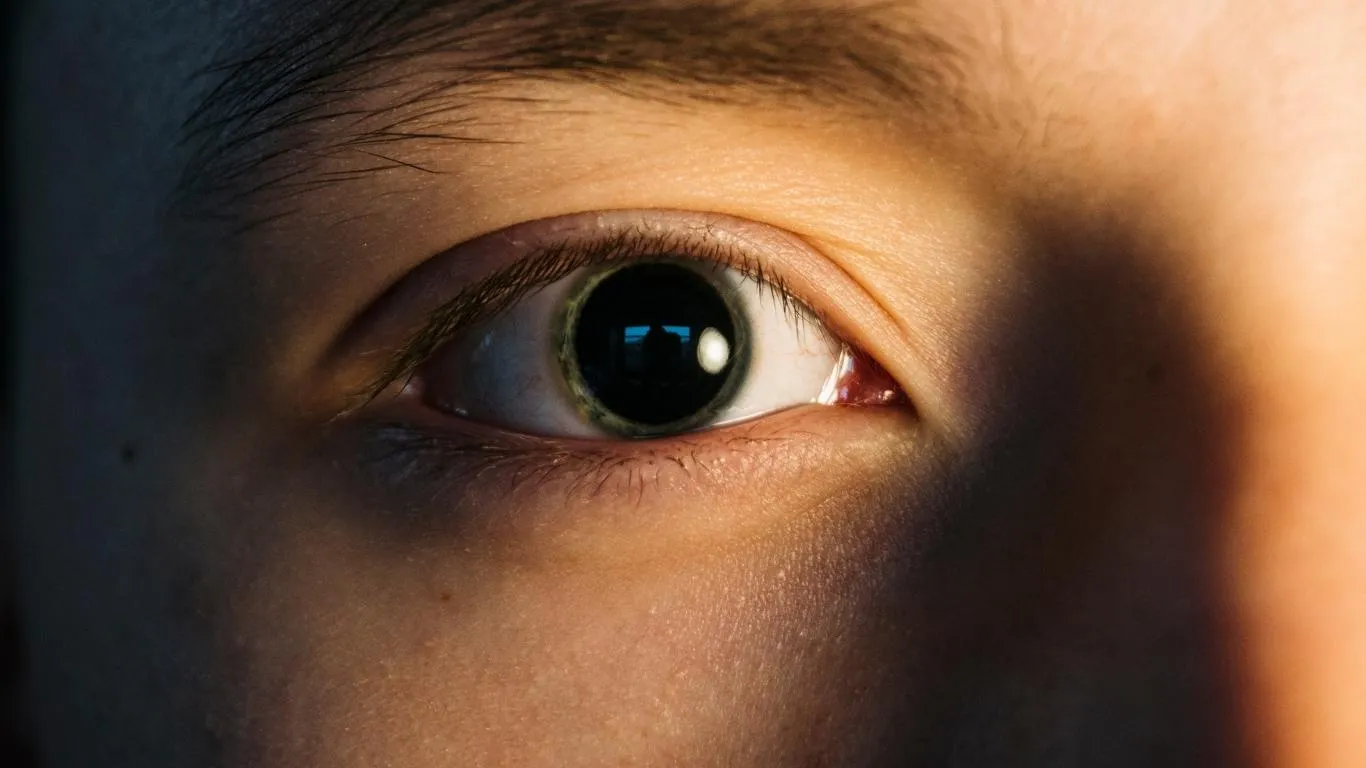
Here’s where I had a wake-up call. I’d been casually noticing floaters for weeks, brushing them off as a side effect of wearing contacts. Then came the light flashes. That’s when my optometrist hit me with a dose of reality—floaters that change suddenly, especially with flashes or vision loss, can indicate retinal problems.
This isn’t about scaring anyone—it’s about knowing when to get checked. According to the American Academy of Ophthalmology, a sudden onset of floaters, especially if they’re dark or come with a shadow or curtain in your vision, may signal a posterior vitreous detachment or worse, a retinal tear. Neither are things you want to leave alone.
Warning Signs to Watch Out For
- Sudden increase in floaters, especially dark or black ones
- Light flashes in the side of your vision
- Blurred or distorted central vision
- “Curtain” or “shadow” across part of your vision
- Floaters after trauma, especially blunt impact to the head or eye
If you’re dealing with any of those, stop reading this and go see a doctor. Seriously.
Do Contacts Worsen Floaters Over Time?
This question pops up all over online forums: “Can wearing contacts long-term damage your eyes or worsen floaters?” The short answer? No—but with conditions.
If you’re following best practices—clean lenses, limited wear time, eye exams—contacts are perfectly safe for most people. But if you’re someone prone to inflammation, like with uveitis, or you’re dealing with chronic dry eyes or allergies, wearing lenses daily may aggravate discomfort and make floaters feel more prominent.
I had to switch to silicone hydrogel lenses and lubricating drops to keep things comfortable. Since then, floaters haven’t disappeared, but they’ve become way less annoying.
What to Do If You’re Bothered by Floaters in Contacts
If floaters are messing with your day-to-day vision, especially when wearing contacts, here’s what actually helps—at least from someone who’s dealt with it.
- Try switching your lens type—daily disposables made a huge difference for me.
- Adjust your lighting—floaters are way more noticeable under bright white LED lights.
- Use lubricating drops—especially preservative-free ones. Dryness makes everything worse.
- Focus on eye nutrition—yes, it’s a thing. Supplements rich in lutein and zeaxanthin may support vitreous health. A good breakdown of this is in this floater supplement guide.
- Track your symptoms—keep a floater journal. Weirdly helpful when explaining things to your eye doctor.
One underrated tip? Change your screen background to off-white or soft gray. It dramatically reduces floater contrast. Trust me, it’s a lifesaver if you work on screens all day.
Treatments for Floaters (If You Can’t Stand Them)
Most eye floaters are harmless and don’t require treatment. But if they’re persistent or severe, there are options:
- Observation – Your doctor may recommend a “watch and wait” approach. Floaters often fade or your brain adjusts over time.
- Laser vitreolysis – A specialized laser breaks up large floaters. Not widely available, and results vary.
- Vitrectomy – A surgical option where the vitreous is removed and replaced. Highly effective but comes with risks like retinal detachment or cataracts.
You can explore the pros and cons of these more deeply in our article on eye floater treatments. It’s worth weighing everything before making a decision—especially since surgery should always be a last resort.
So… Are Contact Lenses the Villain or the Messenger?
Here’s my honest conclusion after years of living with floaters and wearing lenses: contact lenses don’t cause floaters—but they might make you notice them. And sometimes, that awareness is exactly what saves your vision if it turns out to be something more serious.
So if you’ve just switched to contacts and suddenly see floaters, don’t panic. Monitor, adjust your habits, and talk to a professional. But definitely don’t ignore what your eyes are trying to tell you.

Camellia Wulansari is a dedicated Medical Assistant at a local clinic and a passionate health writer at Healthusias.com. With years of hands-on experience in patient care and a deep interest in preventive medicine, she bridges the gap between clinical knowledge and accessible health information. Camellia specializes in writing about digestive health, chronic conditions like GERD and hypertension, respiratory issues, and autoimmune diseases, aiming to empower readers with practical, easy-to-understand insights. When she’s not assisting patients or writing, you’ll find her enjoying quiet mornings with coffee and a medical journal in hand—or jamming to her favorite metal band, Lamb of God.