Why Eye Strain Floaters Get Worse And How To Ease Them
Ever stared at a screen for so long that your vision starts playing tricks on you? Yeah, me too. I remember one late night prepping slides for a client meeting — deadlines were brutal, and so was the glare from my laptop. Suddenly, these little squiggly things started floating around when I looked away from the screen. Thought I was losing it. Turns out, they’re called eye floaters, and yep, eye strain had everything to do with it. If you’re seeing random shadows, specks, or cobwebs drifting through your field of vision after hours of digital grind, you’re not alone. Welcome to the confusing world of eye strain floaters.
What Exactly Are Eye Strain Floaters?
Floaters are tiny clusters of cells or collagen fibers that drift in the vitreous—the clear gel inside your eyeball. When light hits them, they cast shadows on your retina, and voilà—you see floaters. Now, eye strain itself doesn’t create these floaters, but here’s the twist: it amplifies your awareness of them.
When your eyes are overworked from hours of screen time, stress, or poor lighting, your brain becomes hyper-focused on visual stimuli, including floaters. It’s like turning up the contrast on a blurry image—you start noticing stuff you usually ignore.
Can Eye Strain Cause New Floaters?
Technically, no—eye strain doesn’t directly cause new floaters to form. But prolonged strain may exacerbate the perception of existing ones. There’s even some debate around whether stress and high blood pressure (both linked with screen-related fatigue) could speed up vitreous changes, leading to more visible floaters. While the jury’s still out on that, anecdotal evidence suggests a pattern.
- Hours of digital device use
- Poor posture or lighting while reading
- Clenching or squinting under tension
- Reduced blinking (hello dry eyes!)
These habits put additional pressure on your eyes and might not cause floaters, but they sure make them harder to ignore. This deep dive on screen-time-related floaters gets into the nitty gritty if you’re curious.
Why Floaters Feel Worse When You’re Tired
Here’s the kicker—most of us notice floaters more when we’re exhausted. That’s not a coincidence. When your eye muscles are fatigued, your pupils dilate slightly, allowing more light into your eye and increasing the visibility of those pesky floaters.
On top of that, mental fatigue impacts your visual processing. I’ve had days where floaters seemed more aggressive after a poor night’s sleep. And that’s not just me—this article on sleep deprivation and floaters explains how exhaustion can change how floaters are perceived.
The Role of Digital Devices
Blue light from screens can mess with your eyes’ natural rhythm. Combine that with decreased blinking and reduced tear production, and your ocular surface becomes a battleground. Not to mention, many of us forget to adjust contrast and brightness, leading to constant pupil contractions. This contributes to discomfort, dry eyes, and yes—an increase in floaters’ visibility.
How to Know When It’s More Than Just Strain
If you’re reading this and wondering whether what you’re experiencing is normal or not, you’re on the right track. Most eye floaters caused—or at least amplified—by eye strain are benign. But if you’re suddenly seeing a shower of floaters, flashing lights, or loss of peripheral vision, it might be more serious.
- Sudden onset of many floaters
- Floaters accompanied by flashes of light
- Dark curtain-like shadow in your peripheral view
Those are signs of a potential retinal tear or detachment. It’s rare but urgent. The most detailed explanation I’ve found is in this warning sign article on floaters before retinal tear. If you experience those, stop reading and call your eye doc.
What Helped Me Cope With Eye Strain Floaters
Personally, adjusting screen settings, using a blue light filter, and blinking more consciously made a massive difference. I even set a 20-20-20 timer on my phone (every 20 minutes, look at something 20 feet away for 20 seconds). It’s basic, but it works.
Other changes I made:
- Started using a matte screen protector
- Switched to warm white lighting in my workspace
- Ditched late-night scrolling
- Scheduled yearly eye exams, even if nothing seemed “wrong”
These tweaks didn’t eliminate the floaters, but they did help reduce how often I noticed them. And let’s be honest, it’s not just about the floaters—it’s about reclaiming focus without distraction.
If you’re still unsure whether you’re dealing with something more, or just looking for a comprehensive breakdown, I’d suggest reading this comparison on floaters versus other eye issues—it’s been a handy reference more than once.
For a full breakdown of what causes floaters and what you can actually do about them, the main eye floaters guide covers everything from A to Z. And if you want to go deeper into what causes them—from injuries to aging—this comprehensive resource is a must-read.
Is There a Deeper Connection Between Stress and Floaters?
I didn’t want to admit it at first, but the more stressed I was, the more intense those floaters felt. After digging around and talking to an ophthalmologist, turns out I wasn’t imagining it. While stress doesn’t create floaters, it can indirectly impact how visible or annoying they seem.
Think about it: stress changes your body’s chemistry, increases cortisol, tightens your muscles—including the tiny ones controlling your eyes—and messes with your sleep. That’s a perfect recipe for more noticeable floaters under stress. Throw in anxiety, and suddenly, you’re hyper-aware of everything in your field of vision.
My Eye Doctor’s Take
I asked my optometrist point-blank: “Are these floaters permanent?” The answer? “Some are. But many settle.” Apparently, floaters tend to drift down and out of your visual field over time. It’s the mental part that’s tricky—learning not to chase them with your eyes, not to fixate on them every time they pass by. That shift in mindset took time, but it helped.
In some cases, though, floaters can point to something more serious—especially if they show up after trauma or surgery. If you’ve had any kind of eye injury recently, check this article about floaters post eye injuries. It highlights what’s normal vs. when to worry.
What You Can Actually Do About Eye Strain Floaters
This is where it gets tricky. There’s no magical eye drop or smoothie that’ll erase floaters overnight. Trust me, I searched. That said, some strategies genuinely help reduce their impact—and in some cases, slow their development.
Natural Approaches Worth Considering
I’m skeptical of miracle cures, but a few natural methods helped me:
- Hydration: Drinking more water seemed to help reduce eye dryness and visual fatigue.
- Anti-inflammatory diet: Foods rich in omega-3s, leafy greens, and turmeric might not cure floaters, but they support overall eye health.
- Eye yoga: Yep, it’s a thing. Slow eye movements in circular motions helped ease strain on those extra long Zoom days.
This article on natural floaters remedies breaks down what’s actually worth trying (and what’s just hype).
Medical Options: When It’s Not Just Strain
If floaters start interfering with your vision—like literally blocking your ability to read or drive—it’s time to consider medical intervention. Options range from:
- Vitrectomy: A surgery that removes the vitreous gel and replaces it with a saline solution. Effective, but not risk-free.
- Laser vitreolysis: Uses laser to break up larger floaters into smaller, less noticeable fragments. Less invasive, but only available in select clinics.
Not everyone is a candidate, and these are usually reserved for severe cases. The good news? The vast majority of people with eye strain floaters don’t need surgery. Observation is still the most common approach, as outlined in this treatment overview.
Small Habits That Help Long-Term
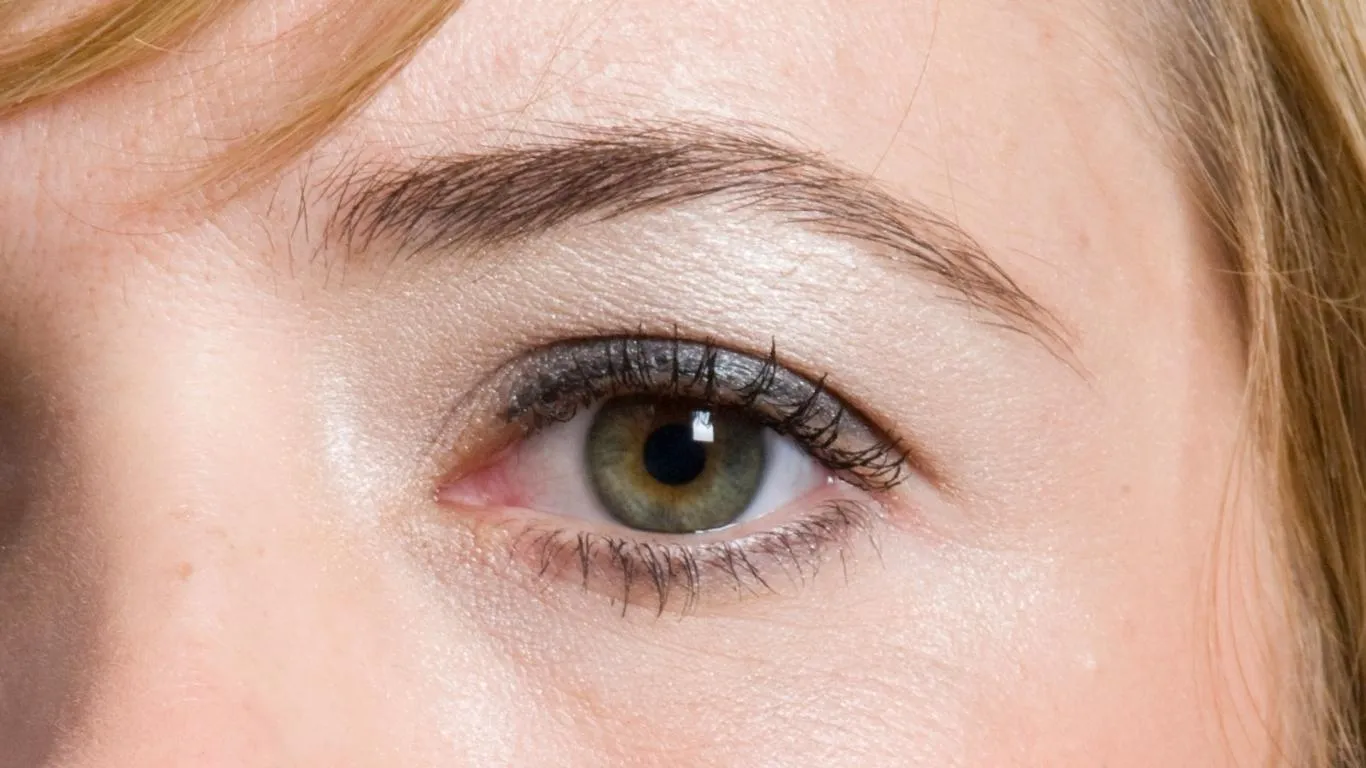
Managing floaters—especially the kind worsened by strain—is all about tweaking your daily habits. Here’s what’s made a lasting difference for me:
- Switching to e-ink readers for long reads (bye bye blue light)
- Keeping screens at eye level to reduce neck and eye tension
- Using f.lux or Night Shift to limit blue light exposure in the evenings
- Maintaining consistent sleep and taking magnesium for better rest
It’s not glamorous, but these shifts stack up over time. Also, don’t ignore how your overall health ties in—conditions like diabetes or autoimmune issues can increase floaters risk. This piece on diabetes and floaters covers that link well.
When Eye Floaters Signal Something Bigger
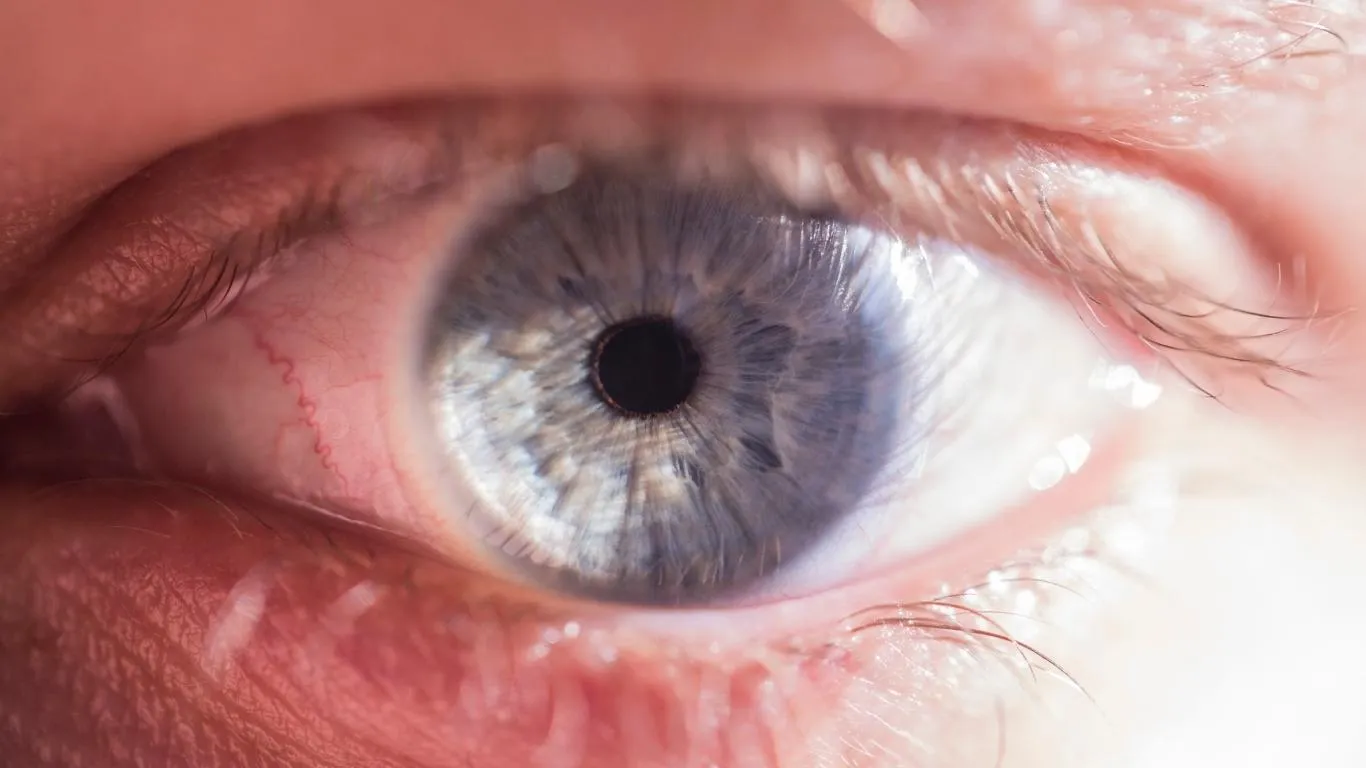
If floaters come on suddenly, or if you’re seeing more of them every day, don’t wait. There are times when those little shadows are actually warning signs. That happened to my cousin—ignored the flashes and floaters for days, turned out it was a retinal detachment. He was lucky.
Watch for signs like:
- Sudden, massive increase in floaters
- Flashes of light like camera flashes, especially at night
- Dark shadows or “curtains” in your vision
These can signal issues like posterior vitreous detachment or something even more serious. Don’t self-diagnose here—get a dilated eye exam if anything feels off.
So What’s the Deal With Eye Strain Floaters?

Here’s my honest take: floaters suck. But they don’t have to control your day. For most people, especially those dealing with eye strain from digital overload, they’re manageable. And the best part? The more you focus on reducing your strain, the less you’ll notice those annoying specks drifting around.
If you’re hungry for the full breakdown of symptoms you shouldn’t ignore, I highly recommend checking out this eye floater symptom guide—it’s one I revisit now and then just to stay in the loop. Also, don’t miss the main pillar resource on causes, symptoms, and treatment options. Seriously helpful if you’re still piecing it all together.

Camellia Wulansari is a dedicated Medical Assistant at a local clinic and a passionate health writer at Healthusias.com. With years of hands-on experience in patient care and a deep interest in preventive medicine, she bridges the gap between clinical knowledge and accessible health information. Camellia specializes in writing about digestive health, chronic conditions like GERD and hypertension, respiratory issues, and autoimmune diseases, aiming to empower readers with practical, easy-to-understand insights. When she’s not assisting patients or writing, you’ll find her enjoying quiet mornings with coffee and a medical journal in hand—or jamming to her favorite metal band, Lamb of God.