Why Eco-Anxiety in Younger Generations Feels Overwhelming Yet Fixable
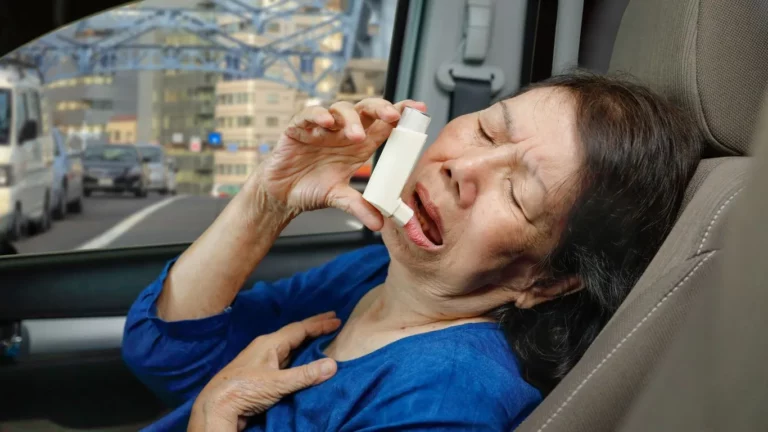
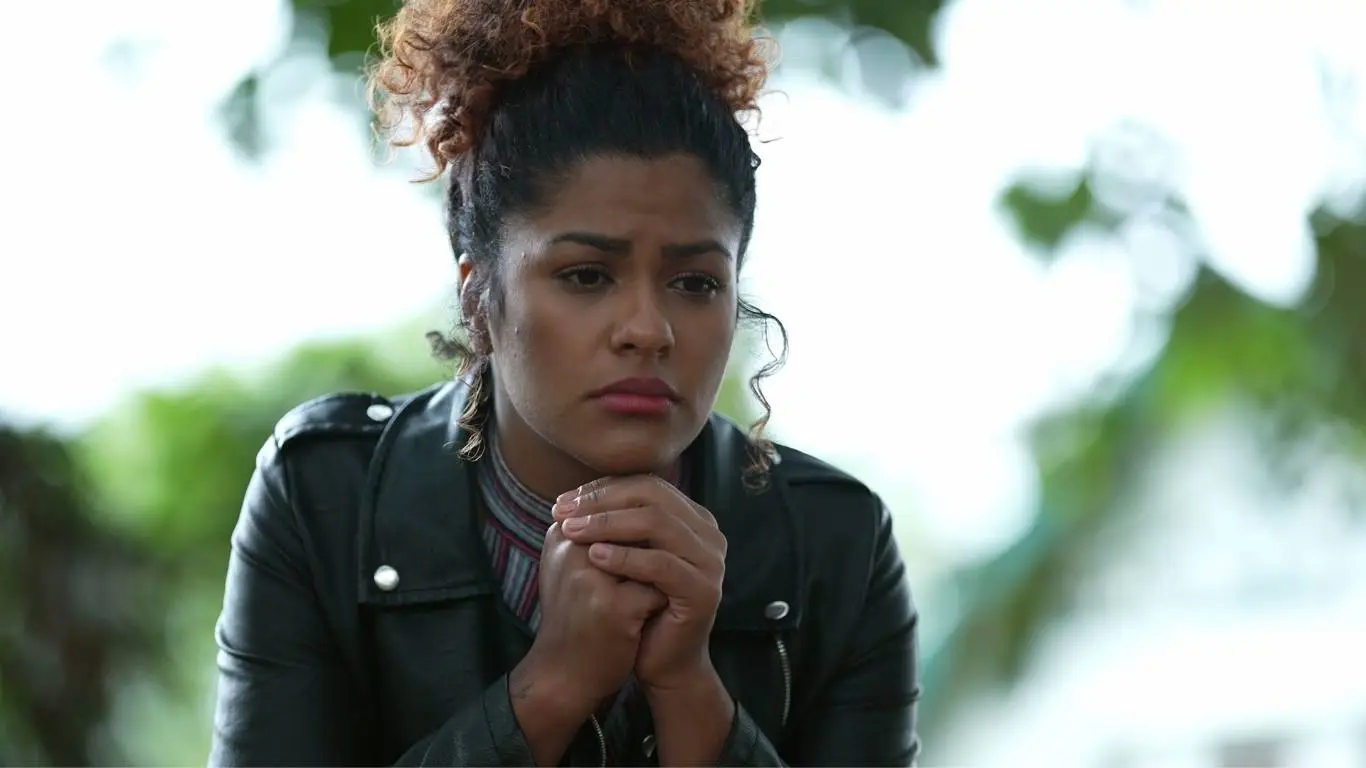
Not too long ago, I found myself lying awake at 3 AM, doom-scrolling through climate change news, unable to breathe right. That tightness in my chest? Not just worry—it was full-on eco-anxiety. And honestly, it’s become a frequent, uninvited guest for many people like me—especially younger folks. If you’ve felt that crushing weight from reading about melting glaciers or wildfires blazing through another part of the planet, you’re definitely not alone.
Why Eco-Anxiety Hits Younger Generations So Hard
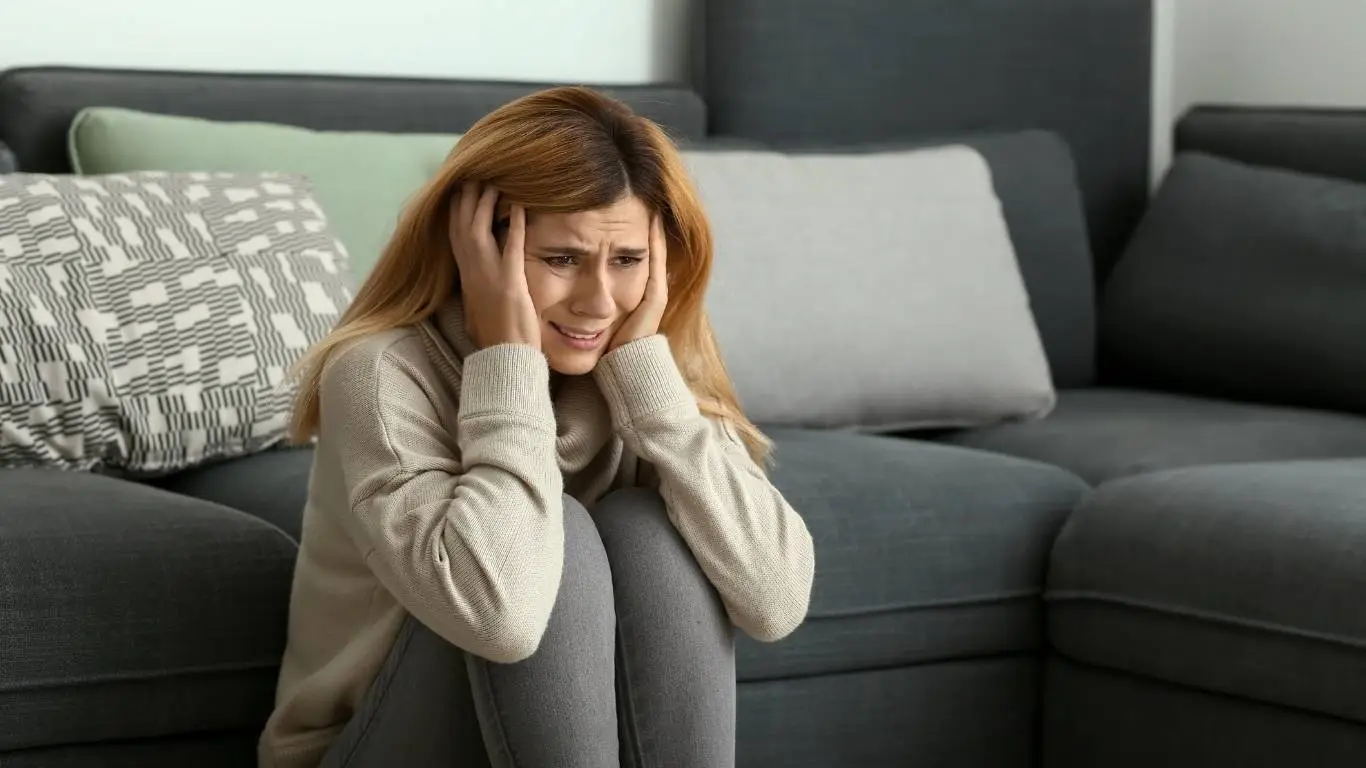
It’s not just climate scientists or activists feeling this kind of anxiety—it’s students, new parents, young professionals, even teenagers. Many of us are growing up with the understanding that our futures are uncertain. Climate change isn’t a distant possibility; it’s a present crisis. And we’re absorbing that reality in real time, every single day.
We Grew Up Online—and Overexposed
Unlike older generations who only saw environmental concerns on the evening news, we’ve grown up with a digital IV drip of climate catastrophes. It’s not occasional—it’s constant. TikTok, Instagram, Reddit, news apps—it’s everywhere. And the younger you are, the more likely you are to see it daily.
- Wildfire smoke maps trending on Twitter
- Bleached coral reefs in your feed
- Iceberg collapse videos autoplaying mid-scroll
This oversaturation triggers that fight-or-flight response. Your brain reacts like you’re in immediate danger—even if you’re physically safe. And repeated exposure builds chronic stress. That’s textbook anxiety, and eco-anxiety is no different in how it affects your body and mind.
There’s a Deep Sense of Betrayal
Here’s the emotional kicker: younger generations feel like we inherited a crisis we didn’t create. That sense of helplessness and injustice fuels anxiety on a level that’s both personal and global. I’ve talked to peers who describe it as feeling like they’ve been handed a ticking time bomb—without any tools to disarm it.
In fact, many people under 35 report they’re delaying life decisions like having kids or buying homes due to climate-related fears. That’s not just anxiety—it’s life being reshaped by stress. Even relationships aren’t immune.
What Eco-Anxiety Feels Like—and Why It’s More Than Worry

Let’s make something clear: eco-anxiety isn’t just “caring a lot.” It’s physical, emotional, cognitive—and sometimes it hits like a panic attack out of nowhere. I used to feel a tight chest, racing heart, and this weird heaviness after just reading the news. Others report stomach issues, insomnia, or even derealization episodes.
Sound familiar? It mirrors symptoms described in clinical anxiety disorders. It might not have a fancy diagnostic label yet, but mental health professionals are increasingly recognizing it as a legitimate issue.
Common Symptoms of Eco-Anxiety Include:
- Racing thoughts triggered by environmental news
- Guilt about carbon footprints or lifestyle choices
- Hopelessness about the future of the planet
- Difficulty focusing on school, work, or relationships
- Physical symptoms like headaches, chest tightness, or GI problems
Some even experience eco-related intrusive thoughts. If that sounds familiar, check out our guide on how anxiety can quietly take over your thinking.
How Social Media Fuels the Fire
We’ve got to talk about how social media shapes the eco-anxiety experience. TikTok and Instagram, especially, have become major sources of both inspiration and… sheer panic. A 15-second reel showing glacier collapse might be followed by an influencer promoting veganism, then another reel declaring “it’s too late anyway.”
That emotional whiplash is exhausting, and it’s part of why eco-anxiety often leads to burnout. Instead of feeling motivated to act, many young people feel paralyzed. According to the APA, anxiety becomes debilitating when it interferes with your ability to function—and that’s exactly what’s happening here.
For a breakdown of how anxiety affects our work and personal lives, this article explains it beautifully.
The Guilt Spiral: Are We Ever Doing Enough?
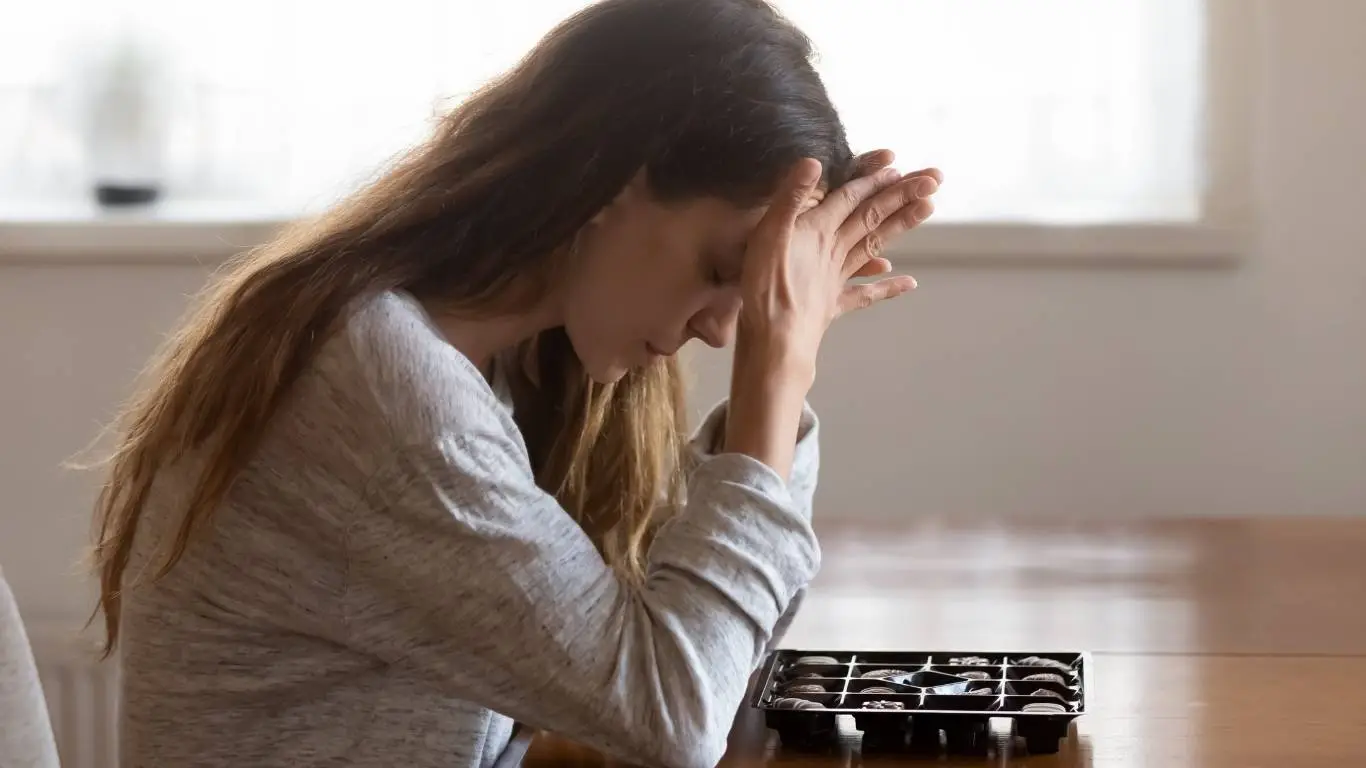
Let’s be honest—eco-guilt is brutal. One minute you’re proud for switching to reusable bags, and the next you’re spiraling because you forgot your travel mug. It’s a toxic cycle of “never doing enough” that messes with your mental well-being. I’ve been there. I still feel guilty every time I drive instead of bike.
Perfectionism, especially in the context of sustainability, can be overwhelming. For those of us already prone to anxiety, it adds more pressure than motivation. This link dives deep into how perfectionism quietly sabotages mental health.
It’s Okay to Not Be the Perfect Activist
No one can do everything. A lot of healing begins with accepting that you’re human, and small actions—yes, even imperfect ones—still matter. If you’ve ever felt eco-guilt building into panic, read our piece on how overthinking drains your joy.
Why We Can’t Ignore the Mental Health Side
Addressing climate change is obviously urgent—but so is addressing the mental health fallout it’s creating. Eco-anxiety isn’t a distraction from the climate crisis—it’s a consequence of it. Ignoring it helps no one.
Luckily, more therapists are beginning to recognize eco-anxiety as a legitimate concern. Some are even trained in climate-aware therapy, a growing niche that blends environmental literacy with mental health tools.
If you’re wondering how to even begin unpacking your anxiety, a good place to start is this comprehensive guide to anxiety diagnosis and self-assessment tools. And for broader insight into why anxiety can feel like it’s hijacking your daily life, check out our main article on anxiety disorders.
To understand the many underlying causes that quietly drive anxiety—climate change included—don’t miss this deep dive into the hidden causes of anxiety disorders.
Healthy Ways to Cope with Eco-Anxiety (Without Burning Out)
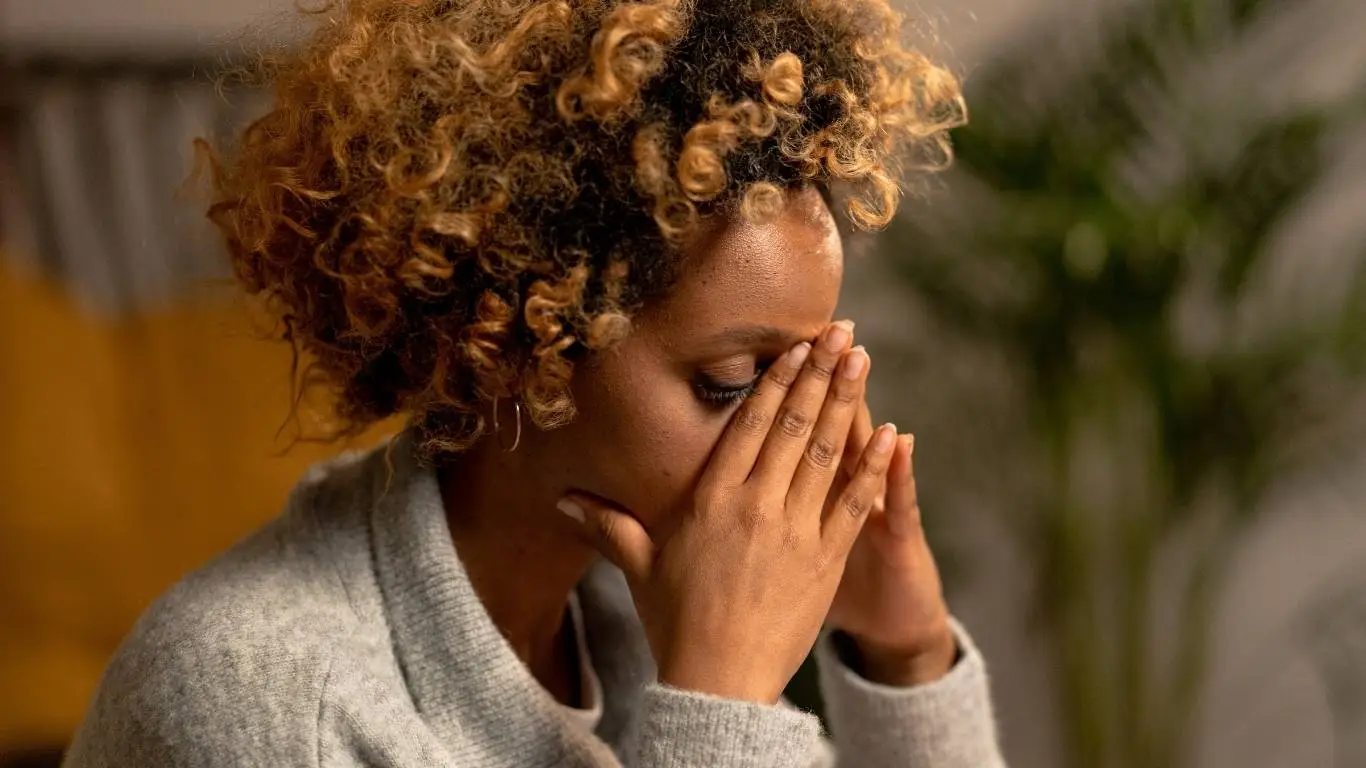
There’s something deeply personal about managing eco-anxiety—it’s not just about reducing stress; it’s about finding purpose and stability in a world that often feels unstable. When I finally realized my anxiety wasn’t just me being “too sensitive,” I started to explore healthier coping strategies. It changed everything. Here’s what really helped.
Start with Grounding Yourself—Literally
I know it sounds cliché, but reconnecting with nature—even in small doses—can anchor you. Eco-anxiety often spins you into the future: rising sea levels, collapsed ecosystems, irreversible tipping points. Touching real grass, walking under trees, feeling dirt under your nails—it brings you back to the present.
If you’re struggling to stay grounded, practices like simple breathing techniques or progressive muscle relaxation help slow your nervous system. It’s wild how much calmer I felt after adding these to my daily routine.
Channel the Energy—Don’t Bottle It
Eco-anxiety is energy, and it has to go somewhere. Some of my most empowering moments came from turning that anxious buzz into action—even if it was small stuff:
- Joining a local cleanup crew on weekends
- Writing emails to local officials
- Supporting youth-led climate groups
- Switching to a plant-rich diet (I’m still figuring it out!)
You don’t need to be Greta Thunberg to make a difference. Small, consistent action is powerful—and it reminds your brain that you’re not helpless. You’re doing something. And that matters.
Creating Boundaries with Climate Content
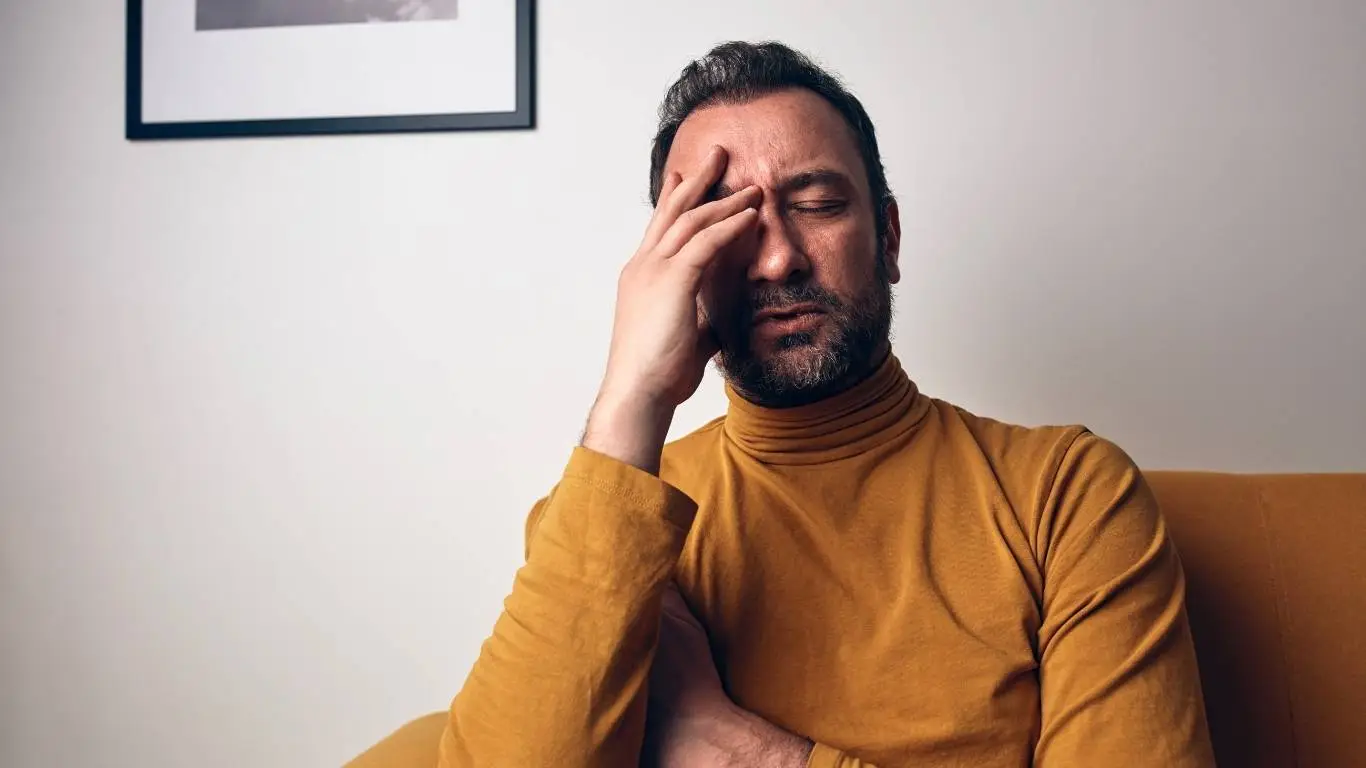
I had to learn this the hard way—too much exposure to climate news is a trigger. It feels like being hit by wave after wave, no time to breathe. Creating boundaries doesn’t mean ignorance—it means protecting your peace.
Now, I limit myself to 15 minutes of climate-related content per day, max. I unsubscribe from pages that make me spiral. I follow creators who focus on hope and solutions—not just destruction. And when it gets too much? I unplug. That’s not weakness. That’s strategy.
Social media anxiety is real and chronic. For more on that, check out this breakdown on social media and anxiety.
Replace Doomscrolling with Real Connection
Talk about it. Seriously. When I started having honest convos with friends about how overwhelmed I felt, they opened up too. The silence was feeding the anxiety. Support groups—online or local—can be a lifeline. We weren’t meant to hold this fear alone.
And if you’re parenting through eco-anxiety? You’re not the only one. This resource on how anxiety affects parents is worth a look.
When Therapy Becomes Essential

Eco-anxiety can sometimes cross that line—when it starts affecting your sleep, your job, your relationships. That’s when therapy isn’t just helpful—it’s necessary.
Therapies like CBT or even EMDR can help untangle overwhelming thoughts and give you tools to process your fear in healthier ways. I’ve personally found Acceptance and Commitment Therapy (ACT) to be powerful—especially when that “why bother?” voice creeps in.
If the idea of therapy feels intimidating or inaccessible, you might explore options like virtual therapy for anxiety. A lot of platforms now include eco-focused mental health support.
Food, Sleep, and Supplements—Yes, They Matter
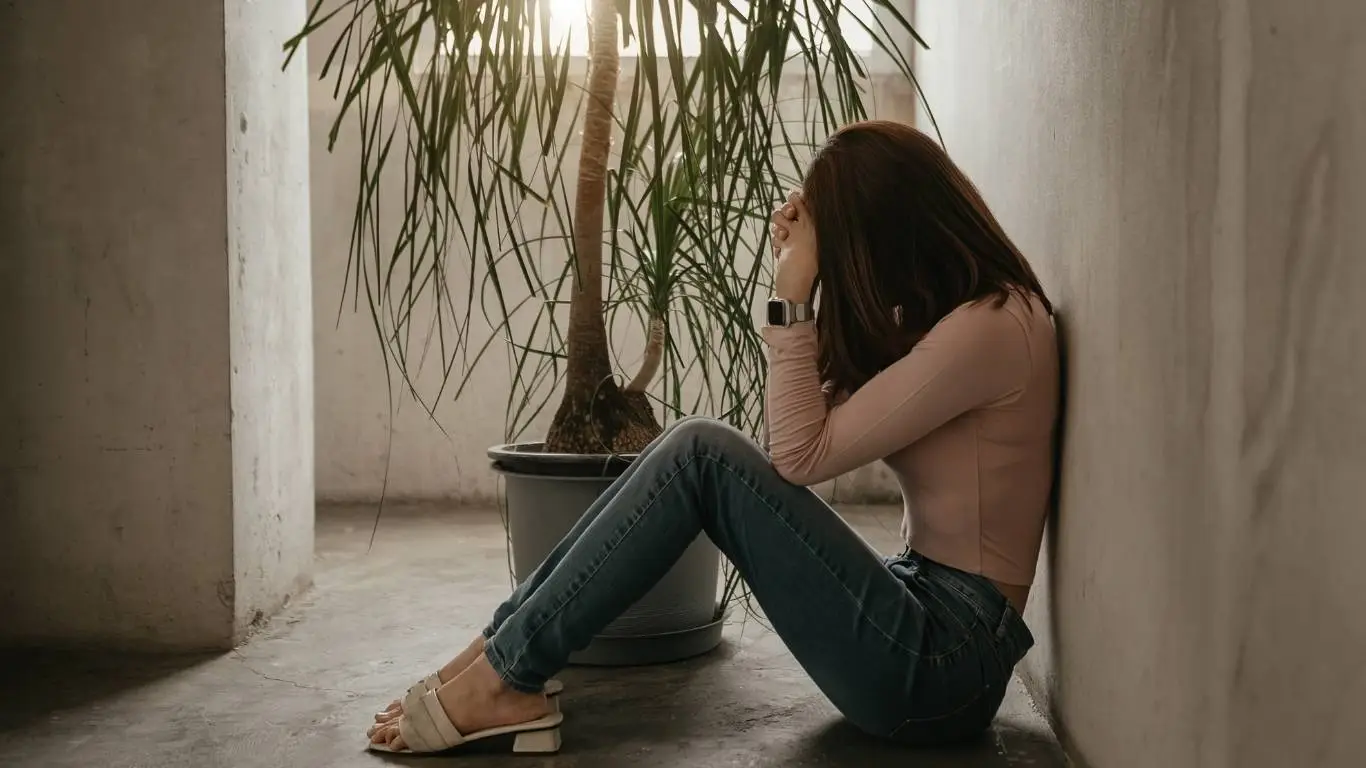
This one surprised me. I didn’t think my diet had anything to do with anxiety. But after reducing my sugar and caffeine intake (it was tough—I loved cold brew), I noticed a massive difference. Less jitteriness, fewer spirals.
Adding in more magnesium-rich foods and Omega-3s? Game changer. If you want science-backed food suggestions, you’ll want to read up on foods high in magnesium and omega-3 fatty acids that help balance the nervous system.
Sleep hygiene is another underrated tool. I’ve learned to power down by 10 PM, cut screens after 9, and wind down with herbal tea and a book. Here’s why that makes a difference.
It’s Not Hopeless—We’re Just Tired
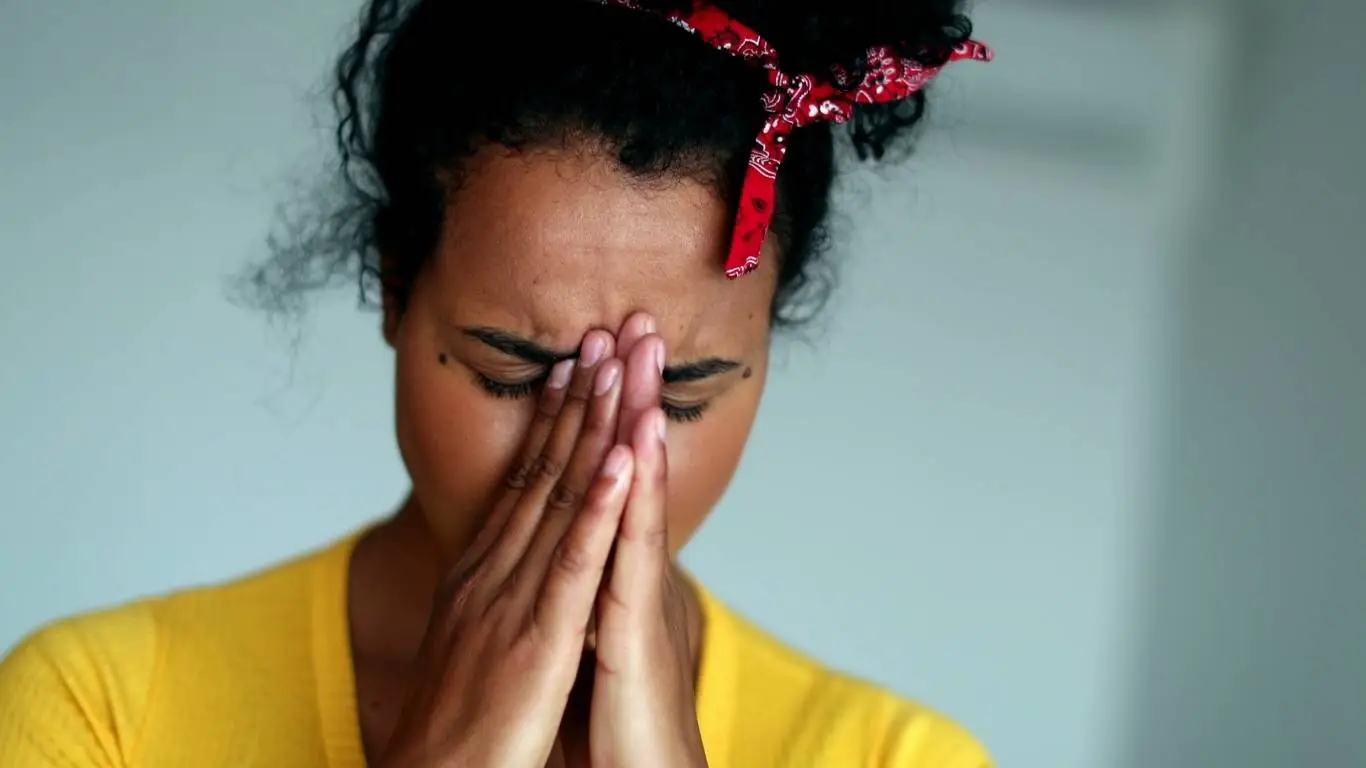
There’s something healing about remembering you’re not carrying this alone. Millions of us feel this same ache, this same rage, this same fierce hope. The goal isn’t to shut down the anxiety—it’s to let it sharpen us without consuming us.
If you’re still unsure how to navigate it all, take a moment to check out this thorough resource on self-help strategies for anxiety disorders. And to see the bigger picture of how anxiety infiltrates our everyday life, don’t miss the full overview in this main pillar article.

Camellia Wulansari is a dedicated Medical Assistant at a local clinic and a passionate health writer at Healthusias.com. With years of hands-on experience in patient care and a deep interest in preventive medicine, she bridges the gap between clinical knowledge and accessible health information. Camellia specializes in writing about digestive health, chronic conditions like GERD and hypertension, respiratory issues, and autoimmune diseases, aiming to empower readers with practical, easy-to-understand insights. When she’s not assisting patients or writing, you’ll find her enjoying quiet mornings with coffee and a medical journal in hand—or jamming to her favorite metal band, Lamb of God.