
Why Familial Vitreous Degeneration May Affect Your Vision Early
When I first noticed those faint, squiggly shapes drifting across my vision, I chalked it up to stress or screen time. But as they persisted—especially during bright days or while staring at a blank wall—I started wondering: is this just a normal aging thing, or something deeper? Turns out, what I was experiencing could be tied to something much more specific: familial vitreous degeneration.
What Exactly Is Familial Vitreous Degeneration?
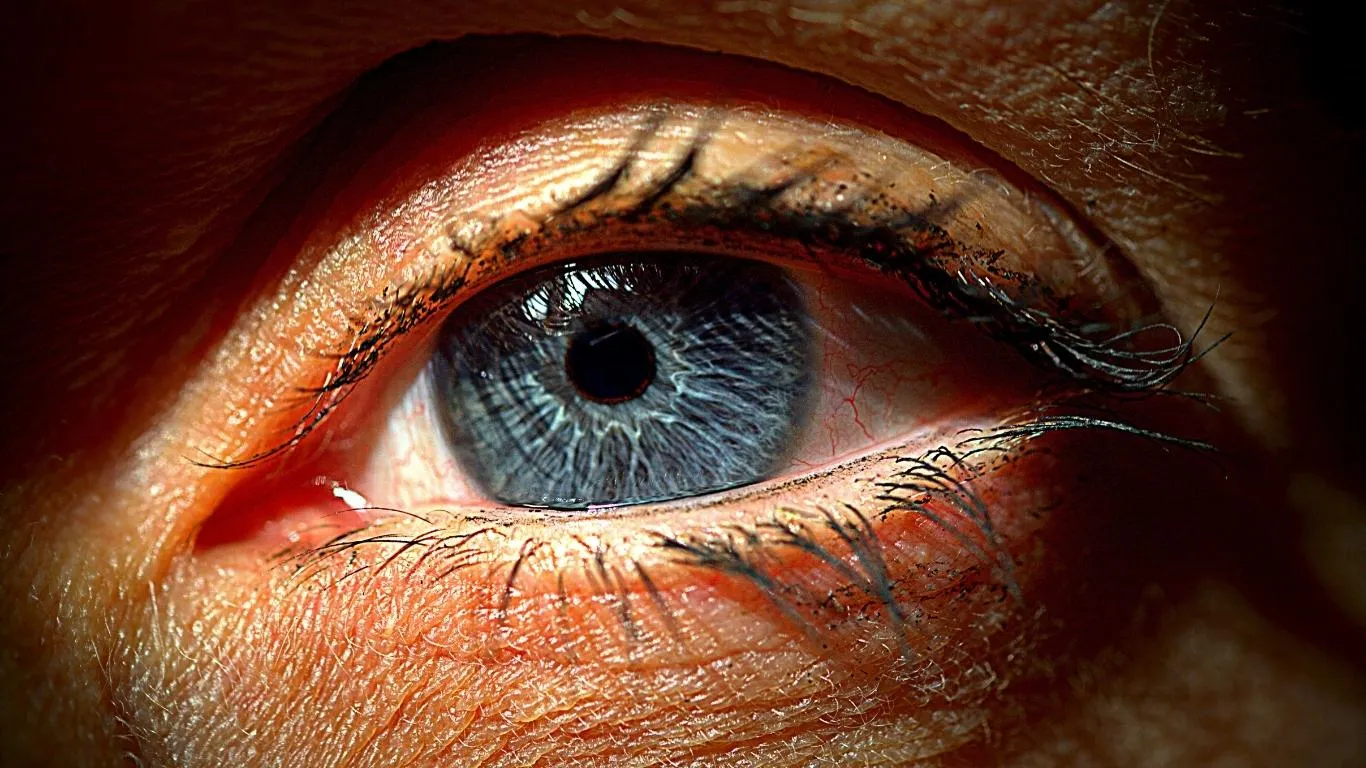
Unlike typical floaters that many people experience with age, familial vitreous degeneration (FVD) is rooted in genetic factors. It’s not just a byproduct of getting older—it’s something you might inherit. I didn’t know this until an eye specialist casually asked me if anyone else in my family had similar symptoms. That’s when the lightbulb went off.
FVD involves an abnormal formation or breakdown of the vitreous gel—the clear, jelly-like substance that fills your eye. This change in consistency can happen early in life and leads to persistent floaters, light flashes, and, in some cases, even retinal complications.
How Does It Differ from Regular Eye Floaters?
Normal floaters usually occur due to posterior vitreous detachment (PVD), which happens as we age. But FVD-related floaters often show up younger and are more widespread.
- Floaters appear in teenage years or early adulthood
- Often accompanied by visual haze or cobweb-like disturbances
- Higher risk of retina pulling or detachment
If your parent or sibling has had serious floater issues early in life, there’s a strong possibility it could be familial.
Common Symptoms That Shouldn’t Be Ignored
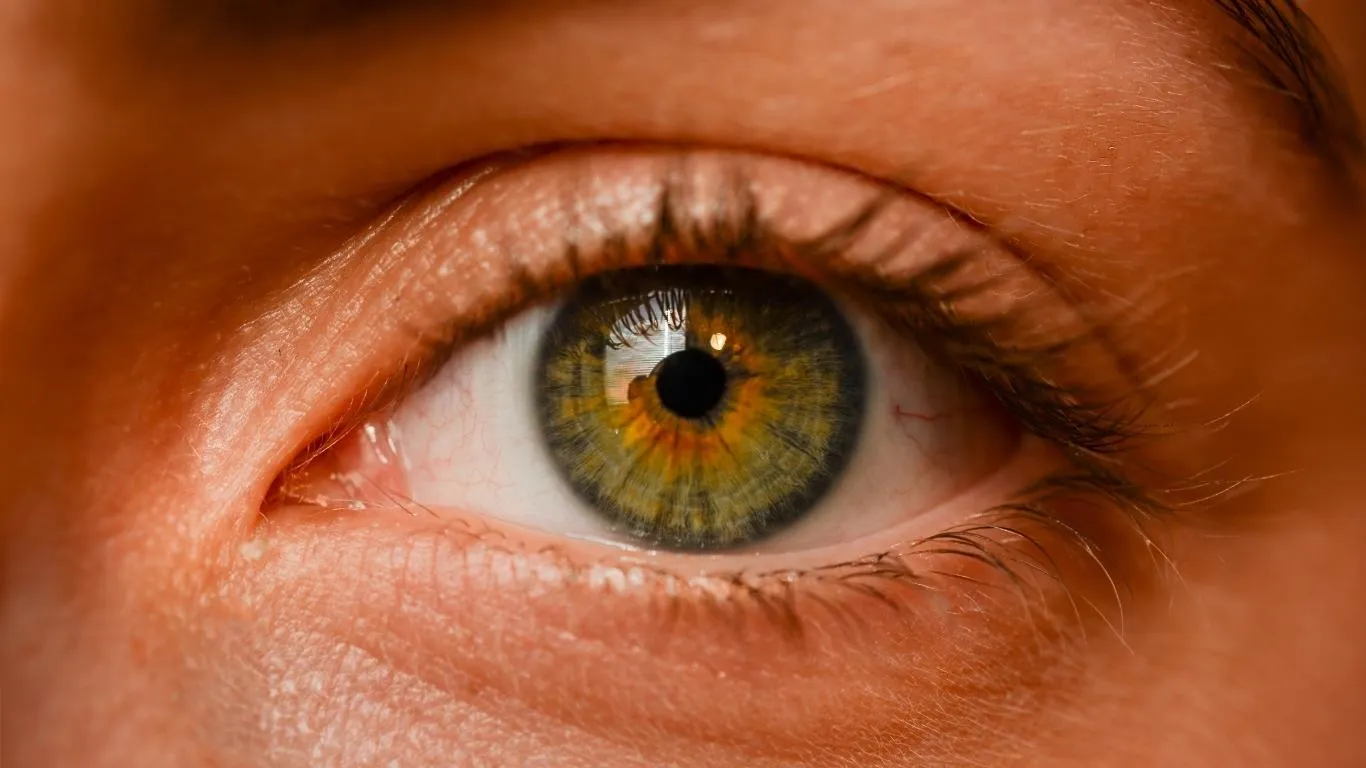
I brushed off symptoms for a while thinking I was being dramatic. But here’s what eventually made me take it seriously:
- Floaters that were dense and layered, like a mesh screen
- Sudden light flashes, especially in the dark
- Moments of blurred vision during reading or driving
- A feeling like something was “floating” in my line of sight no matter where I looked
Sound familiar? You’re not alone. Many people with FVD mistake these for minor eye strain, which delays proper treatment.
If you notice new floaters or worsening vision, especially with a family history, check out this helpful piece on when floaters might signal serious problems.
What Causes Familial Vitreous Degeneration?
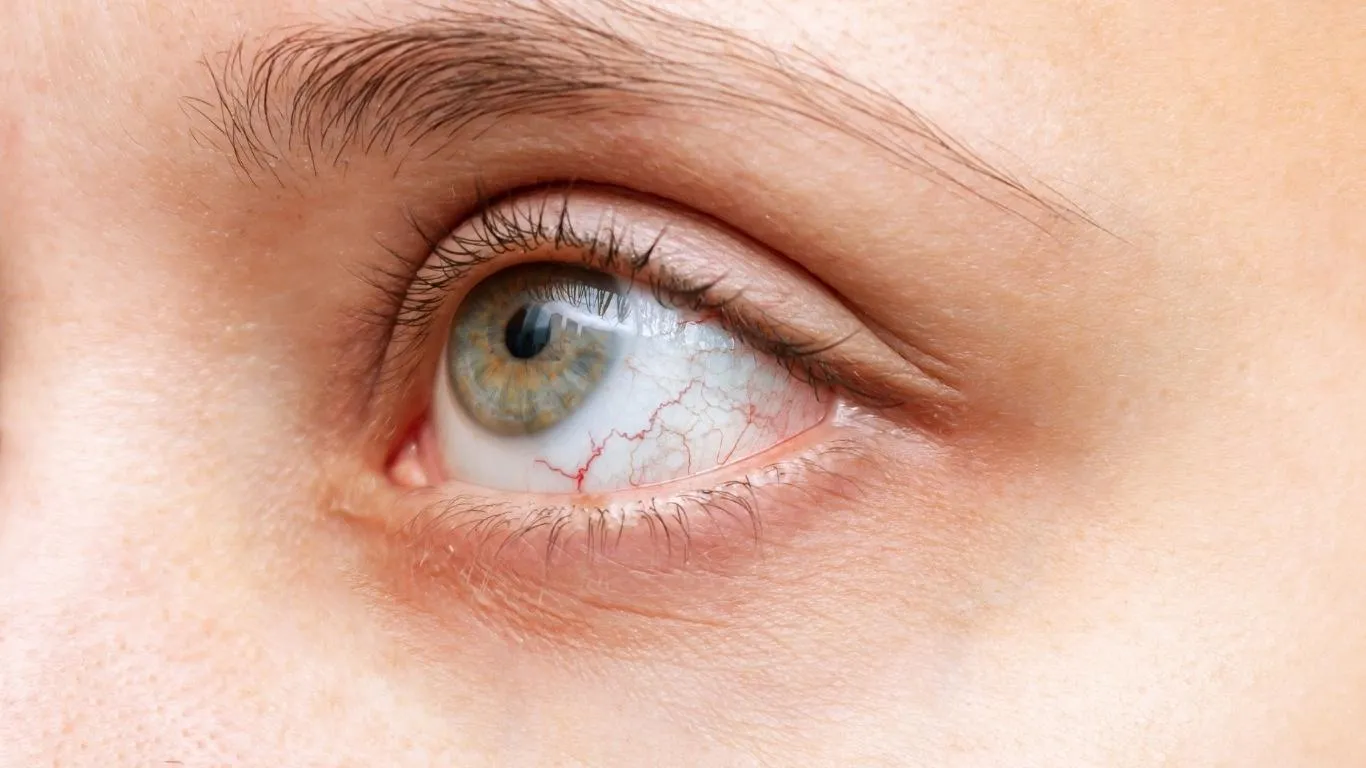
It’s in the genes. Mutations in collagen-related genes, particularly those tied to connective tissue, are often at the root of FVD. This isn’t just theory—conditions like Ehlers-Danlos syndrome and Stickler syndrome have shown clear links to vitreous changes.
Basically, when collagen production is faulty, the gel structure in the eye starts to liquefy or break down irregularly. That’s why floaters in FVD are often more clustered, stringy, or cloudy than the occasional speck most people see now and then.
Related Genetic Conditions
FVD doesn’t usually show up on its own. It may come along with or be mistaken for other genetic conditions like:
- Genetic vitreoretinopathies
- Marfan syndrome
- Lattice degeneration (which is a risk factor for retinal tears)
How It’s Diagnosed (and What to Expect)
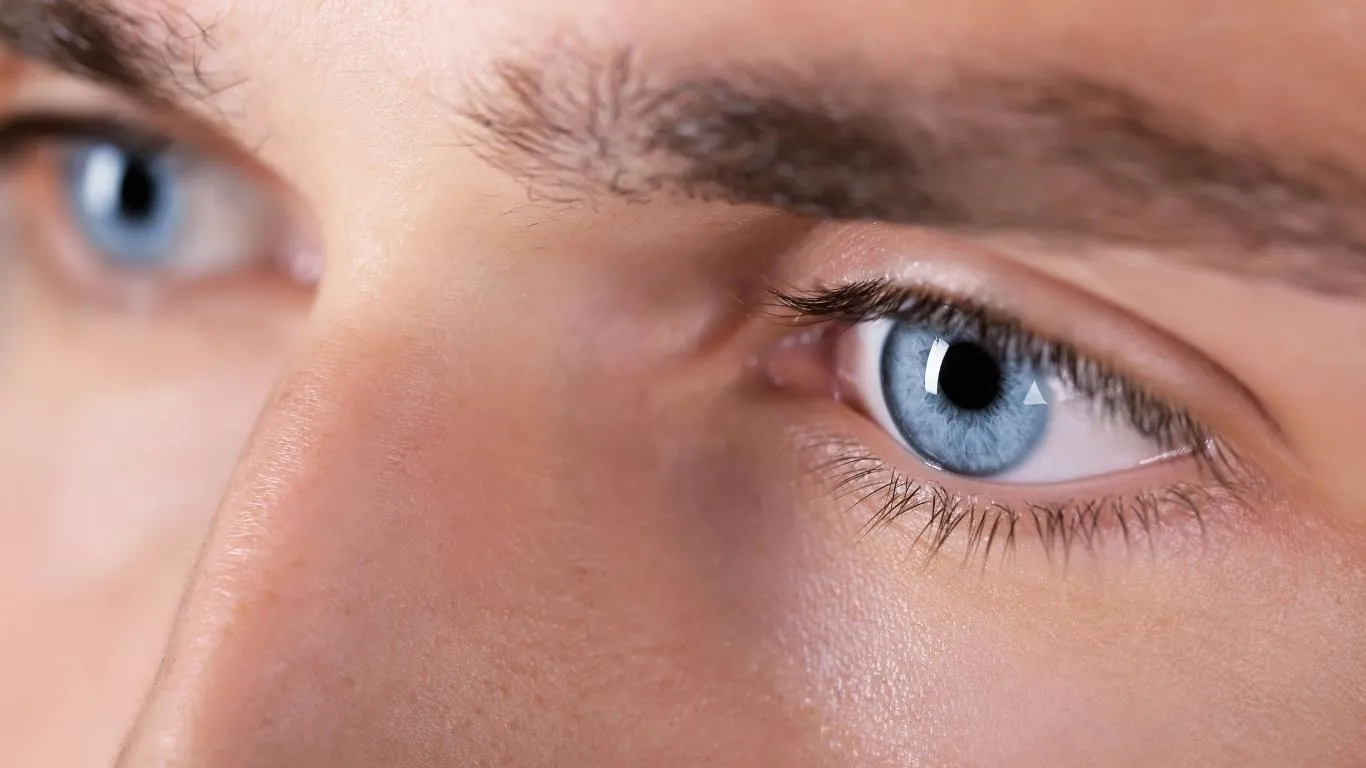
When I finally got myself to the clinic, the diagnosis wasn’t instant. The eye doctor used a dilated eye exam and optical coherence tomography (OCT) scan. What they saw confirmed it—dense floaters throughout the vitreous with unusual patterns pointing to genetic degeneration.
Some folks may even be referred to a retinal specialist. If you’re showing advanced symptoms, you might get a fluorescein angiography test to check for any blood vessel abnormalities or retinal tears. Sounds intense, but it’s painless—and absolutely worth it.
What You Should Ask Your Doctor
Here are some questions that helped me feel more informed:
- “Could this be familial vitreous degeneration?”
- “Do I need genetic screening or a retinal specialist referral?”
- “Are my floaters causing any retinal tension or detachment risk?”
You’ll want to stay proactive—early detection makes a huge difference.
When to Be Concerned
If there’s sudden onset of dozens of floaters, or you’re seeing flashing lights like a strobe effect, don’t wait. These are red flags for retinal detachment. FVD increases this risk more than standard floaters.
Read this for more clarity: floaters that may warn of retinal tears.
Also, here’s a great deep dive on common causes of eye floaters to see how FVD fits into the broader picture.
Need More Background?
If you’re new to the topic and want to grasp how floaters develop in general, the main guide to eye floaters is a great place to start.
And if you want to compare FVD with other similar issues, check out how floaters differ from other eye problems.
There’s still more to cover—treatments, management strategies, and real options for living with FVD. We’ll dig into that next.
Treatment Options for Familial Vitreous Degeneration

So here’s the truth: there’s no one-size-fits-all fix for familial vitreous degeneration (FVD). When I first got diagnosed, I was desperately hoping for a magic pill or a drop that could clear up my floaters. Unfortunately, it doesn’t work like that. But there are options—and some of them can make a big difference depending on the severity of your case.
Observation: The “Wait and Watch” Method
If your floaters aren’t affecting daily life too much, most ophthalmologists will recommend monitoring. Annoying? Yes. But safe. This approach is especially common if there are no signs of retinal tears or detachment. And trust me, after months of panicking over every shadow in my vision, simply knowing my retina was intact gave me peace of mind.
You can learn more about this non-invasive route in this excellent breakdown: treatment options for eye floaters.
Vitrectomy: The Surgical Route
For those with severe floaters interfering with vision, especially in FVD cases, vitrectomy might be on the table. It’s a surgical procedure where the vitreous gel is removed and replaced with a saline solution or synthetic substitute. Sounds extreme—and it is—but for some, it’s life-changing.
- Highly effective at eliminating floaters
- More suitable for advanced FVD with retinal complications
- Risks include cataracts, retinal detachment, and infection
Not everyone is a candidate, and trust me, it’s not a decision you make lightly. You’ll want to talk to a retinal specialist with experience in hereditary vitreoretinopathies.
Are Laser Treatments Effective?
Ah yes, laser vitreolysis—the buzzy treatment everyone on Reddit seems to swear by. It uses lasers to vaporize or break up floaters. But here’s the thing: it’s not always suitable for FVD. Because floaters in this condition tend to be dense and located near the retina, it may increase the risk of retinal damage.
Some specialists won’t even consider it unless the floaters are well-positioned and the eye structure allows safe access. So, while it works for some, in hereditary cases, it’s a bit more complex.
What Helped Me Personally
I didn’t go under the knife or the laser beam. What’s worked for me so far is a combo of better lighting at work, a few vision hacks (dark mode is a godsend), and frankly, managing my expectations. Eye floaters from FVD won’t disappear, but they don’t have to rule your life either.
Natural & Lifestyle Remedies: What’s Worth Trying?
Look, let’s be honest—there’s no green smoothie or supplement that’s going to “cure” FVD. But there are ways to support your eye health and possibly reduce symptom severity:
- Staying hydrated (dehydration worsens floaters)
- Wearing sunglasses to cut glare, which makes floaters more noticeable
- Improving nutrition—think leafy greens, omega-3s, and vitamin C
- Using eye drops (not to treat floaters, but to reduce eye strain)
There are also some alternative remedies floating around online (pun intended), like eye yoga, acupuncture, and herbal drops. Honestly? I tried a few. Some felt relaxing, but none really changed the floaters themselves. Still, anything that eases the mental load is worth considering.
Genetic Counseling: Should You Consider It?
This one hit home for me. I have a young niece who’s already complaining about eye floaters, and I can’t help but wonder if FVD is lurking in her future. Genetic counseling helps identify the likelihood of inheriting or passing on certain eye conditions. If FVD runs in your family, it’s definitely worth talking to a specialist about whether genetic testing might help map out future risks.
Some common tests look for mutations in the COL2A1 and COL11A1 genes, which are often linked to Stickler syndrome and other forms of inherited vitreoretinopathy.
Living with FVD: Mental & Emotional Side
Here’s something nobody told me: the floaters aren’t always the worst part. It’s the anxiety that comes with them. The constant overthinking, the worry that every new speck or flash could mean a retinal tear. It’s exhausting.
What helped me cope:
- Talking to other FVD patients online (you are not alone)
- Journaling symptoms to notice patterns and reduce panic
- Regular checkups—knowing your retina’s stable is oddly comforting
And yeah, talking to a therapist didn’t hurt either. Chronic conditions—even “invisible” ones—take a toll. Don’t feel guilty for needing help.
Real Questions People Ask About FVD

Can familial vitreous degeneration lead to blindness?
On its own, FVD doesn’t usually cause blindness—but the associated risks like retinal detachment can be serious if left untreated. Regular eye exams are critical.
Is it safe to exercise if I have FVD?
Yes, in general. But high-impact activities or contact sports can increase the risk of vitreous pulling on the retina. Talk to your doctor about safe activity levels.
Are there medications that help?
No direct drug therapy exists for floaters caused by FVD. However, managing related conditions like diabetes or autoimmune diseases can reduce further eye complications.
Staying Ahead of the Curve
Honestly, I wish I’d taken my early symptoms more seriously. But FVD isn’t the end of your visual world. Knowledge is your best defense—knowing what to watch for, how to manage it, and when to act makes all the difference.
If you’re navigating this condition or helping a loved one through it, be proactive, ask questions, and don’t downplay your symptoms. You’re your own best advocate in this journey.
For a deep look into how symptoms evolve and when to seek help, I recommend checking out this symptom guide. And if you haven’t read it yet, the complete overview on eye floaters and treatment options is a solid primer to share with your family.

Camellia Wulansari is a dedicated Medical Assistant at a local clinic and a passionate health writer at Healthusias.com. With years of hands-on experience in patient care and a deep interest in preventive medicine, she bridges the gap between clinical knowledge and accessible health information. Camellia specializes in writing about digestive health, chronic conditions like GERD and hypertension, respiratory issues, and autoimmune diseases, aiming to empower readers with practical, easy-to-understand insights. When she’s not assisting patients or writing, you’ll find her enjoying quiet mornings with coffee and a medical journal in hand—or jamming to her favorite metal band, Lamb of God.