Why Floaters After Conjunctivitis Might Be a Bigger Problem
It started with an annoying itch in my right eye. Within hours, the whites turned pink, and I knew I was dealing with conjunctivitis—something I hadn’t had since middle school. What caught me off guard wasn’t the redness, the discomfort, or even how contagious it was—it was what came later. Long after the eye cleared up, I noticed shadowy spots drifting across my vision, like faint cobwebs dancing every time I looked at the sky. That’s when I started digging: could conjunctivitis actually cause long-term floaters?
Understanding Eye Floaters: What Are They Really?
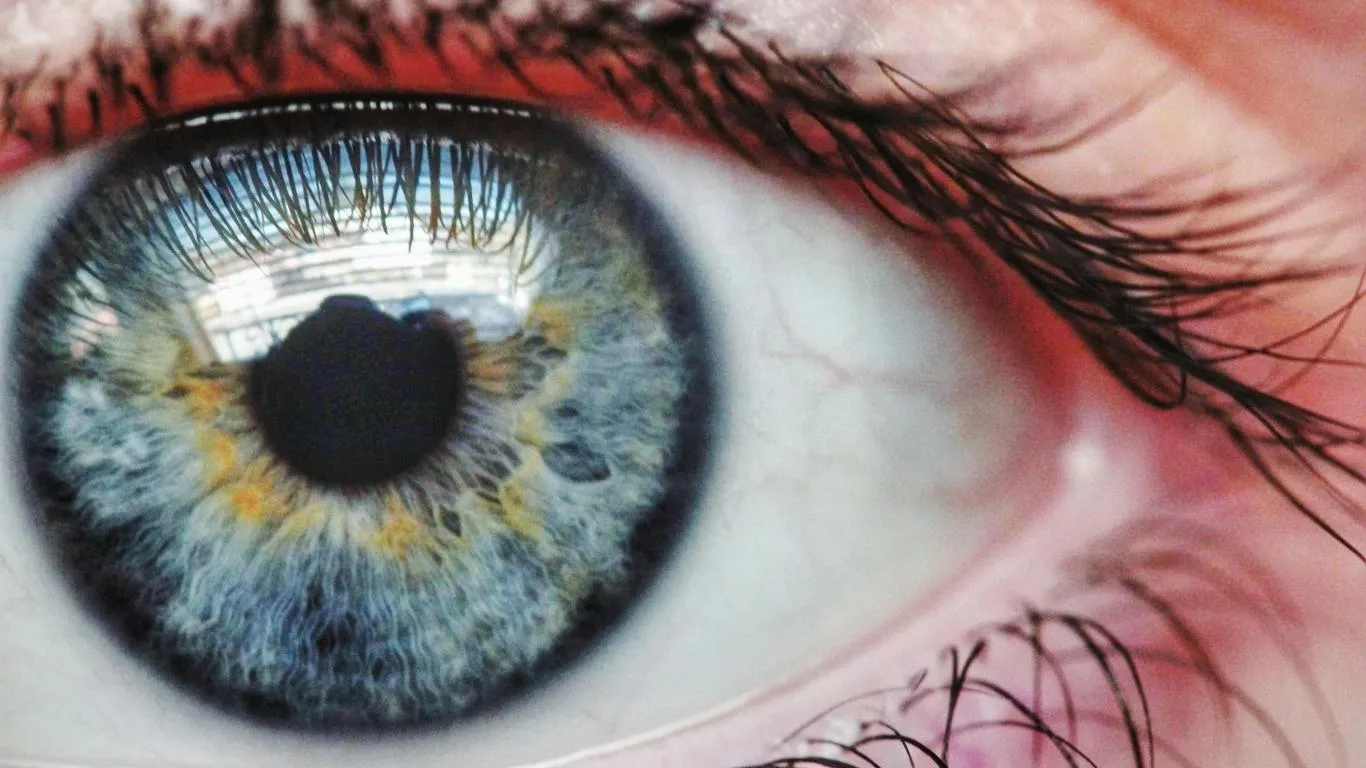
Floaters are those tiny specks, strings, or cloudy shapes that seem to drift through your vision—especially when you’re looking at something bright like a white wall or a clear blue sky. Most people experience them at some point, especially as they age. But when they appear after something like an eye infection, it raises a different set of questions.
What actually causes floaters? They originate in the vitreous, the gel-like substance that fills the eye. Over time, this gel shrinks and becomes stringy, casting shadows on the retina. Those shadows are what we see as floaters. Normally, it’s a part of aging. But sometimes, they’re triggered by other things—like infections, trauma, or inflammation.
And conjunctivitis, surprisingly, falls into that category—especially the more severe kinds.
Types of Conjunctivitis and How They Impact the Eye
Not all pink eye is created equal. You’ve got:
- Viral Conjunctivitis – The most common type, often linked with colds or respiratory infections.
- Bacterial Conjunctivitis – More aggressive, and if left untreated, can travel deeper into the eye.
- Allergic Conjunctivitis – Caused by irritants like pollen, dust, or pet dander.
Of these, viral and bacterial types are more likely to affect deeper structures of the eye. If the infection or inflammation reaches the vitreous—either directly or via inflammation of nearby tissues—it could set off changes in the vitreous gel. That’s where floaters may sneak into the picture.
Can Conjunctivitis Really Trigger Floaters?
Here’s what I found out from talking to an ophthalmologist and reviewing a few studies: yes, conjunctivitis *can* be associated with floaters, especially if it’s severe or complicated by other conditions. Inflammation inside the eye, known as vitritis, can lead to long-term floaters. While conjunctivitis primarily affects the outer eye, infections that go untreated or are particularly aggressive can move deeper. This is where problems start.
One case review published in the Journal of Ophthalmic Inflammation reported that inflammatory responses in the posterior segment—even in patients who initially had simple conjunctivitis—can lead to vitreous haze and eventual floater development. That’s rare, but not impossible. It’s also something many general practitioners might overlook.
In my own experience, those floaters didn’t show up until almost two weeks after my eye looked normal. They weren’t painful, but they were annoying—and persistent. That’s when I realized: it’s not just about treating conjunctivitis quickly. It’s about knowing what to watch for afterward.
When Floaters After Conjunctivitis Are More Than Just Annoying
If you’ve recently recovered from conjunctivitis and are now dealing with floaters, there are a few signs that should prompt a visit to an eye doctor:
- Sudden increase in floaters, especially if they come on fast.
- Flashes of light in your peripheral vision.
- Blurred vision or a “curtain” over your visual field.
These might point to more serious issues, like a posterior vitreous detachment or even a retinal tear—both of which have been linked to inflammation and floaters. For more information about these warning signs, check out this guide on when floaters might signal serious conditions.
Eye Infections and Inflammation: The Hidden Link
One of the less obvious truths is that eye infections—even those labeled “minor”—can unleash a cascade of inflammation inside the eye. This isn’t always visible from the outside. In some cases, the immune response can linger, leading to changes in the vitreous structure over time. For example:
- Immune cells enter the vitreous and clump together.
- Old infection residues can leave scar tissue that refracts light.
- Changes in the collagen structure of the vitreous occur due to inflammation.
This isn’t speculation—it’s been observed in multiple clinical contexts, particularly in conditions like uveitis. In fact, the overlap is close enough that if you’re noticing floaters after conjunctivitis, especially if it was severe, it’s worth investigating whether you had an underlying inflammatory condition to begin with.
There’s even evidence that some systemic diseases linked to immune dysfunction—like lupus or Sjögren’s syndrome—can first present as persistent eye issues. More on that in this deep dive into autoimmune disease and floaters.
Who’s at Higher Risk for Post-Conjunctivitis Floaters?
Based on what I’ve learned—and what many ophthalmologists agree on—certain groups are more vulnerable to developing floaters after a bout of conjunctivitis:
- Older adults – Because the vitreous naturally degenerates with age.
- People with chronic dry eye or prior eye trauma – The eye is more susceptible to post-infection complications.
- Those who wear contact lenses – Especially if hygiene isn’t perfect.
And here’s something surprising: people who’ve experienced even minor eye trauma during sports could also be at increased risk. Micro-damage to the retina or vitreous might not show symptoms immediately but could worsen after an infection adds stress to the eye.
When to See a Specialist (and What to Ask)
If you’re still seeing floaters a few weeks after your conjunctivitis cleared up, don’t brush it off. Seeing an ophthalmologist—especially a retinal specialist—can rule out more serious conditions. Here’s what you might ask:
- Could this be posterior vitreous detachment or something else?
- Should I have a dilated eye exam to check for retinal issues?
- Is there lingering inflammation causing these floaters?
Sometimes, just knowing that your symptoms aren’t “in your head” makes a huge difference. The doctor I saw confirmed that in my case, a mild vitritis had developed—likely from the infection—and the floaters would fade with time. And they mostly did. But I was glad I didn’t wait too long.
To understand the full scope of what eye floaters are and how they evolve, this comprehensive guide covers the basics and beyond.
Managing Floaters After Conjunctivitis: What Works and What Doesn’t
If you’re anything like me, once those floaters show up, the first instinct is to search for a quick fix. I tried everything from blinking exercises to staring at blank walls hoping they’d just disappear. Spoiler alert: most of those DIY tricks don’t actually work. But that doesn’t mean you’re out of options.
The good news is, in most cases, floaters fade or become less noticeable over time as your brain learns to ignore them. Still, depending on how much they affect your vision or your peace of mind, there are steps worth taking.
Non-Invasive Ways to Cope With Post-Conjunctivitis Floaters
- Hydration & Nutrition – I noticed a big difference when I started drinking more water and including more anti-inflammatory foods like leafy greens and omega-3s in my diet. Dehydration can make floaters more noticeable. Read more in this article on dehydration and floaters.
- Proper Lighting – Floaters are less visible in dim light. Adjusting lighting when reading or working on screens helped me reduce distractions from the shadows drifting across my vision.
- Limiting Screen Time – Long hours at a computer made the floaters stand out more. Taking regular breaks, following the 20-20-20 rule, and adjusting contrast settings helped ease the discomfort. More insights here: screen time and vision comfort.
Let’s be honest—none of this gets rid of the floaters entirely. But when your brain isn’t hyper-focused on them, they stop being front and center.
When You Want Floaters Gone: Medical Options
If floaters are affecting your quality of life, modern eye care offers several options:
- Observation – This is still the most common approach. Many floaters settle out of the visual axis with time.
- Vitrectomy – A surgical procedure where the vitreous (and floaters) are removed and replaced with a saline solution. It’s highly effective, but not without risks like retinal detachment or cataracts.
- Laser Vitreolysis – A less invasive treatment where a laser breaks up floaters, making them less visible. It’s not suitable for all types of floaters, and outcomes can vary.
I personally didn’t go this route, but I spoke to someone who had laser vitreolysis done after a particularly bad case of floaters following conjunctivitis. They said it helped a lot, but it took multiple sessions and a lot of trust in their eye specialist. If you’re considering this route, make sure to get a second opinion and go with someone experienced in treating post-inflammatory floaters.
For a complete look at all available floater treatments, this resource breaks them down clearly.
Could It Happen Again?
This was one of the questions I asked my doctor directly. If conjunctivitis caused floaters once, could it happen again?
The answer: potentially, yes—especially if the next infection is severe or involves the deeper parts of the eye. People who’ve had one episode of post-infectious vitritis are slightly more prone to future inflammatory responses, especially if underlying issues like autoimmune disorders or eye trauma are present.
It’s why regular eye exams are so important, even after something as “simple” as conjunctivitis. It’s also why I started taking my eye hygiene way more seriously:
- Never touch your eyes without washing your hands.
- Replace eye makeup frequently and never share it.
- If you wear contact lenses, follow strict cleaning routines and replace them on schedule.
I also started using preservative-free artificial tears on days when my eyes felt dry or irritated. It’s a small thing, but even small irritations can set off bigger problems if left unchecked.
Floaters and Hidden Conditions: What Else Could Be Going On?
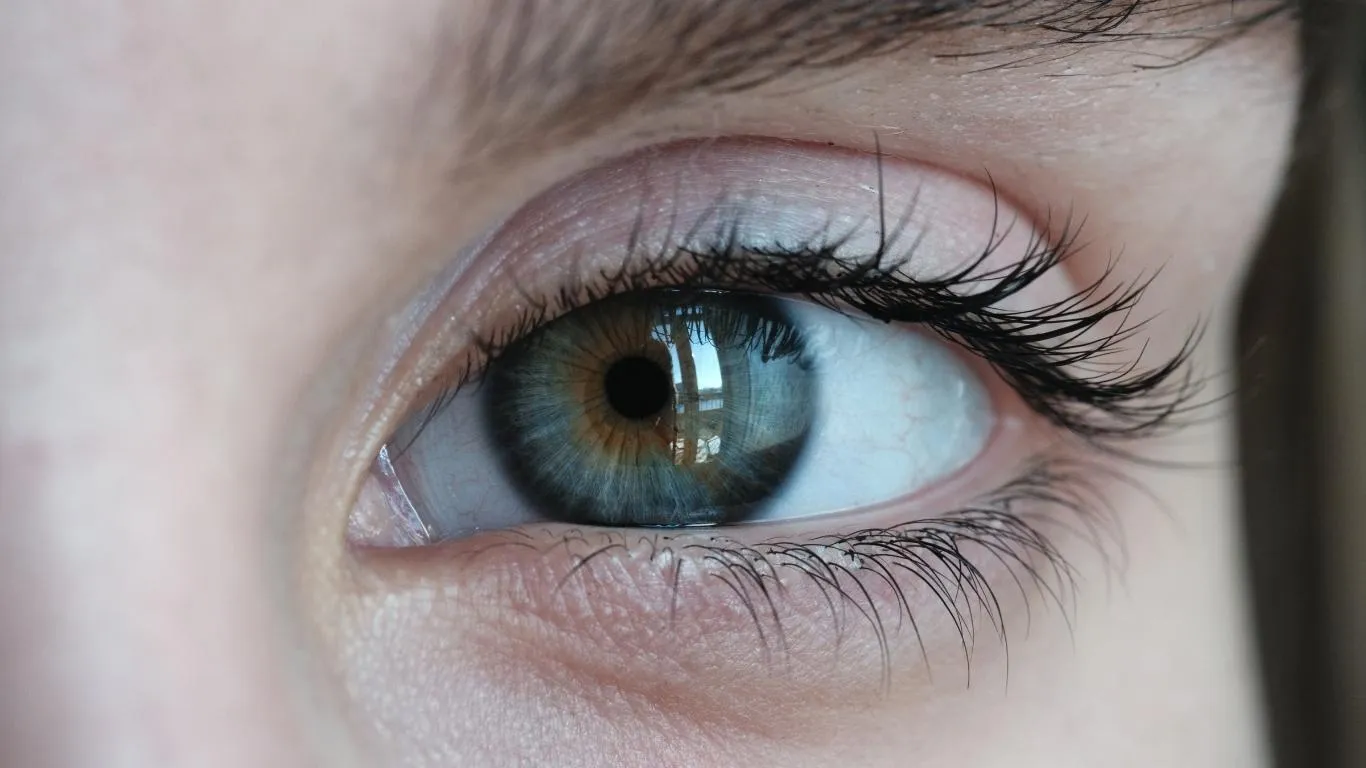
While in my case the floaters came after conjunctivitis, I couldn’t shake the feeling there might be more to it. A deeper dive into medical literature and forums revealed that sometimes floaters after eye infections aren’t just floaters. They can signal deeper issues:
- Uveitis – inflammation of the middle layer of the eye can be triggered by infections or autoimmune disorders.
- Viral eye infections like herpes simplex or zoster can impact the retina and leave behind scarring that manifests as floaters.
- Retinal tears – floaters accompanied by flashes might signal an impending tear, especially if there’s been inflammation in the eye.
If your floaters came after conjunctivitis but feel unusual—sharp lines, dark blobs, or rapidly increasing in number—it’s worth pushing for retinal imaging or even a fluorescein angiogram. Better safe than sorry.
What I Wish I Knew Sooner
Looking back, I underestimated how something as common as pink eye could lead to a months-long visual annoyance. I also didn’t realize how many people out there are silently dealing with post-infection floaters, brushing them off as just “one of those things.”
What helped most wasn’t just getting medical advice—it was understanding the why behind it all. Knowing how the eye reacts to inflammation, how fragile the vitreous can be, and how quickly minor infections can spiral when ignored was eye-opening (no pun intended).
If you’re trying to connect the dots between a recent case of conjunctivitis and those floaters you’re now seeing, you’re not imagining things. The connection is real, even if underreported. And with the right info, you can navigate it better than I did.
For a deeper look at the broader causes of floaters and how to recognize them early, this guide can help you catch them before they escalate.

Camellia Wulansari is a dedicated Medical Assistant at a local clinic and a passionate health writer at Healthusias.com. With years of hands-on experience in patient care and a deep interest in preventive medicine, she bridges the gap between clinical knowledge and accessible health information. Camellia specializes in writing about digestive health, chronic conditions like GERD and hypertension, respiratory issues, and autoimmune diseases, aiming to empower readers with practical, easy-to-understand insights. When she’s not assisting patients or writing, you’ll find her enjoying quiet mornings with coffee and a medical journal in hand—or jamming to her favorite metal band, Lamb of God.