Why Floaters After Head Trauma May Persist Even With Normal MRI
After I bumped my head pretty hard during a fall last year, I shrugged it off at first. No bleeding, no dizziness, and a few hours later I was back to scrolling on my phone like nothing had happened. But the next morning, these weird little specks started floating across my vision — almost like dust particles drifting underwater. Naturally, I panicked. A trip to the ER and a thorough MRI later? “Everything looks normal.” But the floaters didn’t go away. If you’re seeing floaters after a head injury but your MRI shows nothing abnormal, you’re definitely not alone.
Why Floaters Happen After Head Trauma
It’s kind of wild how a seemingly minor bump on the head can cause such a disruption in your vision. But here’s the thing — just because your brain scan is clear, doesn’t mean your eyes escaped untouched. One of the less obvious consequences of head trauma is something called posterior vitreous detachment (PVD). Sounds intimidating, but it’s actually pretty common — especially in adults over 40.
When the head takes a hit, the sudden movement can cause the gel-like vitreous inside the eye to pull away from the retina. That shift can create floaters — those squiggly shapes, spots, or cobweb-like strands that drift across your vision.
Why MRI Scans Miss Eye-Related Issues
MRIs are incredible for detecting major structural issues, bleeding, tumors, or inflammation in the brain. But they’re not exactly tailored for what’s going on in your eyeballs — especially not subtle changes in the vitreous. So if your neurologist says everything’s fine, they’re probably talking about your brain. Your eyes? That’s a different story.
This is where many people get stuck. The relief of a normal MRI is short-lived when floaters persist or even get worse. And the frustration of having something *clearly wrong* yet no obvious medical explanation? I’ve been there — it’s maddening.
Understanding the Vitreous and Its Role in Trauma
The vitreous humor (or simply vitreous) is a clear, gel-like substance that fills most of the inside of your eye. It’s firmly attached to the retina in youth, but as we age or when trauma occurs, the gel can liquefy or shift, tugging on the retina. That tugging can produce floaters, flashes, and in some cases — serious damage like retinal tears.
But here’s what often surprises people: trauma doesn’t have to be violent. Even a mild concussion or accidental bump can disturb the eye’s internal structure. That’s why it’s not uncommon to experience visual symptoms even when no other neurological signs are present.
- Floaters after trauma can appear days or even weeks after the injury.
- They may look like specks, strings, or translucent blobs.
- Often worse in bright light or when looking at a white screen or sky.
In some cases, you may also experience a flicker or brief flash of light. That’s another sign of the vitreous tugging on the retina — and should not be ignored.
Is It Always Posterior Vitreous Detachment?
Not always. While PVD is a common cause of floaters post-trauma, other possibilities exist:
- Microbleeds in the vitreous: Tiny blood vessels can rupture from sudden impact, releasing blood cells into the vitreous.
- Inflammatory response: The body reacts to trauma with inflammation, which can cloud vision temporarily.
- Debris from vitreous degeneration: Head trauma can accelerate pre-existing degenerative changes in the eye.
It’s important to recognize the signs of PVD and distinguish it from more serious retinal issues. If floaters are accompanied by peripheral vision loss, a curtain effect, or a sudden storm of new spots — that’s an emergency.
Seeing a Specialist — Not Just a Radiologist

In my case, I had to see a retina specialist to get actual answers. A dilated eye exam and OCT (optical coherence tomography) were far more insightful than the MRI ever was. Within minutes, they could see signs of vitreous movement — and thankfully, no tears or detachment.
Most people dealing with floaters after head trauma but a normal MRI end up in a diagnostic limbo. They’re shuffled between neurologists and general practitioners when what they really need is an experienced ophthalmologist or retina specialist.
Here’s what you should ask for:
- Dilated fundus exam
- OCT scan to assess retina and vitreous interface
- Visual acuity and field tests
Don’t accept “it’s just in your head” as an answer — unless it’s followed by a referral to the right kind of specialist.
Could This Get Worse Over Time?

That depends. If the floaters are due to a benign PVD, they may settle over time. But I’ve read enough studies (and heard enough stories) to know they can also linger for years. What’s more, in some cases they’re a warning sign of something brewing — like retinal thinning or early-stage lattice degeneration.
In fact, conditions like lattice degeneration often go unnoticed until a head injury triggers symptoms. So if your floaters persist or get worse, keep advocating for yourself. Floaters alone aren’t always dangerous, but they can be an early symptom of something that is.
For a deeper understanding of the underlying mechanisms, this comprehensive guide breaks down all the common causes, including trauma-induced changes. And if you want to learn how trauma compares with other causes, you might find this article helpful too.
According to experts at https://www.aao.org and https://www.ncbi.nlm.nih.gov, traumatic floaters — especially after minor incidents — are vastly underreported, and under-evaluated. The eye is fragile. Even if your skull protects the brain, your vitreous doesn’t have the same kind of armor.
What You Can Actually Do About It

Once I knew what was going on with my eyes, the next question was obvious: “So… now what?” There’s something oddly unsettling about being told “just wait it out.” If you’ve got floaters after head trauma, and your MRI says you’re fine, the waiting game can be both mentally and visually exhausting. But here’s what I learned the hard way — you do have options.
First, if the floaters are truly interfering with your quality of life, it’s worth discussing them with a retinal specialist — especially if they persist beyond 3–6 months. In many cases, you may simply adapt, but for some, intervention is worth considering.
1. Monitoring and Time
Many floaters caused by trauma-related PVD or minor hemorrhage settle out of your visual axis over time. The brain also has a neat way of learning to tune them out. It’s annoying, but about 80% of people adapt within a few months. I’d be lying if I said I don’t still notice mine in bright sunlight — but I’ve stopped fixating on them constantly.
2. Laser Vitreolysis
Some ophthalmologists offer laser treatment that targets and breaks up floaters. It’s minimally invasive, but not risk-free. Not everyone’s floaters respond well to it, especially if they’re too close to the retina. I considered this route, but after consulting a great overview of clinic-based options, I decided to wait it out longer.
3. Vitrectomy (Surgical Removal)
This is more invasive and usually reserved for severe cases where floaters are dense or significantly impairing vision. While effective, it does carry risks like retinal detachment or cataract formation — so it’s not the go-to for post-trauma floaters unless symptoms are extreme.
Still, some patients with persistent issues after trauma do benefit. Floaters from vitreous hemorrhage or post-concussive complications may not resolve naturally, and in those cases, a specialist might recommend it — especially if visual quality has taken a huge hit.
Daily Life Hacks: How I Managed the Frustration
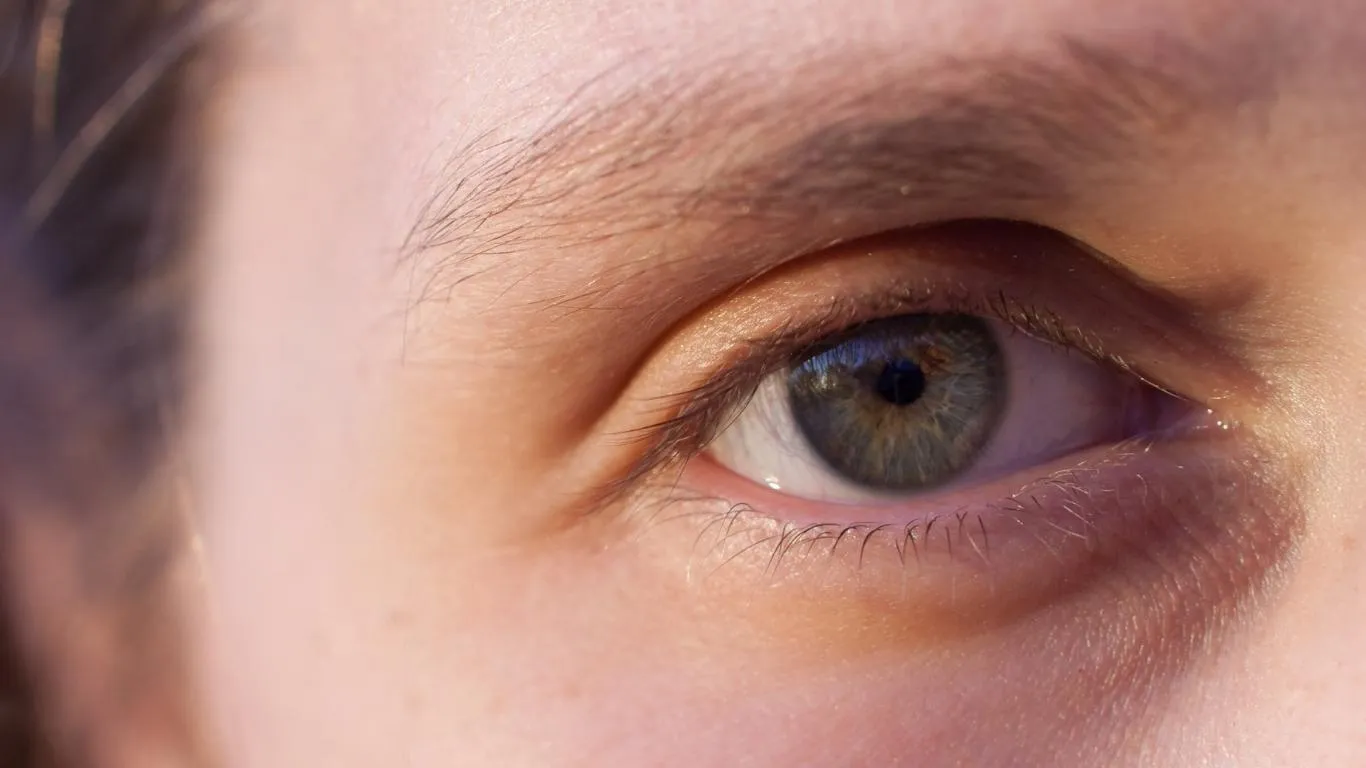
For a few months, I thought about floaters constantly. So I got obsessive about how I looked at things — which backgrounds made them pop out, which lights made them worse. Turns out, a few small adjustments made a big difference in how I coped day-to-day.
- Switch up your lighting: Bright white lights made the floaters unbearable. Warmer tones helped a lot.
- Use matte screens: That glossy monitor at work was practically a magnifying glass for floaters. Matte filters cut that down massively.
- Contrast management: White pages or screens were floaters’ best friends. I used dark mode or soft gray backgrounds whenever possible.
If screen time’s making it worse, I highly recommend checking out this guide on screen-induced floaters. Simple tweaks can genuinely make a difference.
The Emotional Side of Living With Floaters

Let’s be real — the emotional toll can sneak up on you. There’s no physical pain, no flashy diagnosis, but mentally? It gets heavy. I’d catch myself zoning out during conversations, just staring at those specks. Some days, I even questioned whether I was imagining things.
Turns out, I wasn’t alone. There’s growing recognition of the mental load this condition brings, especially for people whose symptoms follow trauma. One study even links persistent floaters to anxiety and sleep issues — which, ironically, can make floaters feel worse.
Some things that helped me mentally:
- Practicing “soft focus” — not chasing the floaters around with my eyes.
- Limiting screen time when the floaters felt overwhelming.
- Reminding myself they’re harmless — annoying, but harmless.
If you’re someone who’s especially sensitive to visual disruptions, floaters can feel isolating. But you’re not crazy. And no, it’s not “just in your head” — even if the MRI says so.
When You Should Push for Further Evaluation
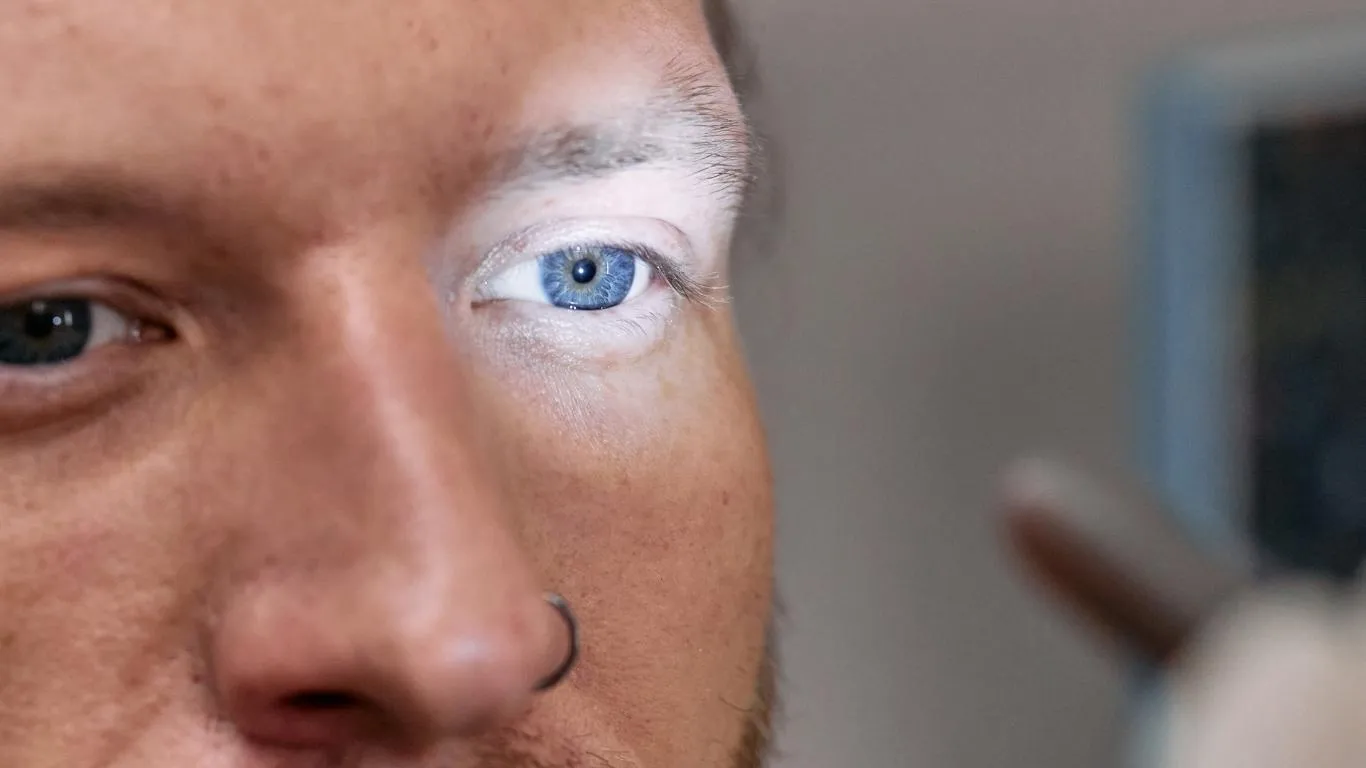
If it’s been weeks or months and things aren’t improving — or worse, new symptoms appear — don’t stop advocating for yourself. Some red flags that need attention:
- Sudden increase in floaters
- Flashes of light
- A shadow or curtain over part of your vision
- Blurry or distorted central vision
All of those could suggest retinal complications, even if your MRI looks fine. A good resource on recognizing those early signs is this article on retinal tears.
One of the more frustrating things about post-trauma floaters is how unpredictable they are. In my case, I didn’t get new ones — but the originals stuck around longer than expected. Still, I’m grateful they didn’t turn into something worse, like a detachment or hemorrhage.
Supporting Eye Health Naturally

I’m no fan of miracle supplements, but some changes did help me feel like I was doing something proactive. A few that stood out:
- Hydration: Dehydration made things feel worse. More water helped a lot.
- Antioxidant-rich foods: Blueberries, leafy greens, and citrus became staples.
- Less sugar and caffeine: I noticed floaters were more noticeable after coffee overloads. Found some science to support that too — see this caffeine and floaters guide.
There’s even some promising stuff on collagen support and floaters — more on that in this helpful article: collagen support and vitreous health.
For those curious about all the potential causes, I recommend this in-depth piece that helped me understand my condition better: Main Guide on Eye Floaters.

Camellia Wulansari is a dedicated Medical Assistant at a local clinic and a passionate health writer at Healthusias.com. With years of hands-on experience in patient care and a deep interest in preventive medicine, she bridges the gap between clinical knowledge and accessible health information. Camellia specializes in writing about digestive health, chronic conditions like GERD and hypertension, respiratory issues, and autoimmune diseases, aiming to empower readers with practical, easy-to-understand insights. When she’s not assisting patients or writing, you’ll find her enjoying quiet mornings with coffee and a medical journal in hand—or jamming to her favorite metal band, Lamb of God.