
Why Floaters After Scleral Buckle Surgery Might Be A Red Flag
I remember the first time I noticed those annoying squiggly lines drifting across my vision after my scleral buckle surgery. At first, I thought it was just my eyes adjusting. But weeks passed, and they didn’t go away. If you’ve been dealing with floaters after scleral buckle surgery, I know exactly how frustrating and confusing it can be. Are they normal? Are they dangerous? Or just something we have to learn to live with? Let’s break it all down.
Why Do Floaters Show Up After Scleral Buckle Surgery?

Scleral buckle surgery is often a necessary procedure to fix a retinal detachment, but it’s not without its post-op quirks. One of the most common? Eye floaters. These are those gray or black specs, cobwebs, or shadowy threads that drift across your field of vision, especially when looking at bright backgrounds.
The Science Behind It
Here’s what’s happening: the vitreous gel inside your eye can shift or change after the surgery. Since scleral buckle involves tightening the eye’s outer shell to push the retina back into place, this can lead to microscopic clumps forming in the vitreous or exacerbate pre-existing floaters.
And sometimes, that buckle puts just enough pressure to stir up some old debris in the eye, making it more noticeable. This is particularly true if you had any pre-op vitreous degeneration.
Normal or Concerning?
Here’s the good news: most post-buckle floaters are benign. But—and it’s a big but—you should always be alert for sudden increases in floaters, especially if they come with flashes of light or a curtain-like shadow in your peripheral vision.
According to the American Academy of Ophthalmology, those could be signs of a retinal tear or a new detachment. And yes, that can even happen after a buckle procedure if scar tissue pulls too hard on the retina again.
How Long Do Post-Surgery Floaters Last?

This is the question I kept Googling over and over—how long is this going to last? For some people, floaters after scleral buckle improve within a few weeks or months as the eye adjusts and inflammation settles down. For others (like me), they become the new normal but less noticeable over time.
- 1-3 weeks: Common adjustment period. Floaters are more visible due to healing inflammation.
- 1-3 months: Floaters typically stabilize. Most people stop noticing them as much.
- 3+ months: If floaters persist or increase, an eye exam is strongly recommended.
There’s also a strong link between new floaters and early signs of retinal damage, so don’t assume they’re always harmless. Trust your instincts if something feels off.
Can Scleral Buckle Itself Cause New Floaters?

Yep, it absolutely can. The pressure from the buckle can slightly distort the shape of your eyeball. While it’s usually not enough to cause serious issues, the structural shift can lead to more visible floaters—especially if the vitreous gel was already thinning due to age or previous eye issues.
Another thing many people don’t realize: buckle placement matters. If it’s positioned near certain retinal areas, it might disturb the vitreous more than expected. That’s why post-op checkups with your retinal specialist are so critical.
In my case, my ophthalmologist explained that my buckle slightly reshaped the posterior pole, leading to increased shadows and particles floating across my central vision.
When Are Floaters After Buckle Surgery a Sign of Trouble?
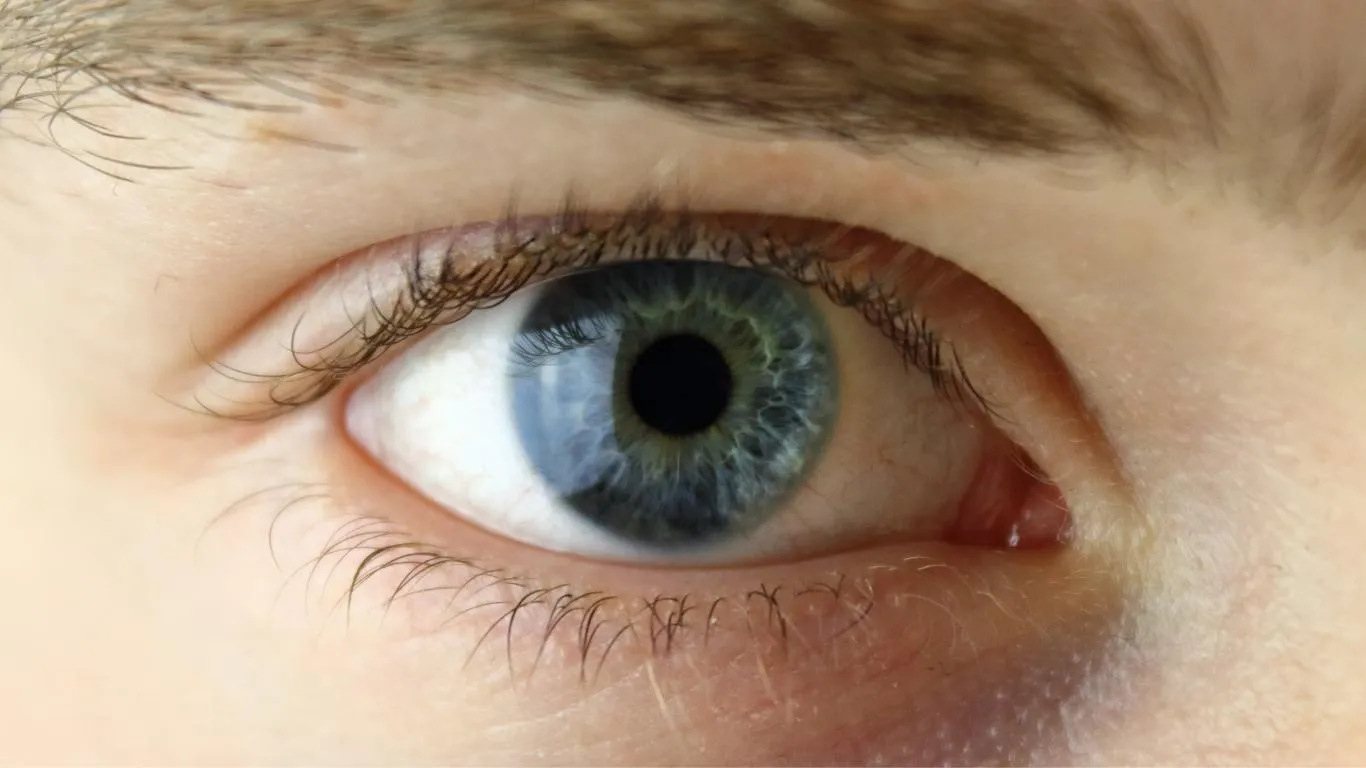
There’s a fine line between “normal” floaters and warning signs. If you’re suddenly seeing a snowstorm of floaters, flashes, or something like a gray curtain falling over your vision, get checked ASAP.
- Flashes of light: This could be the vitreous tugging on the retina.
- Sudden burst of floaters: May indicate a posterior vitreous detachment or new retinal tear.
- Shadow or curtain effect: Classic sign of retinal re-detachment.
Floaters that evolve this way should never be ignored. One of the most detailed guides on this is the posterior vitreous detachment article—it really helped me understand what to look out for.
Managing and Living With Floaters After Surgery

If you’re like me, you’ve probably stared at a white wall trying to track those little specs. And while surgery is rarely needed to remove floaters, there are a few ways to manage them:
- Move your eyes: This can shift the floaters out of your central vision temporarily.
- Change lighting: Dimmer or indirect light makes them less noticeable.
- Hydration: There’s ongoing discussion about how dehydration can worsen floaters.
Some people also swear by dietary adjustments or supplements, although the science is mixed. Still, for general eye health, it can’t hurt to keep your nutrition in check. PubMed has a few studies suggesting links between oxidative stress and vitreous degeneration—but we still need more conclusive research.
Also, this article on natural ways to manage eye floaters does a good job separating myths from reality. Some things helped me, others didn’t—but it was good to explore options.
If you’re looking for a full overview of floaters, causes, and treatments beyond post-buckle recovery, I’d recommend the broader main guide on eye floaters as well as the in-depth treatment article here.
Should You Be Worried About Persistent Floaters?

If you’re months out from your scleral buckle surgery and those floaters are still crashing your daily routine, it’s totally fair to ask: Should I be worried?
In most cases, no. Persistent floaters after a buckle don’t always mean something bad is happening. The eye goes through a lot during surgery—vitreous movement, inflammation, healing, pressure changes. Some floaters just… stick around. They become part of the visual background noise, and the brain often adapts to tune them out.
But there are some exceptions. If your floaters are changing shape, getting darker, or if you experience any peripheral vision issues—see your retina specialist. It might be rare, but issues like retinal re-detachment or vitreous hemorrhage can pop up months after the surgery.
When It’s More Than Just Floaters
Some of the warning signs I was told to look out for included:
- Persistent blurry patches that don’t move or shift like typical floaters
- Floaters accompanied by eye pain or pressure
- Reduced contrast sensitivity in dim lighting
These aren’t the classic floater symptoms and could be pointing to something like uveitis or vitreous inflammation. Articles like how uveitis triggers eye floaters provide solid context on this overlap.
When Surgery Becomes a Consideration

Most eye docs will tell you straight up—surgery for floaters is usually a last resort. But when it comes to floaters after scleral buckle, the game changes a bit.
In some cases, a particularly dense floater or cluster (especially if it’s stuck dead center in your visual field) might warrant intervention. I had one that would float right into the middle every time I tried to read. Maddening.
Vitrectomy: Risks vs Rewards
A pars plana vitrectomy removes the vitreous entirely. It’s often effective, but comes with real risks—retinal tears, infection, cataract acceleration. Not to mention, if you’ve already had retinal surgery like a buckle, your eye might be more fragile.
This detailed breakdown of eye floater treatments walks through surgical options versus observational care, and it’s one I found helpful when weighing my options.
Laser Vitreolysis: A Middle Ground?
There’s also laser vitreolysis, which is less invasive than vitrectomy. A laser breaks up floaters into smaller, less noticeable fragments. The catch? It doesn’t work on all types of floaters and is less commonly performed after retinal procedures like a buckle. But if you’re a candidate, it might be worth discussing.
Just be sure your specialist has real experience with post-buckle floaters. The anatomy is a little different after surgery, and you don’t want someone treating your eye like a generic case.
Can Lifestyle or Supplements Help?

I’ll be honest—I’m not big on miracle pills. But once I hit month four of seeing those specks constantly, I started experimenting with diet and supplements. Nothing dramatic happened, but I did notice some general eye comfort improvements.
There’s still debate on how effective things like vitamin C, lutein, zinc, and omega-3s are for floaters specifically. But for overall eye health? Definitely worth trying. Just don’t expect them to make the floaters disappear overnight.
If you’re looking into this, the article on nutrition habits and floaters gives a fair, non-hyped breakdown of what actually matters.
Simple Habits That Actually Help
- Stay hydrated: A small but noticeable change for some people
- Limit screen time: Especially in low light conditions—it amplifies floater contrast
- Take breaks: The old 20-20-20 rule helps reduce eye strain, making floaters less noticeable
There’s also the reality that excessive screen time might exacerbate visual disturbances. This was totally true for me—when I cut down screen time at night, my floaters weren’t magically gone, but they definitely bothered me less.
Is It Safe to Ignore Them?

Here’s the honest truth: if your floaters after scleral buckle aren’t getting worse, aren’t blocking your vision, and aren’t coming with warning signs—yes, you can probably ignore them.
Not in the “pretend they don’t exist” kind of way. But in the “your brain will adapt” way. Our minds are surprisingly good at tuning out constant visual noise, just like it does with the nose in your peripheral vision or a consistent hum in the background.
I still see mine. Especially in bright rooms or while driving. But they don’t control my focus anymore. Most days, I barely notice them at all—unless I stop and go looking.
If you’re looking for a broader understanding of causes beyond the surgery, check out this helpful article on common causes of floaters. It offers a full perspective for anyone experiencing them long-term.
And if you’re still early in your recovery and want an overall overview, the main explainer on what eye floaters are remains one of the best places to start.

Camellia Wulansari is a dedicated Medical Assistant at a local clinic and a passionate health writer at Healthusias.com. With years of hands-on experience in patient care and a deep interest in preventive medicine, she bridges the gap between clinical knowledge and accessible health information. Camellia specializes in writing about digestive health, chronic conditions like GERD and hypertension, respiratory issues, and autoimmune diseases, aiming to empower readers with practical, easy-to-understand insights. When she’s not assisting patients or writing, you’ll find her enjoying quiet mornings with coffee and a medical journal in hand—or jamming to her favorite metal band, Lamb of God.