Why Floaters Forming After Laser Eye Treatments May Worsen Vision
Honestly, I never thought much about floaters until a few days after my LASIK procedure. I was expecting clear, crisp vision, not these annoying little specs darting around my line of sight. I brushed it off at first—figuring it was just part of the healing process. But when they didn’t go away, curiosity (and let’s be real, a bit of concern) got the better of me. Turns out, I wasn’t alone. A surprising number of people experience floaters forming after laser eye treatments, and not enough folks are talking about it openly.
Why Do Floaters Show Up After Laser Eye Treatments?
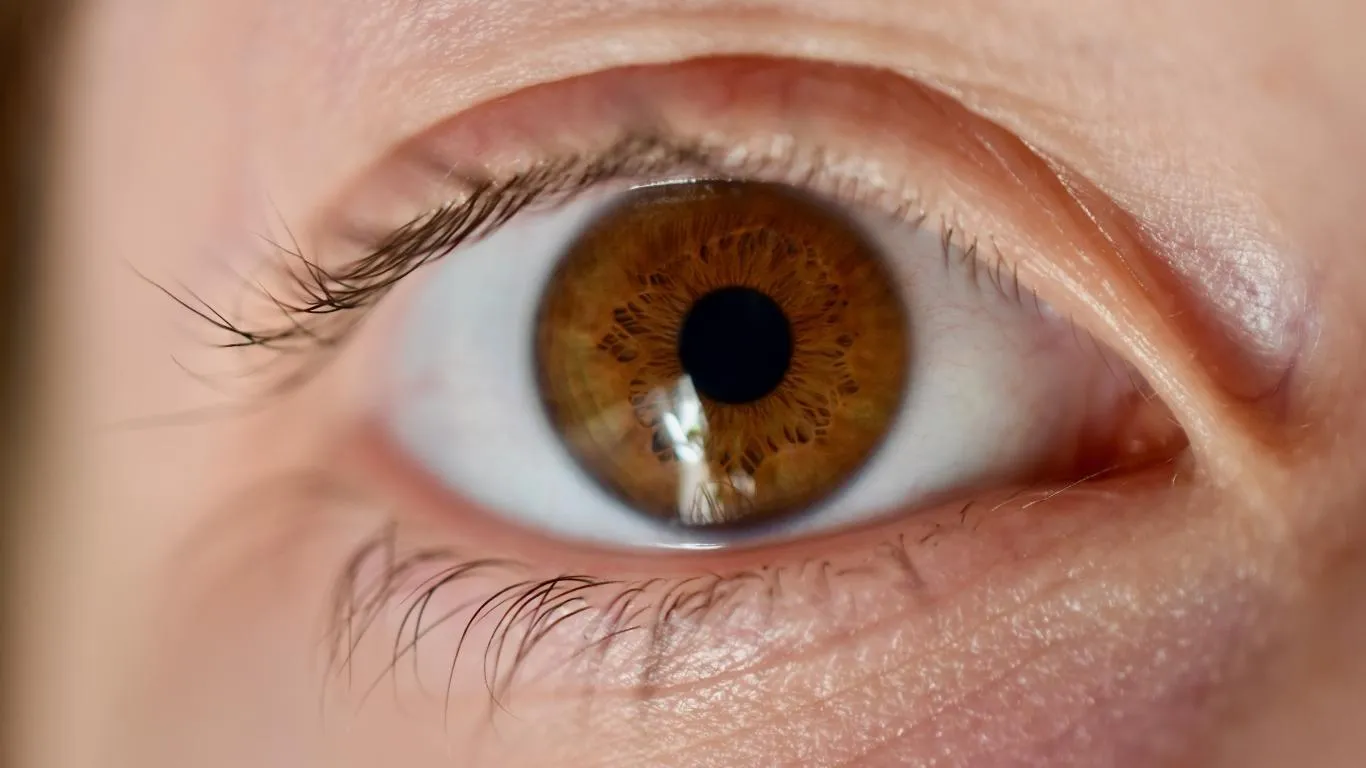
Laser eye treatments like LASIK, PRK, and retinal laser therapy are generally safe and incredibly effective. But for some people, floaters sneak in afterward—and it can be unnerving. These floaters are usually tiny clumps of gel or cells inside the vitreous, the clear gel-like substance that fills the eye. When laser energy interacts with the eye’s internal structures, it may accelerate changes in this gel, causing it to liquefy or detach from the retina—cue the floaters.
Common Types of Lasers That May Be Involved
- LASIK (Laser-Assisted In Situ Keratomileusis) – for vision correction
- PRK (Photorefractive Keratectomy) – an alternative to LASIK
- YAG laser capsulotomy – often used after cataract surgery
- Laser photocoagulation – for treating diabetic retinopathy and retinal tears
Of these, retinal laser treatments and YAG procedures seem to carry a slightly higher risk for triggering vitreous changes that lead to floaters.
Is It Normal or Should You Be Concerned?

Some floaters after laser eye treatments are harmless and fade over time. But not always. I had a brief scare where my floaters increased rapidly and were accompanied by flashes of light—which, by the way, is a red flag for retinal detachment. I was lucky. No detachment, but I did learn to never ignore changes in vision. You shouldn’t either.
Here’s when to see an eye specialist immediately:
- Sudden increase in the number or size of floaters
- Flashes of light in your peripheral vision
- A dark shadow or curtain over part of your visual field
- Loss of peripheral vision
If any of that sounds familiar, check out this post on how floaters can precede retinal tears.
Understanding the Role of Vitreous Changes

The vitreous doesn’t stay the same throughout life—it changes, especially after age 40. That’s why laser eye procedures performed in older adults may trigger age-related vitreous changes more easily. Even subtle shifts during surgery can cause the vitreous to pull away from the retina, known as posterior vitreous detachment (PVD). It sounds scarier than it is, but it’s the leading cause of new floaters in adults, especially after procedures involving lasers or intraocular manipulation.
For a deeper dive into what PVD really means, I highly recommend this guide on posterior vitreous detachment.
Laser Eye Treatment Patients at Higher Risk

While anyone undergoing laser procedures might notice floaters afterward, certain groups seem to be more susceptible:
- Patients over 40 – vitreous starts breaking down naturally
- People with high myopia (nearsightedness) – increased risk of retinal issues
- Those with previous eye surgeries – cataract surgery in particular
- Patients with systemic conditions like diabetes or autoimmune disease
If you’re highly myopic, this piece on how floaters affect high myopia patients is a must-read.
What Doctors Don’t Always Tell You (But Should)
Here’s a little transparency: not every clinic will tell you that floaters can develop after treatment. It’s technically a “minor” side effect—but it’s not minor when you’re the one seeing webs and specs float through your vision every time you glance at a white screen.
The truth is, floaters forming after laser eye treatments aren’t always avoidable, but knowing your risk and tracking changes post-op can go a long way. I used to think floaters were just annoying. Now, I view them as messages from my eyes. Slightly cryptic messages, sure—but still worth listening to.
For those newly navigating this floaters journey, it’s worth checking out this essential guide on eye floater treatments that range from doing nothing to laser vitreolysis and vitrectomy. Also, the main pillar article on causes and treatment lays a strong foundation if you’re just starting to understand what’s going on.
And if you’re really curious about why these tiny specks get worse under certain conditions, this article on sunlight and floaters is shockingly relatable.
External Resources Worth Exploring
- American Academy of Ophthalmology – Up-to-date guidelines and patient resources
- PubMed – Peer-reviewed research on floaters and laser treatment
- NHS – Trusted advice on laser eye surgery and post-op vision changes
Can Floaters Be Treated After Laser Eye Surgery?
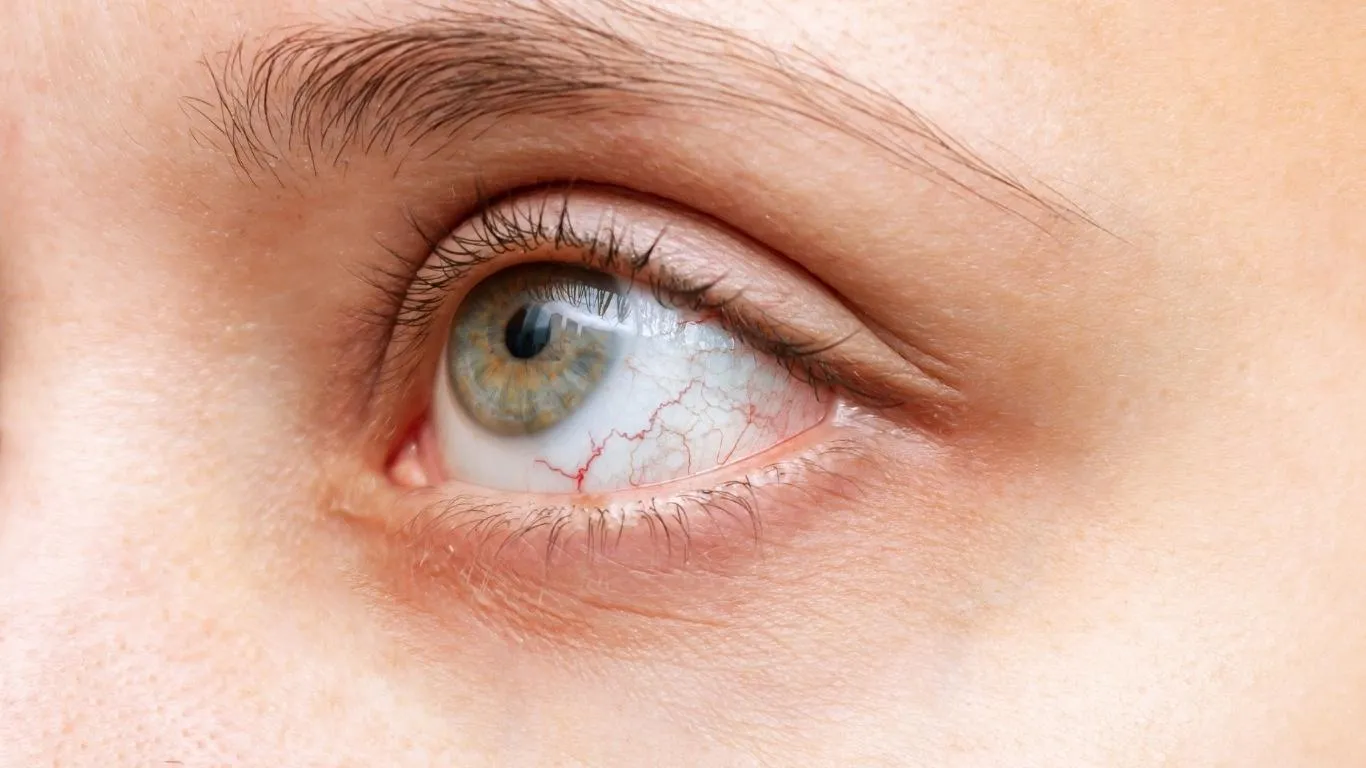
Let’s be real—if you’ve had floaters after laser eye treatments, you’ve probably Googled every possible way to get rid of them. I did. It started as curiosity, but it turned into frustration. Doctors kept saying, “You’ll get used to them.” Well, sure, some floaters fade into the background over time, but not all do. And not everyone wants to just “live with it.”
The good news? There are options—but it’s important to understand what’s worth pursuing and what’s more hype than help.
1. Observation (Yep, Just Waiting It Out)
Annoying? Definitely. But for many, floaters fade or become less noticeable as your brain adapts. If your floaters aren’t too disruptive and your retina is healthy, your ophthalmologist might recommend patience. And honestly, sometimes that’s all it takes.
If your floaters suddenly increase or worsen, especially after laser procedures like PRK or LASIK, you should explore whether they’re tied to underlying causes. Here’s a look at why floaters after LASIK can persist.
2. Vitreolysis – Laser Treatment for Floaters
Yes, another laser—but this one specifically targets floaters. It’s called YAG laser vitreolysis. The laser breaks floaters into smaller, less visible fragments. Sounds great, right? Here’s the catch—it doesn’t work for everyone.
Success depends on the type, size, and location of your floaters. Large floaters in the center of your vision? You might see some relief. Small, scattered floaters? Not so much.
Also, many eye doctors are still cautious about recommending this unless the floaters severely impact your quality of life. And for good reason. While complications are rare, they’re possible. So make sure your specialist has experience with YAG vitreolysis before committing.
3. Vitrectomy – The Heavy-Duty Option
This is surgery to remove the vitreous entirely—yes, the whole gel inside your eye—along with the floaters. Sounds extreme, and honestly, it is. But it works. The floaters are gone. The downside? You’re replacing the vitreous with a saline solution, and there’s a risk of retinal detachment, infection, or cataract formation (if you haven’t had them yet).
I’ve heard from people who say it changed their life—for the better. But others wish they’d never gone through with it. Bottom line: it’s usually a last-resort option.
Want to compare treatment options in more depth? This guide breaks down all floater treatments and who they’re best for.
Do Supplements and Natural Remedies Help?
Let’s talk about the herbal teas, vitamins, eye drops, and YouTube eye yoga videos. I tried some of them. Maybe you have too. While the science isn’t bulletproof, some people genuinely feel a difference with lifestyle adjustments and nutritional support.
Best Supplements for Vitreous Health
- Lutein and Zeaxanthin – great for overall eye health
- Vitamin C and E – antioxidants that support collagen and tissue integrity
- Omega-3 fatty acids – helpful in managing dry eyes, which can make floaters more noticeable
- Magnesium – low levels are linked to eye strain and floaters in some studies
If you’re thinking of trying supplements, this breakdown on the best supplements for floaters can help you avoid wasting money on snake oil.
Real Tips That Helped Me Cope
What worked for me might not be magic, but it helped. And it didn’t cost thousands.
- Blue light filter glasses – seriously reduced how much I noticed floaters on screens
- Mindful eye breaks – every 20 minutes, I look 20 feet away for 20 seconds
- Avoiding bright white backgrounds – switched to darker themes on all my devices
- Hydration – my floaters seem worse when I’m dehydrated (and research backs this up)
Here’s a helpful read on sunlight exposure and floaters—especially relevant if you work outdoors or in bright spaces.
What If Floaters Get Worse Months Later?
One thing I didn’t expect? New floaters showing up months after my surgery. Just when I thought everything had stabilized, a few more shadowy specs appeared. I thought I was imagining it. But nope, it’s a real phenomenon—and it’s not uncommon.
The vitreous can continue shifting for months, especially if your laser eye treatment caused even subtle changes. Sometimes, these late-onset floaters are triggered by unrelated events like eye rubbing, intense physical activity, or even something as simple as dehydration or poor sleep.
If you’re in this boat, don’t panic—but do monitor the changes and check with your eye doctor if things escalate.
Can You Prevent Floaters After Laser Eye Treatments?

Here’s the honest answer: not entirely. But you can reduce your risk or at least avoid making things worse.
Smart Post-Laser Habits
- Follow your surgeon’s post-op instructions like your eyesight depends on it—because it does.
- Avoid heavy lifting or straining in the days after your procedure.
- Don’t rub your eyes. I know it’s tempting. Don’t.
- Stay hydrated and avoid bright light exposure during the healing period.
Want to get ahead of things? This overview on common causes of floaters is packed with helpful context.
Resources for Dealing with Floaters Long-Term
It’s easy to feel overwhelmed when your vision isn’t behaving. Whether you’re six days or six months post-laser, tracking changes and understanding what’s normal helps calm the nerves. I started journaling my symptoms, and not only did it give me peace of mind—it gave my eye doctor a useful timeline.
If floaters are impacting your mental health or daily life, there are ways to take back control. Try these strategies for relieving stress-induced floaters, or learn about how to track floater changes properly.
You can also revisit the foundational main pillar article for a full understanding of what’s going on behind the scenes.
External Trusted Resources
- American Academy of Ophthalmology – Trusted insights into eye surgery outcomes
- NHS – Simple explanations and patient advice
- PubMed – Clinical studies on floaters and laser interventions

Camellia Wulansari is a dedicated Medical Assistant at a local clinic and a passionate health writer at Healthusias.com. With years of hands-on experience in patient care and a deep interest in preventive medicine, she bridges the gap between clinical knowledge and accessible health information. Camellia specializes in writing about digestive health, chronic conditions like GERD and hypertension, respiratory issues, and autoimmune diseases, aiming to empower readers with practical, easy-to-understand insights. When she’s not assisting patients or writing, you’ll find her enjoying quiet mornings with coffee and a medical journal in hand—or jamming to her favorite metal band, Lamb of God.