Why Floaters in Extreme Athletes or Climbers May Signal Eye Trouble
Let me tell you—there’s nothing more unnerving than being halfway up a cliff face, sun blazing, focus razor-sharp, when suddenly—bam—those drifting, ghost-like spots invade your vision. If you’ve ever pushed your body to its limits, whether you’re scaling peaks or crushing endurance records, you might’ve noticed something peculiar in your eyes. Yeah, I’m talking about floaters. As an amateur climber with a few altitude stories under my belt, I’ve seen these floaters pop up when I least expected them. Turns out, it’s more common than we think among extreme athletes and climbers.
What Are Floaters and Why Do They Target High-Performing Athletes?
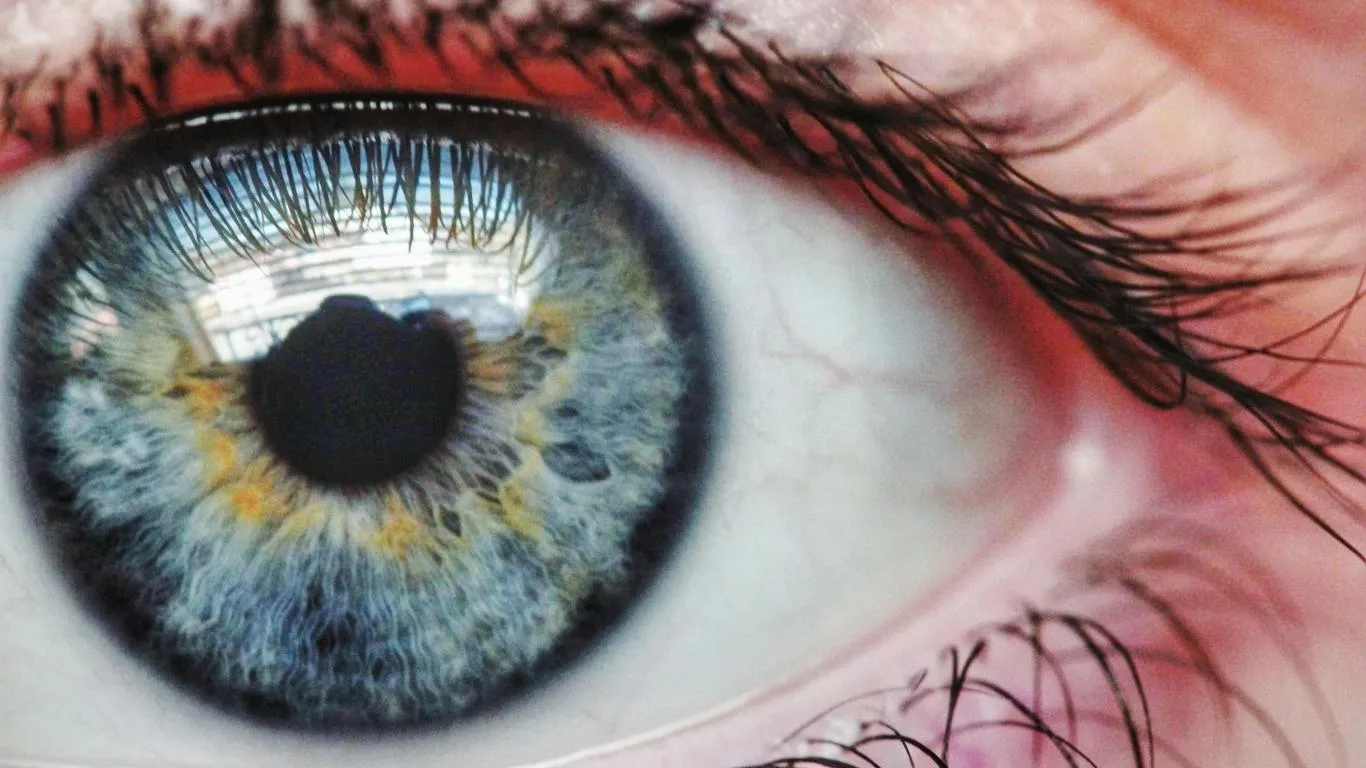
Floaters are those tiny shapes or cobweb-like shadows that drift across your vision, especially visible when you look at a bright, clear sky or a snowy mountain slope. These are tiny clumps of collagen fibers within the vitreous—the jelly-like substance in your eye.
For most people, they’re harmless and just a part of aging. But for extreme athletes, they can become more frequent, more noticeable, and frankly, more annoying.
Altitude, Hypoxia, and Eye Floaters
Anyone who’s climbed above 10,000 feet knows the body reacts in wild ways. Hypoxia (low oxygen levels) isn’t just a threat to your muscles—it can also impact your vision. Lack of oxygen affects the retina, possibly causing worsening floaters at high altitudes.
When I summited my first 14er in Colorado, I was shocked at how much visual static I was seeing. Turns out, the retina and vitreous can become more sensitive in thin air, increasing the visibility of floaters or even introducing new ones.
Eye Pressure Fluctuations During Intense Physical Exertion
Another sneaky cause? Pressure changes inside the eye. During strenuous activity, especially during sudden movements or upside-down maneuvers (like in bouldering or inverted yoga), intraocular pressure can fluctuate dramatically.
- Rapid blood flow changes
- Spikes in ocular pressure during intense exertion
- Jarring head movements common in mountain biking or trail running
All of these can cause micro-tears in the vitreous, which is one of the known triggers for floater formation. According to American Academy of Ophthalmology, floaters may appear suddenly after such events.
Dehydration, UV Exposure, and Other Extreme Environment Triggers
Let’s talk dehydration. Long climbs, desert trails, or alpine hikes can suck the moisture out of your body. The vitreous is made mostly of water, and when you’re dehydrated, it loses volume. That shrinking effect can pull on the retina, increasing the likelihood of seeing floaters. If you’ve ever ignored hydration during an 8-hour trek, you might know what I mean.
Also, consider UV light exposure. Constant squinting into sunlight while snowboarding or summiting without adequate eye protection could damage retinal cells over time, indirectly contributing to floater intensity.
Endurance Sports and Oxidative Stress
Pushing your body too hard—marathons, Ironmans, or multi-day alpine expeditions—produces massive amounts of oxidative stress. Your body is literally in a state of controlled inflammation.
This stress doesn’t spare your eyes. It accelerates collagen breakdown in the vitreous and makes floaters more noticeable. Some extreme climbers have even reported seeing new floaters after minor eye trauma from wind, snow, or dust.
The Role of Head Trauma and Micro Injuries
This one hits close. During a climb in Red River Gorge, I slipped and banged my head—helmet on, thankfully. But in the days after, I noticed a few new floaters dancing in my periphery. Mild concussions or repeated head impacts—common in sports like mountain biking, MMA, or parkour—can cause posterior vitreous detachment or retinal stress.
According to ophthalmologists, these changes might not be immediate, but they can evolve over time. That’s why many extreme sports enthusiasts report seeing new floaters weeks after an incident. It’s smart to check for signs like floaters before a retinal tear.
Why Ignoring Floaters Could Be Risky
- If you see a sudden storm of floaters, it might signal a retinal detachment.
- Flashes of light or loss of peripheral vision = see an eye specialist, fast.
- Persistent new floaters post-impact need evaluation.
Too many of us brush it off as “just the sun” or “just tired.” But that delay could risk long-term vision damage, especially when paired with dehydration or altitude changes.
How Floaters Affect Performance and Confidence
Let’s get real. When your vision is off, your performance suffers. I’ve had moments when I hesitated before a jump or a reach, second-guessing whether it was a floater or something in the terrain. In sports where timing is everything, a fraction-of-a-second delay is all it takes to botch a move—or worse, get injured.
Floaters can also mess with mental focus. The constant awareness of those specs moving around can drain your concentration. Many endurance athletes report higher stress and visual fatigue when dealing with frequent floaters during daylight runs or climbs.
When to Worry—and What to Watch For
Some floaters come and go. Others linger. It’s important to distinguish:
- Are they increasing rapidly?
- Do they come with pain or light flashes?
- Are they affecting both eyes or just one?
These patterns matter. If any red flags pop up, reviewing this guide on dangerous signs of eye floaters might help you decide when to seek care. And for a complete understanding of the root causes and treatment paths, refer to the main eye floaters pillar article and the detailed breakdown at common causes of eye floaters.
Managing Floaters Without Losing Your Edge
When you’re deep into extreme sports, downtime isn’t always an option. But those floaters? They don’t care if you’re prepping for a summit or halfway through an Ironman. So, what can you actually do to keep floaters from messing with your performance?
Here’s what I—and a bunch of fellow climbers and endurance junkies—have figured out after a few too many sessions interrupted by floating shadows.
Hydration Isn’t Just About Muscles—It’s About Vision
Sounds basic, but hear me out: dehydration thickens the vitreous, making floaters more noticeable. On long climbs or desert runs, I’ve made hydration a non-negotiable. Electrolyte packs, water-heavy fruits (especially watermelon or cucumber), and timed water breaks during hikes help keep things in balance.
Even short-term dehydration can trigger symptoms. Studies like the one from NCBI confirm that ocular structures respond poorly to fluid loss, especially under stress. Keep it flowing—your eyes will thank you.
Protecting Eyes from UV Damage at Altitude
Floaters can become more noticeable in bright light. Glare from snow or rock faces makes them stand out even more. That’s why I always use polarized sunglasses with high UV protection when I’m outdoors.
And if you’re like me and you’ve dealt with altitude-related floaters, this UV-related floater issue should be on your radar. Blocking intense light can reduce floater visibility—and maybe slow down further degeneration too.
Supplements, Nutrition, and Eye-Friendly Fuel
I’ve always been a minimalist with supplements, but after floaters started interfering during a particularly steep climb in Peru, I caved. Turns out, a few key nutrients support eye clarity:
- Lutein & Zeaxanthin: Found in leafy greens, these help filter blue light and protect the retina.
- Omega-3s: Reduce inflammation in eye tissues. I’ve leaned on flaxseed oil and wild salmon.
- Vitamin C & E: Antioxidants that protect collagen in the vitreous.
Some folks swear by specific eye floater supplements, and while results vary, it’s worth trying if floaters are persistent and impacting performance.
Foods That’ve Helped Me Personally
- Spinach smoothies with chia seeds and almond milk
- Eggs with avocado toast (hello, lutein and healthy fats)
- Blueberries and walnuts for mid-climb snack energy
These aren’t magic bullets, but they help maintain the health of the vitreous—and that means less visual static during action.
Are There Exercises That Actually Work?
This one’s controversial. Eye exercises won’t erase floaters, but some climbers and runners I’ve met swear by routines that help with eye focus and fatigue. I use a basic routine when I feel visual fatigue creeping in:
- 20-20-20 Rule: Every 20 minutes, look at something 20 feet away for 20 seconds.
- Eye Rolling: Slowly roll your eyes in circular motion to stretch ocular muscles.
- Palming: Rub your hands together, then gently cup them over your eyes for relaxation.
If you’re curious about more guided techniques, check out this eye exercise guide for floaters. It’s helped me stay sharp, especially on multiday climbs where screen-free rest isn’t always possible.
When You Should Actually See a Specialist
Not all floaters are created equal. Most are harmless—but not all. If you suddenly experience:
- Flashes of light (like lightning in your vision)
- A curtain-like shadow blocking part of your view
- Rapid increase in number or density of floaters
It might signal something serious like a retinal tear or detachment. I had a climbing buddy ignore these symptoms and ended up needing emergency laser treatment. Don’t gamble with your sight—especially if your sport depends on it.
This guide on eye floaters from sports-related eye injuries is a solid place to start if you’re unsure whether that new floater is routine or risky.
Exploring Professional Treatments (If It Gets That Bad)
If floaters begin to severely interfere with training or competing, there are professional options:
- Laser Vitreolysis: A non-invasive laser breaks up floaters into smaller pieces.
- Vitrectomy: Surgical removal of the vitreous. High risk, but highly effective.
These aren’t first-line solutions. But for high-performance athletes who rely on split-second clarity, it might be worth exploring. You’ll find more on the pros and cons in this treatment-focused guide.
My Experience Weighing Treatment Options
I never went through with a procedure, but after a consultation, I felt better knowing the option existed. Just having a game plan, even if it’s your Plan Z, can give you peace of mind during competitions or extended treks.
Protective Habits for Long-Term Visual Health

Let’s be honest—there’s no guarantee floaters won’t show up again. But you can lower your chances of them becoming a constant visual distraction:
- Wear wrap-around sunglasses on snow, water, and high-altitude climbs
- Stay hydrated and supplement smartly
- Protect your head: helmets for biking, climbing, or snowboarding are non-negotiable
- Listen to your body: fatigue and floaters often arrive together
My goal is to keep doing what I love—without those gray blobs dancing across my vision. It’s possible, but it takes a little awareness, a few changes, and staying on top of your eye health like you would your nutrition or mobility work.
For a deeper look at all floater-related causes, visit this main eye floater resource and take a scroll through natural ways to manage floaters that might surprise you with what actually works.

Camellia Wulansari is a dedicated Medical Assistant at a local clinic and a passionate health writer at Healthusias.com. With years of hands-on experience in patient care and a deep interest in preventive medicine, she bridges the gap between clinical knowledge and accessible health information. Camellia specializes in writing about digestive health, chronic conditions like GERD and hypertension, respiratory issues, and autoimmune diseases, aiming to empower readers with practical, easy-to-understand insights. When she’s not assisting patients or writing, you’ll find her enjoying quiet mornings with coffee and a medical journal in hand—or jamming to her favorite metal band, Lamb of God.