Why Floaters Severity In Diabetic Patients Signals Vision Risk
Ever stared at a bright sky or a plain wall and caught those squiggly little shadows drifting across your vision? Yeah, me too. At first, I didn’t think much of them. Floaters, right? Harmless. But things took a turn when my mom—who has had type 2 diabetes for over a decade—started noticing her floaters were getting worse. They weren’t just annoying anymore; they were messing with her day-to-day life. That’s when we realized these floaters could actually mean more in the context of diabetes, especially when it comes to the severity of the condition.
What Exactly Are Eye Floaters, and Why Diabetics Should Pay Close Attention
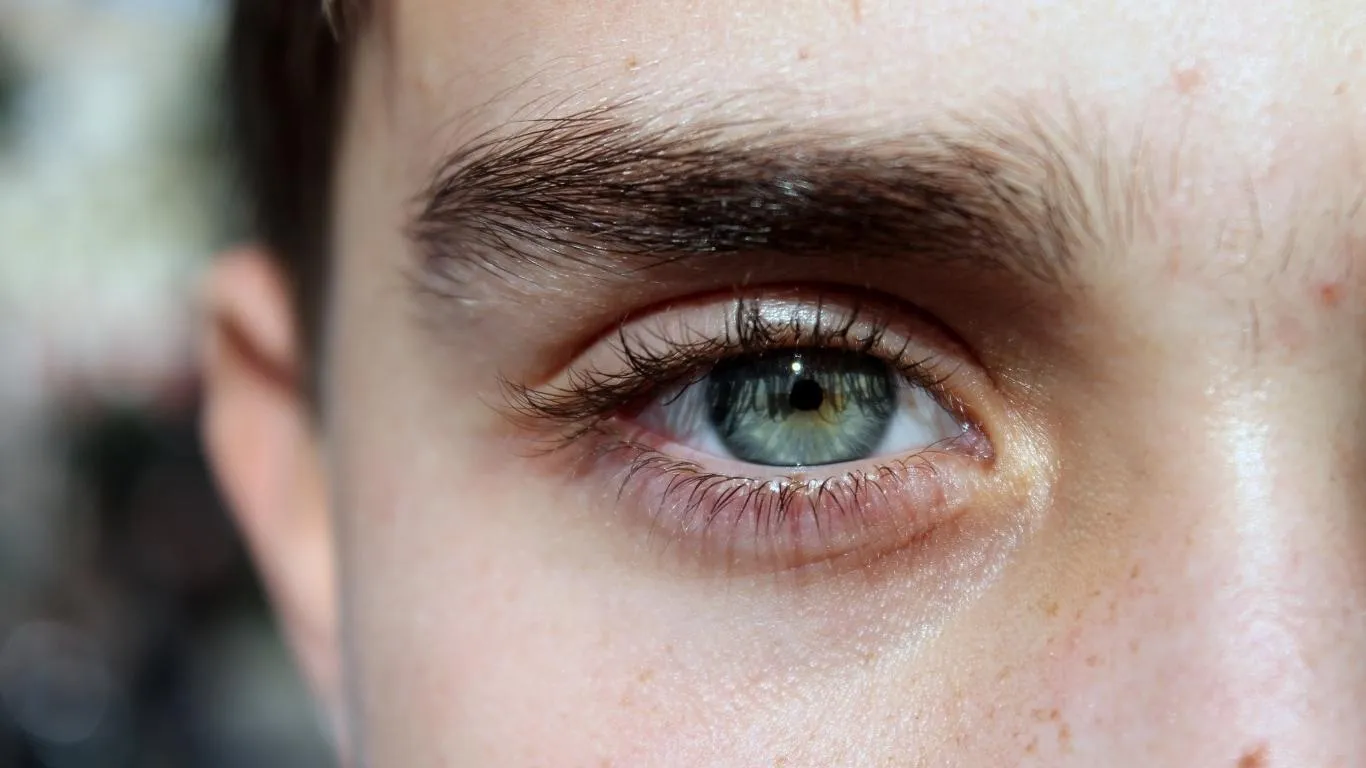
Eye floaters are tiny clumps of gel or cells inside the vitreous—the clear, jelly-like fluid that fills the inside of your eye. As we age, or when there’s damage to the eye, the vitreous begins to liquify and pull away from the retina. For most people, it’s just a harmless part of getting older. But if you’re diabetic, it’s an entirely different story.
In diabetics, particularly those with uncontrolled blood sugar levels, floaters may indicate far more serious issues, like diabetic retinopathy. I’ve seen this happen firsthand in my mom’s case—one day it was just a few floaters, the next she was being checked for retinal bleeding.
Understanding the Link Between Diabetes and Floaters
Diabetes affects blood vessels all over the body, including those in your eyes. When those delicate vessels in the retina become damaged, they may leak blood into the vitreous. That’s when floaters become more than a mild annoyance—they can signal the beginning of vision-threatening complications.
Signs Your Floaters Might Be More Than Just “Normal”
- Sudden increase in the number of floaters
- Floaters accompanied by flashes of light
- Shadowy areas or loss of peripheral vision
- Blurred or distorted vision
If any of this sounds familiar and you have diabetes, don’t wait. Check out posterior vitreous detachment—a leading cause of floaters that often worsens in diabetics.
The Role of Blood Sugar Control in Floater Severity
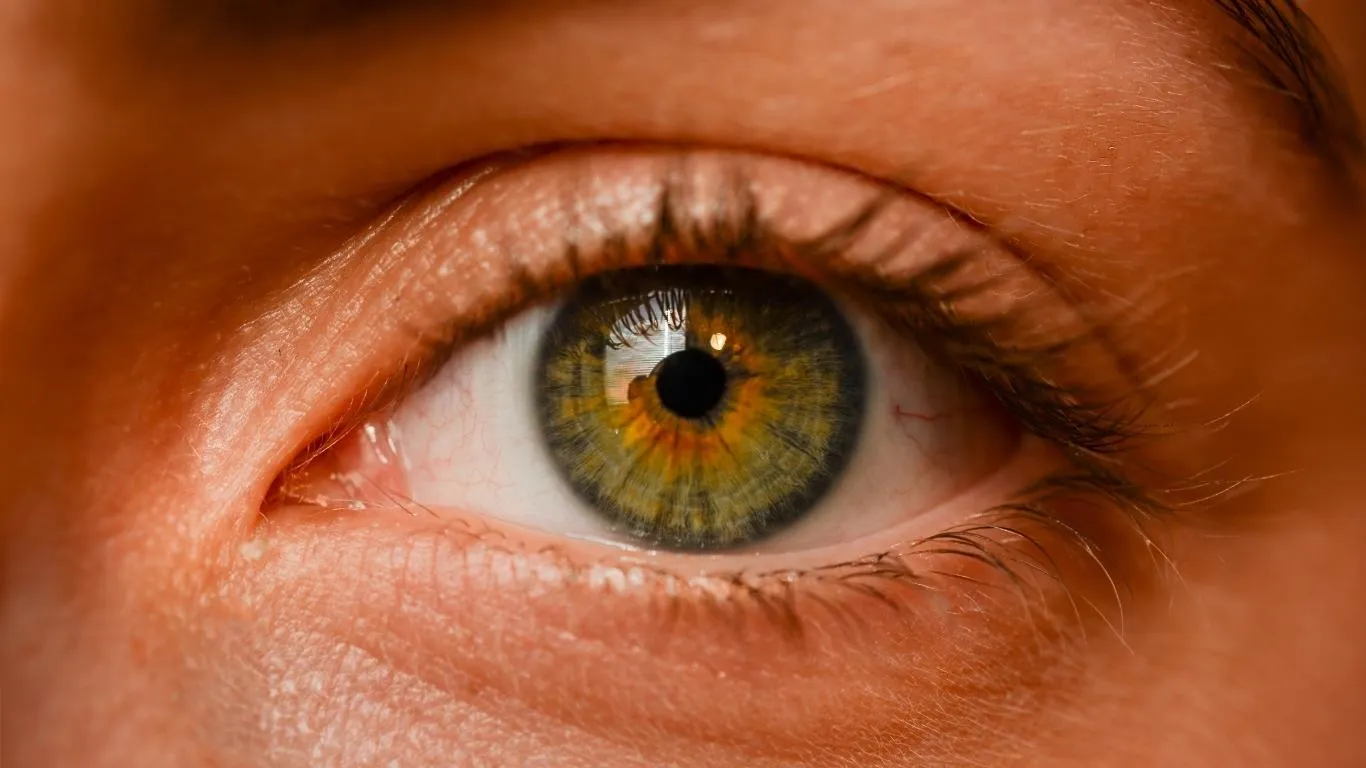
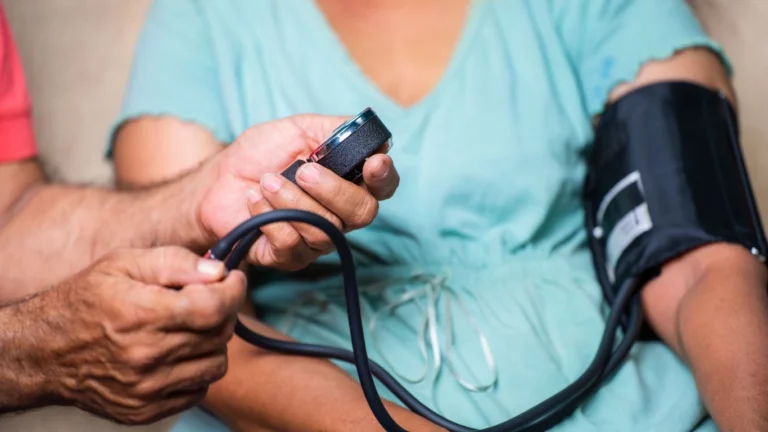
One thing that became crystal clear during my mom’s journey: tighter blood sugar control helped slow down the worsening of her floaters. There’s actual science to back this up. Poorly managed glucose levels can cause blood vessels in the eye to leak or become blocked, leading to more floaters and even permanent damage if left untreated.
It’s worth digging into how blood pressure and blood sugar levels together influence eye health in diabetic patients. Floaters may be the canary in the coal mine when it comes to vision complications.
What Happens During Diabetic Retinopathy
Here’s what usually goes down:
- Early Stage: Microaneurysms form, tiny bulges in blood vessels that may leak fluid.
- Moderate Stage: Blocked vessels cause more leakage and floaters may increase.
- Severe Stage: New, fragile blood vessels grow (neovascularization), which are prone to bleeding into the vitreous—massively worsening floaters.
It’s terrifying how fast floaters can escalate in diabetes. What starts as a “meh” kind of nuisance can literally become a full-on vision crisis if you’re not keeping your blood sugar in check.
Is It Just Floaters or Something More?
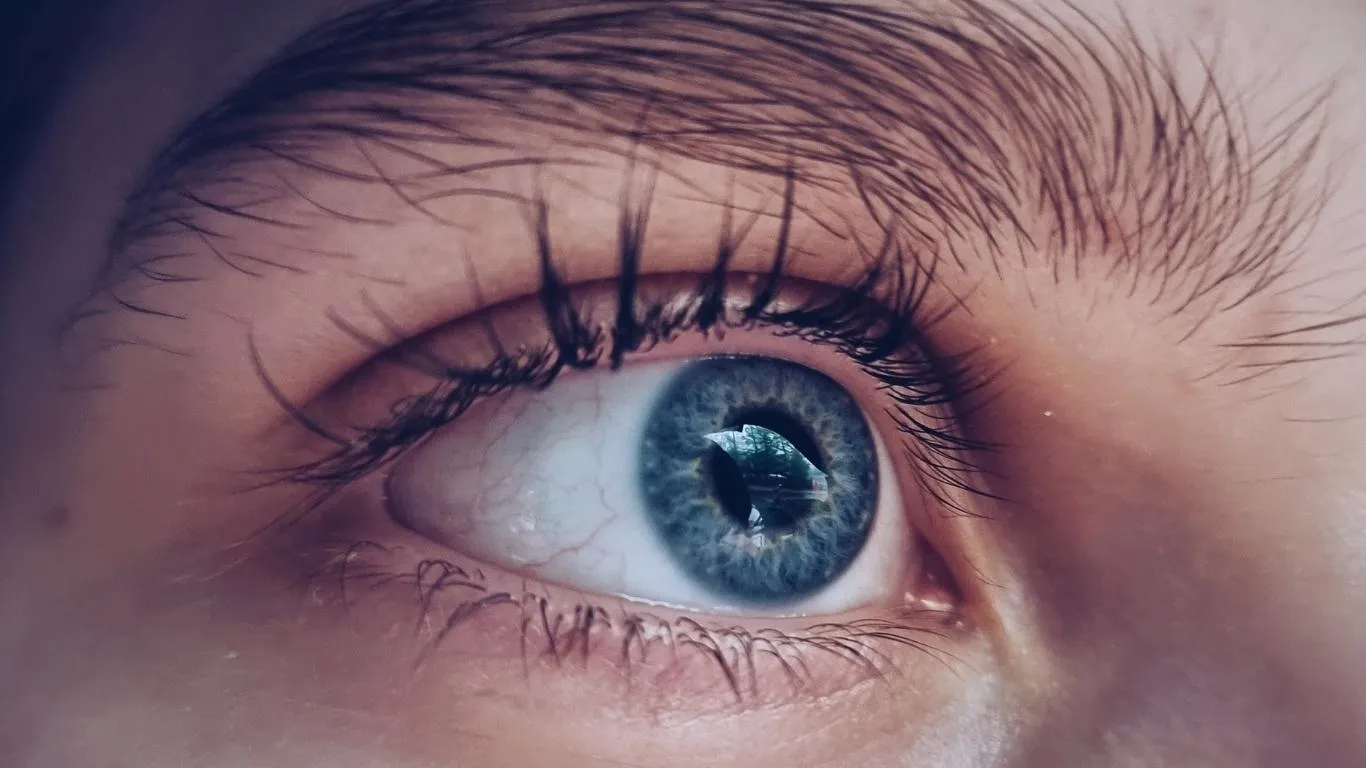
That’s the golden question. If floaters are consistent, stable, and not accompanied by any other vision changes, they’re probably just age-related. But if you’re diabetic and notice sudden or increasing floaters, it’s a red flag. I remember when my mom saw what she described as a “dark curtain” coming down—she had a retinal hemorrhage and needed immediate laser treatment.
Some diabetics confuse the signs, assuming it’s just normal aging. But here’s a breakdown to help make it clearer:
- Normal Floaters: Transparent, thread-like, and appear gradually over time
- Diabetic Floaters: Sudden, cloudy, accompanied by vision loss or flashes
- Emergency Floaters: Accompanied by eye pain, major vision changes—go to the ER!
More on this can be found in the diabetic retinopathy floater guide—I strongly recommend bookmarking it if you or a loved one lives with diabetes.
How to Monitor and Manage Floater Severity in Diabetes
Managing floaters if you’re diabetic is more than just eye exams. It’s about whole-body health. My mom’s ophthalmologist emphasized these things, and they’ve honestly made a difference:
- Strict blood glucose monitoring (every single day, without fail)
- Annual (sometimes bi-annual) retinal exams
- Monitoring for symptoms like floaters, flashes, or blurred vision
- Staying hydrated and eating anti-inflammatory foods
There’s also emerging research and experience-based insights that suggest supplements may support vitreous health. While you shouldn’t just grab anything from the shelf, resources like this floaters supplement guide are worth exploring.
Need a solid primer to connect all the dots about what causes floaters, how symptoms evolve, and treatment options? I’d point you straight to this foundational floater guide and also check out the focused article on diabetic floaters to go deeper.
Medical Treatments for Floaters in Diabetic Eyes: What Works and What Doesn’t

Once floaters start interfering with vision—especially in diabetics—it’s time to get serious about medical options. We learned this the hard way after my mom tried to wait it out, hoping her floaters would fade. They didn’t. What actually helped? A mix of timely interventions and careful planning with her ophthalmologist.
Observation Isn’t Always Enough
For people without diabetes, floaters are often harmless. But for diabetic patients, a “wait and see” approach isn’t always smart. Eye complications can progress fast. Floaters before a retinal tear are one of the earliest clues your eyes are in trouble. Ignoring them may lead to permanent damage.
Vitrectomy: A High-Risk, High-Reward Option
Vitrectomy is a surgery that removes the vitreous gel (along with floaters) and replaces it with a saline solution. It’s effective, but invasive and carries serious risks like retinal detachment or cataracts. My mom was considered for it, but her doctor recommended against it—unless the floaters became completely debilitating.
If you’re diabetic and considering surgery, read up on post-vitrectomy floaters so you know what to expect.
Laser Therapy: Still Debated
Laser vitreolysis is a less invasive alternative to surgery. It uses a laser to break up floaters into smaller, less noticeable pieces. But it’s not approved for all floater types, and success in diabetic eyes is mixed. Diabetics have more fragile retinas—so there’s a fine line between helping and harming.
This is something you should only explore after a specialist rules out retinal damage. Trust me, this isn’t a DIY research job. A misstep could cost you your vision.
Lifestyle Adjustments That Actually Help (Yes, Really)
When we couldn’t pursue surgery or laser treatment, my mom’s ophthalmologist suggested lifestyle changes—and surprisingly, they made a noticeable difference.
Diet That Supports Vitreous Health
Floaters may be bits of collagen or blood floating in the eye, so what you eat matters more than you think. Here’s what helped stabilize her condition:
- Antioxidant-rich foods (spinach, blueberries, carrots)
- High-lutein greens like kale and swiss chard
- Foods with Omega-3 (salmon, chia seeds, walnuts)
- Plenty of water to keep the vitreous hydrated
We followed advice from this floaters nutrition guide and adjusted her daily meals around it. It wasn’t magic, but over time, the frequency of those floating specks reduced. And for the first time, she felt a bit in control again.
Vision Hygiene and Stress Reduction
Floaters seemed to get worse when she was stressed or tired. We started tracking this pattern and found that improving sleep and reducing screen time had a measurable impact. Turns out, there’s something to be said for stress-induced floaters being a real issue.
- Cutting down night-time screen usage
- Using blue light filters or computer glasses
- Doing short eye exercises every couple of hours
- Getting consistent 7–8 hours of sleep
When Floaters Might Signal Emergency for Diabetics
There’s a fine line between “annoying” and “alarming.” And knowing when floaters become dangerous is key, especially for diabetic patients. Here are some situations where floaters demand an emergency visit:
- Sudden shower of floaters: Possible vitreous hemorrhage
- Floaters with flashes of light: Might indicate retinal detachment
- Floaters with shadow or curtain-like vision: Strong red flag for internal bleeding
Diabetics face higher risks of vitreous hemorrhage and retinal complications. If any of these symptoms appear, don’t wait. Get to an ophthalmologist or ER immediately.
Floaters and Mental Health: A Hidden Burden
Let’s be honest: having floaters all the time is mentally exhausting. My mom felt anxious, even depressed, on days when her vision was speckled with shadows. She described it like trying to read through a dirty windshield—and some days, she just gave up and stayed indoors.
Turns out, this isn’t uncommon. There’s increasing recognition that persistent floaters affect mental health—causing anxiety, frustration, and even social withdrawal. Floaters aren’t just a physical burden. For diabetics, who already face emotional hurdles, it’s an extra layer of challenge.
What Helped Her Cope
- Mindfulness and meditation—10 minutes a day made a difference
- Talking to a therapist about vision-related anxiety
- Finding online support groups for people with chronic eye issues
Staying Ahead of the Curve: Monitoring for Change

One habit that’s stuck with us: tracking changes. Whether it’s using a paper journal or an eye health app, recording when floaters appear or get worse helps catch patterns. For example, she noticed floaters flared up after high-carb meals or days of high stress.
We also set reminders for bi-annual eye exams and quarterly diabetes check-ins. It might seem excessive, but it’s these small routines that helped prevent bigger crises. There’s a reason why tracking floaters is now something doctors actually encourage.
Know the Resources That Help You Stay in Control

If you’re diabetic and dealing with floaters, arm yourself with the right info. Bookmark trusted pages. Follow up with your specialist. Don’t let floaters leave you in the dark—literally or figuratively. Here are a few go-to resources I personally trust:
- Full guide to floater treatments
- Comprehensive explainer on causes and symptoms
- National Eye Institute
- American Academy of Ophthalmology
- American Diabetes Association

Camellia Wulansari is a dedicated Medical Assistant at a local clinic and a passionate health writer at Healthusias.com. With years of hands-on experience in patient care and a deep interest in preventive medicine, she bridges the gap between clinical knowledge and accessible health information. Camellia specializes in writing about digestive health, chronic conditions like GERD and hypertension, respiratory issues, and autoimmune diseases, aiming to empower readers with practical, easy-to-understand insights. When she’s not assisting patients or writing, you’ll find her enjoying quiet mornings with coffee and a medical journal in hand—or jamming to her favorite metal band, Lamb of God.