Why Floaters That Look Like Cobwebs May Signal Eye Issues
Ever noticed those wispy, shadowy threads drifting across your vision like tiny cobwebs? You’re not alone. I first spotted mine while staring at a white wall during a boring meeting, and I honestly thought I had something on my glasses. Nope—those ghostly little shapes were floaters. And when they start resembling cobwebs? That’s when things can feel especially strange. Let’s break down exactly what’s going on with those elusive, web-like floaters and why they seem to appear out of nowhere.
What Are Cobweb-Like Floaters, Really?
Floaters that look like cobwebs aren’t your imagination—those filament-like strands are often actual physical changes happening inside your eye. Typically, they’re due to changes in the vitreous humor, the gel-like substance that fills your eyeball. Over time, this gel begins to liquefy and shrink, pulling away from the retina. When this happens, tiny collagen fibers within the vitreous clump together, casting those webby shadows you see.
This natural aging process is medically known as Posterior Vitreous Detachment (PVD). It’s a major reason why people over 40—like me—suddenly become all too familiar with this odd visual phenomenon. The cobweb effect is usually more noticeable when looking at bright backgrounds, like a computer screen or a sunny sky.
Why Do These Floaters Look Like Cobwebs?
The cobweb appearance specifically comes from how the collagen fibers clump. Instead of single dots or squiggly lines, they can form intricate, net-like patterns. These floaters often shift when you move your eyes and then slowly drift back, giving that eerie sensation of something crawling across your vision.
From my own experience, they started as tiny specks. But after a few months (and way too much time staring at spreadsheets), they evolved into long, threadlike strands that seemed to tangle into a full-blown spiderweb when I blinked. That’s when I knew it wasn’t something to brush off anymore.
Are Cobweb Floaters a Sign of Something Serious?
Here’s the good news: in most cases, cobweb-like floaters are benign. But that doesn’t mean you should ignore them completely. Occasionally, they can indicate something more serious like a retinal tear or detachment. That’s why it’s crucial to monitor for sudden changes—especially if those cobwebs come with flashes of light, blurred vision, or what looks like a curtain falling over your eyesight.
- Sudden appearance of many new floaters
- Loss of peripheral vision
- Accompanied by pain or pressure
In these cases, you’re not just dealing with annoying floaters—you could be facing an urgent retinal issue that needs quick attention.
What Triggers Cobweb-Like Floaters to Get Worse?
From chatting with my optometrist and doing way too much late-night Googling, I learned that a few surprising factors can make cobweb floaters more noticeable—or even worse:
- Dehydration: Yup, not drinking enough water can affect the health of your vitreous. This makes floaters more visible.
- Stress: Intense stress or anxiety (especially during that one awful deadline week) made mine seem darker and more persistent. There’s actually a link between stress and floaters that’s worth exploring.
- High myopia: If you’re nearsighted, you’re already more prone to these. And yes, that includes yours truly.
- Inflammation or eye trauma: Even rubbing your eyes too hard after a long day can aggravate the vitreous fibers. It’s true—rubbing your eyes might make things worse.
Even environmental factors like bright light, screen time, or sudden altitude changes (I noticed more floaters after a ski trip) can make them pop more.
When Should You Actually Worry?
If you’ve been ignoring your floaters because they’re “normal,” I totally get it. I did too—until I noticed new cobwebs cropping up fast. Turns out, rapid changes in floaters could indicate something called vitreous hemorrhage or a retinal hole. Serious stuff, and not something you want to gamble with. Always get a professional opinion if:
- Floaters appear suddenly in large numbers
- They come with sharp pain, flashes, or dizziness
- You’ve recently had eye surgery, trauma, or are diabetic
This is especially important if you’ve experienced a recent eye injury or surgery, as these events can cause lingering floaters that resemble tangled webs.
What Can Help Make These Floaters Less Distracting?
Short answer: there’s no miracle cure, but you can make life a little easier. I personally started adjusting my screen contrast and avoiding white backgrounds whenever I could—huge difference. And don’t overlook targeted eye exercises or diet changes rich in antioxidants like lutein and zeaxanthin.
One technique that helped me during work? Using a soft grey desktop background instead of white—it made the floaters way less noticeable and gave my eyes a break.
Want to dive deeper into all the potential treatments? The full breakdown is in our eye floater treatment guide, which goes beyond the basics.
And if you’re just getting started learning about what floaters even are, check out the main guide on eye floaters that walks through all causes, symptoms, and treatments in one place.
Do Cobweb-Like Floaters Ever Go Away?

This is the golden question, right? In many cases, these floaters do become less noticeable. Mine faded into the background over a few months, and I only notice them now when I actively look for them—which I try not to do. Your brain gets pretty good at tuning them out, especially when they stop moving as much.
But if they hang around for months and start to interfere with daily life—especially driving or reading—you’re not stuck. There are options to manage or even remove them. Not all cobweb floaters are forever guests.
Are There Treatments That Actually Work?
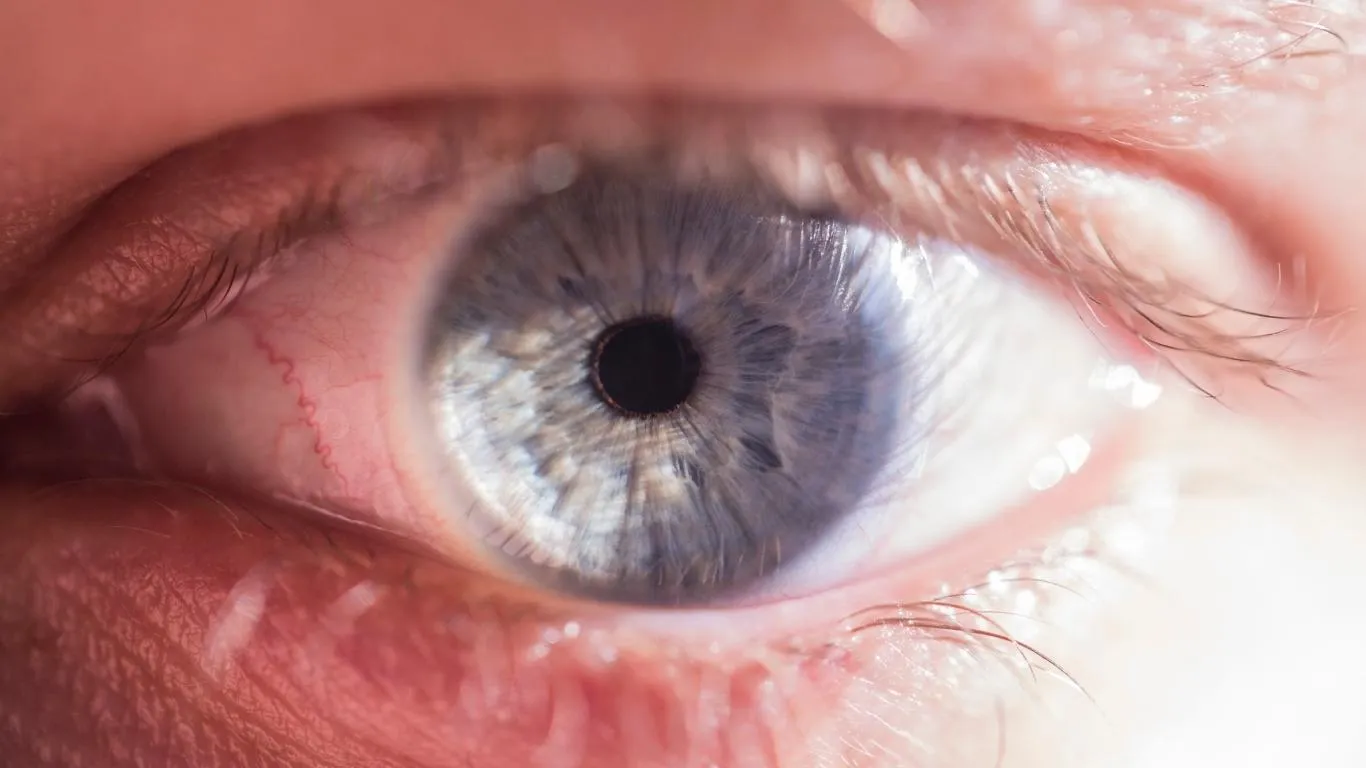
I was surprised to learn how many people just live with floaters. But for those of us who can’t ignore the cobweb drifting across every Zoom call, here are a few options that might help:
- Observation: Yes, “do nothing” is a legit option. Many eye doctors recommend it if the floaters aren’t impairing vision or signaling a bigger issue. Often, they naturally settle lower in the eye and stop bothering you.
- Vitrectomy: This is the big one—a surgery where the vitreous gel is removed and replaced with a clear solution. It’s effective but invasive and typically reserved for severe cases. More info on that here: post-vitrectomy floaters.
- Laser treatment (YAG vitreolysis): This uses a laser to zap larger floaters into smaller pieces, so they’re less noticeable. Results vary, and not everyone is a good candidate. After reading a few case studies, I decided to pass—but it’s worth discussing with your eye doc.
Here’s a deeper dive if you’re curious: treatment options for eye floaters. I read it cover-to-cover before making my own decision.
Natural Ways to Manage Cobweb Floaters
If surgery or lasers sound extreme (and honestly, they did to me), there are more natural strategies that might help make floaters less distracting—even if they don’t magically make them vanish.
- Hydration: Keeping your eyes (and body) hydrated helps maintain vitreous clarity. I started tracking my water intake and noticed a shift.
- Antioxidants: Foods rich in lutein, vitamin C, and zeaxanthin—think leafy greens, citrus, and eggs—can support eye health. I leaned heavily into spinach smoothies for a few months (not bad with mango, by the way).
- Supplements: Some people swear by them. Here’s a helpful resource if you’re curious: eye supplements for floaters.
These steps won’t erase floaters overnight, but they might help your eyes recover from daily stress—and prevent things from getting worse.
How to Tell Cobweb Floaters Apart from Other Issues
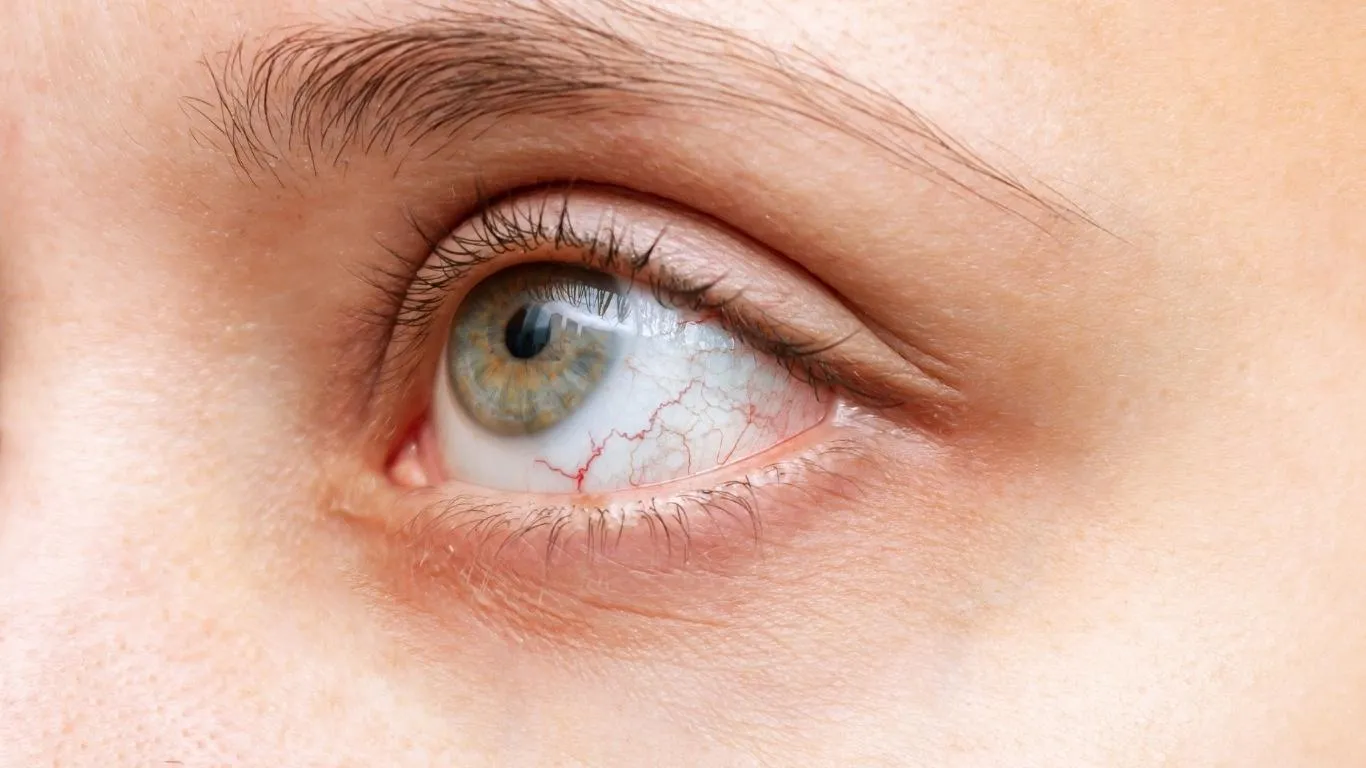
Not every shadow in your eye is a floater. Sometimes it’s something more serious, and it helps to know what signs set them apart. One thing I learned the hard way is how important it is to track what your floaters do.
If they suddenly change shape, move faster than usual, or show up alongside dizziness or blurred vision, you might be looking at something beyond a benign floater. That could mean a retinal tear, vitreous hemorrhage, or even something tied to systemic conditions like diabetes or autoimmune issues.
Check this if you’re unsure: floaters vs retinal detachment signs. Spotting the difference early can save your vision.
Floaters, Aging, and That Midlife Shift

One frustrating reality: age is a big culprit. As we hit our 40s and beyond, the eye’s gel structure breaks down more easily. The floaters that result often look stringy or cobweb-like because of how the vitreous liquefies and separates.
Even something like thyroid disease or hormonal shifts during perimenopause can accelerate this. That’s why more women in their 40s and 50s start noticing cobweb floaters seemingly overnight.
We tend to brush it off as “just age,” but there are real biological changes behind it—changes that deserve attention, especially if they disrupt daily activities.
Living with Cobweb Floaters Without Letting Them Take Over
These days, I still see mine—especially when I’m outside on bright days or scrolling through emails on a white screen. But I’ve gotten better at ignoring them. I’ve learned tricks like dimming my screens, avoiding direct sunlight, and keeping my stress in check (sort of).
Sometimes just knowing what you’re dealing with helps more than anything. It’s less scary when you understand that those cobwebs floating around aren’t a glitch in your brain or some mystery disease—they’re part of a very real, very common eye change that millions of us experience.
If you’re worried, the best place to start is understanding what might be causing your specific floaters. Check out this comprehensive breakdown of common causes of eye floaters, especially if yours came on suddenly or worsened recently.
Or, if you’re just beginning your journey into understanding floaters, here’s a full resource to explore more: what causes eye floaters.

Camellia Wulansari is a dedicated Medical Assistant at a local clinic and a passionate health writer at Healthusias.com. With years of hands-on experience in patient care and a deep interest in preventive medicine, she bridges the gap between clinical knowledge and accessible health information. Camellia specializes in writing about digestive health, chronic conditions like GERD and hypertension, respiratory issues, and autoimmune diseases, aiming to empower readers with practical, easy-to-understand insights. When she’s not assisting patients or writing, you’ll find her enjoying quiet mornings with coffee and a medical journal in hand—or jamming to her favorite metal band, Lamb of God.