Why Floaters With Thyroid Disease May Be More Serious Than You Think
If you’ve been dealing with thyroid issues for a while, and suddenly start noticing those annoying little squiggly lines or cloudy specks drifting across your vision, you’re not imagining things. I still remember thinking my screen was dusty—only to realize the shadows were *inside* my eyes. Floaters. They’re weird, distracting, and sometimes downright scary. But here’s the kicker: if you have a thyroid condition, there’s a real possibility they’re connected. Let’s break it down in plain English, and yeah, I’ll throw in a bit of my own journey too.
Can Thyroid Disorders Really Cause Eye Floaters?
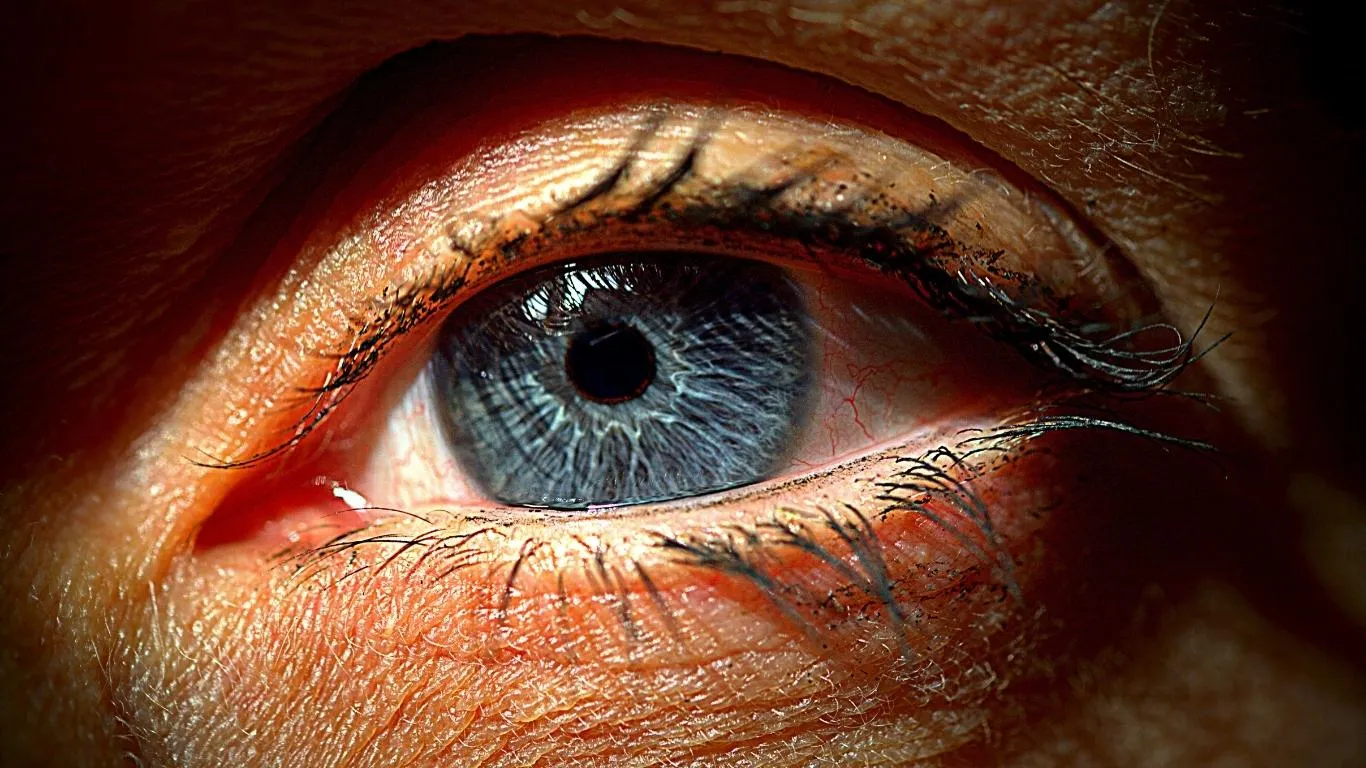
Floaters are typically linked to age-related changes in the eye’s vitreous gel. But with thyroid disease—especially autoimmune types like Graves’ disease or Hashimoto’s thyroiditis—things get a little more complicated. Autoimmune conditions can create inflammation not only in the thyroid but also in surrounding tissues, including the eyes.
I was diagnosed with Hashimoto’s about six years ago. Back then, floaters weren’t even on my radar. But once I began experiencing dry eyes and blurred vision, those floating threads slowly became part of my daily scenery. Turns out, there’s actual science behind this weird connection.
Thyroid Eye Disease (TED): The Main Culprit
If you’re hyperthyroid or have been treated for Graves’, chances are you’ve heard of TED. It’s not rare, and no, it’s not just about puffy eyes. Thyroid Eye Disease can actually cause swelling in the tissues around your eyes and within the orbit itself. This inflammation may lead to vitreous changes that contribute to floaters.
Here’s how it plays out:
- Orbital Inflammation: TED inflames eye muscles and tissues, leading to pressure changes in the eye.
- Dry Eyes: Common in thyroid disorders, and can distort vision and make floaters more noticeable.
- Immune Activity: The same immune response that attacks the thyroid may target the eyes’ connective tissue, disrupting the vitreous.
More than once, I found myself rubbing my eyes, trying to blink the floaters away—only to make the dryness worse. If you’re doing that too, please stop. It only adds to the irritation.
Hypothyroidism and Floaters: A Lesser-Known Link
Most people associate floaters with hyperthyroidism, but I’ve met more than a few folks in online groups who are hypothyroid and battling floaters as well. One theory? Reduced metabolism in hypothyroid patients can slow down eye fluid dynamics and healing, which could potentially make floaters more stubborn. It’s still being studied, but worth mentioning.
Also, certain medications prescribed for thyroid conditions may exacerbate eye floaters. For example, corticosteroids—sometimes used during flare-ups of autoimmune thyroid disease—can affect the vitreous. You can learn more in this article on steroid eye drops and floaters.
How Floaters Differ in Thyroid Patients

The classic floater—think a gray dot or transparent worm floating across your vision—doesn’t behave the same for everyone. With thyroid-related floaters, many report:
- Floaters that appear or worsen during hormone imbalances or flare-ups
- Higher floaters visibility in well-lit conditions (like staring at a screen or sky)
- Occasional flashes of light, which can signal more serious retinal issues
I even noticed my floaters fluctuated with my TSH levels. Some weeks, they were barely there. Other times, they were front and center all day. If you’re noticing a pattern too, you’re definitely not alone.
When Should You Be Concerned?
Here’s the truth: Most floaters are harmless. But if you notice a sudden shower of floaters, light flashes, or dark shadows in your peripheral vision, get it checked immediately. These could be signs of retinal detachment. And yes, people with thyroid disease—especially those with pre-existing eye inflammation—may be at increased risk.
Another red flag? Floaters following eye infections. Immune dysfunction tied to thyroid disease can make you more vulnerable. If that’s the case, this post can help you recover better post-infection.
Ways to Cope: What Worked for Me
Now for the part that got me through the worst of it. While you can’t totally eliminate floaters (unless you go surgical, which has its risks), there are a few things that made a difference for me:
- Monitor Your Hormones: Keep thyroid levels stable. Every wild swing in my TSH made my floaters worse.
- Stay Hydrated: Dehydration made my floaters more obvious. I’ve tested this—skip water for a day, and bam, floaters galore. More on that here.
- Blue Light Filters: Helped immensely with visual stress while working. Especially important if you’re already light-sensitive from thyroid issues.
- Omega-3s & Anti-Inflammatories: I take fish oil regularly now. Eye dryness and floaters eased up noticeably.
If you’re new to the floater game or unsure whether it’s just age or thyroid-related, this guide might help you tell the difference. It breaks down how floaters compare to other vision disturbances.
For an in-depth look at all the causes of floaters—including those tied to inflammation, autoimmune conditions, and injuries—check out this detailed post: common causes of eye floaters. It’s one of the best foundational pieces on the topic.
And if you’re still trying to figure out what floaters are even made of, this overview covers it all in plain language, without the medical jargon overload.
Next up, I’ll dive into deeper strategies on managing thyroid-related floaters, including natural remedies, medical options, and how to know when to push for a second opinion with your eye doc.
Natural and Medical Remedies for Thyroid-Linked Floaters
After trying to ignore the floaters for months, I finally started digging into both natural and clinical approaches. Spoiler: some work better than others—especially when thyroid health is involved. Your hormones and your eyes are more connected than most people realize.
Supplements That Helped Me
I was skeptical at first. But adding a few targeted supplements really made a difference—not in “curing” the floaters, but in making them less intrusive. These are worth discussing with your doctor, especially if you’re managing Hashimoto’s or Graves’:
- Omega-3 Fatty Acids: Helped reduce inflammation and dryness, which made floaters less noticeable.
- Lutein & Zeaxanthin: These eye-supporting antioxidants might not remove floaters but do support overall eye health.
- Vitamin D: Especially if you’re dealing with an autoimmune thyroid issue—low D levels tend to correlate with more symptoms.
- Selenium: For Hashimoto’s folks, this mineral can help regulate thyroid antibodies, which might ease eye pressure.
One thing I learned the hard way: don’t self-dose. Talk with your provider. Some supplements can mess with your thyroid meds or cause side effects. I used this breakdown on natural eye floater options to figure out what made sense for my body.
Foods That Support Eye and Thyroid Health
There’s no magic smoothie to erase floaters, but cleaning up my diet definitely helped calm my autoimmune flare-ups. That, in turn, made the floaters less aggressive. Here’s what worked best for me:
- Leafy Greens: Kale, spinach, chard—loaded with carotenoids that support eye tissue.
- Anti-inflammatory foods: Berries, turmeric, ginger, and fatty fish helped tame the constant eye irritation.
- Hydration: I can’t stress this enough. When I slack on water, my floaters double. Here’s why hydration matters.
Also—cutting back on sugar and highly processed foods was tough, but wow, the impact on my eyes and energy was real. If you have a thyroid condition, that stuff only stokes inflammation.
Medical Options If Floaters Get Worse
If your floaters start taking over your vision or interfering with daily life, it might be time to go beyond lifestyle changes. I haven’t gone this route personally, but I researched it heavily when mine were at their worst. Here are the main options:
1. YAG Laser Vitreolysis
This is a laser treatment that targets floaters directly. It’s non-invasive and usually done in-office. Some patients love it, others not so much. It depends on floater type, location, and eye health. For people with autoimmune thyroid conditions, there’s a higher risk of complications if inflammation is active.
Before considering it, I read this overview on post-YAG floater outcomes. Definitely helped me ask better questions when I saw my ophthalmologist.
2. Vitrectomy
This is the big one—surgical removal of the vitreous gel (and floaters along with it). It’s effective but carries risk, including retinal detachment, cataracts, and infection. Not usually recommended unless floaters are absolutely debilitating.
For thyroid patients, particularly those with TED, the risks go up due to the fragile state of eye tissues. Always worth a second opinion. I also looked into this full guide on floater treatments for pros and cons of each option.
Preventing New Floaters: Is It Even Possible?
Okay, so here’s the thing: you can’t stop all floaters from forming. Some are inevitable, especially if you’re over 35, have thyroid dysfunction, or are genetically predisposed. But what you *can* do is reduce your risk of developing new ones—or at least slow things down.
- Protect Your Eyes: Wear sunglasses with UV protection—thyroid patients are more light-sensitive than average.
- Manage Stress: High cortisol can mess with both your thyroid and your vision. Stress was a massive trigger for me.
- Sleep Better: Poor sleep affects hormone regulation. Floaters showed up stronger after nights I barely slept. Here’s how lack of sleep plays a role.
- Screen Time Breaks: Even though there’s debate, I swear my floaters were worse after long laptop sessions. Here’s the scoop on screen-related floaters.
What I Monitor Now
I still see floaters now and then—but now I know what triggers them and how to manage flare-ups. I keep track of my:
- TSH, T3, and T4 levels regularly (every 3-4 months)
- Eye hydration, especially during allergy or cold seasons
- Stress levels—yes, floaters can worsen during panic or burnout
And honestly, just having the knowledge makes it way less scary. If you’re someone dealing with both thyroid issues and floaters, you’ll find value in this detailed breakdown of when floaters mean something serious.
Don’t Ignore the Eye-Thyroid Connection
Thyroid-related floaters aren’t just an aging thing. They’re part of a much broader picture that includes autoimmunity, inflammation, and sometimes subtle eye trauma. The more you tune into your thyroid health, the better your eyes will feel—trust me on that one.
To explore more about the difference between eye floaters and other vision symptoms, check out this detailed explainer.
And if you want a broader understanding of what causes floaters and how they evolve over time, the main eye floater resource is still my go-to: Eye Floaters: Causes, Symptoms & Treatment.

Camellia Wulansari is a dedicated Medical Assistant at a local clinic and a passionate health writer at Healthusias.com. With years of hands-on experience in patient care and a deep interest in preventive medicine, she bridges the gap between clinical knowledge and accessible health information. Camellia specializes in writing about digestive health, chronic conditions like GERD and hypertension, respiratory issues, and autoimmune diseases, aiming to empower readers with practical, easy-to-understand insights. When she’s not assisting patients or writing, you’ll find her enjoying quiet mornings with coffee and a medical journal in hand—or jamming to her favorite metal band, Lamb of God.