Why Floaters Worsen With Caffeine Intake and What You Can Do
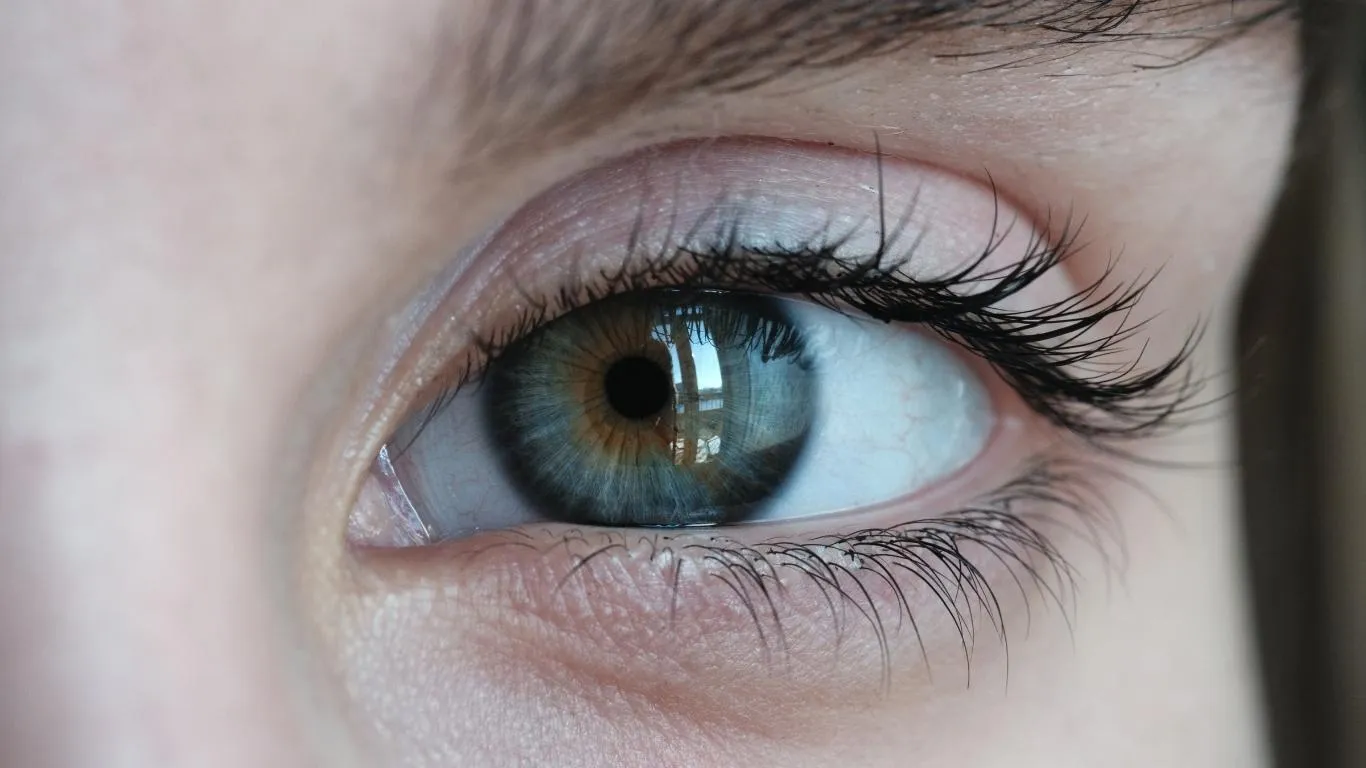
It started with a simple morning ritual: brew the coffee, check emails, and sip the warmth of my favorite dark roast. But as weeks went by, I noticed something odd—those annoying squiggly lines and blurry spots in my vision, known as eye floaters, started appearing more often and more intensely right after my second or third cup. I brushed it off until the pattern became impossible to ignore. Could caffeine really be making my eye floaters worse?
Why Floaters Seem More Noticeable After Coffee
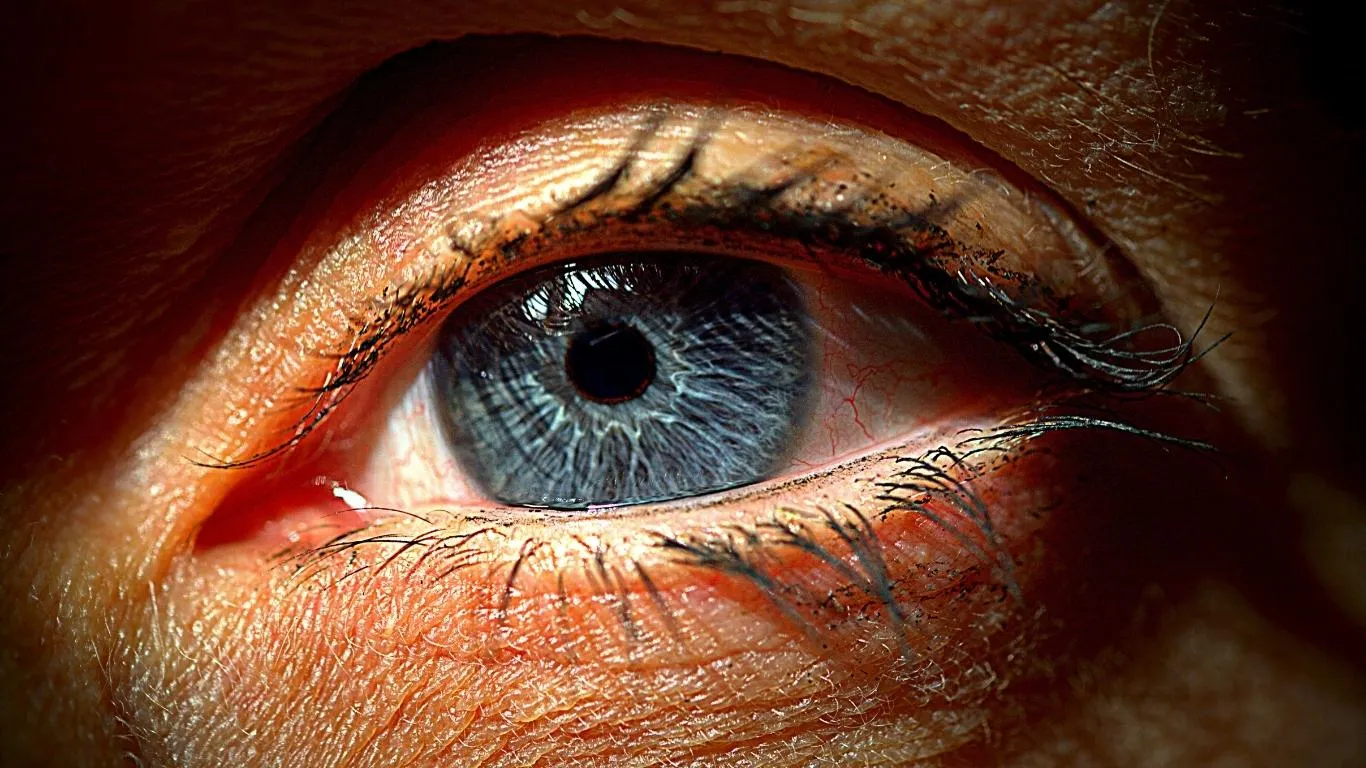
Let’s get into it. If you’re like me—coffee in hand before 8 a.m.—then you might be surprised to learn how caffeine affects your eyes beyond just alertness. Caffeine is a vasoconstrictor, meaning it narrows your blood vessels. This isn’t always bad, but in the delicate structure of your eyes, it can mean restricted blood flow to the retina and vitreous humor where floaters originate.
Floaters are tiny clumps of collagen inside the vitreous gel, and while they’re technically harmless in many cases, they become increasingly noticeable under stress, fatigue, and, as it turns out, dehydration—another common side effect of too much caffeine.
Dehydration and Vitreous Changes
Ever notice how dry your eyes feel after a long day of coffee-fueled productivity? That dryness isn’t just discomfort—it might be contributing to those worsening floaters. Caffeine is a mild diuretic, and when you’re dehydrated, the vitreous—the gel-like substance that makes up most of your eye—can shrink slightly, pulling away from the retina and forming floaters.
- Less fluid in your body = more concentrated collagen fibers in your vitreous.
- This can cause them to clump more easily and move across your visual field.
- If you’re also staring at screens for hours, the dryness gets worse—so does your floaters game.
Caffeine and Cortisol: The Stress-Floaters Link
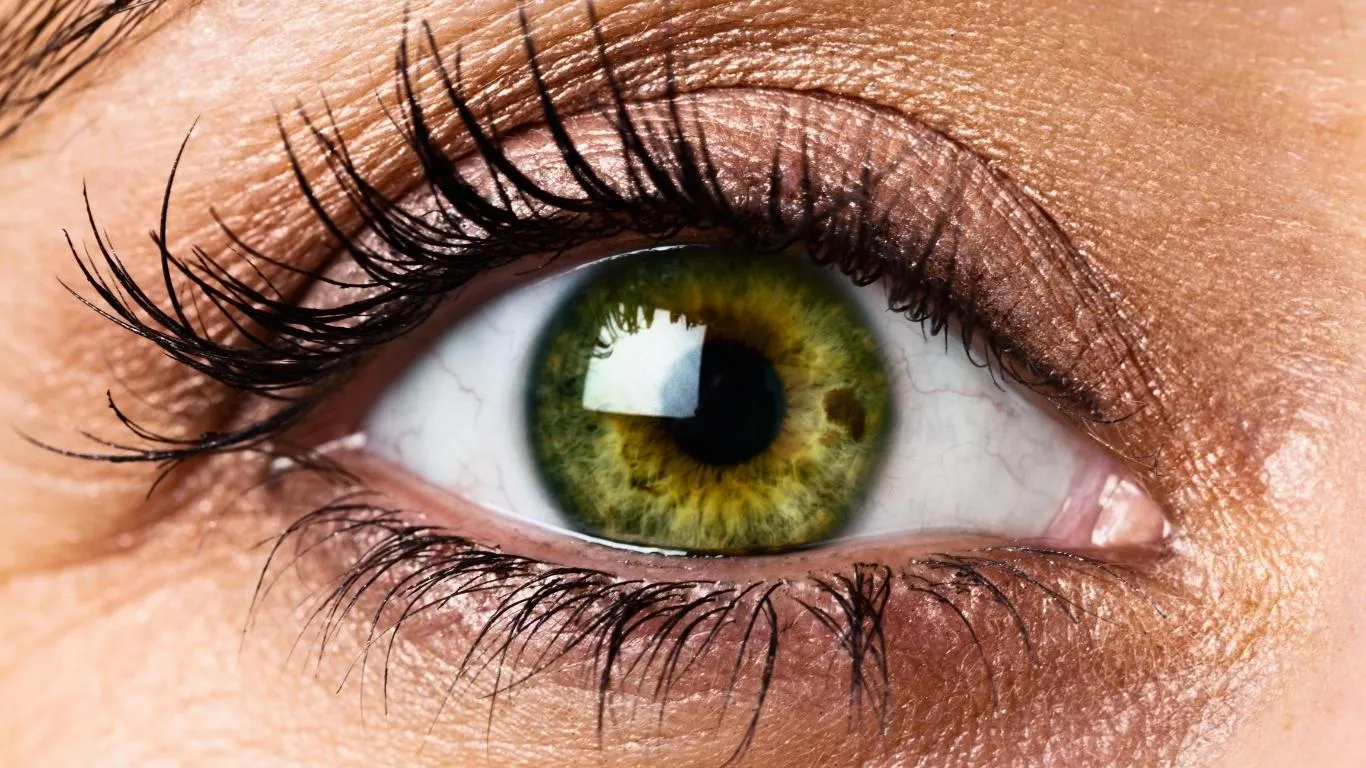
Caffeine gives you that “get up and go” energy by boosting cortisol—your body’s primary stress hormone. Sounds helpful, but here’s where it gets tricky. Chronic cortisol elevation can impact your eyes by triggering inflammatory responses in ocular tissues, increasing floaters’ visibility.
Here’s something I didn’t expect—when I cut caffeine for a week, not only did I sleep better, but the floaters weren’t as aggressive. Coincidence? Maybe not. High cortisol can cause blood sugar swings and contribute to eye inflammation. Floaters love inflamed environments. I even came across some studies on ncbi.nlm.nih.gov suggesting a link between cortisol spikes and vitreous degradation.
It’s no surprise that floaters can be a hidden warning sign. They’ve even been linked to early signs of eye disease, particularly when stress or inflammation is involved. Read more about how autoimmune issues can escalate floaters.
My Ophthalmologist’s Take
I asked my eye doctor—”Is it really the coffee?” He didn’t dismiss it. In fact, he said a growing number of patients have been asking about floaters worsening after caffeine intake. His take: it’s not just the caffeine, it’s the lifestyle around it—skipping water, skipping meals, high screen time, all of which affect your eye’s internal balance.
- Try drinking a glass of water before every cup of coffee.
- Limit intake to 1–2 cups per day if you’re prone to floaters.
- Incorporate magnesium-rich foods like spinach and almonds—it may help calm the nervous system and reduce stress-related floaters.
If your floaters suddenly worsen, though, it’s critical not to self-diagnose. Especially if they’re accompanied by flashes or vision loss. That could indicate something serious like a retinal tear. Don’t wait—get checked. Here’s a helpful read on when floaters are more than just annoying.
Do Certain People React More Strongly to Caffeine?
Turns out, yes. Genetics, underlying conditions, even hydration levels all play a role. I discovered that those with genetic predispositions for vitreous degeneration are more likely to experience increased floaters under stress, fatigue, or dehydration—all caffeine side effects. That hit home for me, since I have a family history of floaters and retinal problems.
Another key point—many of us don’t metabolize caffeine at the same rate. If you’re a slow metabolizer, caffeine stays in your system longer and can elevate cortisol for hours. The longer your eyes are under hormonal pressure, the more you’re likely to notice floaters dancing around when you glance at a white wall.
I’ve also found insights here that helped shape my understanding: how dehydration worsens floaters and stress as a contributing factor.
What About Coffee Alternatives?
Let’s be real—I wasn’t about to give up my cozy mug ritual completely. But swapping that second espresso for herbal tea or golden milk (try turmeric and oat milk) made a noticeable difference. Less jitteriness, fewer floaters. Some floaters may still be present, but not nearly as “in-my-face.”
For more insight into natural approaches and what actually works, I’d recommend this read on natural floater remedies.
If you’re just getting started on your floater journey, here’s the full breakdown on what floaters are and how they develop. It’s an eye-opener—no pun intended—and gives a great baseline before making changes to your diet or caffeine habits.
Can Cutting Back on Caffeine Really Reduce Floaters?
This was the million-dollar question for me. After weeks of tracking my intake and floaters frequency, I finally decided to test it: no caffeine for five days. Day one? Brutal. Day three? Less brain fog. By day five, I noticed something: fewer floaters when looking at the sky or white screens. It wasn’t night-and-day dramatic, but it was noticeable enough that I knew I was onto something.
Floaters didn’t disappear—because they rarely do entirely—but the intensity and frequency dropped. The cloudiness faded a bit. It was enough of a change to convince me there’s a very real link between caffeine intake and how visible floaters are day-to-day.
The Science Behind It
There’s no massive, double-blind caffeine-floaters study—yet. But several smaller studies have suggested that substances affecting hydration, intraocular pressure, and systemic inflammation may also play a role in vitreous deterioration. Since caffeine influences all three, it’s not a stretch to see how it might aggravate floaters in people who are already prone.
And while there’s limited mainstream literature on this, American Academy of Ophthalmology articles consistently recommend lifestyle adjustments—hydration, reduced screen time, stress reduction—for managing floater symptoms. Guess what else those things help with? Reducing your reliance on caffeine.
Floaters, Screen Time, and Coffee: A Rough Trio
Let’s be honest—most of us aren’t just drinking coffee. We’re doing it while scrolling, working, or binge-watching. Combine caffeine’s dehydrating effect with 8 hours of screen exposure and you’ve got a perfect storm for floaters to appear bolder and stick around longer.
That’s because both caffeine and prolonged screen time reduce blink rate, which contributes to dry eyes and can make floaters seem worse. It’s not just in your head—your eyes are literally less protected when you’re in that combo-zone.
Learn more about the overlap between digital strain and floaters in this detailed article: how screen time ruins vision comfort.
What I Do Differently Now
Instead of giving up coffee altogether, I now:
- Switch to half-caf or herbal blends after noon
- Keep a water bottle next to my laptop and match every coffee with a full glass
- Use artificial tears in the afternoon if I’ve been staring at screens too long
- Stick to no more than 200mg of caffeine a day
And honestly? I feel better. My eyes feel less strained, and the floaters aren’t nearly as persistent. I’ve even shared this routine with a few friends dealing with the same issue, and they’ve seen similar results.
When Should You Be Concerned?
Look, not all floaters are caffeine-related, and not all are harmless. If you notice:
- A sudden shower of floaters
- Flashes of light
- Loss of peripheral vision
…you need to see a specialist ASAP. These can be early signs of retinal tears or detachment. Don’t Google it and hope for the best—just go. Better safe than sorry.
One of the clearest resources on this: When floaters + other symptoms become serious.
Other Culprits You Might Not Expect
While caffeine might be part of the problem, there are other common habits that may be quietly making your floaters worse:
- Skipping meals: Low blood sugar messes with your eyes.
- Late-night phone use: Artificial blue light impacts eye hydration.
- Alcohol: Like caffeine, it dehydrates the body—and the eyes.
In fact, alcohol has a surprisingly strong link to worsening floaters. Learn more in this eye health breakdown on alcohol and floaters.
Nutrition, Supplements, and Hydration
Since floaters won’t magically disappear, a proactive approach helps. I’ve started adding more collagen-supporting nutrients to my routine—like vitamin C, lutein, and hyaluronic acid. A few reputable sources like healthline.com and webmd.com support these choices, and honestly, it’s made a difference in my overall eye comfort.
Here’s a guide I followed for improving floaters naturally with diet: eye-friendly diet changes.
So, Should You Ditch the Coffee?
Only you can decide that. But if you’ve noticed a pattern like I did—worsening floaters after your caffeine fix—it’s probably worth dialing it back and seeing what happens. Your eyes will thank you.
For a deeper dive into the full range of floater causes and treatment paths, start here: treatments for floaters and the essential overview from our main floaters guide.

Camellia Wulansari is a dedicated Medical Assistant at a local clinic and a passionate health writer at Healthusias.com. With years of hands-on experience in patient care and a deep interest in preventive medicine, she bridges the gap between clinical knowledge and accessible health information. Camellia specializes in writing about digestive health, chronic conditions like GERD and hypertension, respiratory issues, and autoimmune diseases, aiming to empower readers with practical, easy-to-understand insights. When she’s not assisting patients or writing, you’ll find her enjoying quiet mornings with coffee and a medical journal in hand—or jamming to her favorite metal band, Lamb of God.