Why Glaucoma Meds Might Be Making Your Eye Floaters Worse
So there I was, sitting at my kitchen table with my coffee, trying to read the label on my glaucoma meds when I noticed something strange—little translucent squiggles drifting across my vision. At first, I thought it was just a smudge on my glasses. Turns out, it wasn’t my glasses. It was floaters. And if you’re dealing with glaucoma medications like I am, you might have spotted these annoying little guys too.
What Are Eye Floaters—And Why Do They Seem to Get Worse With Glaucoma Meds?
Floaters are those drifting shapes that move when your eyes move. They might look like cobwebs, squiggly lines, or tiny dots. They’re actually bits of collagen or vitreous gel inside your eye, casting shadows on your retina. Totally normal with aging—but when you’re on certain glaucoma medications, things can get a bit complicated.
Some people, including me, notice an uptick in floaters after starting specific glaucoma drops. This made me wonder: are glaucoma meds making these things worse?
Quick Science: How Glaucoma Meds Work
Most glaucoma medications reduce intraocular pressure (IOP). That’s a good thing if you’re trying to prevent optic nerve damage. But medications that affect the eye’s internal fluid can also change the dynamics of the vitreous body—the jelly-like substance in your eye. And that might explain why you suddenly start seeing floaters after starting meds like prostaglandin analogs or beta-blockers.
- Prostaglandin analogs: These improve fluid drainage but can cause subtle inflammation.
- Beta-blockers: These reduce fluid production and may impact blood flow to the retina.
- Carbonic anhydrase inhibitors: Useful, but may change your intraocular environment over time.
I personally noticed more floaters about two weeks into using my prescribed drops. Coincidence? Maybe. But I’ve since found out I’m not alone. Turns out, a number of users have similar stories.
How Glaucoma Medications May Trigger or Worsen Eye Floaters
Vitreous Changes from Pressure Fluctuation
When glaucoma meds quickly drop eye pressure, the vitreous can shift or detach. That can lead to more noticeable floaters. It’s like shaking a snow globe—the particles (in this case, floaters) suddenly become visible.
This is especially true if you’re older, nearsighted, or have had cataract surgery in the past. These factors already weaken the vitreous-retinal interface. Add glaucoma drops into the mix, and you’ve got the perfect setup for sudden floater storms.
Inflammatory Response From Meds
Some drops cause low-grade inflammation, which might irritate the eye’s internal environment. That irritation could encourage more floaters—or at least make the existing ones more visible. If you’ve ever had floaters that seem to flare up randomly after using your drops, inflammation might be the culprit.
When Floaters Should Concern You—Especially If You’re On Glaucoma Treatment
Here’s where my optometrist gave me a bit of a wake-up call: if you see a sudden increase in floaters, flashing lights, or a curtain-like shadow across your vision, don’t wait. You could be dealing with a retinal tear or detachment. Glaucoma meds might not directly cause it, but the vitreous shift they encourage can certainly contribute.
One condition worth reading up on is posterior vitreous detachment, which can escalate to more serious retinal issues. I didn’t know that until my ophthalmologist explained how important it is to monitor even “harmless” floaters closely when you’re on treatment.
Who’s Most at Risk?
- People over 50
- High myopes (aka the extremely nearsighted—like me)
- Folks on long-term eye medications
- Anyone who’s had previous eye surgeries
If that’s you, keep a closer eye on changes. Literally.
What You Can Actually Do About It
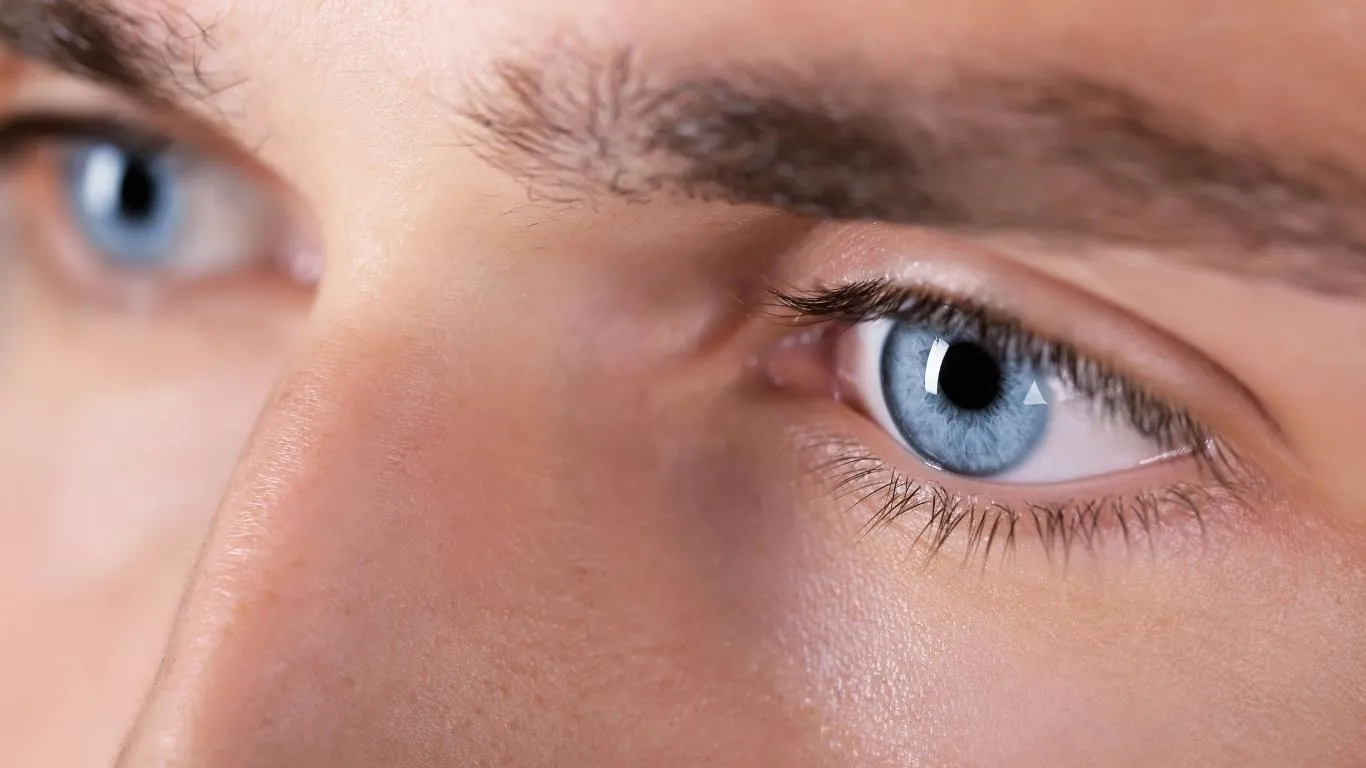
Alright, so you’re stuck with floaters and glaucoma meds. What now?
Here’s what helped me manage it without losing my mind (or vision):
- Regular eye exams: Your doctor can track whether floaters are benign or a red flag.
- Switching meds: If your drops are causing issues, ask about alternatives. Some may be gentler on the vitreous.
- Staying hydrated and healthy: Believe it or not, dehydration can make floaters worse.
- Wearing sunglasses: Bright light can make floaters more noticeable. Polarized lenses really help me outdoors.
There’s also this common question: do floaters ever go away? In most cases, they don’t. But the brain can adapt and “tune them out” over time. That’s been my experience—and honestly, it’s a huge relief.
When You Might Want to Take Things Further
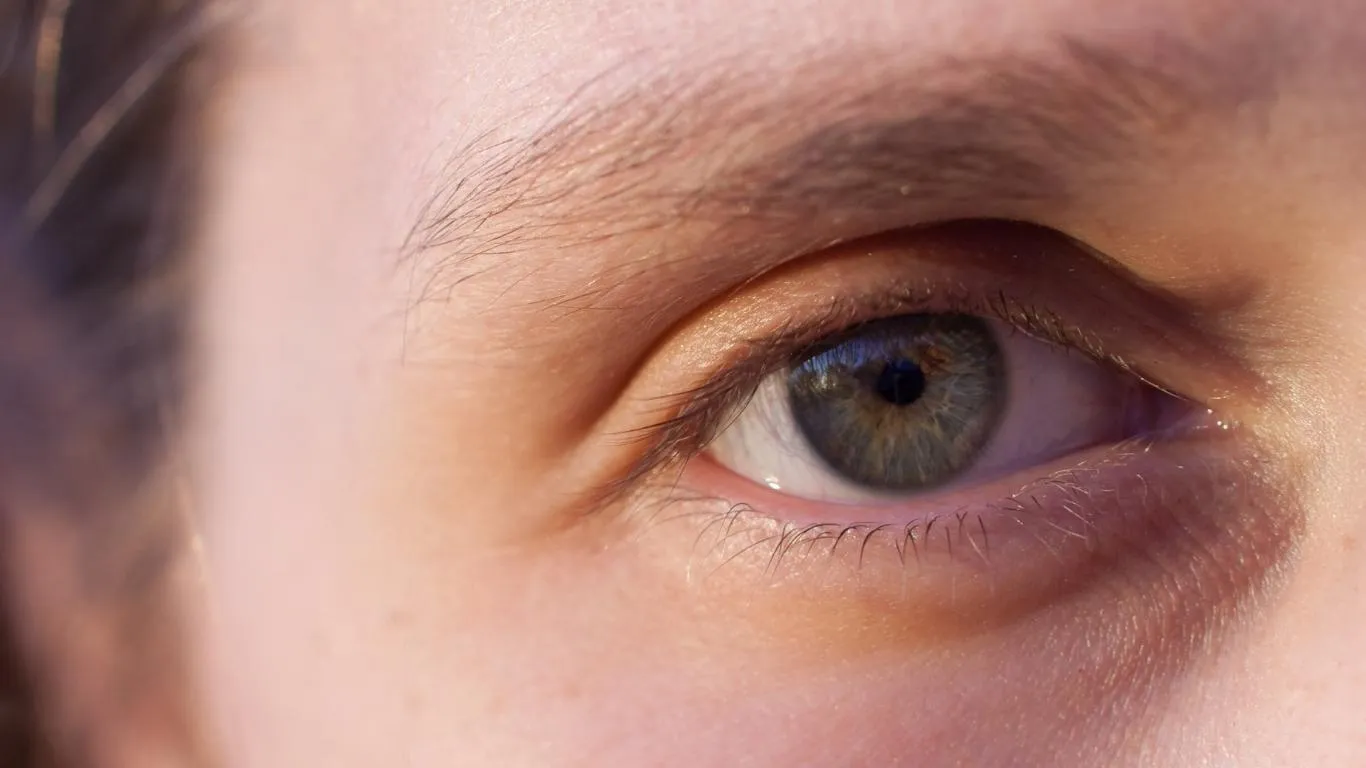
If floaters start interfering with your daily life—like reading, driving, or working—talk to your ophthalmologist. There are options like laser vitreolysis or vitrectomy, although they come with risks. It’s a big step, and definitely not something to take lightly.
Most of us are better off with lifestyle tweaks and better monitoring, especially when our priority is managing glaucoma.
For a deeper dive into the most common causes of floaters—including aging, injuries, and eye surgeries—check out this guide. It’s packed with useful insights if you’re trying to understand where your floaters might be coming from.
And if you’re just getting started with understanding floaters in general, this main article will walk you through the basics and beyond.
Sources: aao.org, mayoclinic.org, nih.gov
The more I talked with friends in glaucoma support groups, the more I realized I wasn’t the only one questioning whether my eye drops were messing with my vision. Floaters aren’t just some quirky visual trick—they’re downright distracting. And if you’re like me, juggling glaucoma treatment while trying to avoid extra eye issues, floaters can feel like one problem too many.
Why Some Glaucoma Meds Seem to “Wake Up” Old Floaters

One theory I ran into, and honestly makes a ton of sense, is that glaucoma medications don’t always *cause* floaters—they just make you more aware of the ones you already had.
Here’s why that might be true:
- Some drops slightly alter your pupil size or light sensitivity, making shadows from floaters more noticeable.
- Other meds may subtly thin the fluid in your vitreous, shifting floaters to more “visible” spots in your line of sight.
- And yes, anxiety plays a role. When you’re hyper-focused on your vision (which is common when dealing with glaucoma), every small flicker becomes something you can’t unsee.
What helped me? Learning to distinguish between harmless floaters and ones that mean trouble. Articles like this one on danger signs really opened my eyes (pun intended).
Eye Floaters and Medication Side Effects—A Complex Relationship

What We Know (and What We Don’t)
The science is still catching up here. Most glaucoma medications haven’t been directly linked to floaters in large-scale studies—but anecdotally, the stories are everywhere. I came across several threads where people on timolol, latanoprost, or dorzolamide all said the same thing: “I never had floaters until I started this stuff.”
One particularly useful piece I found dives into steroid drops and floaters. While not common in glaucoma, steroids are sometimes used in combo therapies. And they can contribute to posterior segment changes.
Screen Time, Stress, and Medication—A Bad Combo?
I work in front of a computer, like most of us. Combine that with stress (because glaucoma isn’t exactly a walk in the park), and you’ve got a recipe for eye fatigue. Turns out, there’s some connection between screen exposure and the perceived increase in floaters.
Floaters are often more noticeable against white or bright backgrounds—like screens and sunlight. So it’s not always your meds. Sometimes it’s your monitor.
How I’ve Learned to Live With Glaucoma Meds and Floaters (Without Losing It)
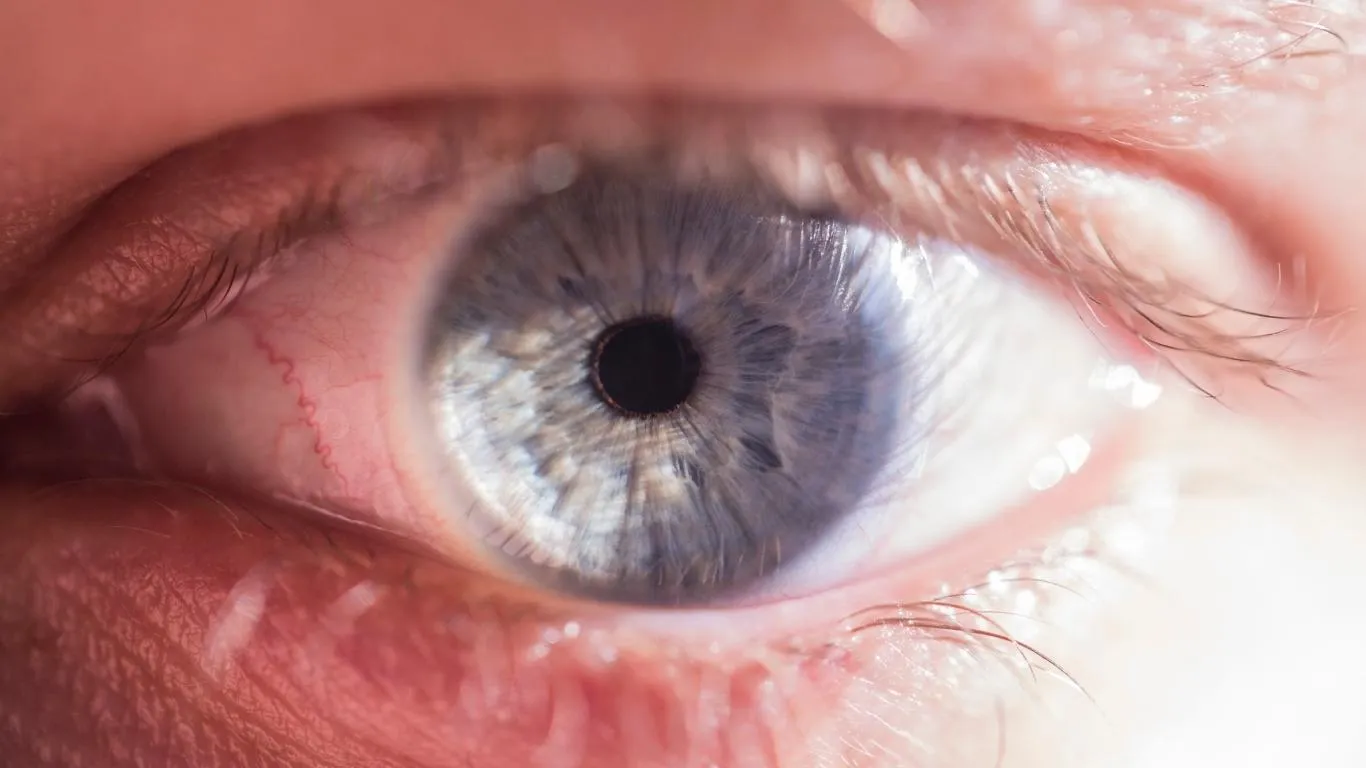
Managing both has been a journey. It’s not like floaters go away completely—but there are ways to make them less of a pain.
My Daily Floater Hacks:
- Blue-light filters: Huge difference for me during work hours.
- Eye massage and warm compresses: These reduce strain and improve comfort post-drop.
- Controlled lighting: I dim the brightness when reading. High contrast makes floaters jump out more.
- Mindfulness techniques: Sounds cliché, but meditation helps shift focus away from visual disturbances.
I’ve also made some lifestyle changes—more omega-3s, better hydration, and I started asking questions about any new eye medication I’m given. Awareness makes all the difference.
Could It Be Something Else? Conditions Mistaken for Floaters
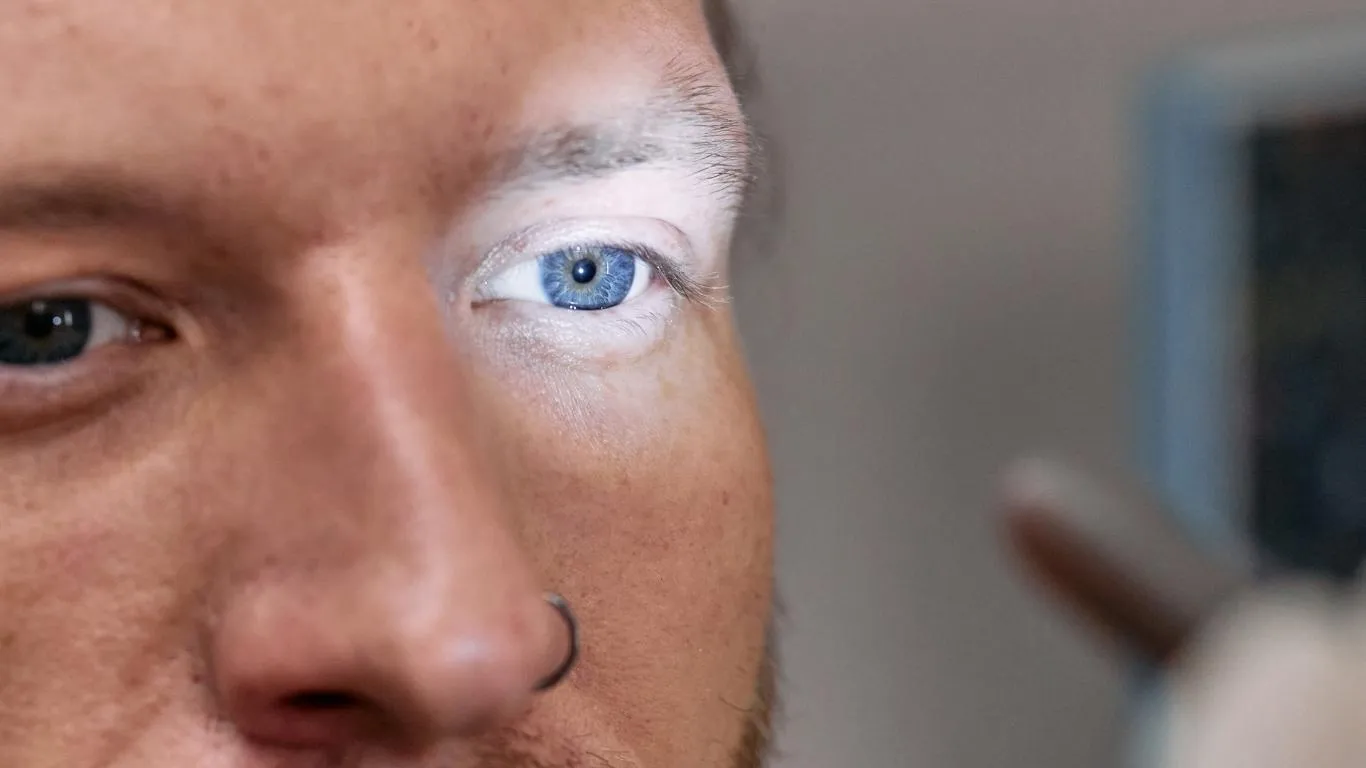
If you ever experience bright flickering zigzags, especially in both eyes, you might not be dealing with floaters at all. That’s migraine aura. Floaters don’t flash—they drift. If it’s flashing, it could be vitreous pulling on the retina, or something neurological.
Also, certain autoimmune diseases can trigger floaters due to inflammation. That’s one area I had to check out since I was also getting dry eye symptoms along with my floaters. It’s worth discussing with your doctor if your symptoms don’t feel “normal.”
Should You Change Your Glaucoma Meds Because of Floaters?

The million-dollar question. In my case, I didn’t switch—because my drops were controlling my IOP beautifully. But if floaters get worse, or your vision clarity starts dipping, it’s absolutely worth revisiting with your ophthalmologist.
Sometimes the solution isn’t a full med swap but adjusting dosage or drop frequency. Other times, switching to preservative-free formulas can ease eye stress and reduce irritation.
Either way, the conversation starts with recognizing that you’re not imagining things. Floaters are real, and their connection to glaucoma treatment—while not fully understood—is something eye care professionals are beginning to pay more attention to.
To dig deeper into treatment comparisons and which options may work better with fewer side effects, this article on distinguishing floaters from other eye problems is a must-read.
Also worth reviewing is this incredibly comprehensive overview of eye floaters that explains the broader picture if you’re starting to feel like a floater magnet (been there).
Sources: nih.gov, aao.org, webmd.com

Camellia Wulansari is a dedicated Medical Assistant at a local clinic and a passionate health writer at Healthusias.com. With years of hands-on experience in patient care and a deep interest in preventive medicine, she bridges the gap between clinical knowledge and accessible health information. Camellia specializes in writing about digestive health, chronic conditions like GERD and hypertension, respiratory issues, and autoimmune diseases, aiming to empower readers with practical, easy-to-understand insights. When she’s not assisting patients or writing, you’ll find her enjoying quiet mornings with coffee and a medical journal in hand—or jamming to her favorite metal band, Lamb of God.