Why Microdiscectomy Surgery Could Be Your Back Pain Breakthrough
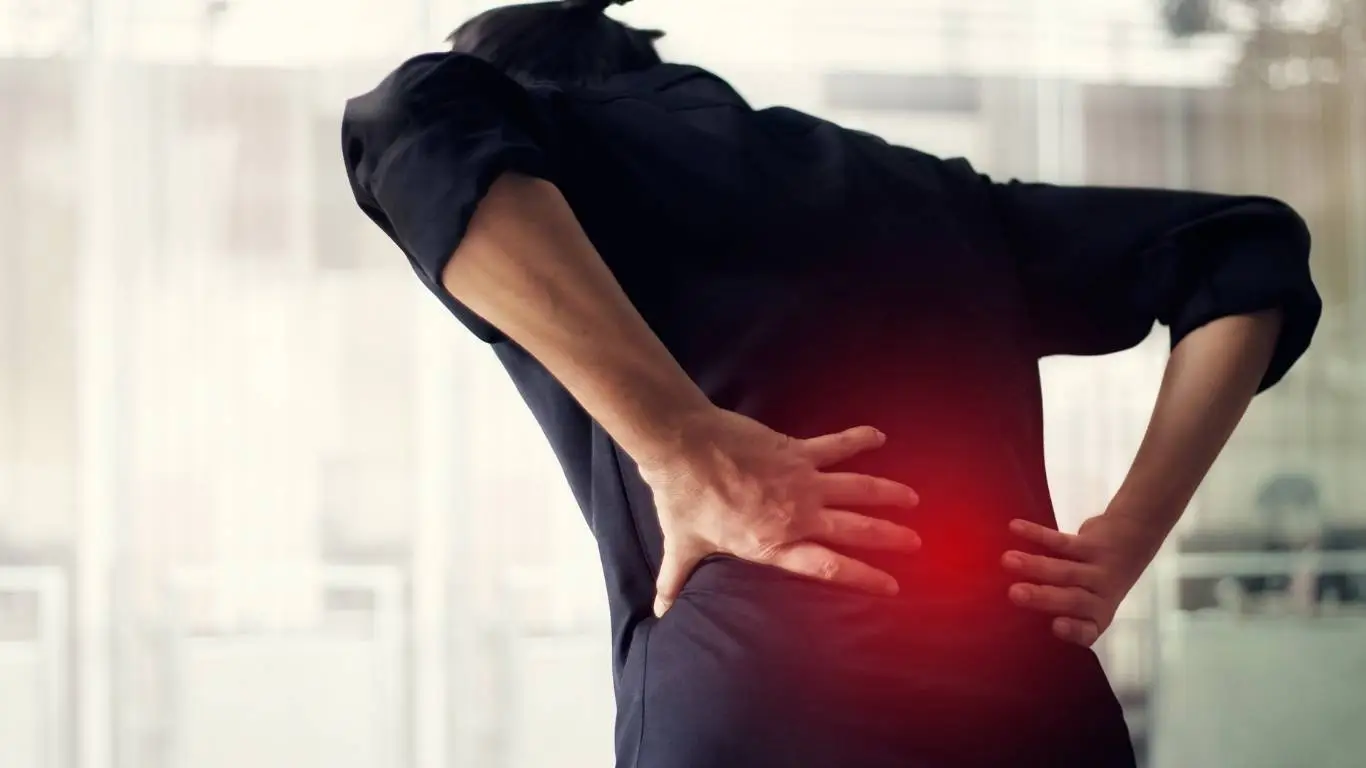
If you’ve ever experienced the kind of back pain that makes even sitting feel like a chore, you’re not alone. I remember vividly how my lower back pain would creep in by mid-morning, turning my workday into a countdown to bedtime. When it got to the point where walking felt like dragging an anchor, I knew I had to dig deeper. That’s when I stumbled onto something called microdiscectomy surgery—and no, it’s not as scary as it sounds.
What Exactly Is Microdiscectomy Surgery?

Microdiscectomy surgery is a minimally invasive procedure designed to relieve pressure on the spinal nerve roots caused by a herniated disc in the lumbar spine. Compared to traditional open spine surgery, it involves a smaller incision and a quicker recovery—something that was a major plus for me when I weighed my options.
The key goal here is to remove the fragment of the disc that’s pressing on the nerve. It’s not about removing the entire disc—just the part that’s causing trouble. The surgeon uses a microscope to guide precise tools through a small incision, hence the “micro” in microdiscectomy.
Why People Opt for Microdiscectomy

Back pain can be maddening. For some, physical therapy and lifestyle changes do the trick. For others—especially when leg pain, numbness, or weakness (hello, sciatica) becomes relentless—surgery like microdiscectomy becomes the next best step.
According to spine-health.com, this procedure has a high success rate, particularly for patients under 40 who haven’t responded well to non-surgical treatments. What finally pushed me to consider it? Simple—I wanted my life back. Missing hikes, workouts, and even sitting comfortably at a dinner table just wasn’t acceptable anymore.
- Persistent leg pain (sciatica) that doesn’t improve
- Severe nerve root compression symptoms
- Loss of bladder or bowel control (in extreme cases)
- Failed conservative treatments over 6+ weeks
Microdiscectomy vs. Traditional Discectomy
The word “surgery” used to terrify me—until I learned that not all surgeries are created equal. The beauty of microdiscectomy lies in its minimally invasive nature. Traditional discectomy, by contrast, usually involves a larger incision, more muscle disruption, and a longer recovery time.
One of the standout benefits I discovered while researching was how much faster patients typically recover from microdiscectomy. Most people walk out of the hospital the same day, and some even return to desk jobs within a week or two.
- Smaller incision means less trauma to muscles and tissues.
- Shorter hospital stay—often outpatient.
- Reduced infection risk thanks to minimal exposure.
- Faster recovery and return to daily activities.
What Happens During the Procedure?

The surgery itself usually takes about 1–2 hours. Under general anesthesia, a small incision—usually 1–1.5 inches—is made in the lower back. The surgeon carefully moves muscles aside to access the vertebrae, then removes a small portion of bone (called the lamina) to reach the herniated disc. The offending disc material is removed, pressure is relieved, and voila—space for the nerve to heal.
According to clevelandclinic.org, surgeons may also use a tubular retractor and an operating microscope for precision, keeping muscle trauma to a minimum.
Post-Surgery Recovery: What to Expect

I won’t lie—my recovery had its ups and downs. But compared to horror stories I’d heard about traditional back surgeries, mine was smooth sailing. I was walking the next day (albeit slowly), and within two weeks, I was back to light work. Here’s what you can generally expect after microdiscectomy:
- Day 1: You’ll walk with assistance. Minimal pain if managed correctly.
- Week 1–2: Avoid bending, twisting, or lifting. Walking is encouraged.
- Week 3–4: Light work or office tasks may resume.
- Month 2+: Physical therapy, if needed, and slow return to normal activities.
One thing that really helped me was understanding the importance of posture and core strength post-op. You might find this breakdown on how posture affects back pain eye-opening. Also, be aware that muscle strain recovery plays a role in avoiding re-injury.
Who Should Avoid Microdiscectomy?

This surgery isn’t for everyone. If your pain isn’t due to a herniated disc or you have significant spinal instability, other treatments might be more suitable. And if you’re not sure what’s causing your pain, it’s worth reading up on unexpected causes of lower back pain.
You’ll also want to rule out things like infections, tumors, or certain types of arthritis—especially ankylosing spondylitis, which has a very different treatment pathway.
Helpful Internal Guides for Further Reading
Whether you’re just starting to explore your options or already scheduled for surgery, learning more about what’s happening in your spine can help you feel more in control. Trust me—once you understand what microdiscectomy actually is, the fear starts to fade. It sure did for me.
What Recovery Looks Like After the First Few Weeks

Once the initial healing phase passed, my biggest concern was getting back to normal without setting myself back. I was told to avoid heavy lifting, awkward movements, and—surprisingly—sitting for long periods. That’s right. Just sitting could cause setbacks if I wasn’t mindful.
By week four, I was walking every day and doing light stretching. That’s when physical therapy kicked in. The focus? Strengthening my core, improving flexibility, and retraining my posture habits. If you’re on this journey, I can’t stress enough how important the right stretching routine is. Not just any stretch—you need back-specific, controlled movements.
Here’s what helped me recover smarter:
- Short walks every few hours instead of one long one
- A lumbar support pillow (total game changer for car rides!)
- Sleeping with a pillow under the knees to keep the spine neutral
- Daily stretches guided by my physical therapist
And yes, the occasional heating pad was a lifesaver after PT. Be careful not to overdo it with movement, especially if you start to feel “too good.” That overconfidence can sneak up and cause a setback.
How to Protect Your Back Long-Term

If you’re like me, you’re not just thinking about getting out of pain—you want to make sure it stays away. That’s where your daily habits come in. Even the best surgery can’t fix poor posture or a weak core if you go back to old routines.
One of the best long-term investments I made was trying pilates for back health. It’s low impact, core-focused, and actually enjoyable. Plus, strengthening your core is essential to prevent future disc issues.
- Prioritize ergonomic setups at work
- Lift with your legs—not your back
- Take movement breaks every 45–60 minutes
- Sleep on a supportive mattress
I also found swimming to be incredibly helpful, especially once my body felt ready. The buoyancy takes pressure off the spine, and gentle swimming routines kept me active without the fear of re-injury.
Common Misconceptions About Microdiscectomy

One of the most common things I heard before surgery was, “What if it doesn’t work?” And yes, while no surgery is a 100% guaranteed fix, microdiscectomy boasts a high satisfaction rate. Studies from mayoclinic.org show symptom relief in up to 90% of cases when the cause is a clear, confirmed herniated disc.
Let’s clear up a few other myths:
- “You’ll be on bed rest for weeks.” Nope. Walking is encouraged almost immediately.
- “It’s dangerous because it’s surgery.” While all surgeries have risks, microdiscectomy is one of the safest spinal procedures.
- “It’s only for older adults.” Not at all. I was in my 30s when I had mine, and it’s commonly performed on patients as young as their 20s.
Also worth noting—some folks worry about becoming “dependent” on surgery. But this isn’t like some chronic condition requiring repeated procedures. Most patients never need a second surgery, especially if they follow post-op care instructions carefully.
When Microdiscectomy Might Not Be Enough

In some cases, the problem isn’t just a herniated disc. Maybe there’s spinal instability, bone overgrowth, or other structural changes that a microdiscectomy alone won’t fix. If your imaging shows signs of multiple level degeneration or spinal stenosis, it’s important to look into broader treatment options.
I highly recommend reading this spinal stenosis guide to understand how it differs from a disc herniation—and how treatment strategies shift.
There’s also the issue of scar tissue, or epidural fibrosis, which can occasionally lead to lingering symptoms. But this is rare and usually manageable with therapy or minor follow-ups. If symptoms worsen post-op, always consult your surgeon early—don’t just “tough it out.”
Emotional Recovery: An Overlooked Piece

No one talks enough about the emotional side of recovery. For me, the mental toll of chronic pain was worse than the physical discomfort. The fear of re-injury, the frustration of slow progress—it’s all real. Don’t be afraid to seek emotional support, whether that’s a therapist, support group, or even journaling.
Articles like this one on emotional aspects of back pain helped me realize I wasn’t crazy for feeling anxious or impatient. It’s normal—and getting past that fear was a huge milestone in healing fully.
What I Wish I Knew Before Surgery
Looking back, I wish I had known how much of recovery is about patience and consistency—not perfection. I also underestimated how much ergonomics and rehab matter after surgery. A few key tools—like a standing desk and lumbar cushion—made a world of difference.
And honestly, I wish I hadn’t waited so long to consider microdiscectomy. I kept thinking I could “push through it,” and I lost nearly a year of mobility and joy. If you’ve tried everything else and your MRI shows the problem clearly, this might be the step forward you’ve been looking for.
Helpful Guides to Explore Next

Camellia Wulansari is a dedicated Medical Assistant at a local clinic and a passionate health writer at Healthusias.com. With years of hands-on experience in patient care and a deep interest in preventive medicine, she bridges the gap between clinical knowledge and accessible health information. Camellia specializes in writing about digestive health, chronic conditions like GERD and hypertension, respiratory issues, and autoimmune diseases, aiming to empower readers with practical, easy-to-understand insights. When she’s not assisting patients or writing, you’ll find her enjoying quiet mornings with coffee and a medical journal in hand—or jamming to her favorite metal band, Lamb of God.