Why Mindfulness-Based Cognitive Therapy Transforms Anxiety Recovery
Mindfulness-Based Cognitive Therapy (MBCT) didn’t just help me manage my anxiety—it completely reshaped the way I understand it. I remember sitting in a therapist’s office, shoulders tight, constantly bracing for a “what if” scenario that rarely came true. It felt like my brain was wired to worry. What changed? I discovered that managing anxiety wasn’t always about fighting it—it was about noticing it without letting it take over. That shift came from learning to be present, which is what MBCT is all about.
What Is Mindfulness-Based Cognitive Therapy, Really?

Let’s break it down. MBCT is a blend of cognitive behavioral strategies and mindfulness practices. Think of it like this: Cognitive therapy helps you recognize unhelpful thinking patterns, and mindfulness helps you not get swept up in them. Put the two together, and you have a powerful tool for stepping out of your mental storm without trying to “fix” it in the moment.
What struck me most was how MBCT doesn’t ask you to banish anxiety. Instead, it teaches you to sit beside it—like a companion you don’t always enjoy, but can coexist with.
How MBCT Approaches Anxiety Differently

Traditional cognitive therapies target the thoughts themselves. MBCT, however, is more interested in your *relationship* with those thoughts. Here’s what makes it stand out:
- Decentering: Learning to view thoughts as events in the mind—not facts.
- Acceptance: Letting unpleasant emotions come and go without judgment.
- Awareness: Cultivating present-moment attention to notice what’s really happening.
When I first learned to “observe” my anxiety instead of scrambling to fix it, it felt foreign. But that pause between noticing and reacting? That’s where freedom lives.
Real-Life Practices from MBCT That Actually Help

1. The Three-Minute Breathing Space
This quick, structured check-in asks: What’s going on right now? Can I focus on my breath? Can I expand that awareness to my body and surroundings? I use it when I feel that familiar tension start creeping up in my shoulders.
2. Mindful Movement
MBCT often includes gentle yoga or stretching. I’m not a yoga person—but these slow, intentional movements were surprisingly grounding. It helped reconnect me with my body, especially when my thoughts felt overwhelming.
3. Body Scan Meditation
This one is gold. You lie down, breathe deeply, and slowly bring attention to each part of your body. It’s like sending each muscle group a love letter. You’d be amazed at how much tension you’re holding until you consciously let it go.
And the best part? These practices don’t require a guru, a fancy app, or a Himalayan retreat. You can do them in your living room in your pajamas. No shame—I do it often.
Why It Works for Generalized Anxiety Disorder (GAD)

MBCT was originally developed for preventing relapse in depression, but it’s shown major promise for anxiety—especially Generalized Anxiety Disorder (GAD). GAD thrives on constant mental chatter and the “what-if” loop. MBCT helps break that cycle by giving you tools to see those loops, not spiral into them.
Clinical studies support this too. For instance, research published via ncbi.nlm.nih.gov has consistently shown MBCT reduces anxiety symptoms and improves emotional regulation. What that means in plain English? It helps you feel less hijacked by your own thoughts.
And no, it’s not all in your head. There’s neuroscience behind it. Regular mindfulness practice changes the brain—thickening the prefrontal cortex (decision-making) and reducing activity in the amygdala (fear center). It’s like rewiring your internal alarm system to stop freaking out over burnt toast.
Is It Better Than Medication or CBT Alone?

That’s not a black-and-white answer, but MBCT can be a powerful complement—or alternative. While medications like SSRIs are effective (learn more here), they don’t always address the *thinking habits* that keep anxiety going.
Cognitive Behavioral Therapy (CBT) on its own is also great—but when combined with mindfulness, it often leads to longer-lasting change. I found that MBCT helped the insights from therapy stick better. Instead of just understanding why I worried, I had tools to respond differently when worry showed up.
Making MBCT a Part of Daily Life (Without Feeling Like a Monk)
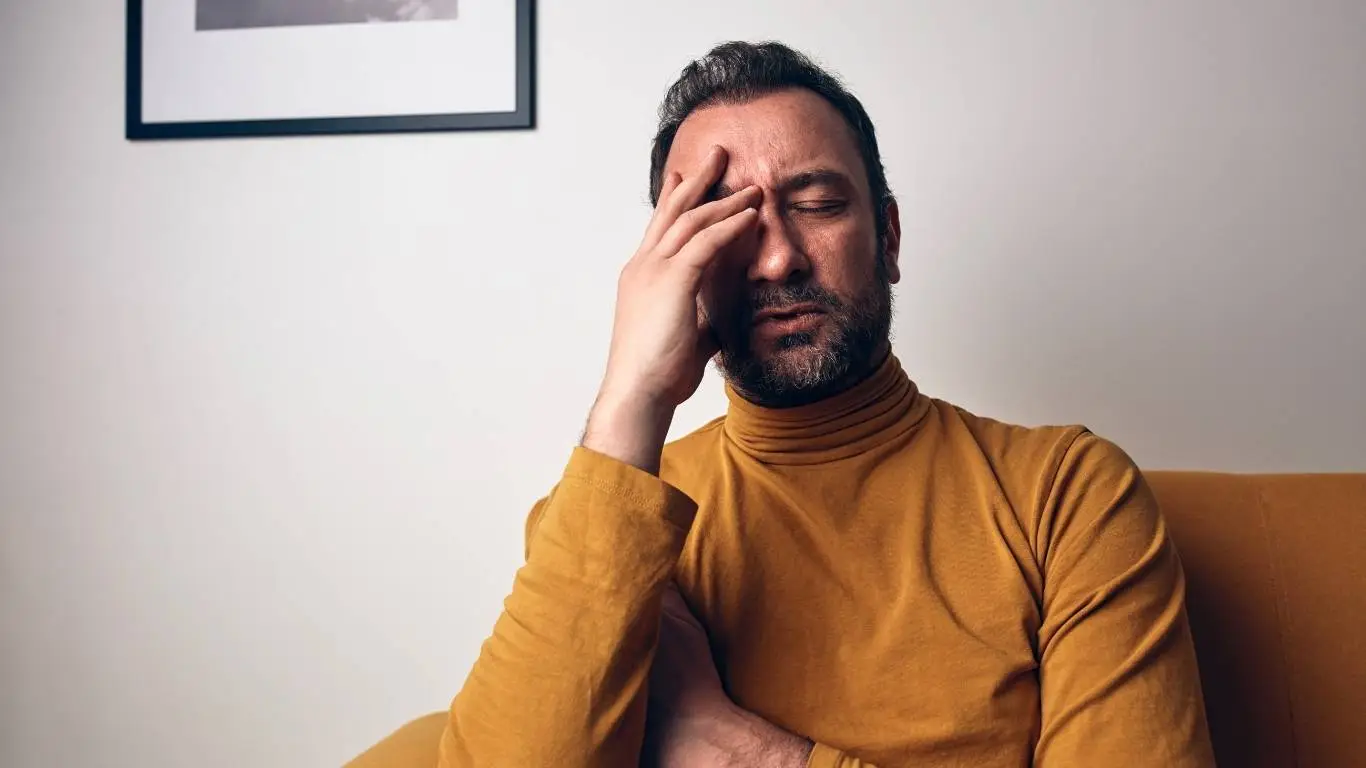
You don’t need to quit your job, shave your head, or live in a yurt to benefit from mindfulness. Small shifts in your day can have a big impact. Here’s what worked for me:
- Start the day with 5 minutes of mindful breathing—before reaching for your phone.
- Notice the taste and texture of your food instead of eating on autopilot.
- Take 30-second pauses during stressful work moments to check in with your breath.
It’s not about becoming perfectly “zen.” I still get anxious. I still spiral sometimes. But now, I notice it sooner. I catch it before it takes me on a ride. That awareness is everything.
If you want to go deeper, MBCT is often taught in 8-week group programs. Many therapists and clinics now offer virtual options too. Curious? Read more on the psychotherapy approach to anxiety disorders for a broader perspective.
Want a more complete picture of anxiety’s ripple effects? This piece on how anxiety disorders can quietly take over your daily life gives some eye-opening insight.
Building Long-Term Resilience with MBCT

One thing I didn’t expect from MBCT was how much it would change the *rest* of my life—not just how I handled anxiety. I started noticing when I was being reactive instead of intentional. I caught myself mid-rant or worry spiral and thought, “Wait—breathe.” That pause? It’s priceless. MBCT builds that kind of resilience over time. It doesn’t “fix” you—it makes you your own safe place.
The goal isn’t to never feel anxious again (spoiler: that’s not realistic), but to stop fearing anxiety itself. Because when you stop fighting it, you stop fueling it. That’s something I had to learn the hard way.
Everyday Tools That Actually Stick

MBCT works best when it becomes a part of your everyday rhythm—not a one-time fix. Here are a few surprisingly doable practices I still lean on regularly:
1. Habit Stacking
I started doing a one-minute body scan while waiting for my coffee to brew. No big ritual, just a quick mental check-in. You’d be amazed how grounding it feels to simply notice where your tension is without trying to change it.
2. Anchoring with the Breath
I set gentle vibration reminders on my phone twice a day—nothing dramatic, just a cue to take three slow breaths. It’s a small moment, but it helps reset my nervous system like a reboot button.
3. Mindful Transitions
Rather than jumping from task to task like a caffeinated squirrel, I now pause before moving on. Even five seconds to breathe between emails, chores, or conversations helps me feel less frantic.
The Science Backs It Up—But So Does Experience

While anecdotal experience counts for a lot (mine included), MBCT also has serious credibility in the clinical world. Studies from reputable sources like apa.org and psychologytoday.com show it consistently reduces symptoms of anxiety, especially when people stick with the practice long-term.
More importantly, it helps prevent relapse. That’s a huge deal. If you’ve ever felt like you’re doing better only to crash again a month later, MBCT offers a way to stay steady through life’s ups and downs. It’s not magic—it’s maintenance.
Common Misconceptions About MBCT (And What Actually Happens)

When I first heard about MBCT, I had a few assumptions—some wrong, some *really* wrong. Here’s what I’ve learned, after going through it myself:
- “You have to clear your mind.” Nope. MBCT isn’t about emptying your head—it’s about *noticing* what’s in there without judgment.
- “You need to meditate for hours.” I rarely go beyond 10–15 minutes. It’s the consistency, not the duration, that makes the difference.
- “It’s too ‘woo-woo’ for me.” I get it. I used to roll my eyes at anything involving deep breathing. But MBCT is evidence-based and structured—it’s grounded, not fluffy.
If you’re still skeptical, you’re not alone. One way I eased in was by reading about how it compares to more traditional tools like CBT. Turns out, they’re more like siblings than rivals.
When MBCT Might Not Be Enough on Its Own
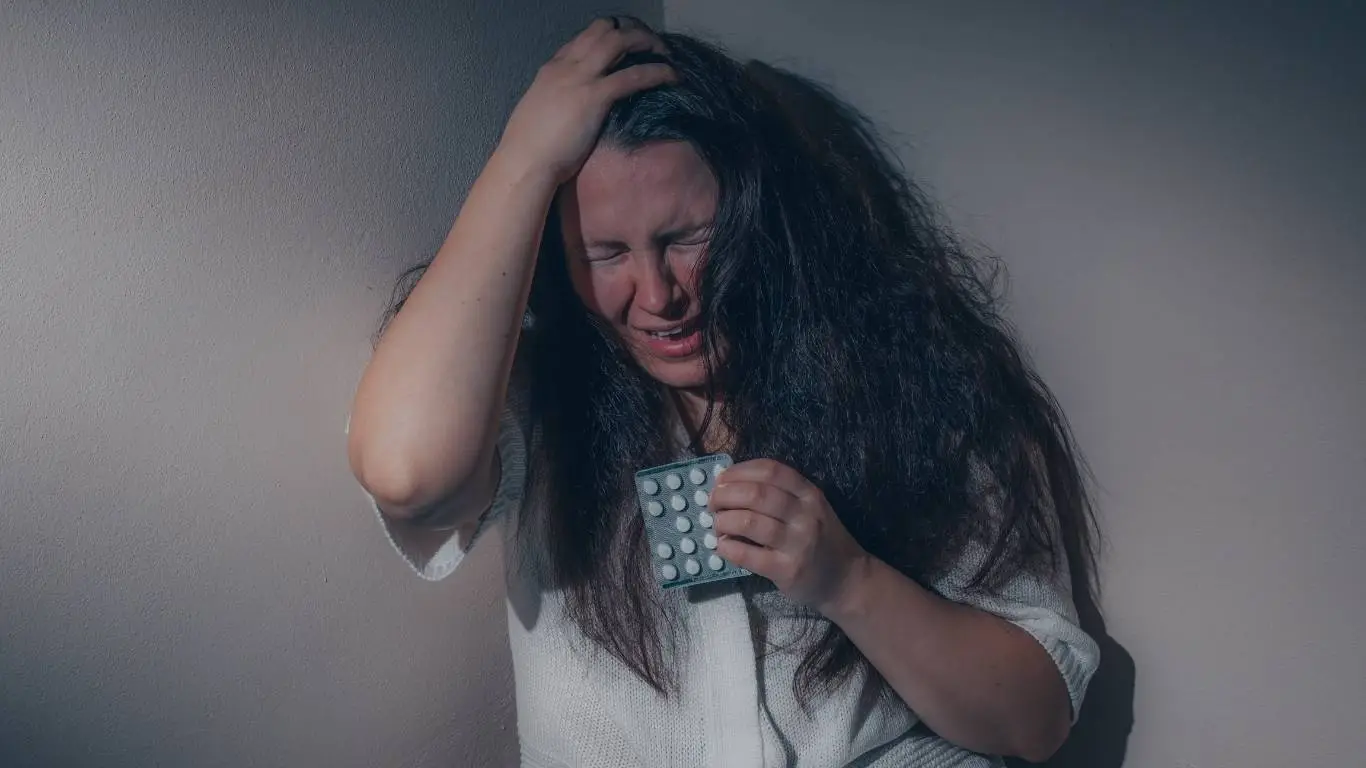
MBCT isn’t a miracle pill—and that’s okay. There are times when pairing it with other strategies makes a lot of sense. For example:
- If your anxiety is so intense it’s interfering with daily functioning, combining MBCT with medication or other forms of therapy might help.
- Some people benefit from trauma-focused therapies like EMDR in addition to mindfulness.
- If your anxiety stems from unresolved physical symptoms, exploring options like nutrition-related approaches could support healing from multiple angles.
In my case, it wasn’t about choosing one tool. It was about building a toolbox—and MBCT just happens to be the one I reach for the most.
How to Get Started Without Getting Overwhelmed

If you’re thinking of trying MBCT but feel intimidated, you’re not alone. Start small. Here’s what helped me ease in:
- Pick one practice: A 3-minute breath awareness session can be a powerful gateway.
- Use guided meditations: There are excellent MBCT-based recordings from university-affiliated centers and apps backed by research.
- Don’t go it alone: If you can, join a group-based MBCT course. The shared experience makes a difference, and licensed facilitators offer structure.
It also helped me to stop chasing perfection. Some days, my practice was messy and distracted. That’s normal. The point is to show up, not show off.
Where MBCT Fits Into the Bigger Picture of Anxiety Care

MBCT is just one approach—but for many, it’s a game-changer. If you’re looking for a strategy that aligns mental, emotional, and physical health, it’s a solid choice. For a full understanding of how this fits into comprehensive care, check out the full guide on psychotherapy and counseling for anxiety disorders.
It also complements everything shared in the broader breakdown on how anxiety disorders quietly take control, which gives the bigger lens on how deeply these patterns run.
I’m not here to sell a one-size-fits-all answer. But if you’re exhausted from trying to outthink your anxiety, MBCT offers something rare: permission to stop struggling and start noticing. And sometimes, that’s the first step toward finally feeling free.

Camellia Wulansari is a dedicated Medical Assistant at a local clinic and a passionate health writer at Healthusias.com. With years of hands-on experience in patient care and a deep interest in preventive medicine, she bridges the gap between clinical knowledge and accessible health information. Camellia specializes in writing about digestive health, chronic conditions like GERD and hypertension, respiratory issues, and autoimmune diseases, aiming to empower readers with practical, easy-to-understand insights. When she’s not assisting patients or writing, you’ll find her enjoying quiet mornings with coffee and a medical journal in hand—or jamming to her favorite metal band, Lamb of God.