
Why Parenting With Chronic Anxiety Quietly Drains Your Energy
If you’re a parent dealing with chronic anxiety, you already know that it’s not just about managing your own emotions—it’s about holding everything together while your brain runs marathons in the background. I’ve been there. The morning chaos, the guilt, the constant what-ifs… it’s a special kind of mental juggling act that most people can’t see—but you feel it in your bones every single day. And sometimes, it feels like no amount of deep breathing can keep the tears from creeping up during bedtime stories.
The Quiet Struggle of Parenting with Chronic Anxiety

Chronic anxiety doesn’t take a back seat just because you’re a mom or dad. If anything, it amplifies the pressure. There’s this invisible checklist running in your mind 24/7—are they eating enough? Are they happy? Am I doing this right?
And the kicker? Anxiety makes you question every parenting decision, sometimes to the point where even choosing the right snack feels like a moral dilemma. That’s not drama—it’s the reality for many of us who are silently navigating both parenthood and an anxiety disorder.
What Chronic Anxiety Feels Like as a Parent
- A constant sense of urgency, even when nothing is wrong.
- Racing thoughts that won’t quit, especially at night.
- Feeling emotionally overstimulated by small tasks.
- Hyperawareness of your child’s mood, safety, and development.
- Mom or dad guilt that comes from being “emotionally unavailable.”
That last one stings. I’ve had moments where I knew I was physically present, but emotionally checked out. And I hated myself for it. But guess what? You’re not alone, and you’re certainly not broken.
Why Your Anxiety Isn’t “Just Stress”

A lot of parents mistake chronic anxiety for burnout or exhaustion. But it’s more than that. Chronic anxiety tends to become part of your internal narrative—it tells you that if you’re not worried, you’re not trying hard enough. It’s not just stress; it’s your brain hardwired in overdrive.
According to National Institute of Mental Health, generalized anxiety disorder affects millions of adults and can start to erode daily function if left unmanaged. And when you’re parenting under that weight? It’s exhausting, no matter how much love you have to give.
Signs You May Be Parenting Through Chronic Anxiety
- You frequently feel like you’re “failing” your child—without evidence.
- You second-guess decisions long after they’re made.
- Simple changes in your child’s behavior trigger intense worry.
- You feel the need to control every little thing to keep the anxiety at bay.
- Your mind plays worst-case scenarios like a broken record.
Sound familiar? It’s not weakness—it’s a symptom. And recognizing that matters. In fact, knowing the signs is the first step to getting a better handle on it. If you want a deeper dive into how anxiety shows up in parenting, the symptoms of anxiety disorders go far beyond the obvious.
How Chronic Anxiety Impacts Your Kids (Even When You Think You’re Hiding It)

Here’s the tough part: our kids notice more than we think. Even when we try to smile through it or keep our meltdowns to the bathroom, children are very intuitive. They pick up on mood shifts, tension in the home, and emotional withdrawal—even if they can’t put it into words.
I remember once, after a sleepless night of spiraling thoughts, my son asked, “Mommy, are you sad in your eyes?” He was five. That question hit me like a freight train.
Ways Anxiety Can Manifest in Parenting Behavior
- Overprotection and control
- Difficulty with consistency in discipline
- Withdrawing emotionally during anxious spikes
- Struggling to fully enjoy moments with your kids
- Difficulty managing conflict without internal panic
That doesn’t mean you’re doing a bad job. On the contrary—your awareness already puts you ahead. What matters most is not being perfect, but being real and responsive. And it starts with taking care of your own mental health, so you’re better equipped to care for theirs. Learn more about how daily anxiety quietly disrupts your routine and how to soften its grip before it spills over.
Strategies That Help—Even If You Don’t Have Time

Let’s be real—most self-care advice doesn’t work when you’re parenting. “Take a bath,” they say. Sure, but who’s watching the toddler trying to pour cereal on the dog?
That said, there are small, sustainable ways to ease anxiety without needing a 90-minute break from life. Here are a few strategies that have actually worked for me, and others juggling similar challenges:
Low-Lift Techniques for Managing Parenting Anxiety
- Micro-meditation: 3 deep breaths during snack time. That’s it. It helps regulate your nervous system.
- Journaling “worry time”: Dump your anxieties onto paper for 5 minutes after the kids go to bed. Then close the notebook. Let it live there.
- Body scans during dishes: As you wash, notice where your body feels tense. Relax your shoulders, jaw, and hands.
- One honest conversation a week: With your partner, a friend, a therapist. Let someone in.
- Audio therapy: While folding laundry, listen to calming affirmations or anxiety-focused podcasts.
More proven methods like progressive muscle relaxation and journaling can also bring clarity—without eating up your already-tight schedule.
And don’t forget, your body chemistry plays a role too. If you’re running on caffeine and zero nutrients (guilty!), you might want to explore how nutrition impacts anxiety or even mental health probiotics.
For a bigger-picture view of how anxiety shapes your world—including your parenting—this main article on anxiety disorders is worth your time.
How to Communicate Anxiety with Your Kids (Without Scaring Them)
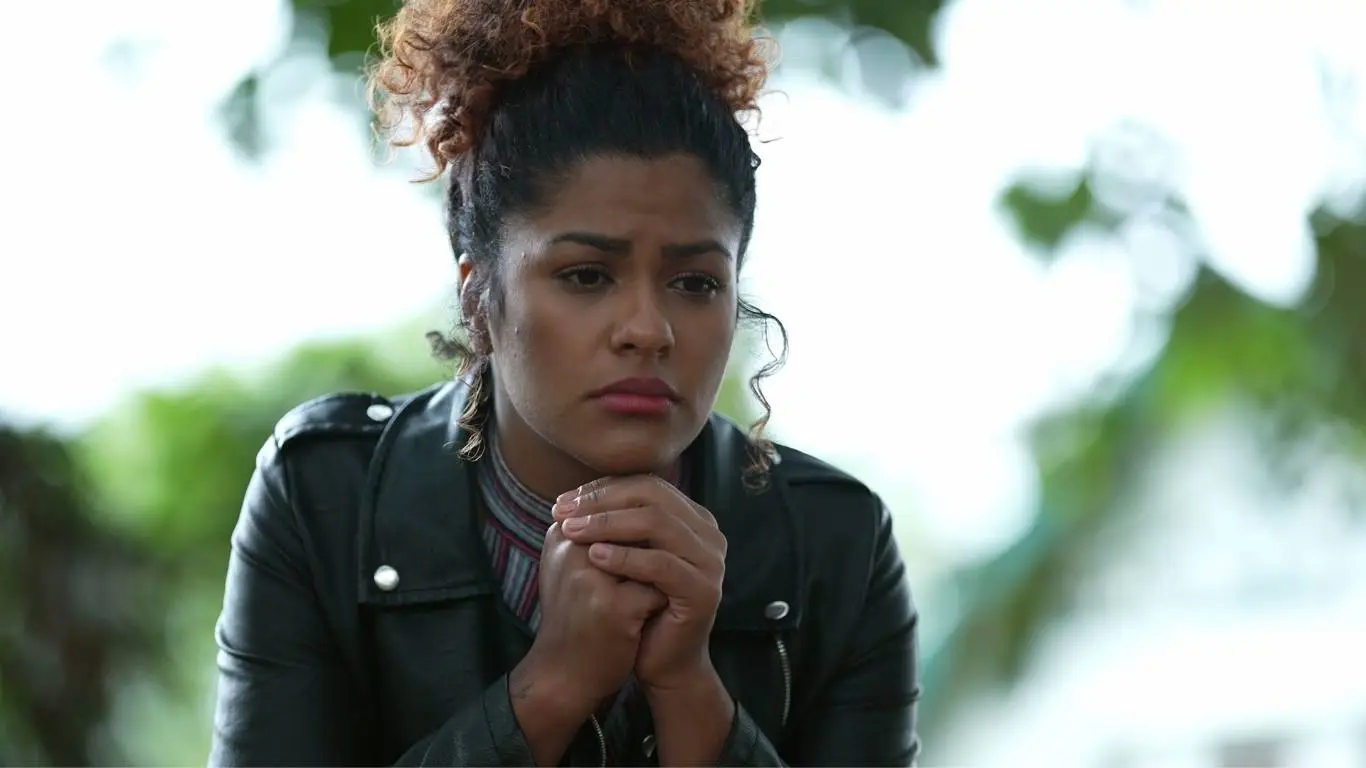
This one took me years to figure out: how much should I share with my kids about my anxiety? I didn’t want to burden them, but I also didn’t want to pretend everything was fine when it wasn’t. Eventually, I found a middle ground—honesty, in kid-sized doses.
When I’d have a rough day, I started saying things like, “Mommy’s feeling a little worried today, but I’m okay.” And that was enough. It showed my kids that emotions are normal and manageable, and that it’s okay to talk about them.
Tips for Emotionally Healthy Communication
- Use age-appropriate language: “Worried” works better than “anxious” for little ones.
- Label emotions openly: Teach them words for their own feelings by modeling your own.
- Reassure, don’t overshare: Let them know you have tools and support to handle what you’re feeling.
- Encourage questions: Kids are curious—they’ll ask. Be ready with calm, brief answers.
And don’t underestimate how powerful your vulnerability can be. When children see that even grownups need to pause and breathe, you’re giving them emotional permission to do the same. There’s a reason approaches like Acceptance and Commitment Therapy are making waves—they teach you to live with your emotions, not against them.
Support Systems That Actually Make a Difference

Let’s be honest—parenting with chronic anxiety can feel lonely. Sometimes the hardest part is believing that anyone else really gets it. That’s why the right support system is everything.
I found mine in unexpected places. One was a Facebook group for anxious moms. Another was a local parent meetup where I awkwardly admitted my struggles and found others nodding in relief. And of course, therapy—once I found the right fit—changed the game. It helped me challenge the thought patterns that were quietly running my parenting decisions in the background.
Where to Find Real Support
- Virtual therapy options: If time is tight, consider online sessions.
- Support groups: Local mental health centers often host free parent-focused groups.
- Community forums: Reddit’s r/Parenting and r/Anxiety are surprisingly helpful spaces.
- Trusted family and friends: Let one person in, even if it’s just to vent or cry on the phone.
If you’re not sure where to start, consider exploring psychotherapy options specifically tailored for anxiety. You don’t have to do this alone.
Daily Routines That Quiet the Mental Noise

Let’s be clear—parenting with anxiety doesn’t mean you have to overhaul your life overnight. But small routines, repeated daily, can create powerful signals to your brain that say, “You’re safe. You’ve got this.”
One thing that helped me massively? Building in non-negotiable moments of calm. Not spa days—just three to five minute check-ins that became a ritual. Like a morning stretch before waking the kids. Or five minutes of grounding in the car before school pickup.
Small But Powerful Routines to Anchor Your Day
- Morning: Start with a gratitude list—even if it’s just “coffee and no tantrums (yet).”
- Midday: Hydration + sunlight break. Just 5 minutes can reset your nervous system.
- Evening: Gentle screen-free wind-down with music or a light book.
Even better? Involving your child in some of these habits can teach them by example. It becomes less about managing your anxiety and more about shaping a mindful household. If you’re still figuring out where to start, lifestyle and self-help strategies for anxiety can guide the way.
When You Need More Than Coping Tools

I wish I could say meditation and journaling always did the trick—but some seasons hit harder than others. There were months when I couldn’t focus, couldn’t sleep, couldn’t show up for myself or my kids the way I wanted to. That’s when I knew I needed more than tools—I needed treatment.
There’s no shame in that. In fact, seeking help is one of the most courageous, clear-headed things you can do as a parent. Whether it’s talking to a therapist, trying medication, or both, support is not a crutch—it’s a launchpad.
More parents than ever are exploring treatment options like SSRIs or Buspirone under medical guidance. Some are turning to holistic approaches like Mindfulness-Based Cognitive Therapy or group therapy that focuses on anxiety and parenting dynamics.
If you’re still navigating treatment options, or wondering where you fall on the spectrum, the diagnostic and assessment process can provide some helpful clarity.
You’re Not Alone—And You’re Doing Better Than You Think
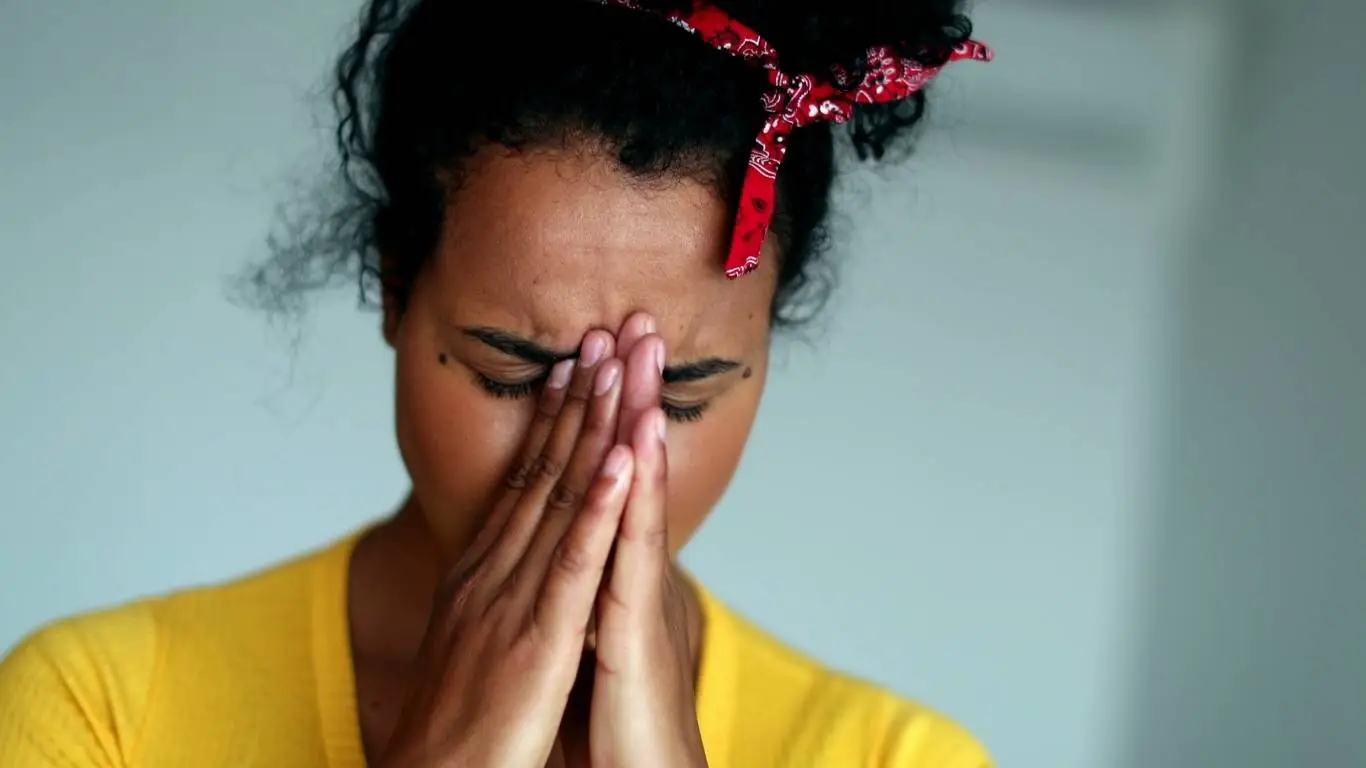
I know this life. The invisible weight of chronic anxiety, the impossible standards you hold yourself to as a parent, and the fear that somehow, your kids will be affected by it all. But here’s the truth: they won’t remember the moments you spiraled. They’ll remember that you loved them enough to try, every single day.
That matters. And it’s enough.
For a deeper understanding of how anxiety affects the bigger picture of your life, especially as a caregiver, you can explore the broader pillar article here.

Camellia Wulansari is a dedicated Medical Assistant at a local clinic and a passionate health writer at Healthusias.com. With years of hands-on experience in patient care and a deep interest in preventive medicine, she bridges the gap between clinical knowledge and accessible health information. Camellia specializes in writing about digestive health, chronic conditions like GERD and hypertension, respiratory issues, and autoimmune diseases, aiming to empower readers with practical, easy-to-understand insights. When she’s not assisting patients or writing, you’ll find her enjoying quiet mornings with coffee and a medical journal in hand—or jamming to her favorite metal band, Lamb of God.