Why Relaxation Music Benefits For Anxiety Relief Actually Work
It’s wild how a simple melody can calm chaos. I used to think relaxation music was just spa background noise, but now, after years of navigating anxiety, it’s one of my go-to tools. Whether it’s winding down after a stressful workday or grounding myself mid-panic, music offers a kind of mental sanctuary that feels surprisingly powerful—like a friend who doesn’t need words.
How Relaxation Music Calms an Anxious Mind
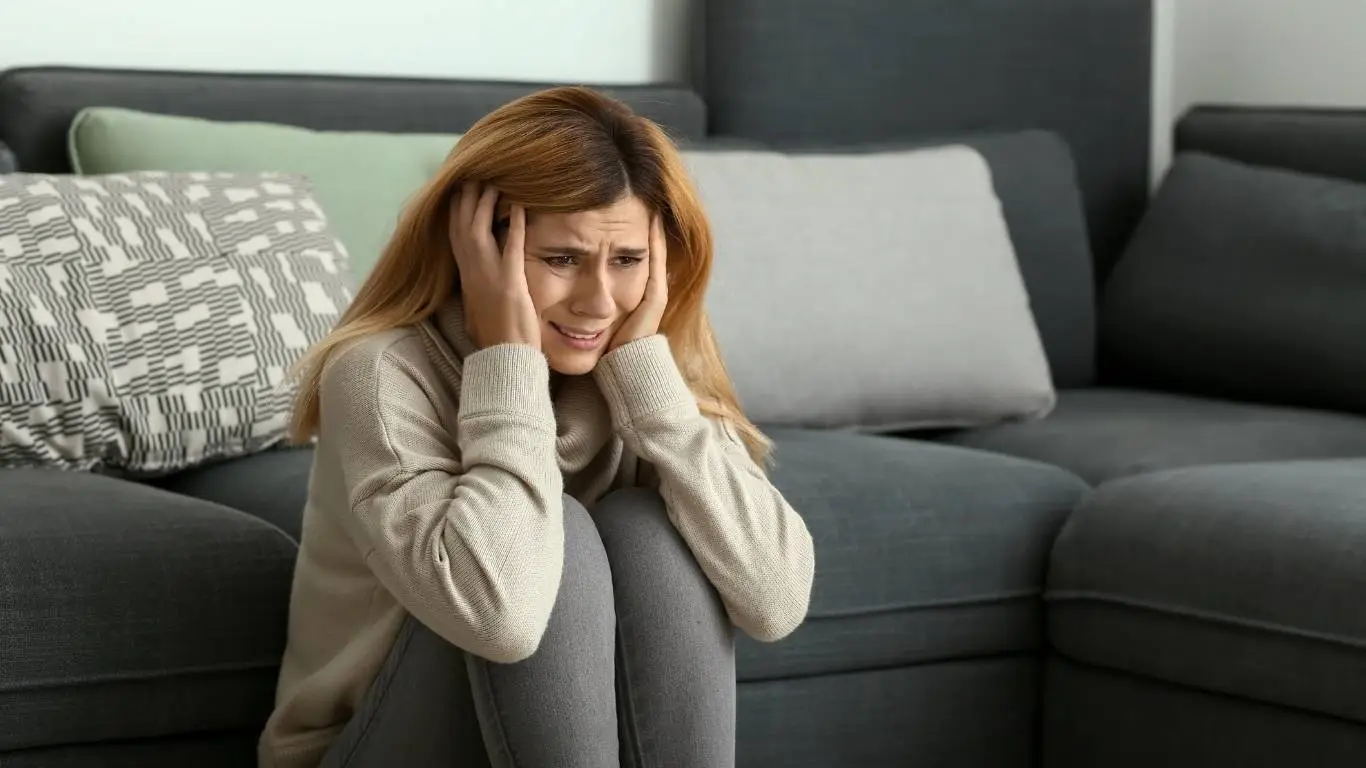
There’s something incredibly intuitive about how sound affects us. It’s almost primal. The soothing rhythm of slow instrumentals or ambient tones doesn’t just feel relaxing—it activates physiological responses that calm the body. Studies published on ncbi.nlm.nih.gov have shown that slow-tempo music can lower heart rate, decrease blood pressure, and even reduce cortisol levels.
When I’m overwhelmed, I find myself reaching for playlists with soft piano or nature-inspired ambient tracks. They help silence the spiral of thoughts and bring me back into my body. It’s not just psychological—it’s biological. Music can regulate the nervous system and encourage the shift from “fight-or-flight” into a “rest-and-digest” mode.
Brain Chemistry and Sound
Music stimulates the release of dopamine and endorphins, the very same feel-good chemicals that antidepressants often target. According to research cited by apa.org, calming music activates the brain’s reward system, making it a safe, non-invasive way to influence mood and emotional processing. This isn’t just theory—it’s why a favorite song can suddenly feel like medicine.
Best Types of Relaxation Music for Anxiety
I’ve tested everything from Gregorian chants to binaural beats. Some worked wonders, others just gave me a headache. But through that trial and error, I’ve narrowed down a few genres that consistently deliver relief:
- Ambient & Nature Sounds: Think rain, forest, ocean waves—great for passive relaxation.
- Classical Instrumentals: Slow-paced pieces, especially piano or strings, help my mind stay grounded.
- Lo-fi Music: Surprisingly effective for background focus, especially during work-related anxiety.
- Binaural Beats: This one is hit or miss, but for me, theta wave frequencies tend to bring a sense of calm.
For a deeper dive into how other lifestyle techniques complement music therapy, check out this guide on self-help strategies for anxiety. It’s packed with realistic, non-intimidating approaches that work alongside music to ease anxiety.
Real-Life Applications
I’ve made relaxation music a regular part of my routine. Here’s how:
- Morning grounding: I play soft nature sounds while getting ready, setting a peaceful tone for the day.
- During work breaks: Lo-fi jazz helps reset my mental space and curb mid-day stress.
- Pre-sleep routine: A playlist of ambient tones helps me detach from anxious thoughts and improve sleep quality.
This practice fits beautifully with other natural techniques too. For example, breathing exercises become more effective when paired with the right audio environment.
Science-Backed Benefits of Relaxation Music

Let’s talk research. According to clevelandclinic.org, music can improve anxiety symptoms in patients awaiting surgery, during childbirth, and in clinical therapy environments. It’s not a placebo—it’s a legitimate therapeutic aid.
One related method—EMDR—also uses rhythmic stimulation, which underscores how powerful sensory input can be in anxiety relief.
Even therapists recommend music for clients who struggle with traditional talk therapy. As a nonverbal method of emotional release, it provides access to healing when words fall short. I’ve personally used music to prepare for social settings when I’d normally feel paralyzed. The impact is consistent and significant.
Boosting Long-Term Mental Wellness
Unlike quick-fix methods, the beauty of relaxation music is in its sustainability. It builds habits. It fosters mindfulness. It improves sleep, which directly impacts mental resilience. For a full approach that includes diet and natural supplements, explore nutritional strategies for anxiety.
And here’s the thing—it’s ridiculously accessible. You don’t need a prescription, and you don’t need to “do it right.” Just press play. Over time, your brain starts to associate certain sounds with safety and calm. It becomes second nature.
When Relaxation Music Isn’t Enough

Sometimes, I’ll admit, music alone doesn’t cut it. If I’m dealing with high-functioning anxiety or spiraling after a panic episode, I need more. That’s where professional help comes in. Resources like psychotherapy and counseling provide structure and strategy. I’ve found the combo of both—music for day-to-day calm and therapy for deeper work—to be incredibly effective.
In fact, many anxiety disorders hide under the radar because we normalize the symptoms. Understanding the broader impact can help connect the dots. This is why it’s worth reading this article on how anxiety disorders influence daily life. It changed how I framed my own experience and what I thought was “just stress.”
Tools to Create Your Own Anxiety-Soothing Soundscape

One of the most empowering things about using music for anxiety is how customizable it is. You don’t need expensive equipment or expert knowledge. You just need intention. I started with free Spotify playlists and YouTube channels—and trust me, you can build a personal soundscape that rivals any therapy room.
Platforms Worth Exploring
- Spotify & Apple Music: Great for curated playlists like “Stress Relief” or “Healing Frequencies.”
- YouTube: Search “relaxation music for anxiety” and filter by duration—some go 8-10 hours for overnight use.
- Insight Timer: A free meditation app with music tracks categorized by mood and intention.
- Brain.fm: Uses AI-generated music with neuroscience backing to support focus, relaxation, and sleep.
For me, pairing music with progressive muscle relaxation helped take it from just “background noise” to an intentional anxiety-management technique. Layering sensory experiences can really amplify the results.
How Relaxation Music Improves Sleep (and Why That Matters)

Anxiety and sleep have a complicated relationship—one often wrecks the other. I spent months waking up at 3AM, heart racing, thoughts on fire. But when I started ending my evenings with a 30-minute relaxation playlist, it was like training my brain to associate certain melodies with “shutdown mode.”
Research from sleepfoundation.org shows that relaxation music improves sleep efficiency and reduces nighttime awakenings. Music helps slow down brain activity and eases the transition into deeper, more restorative sleep cycles. That restorative sleep? It’s gold for mental health.
If you’ve struggled with anxiety-induced insomnia, this deep dive on sleep disturbances may hit home—it captures exactly why breaking that cycle is so critical.
My Nightly Music Routine
- Switch to blue-light-free screen or turn on Night Shift by 9PM.
- Put on a calming playlist—my go-to is gentle piano or ambient rainstorm.
- Do 4-7-8 breathing while the music plays—super grounding.
- Let it continue on a low volume as I fall asleep (bonus: drowns out city noise).
It may sound too simple to work, but simplicity is the point. No overthinking, no prep, just a signal to the brain that it’s time to rest.
Pairing Relaxation Music with Other Anxiety Treatments
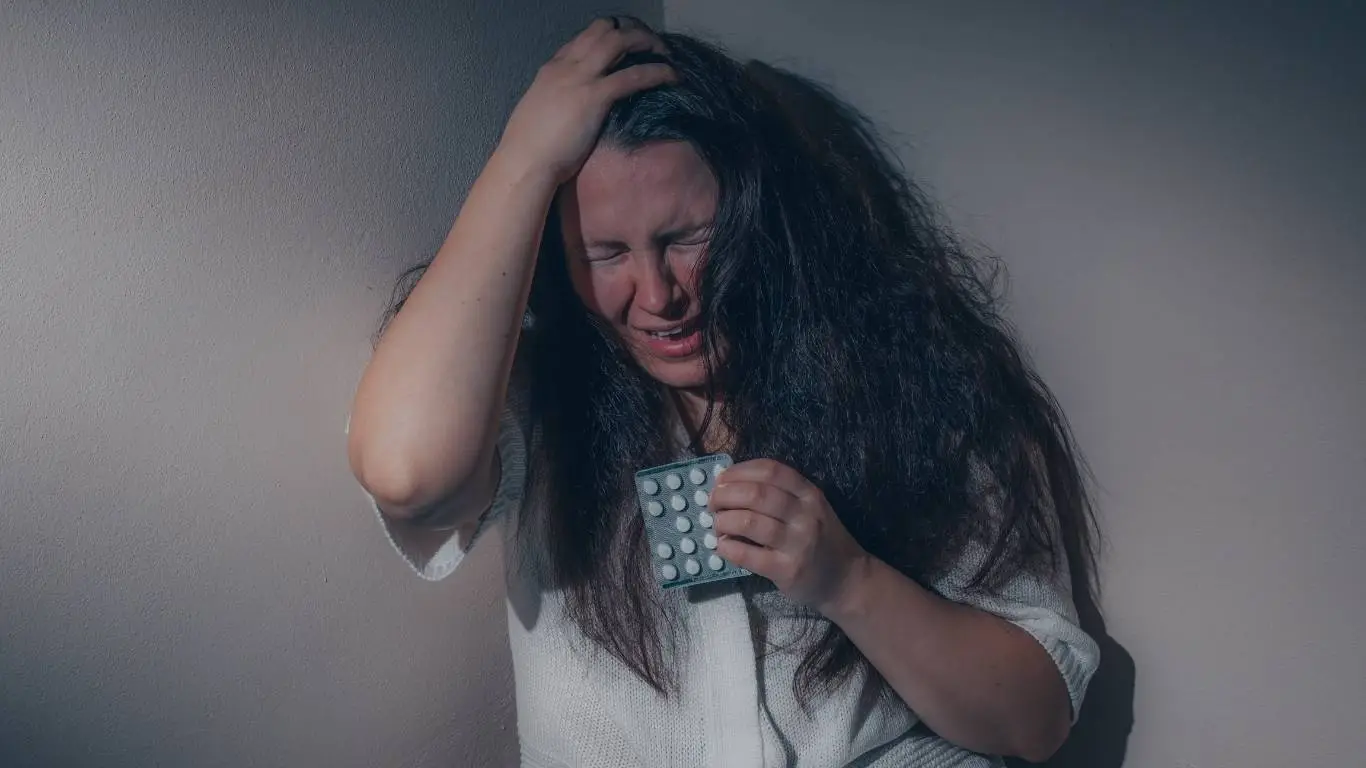
Relaxation music isn’t a standalone cure—but it’s a powerful piece of the puzzle. I’ve used it alongside talk therapy, supplements, journaling, even medication during my toughest phases. When integrated into a broader wellness approach, music becomes more than just soothing—it becomes strategic.
One of the best decisions I made was incorporating music into exposure therapy. I’d listen to a calming track before and after sessions, and it helped reduce anticipatory anxiety. If you’re exploring that route, this breakdown on exposure therapy explains how to use that momentum in real-world situations.
Therapist-Endorsed Techniques
Many mental health professionals recommend music as part of CBT and mindfulness-based strategies. It’s especially useful for grounding, sensory reorientation, and emotional regulation. According to psychologytoday.com, incorporating familiar sound patterns can reduce symptoms of panic and improve emotional tolerance during difficult moments.
For a broader look at evidence-based treatment options that work well with music, this comprehensive overview of medical treatment for anxiety is worth bookmarking.
Why Relaxation Music Should Be Part of Your Daily Anxiety Toolkit

Anxiety doesn’t always announce itself. Sometimes it’s subtle—tight shoulders, racing thoughts, clenching your jaw by noon. That’s why tools like music are so valuable: you can use them anytime, anywhere, without needing to justify or explain.
You don’t have to be a music lover or have a therapist’s guidance to get started. It’s accessible, affordable, and, most importantly, effective. If you’re just beginning to explore what daily tools work for you, this lifestyle-based guide can offer direction.
Above all, relaxation music gives you something rare when you’re battling anxiety: control. You choose the playlist. You choose when and how you use it. In a world that often feels too fast, too loud, and too overwhelming, that kind of agency is everything.

Camellia Wulansari is a dedicated Medical Assistant at a local clinic and a passionate health writer at Healthusias.com. With years of hands-on experience in patient care and a deep interest in preventive medicine, she bridges the gap between clinical knowledge and accessible health information. Camellia specializes in writing about digestive health, chronic conditions like GERD and hypertension, respiratory issues, and autoimmune diseases, aiming to empower readers with practical, easy-to-understand insights. When she’s not assisting patients or writing, you’ll find her enjoying quiet mornings with coffee and a medical journal in hand—or jamming to her favorite metal band, Lamb of God.