
Why Sleep Disturbances from Anxiety Are Wrecking Your Nights
Sleep and I? Let’s just say we’ve had a complicated relationship. For years, I chalked up my 3 a.m. wide-awake sessions to stress or maybe too much caffeine. But over time, I realized there was more going on beneath the surface. If you’ve been waking up in the middle of the night, thoughts racing, heart pounding, drenched in sweat—or if you just can’t fall asleep at all—there’s a good chance anxiety is in the driver’s seat. And you’re not alone. Sleep disturbances and anxiety often go hand in hand, creating a frustrating cycle that’s tough to break without the right insight, strategies, and support.
How Anxiety Sneaks Into Your Nights

Anxiety doesn’t wait for a convenient time to show up—it loves to make its presence known the second your head hits the pillow. When the world gets quiet, your mind gets loud. That low hum of worry that lingered in the background all day? It turns into a full-blown internal monologue about everything that could possibly go wrong.
Nighttime anxiety can take many forms:
- Racing thoughts about work, relationships, health, or even random embarrassing moments from ten years ago.
- Physical tension—tight jaw, stiff shoulders, restless legs.
- Sudden spikes in adrenaline for seemingly no reason, jolting you awake.
- The dreaded “doom scroll” where you’re hoping social media will numb your mind (spoiler: it doesn’t).
This isn’t just anecdotal. Chronic anxiety is clinically linked to sleep disturbances, especially when stressors are unprocessed or untreated. And here’s the kicker: poor sleep can actually fuel anxiety symptoms, creating a self-perpetuating loop that’s hard to interrupt without addressing both sides.
Why You’re Not “Just a Bad Sleeper”
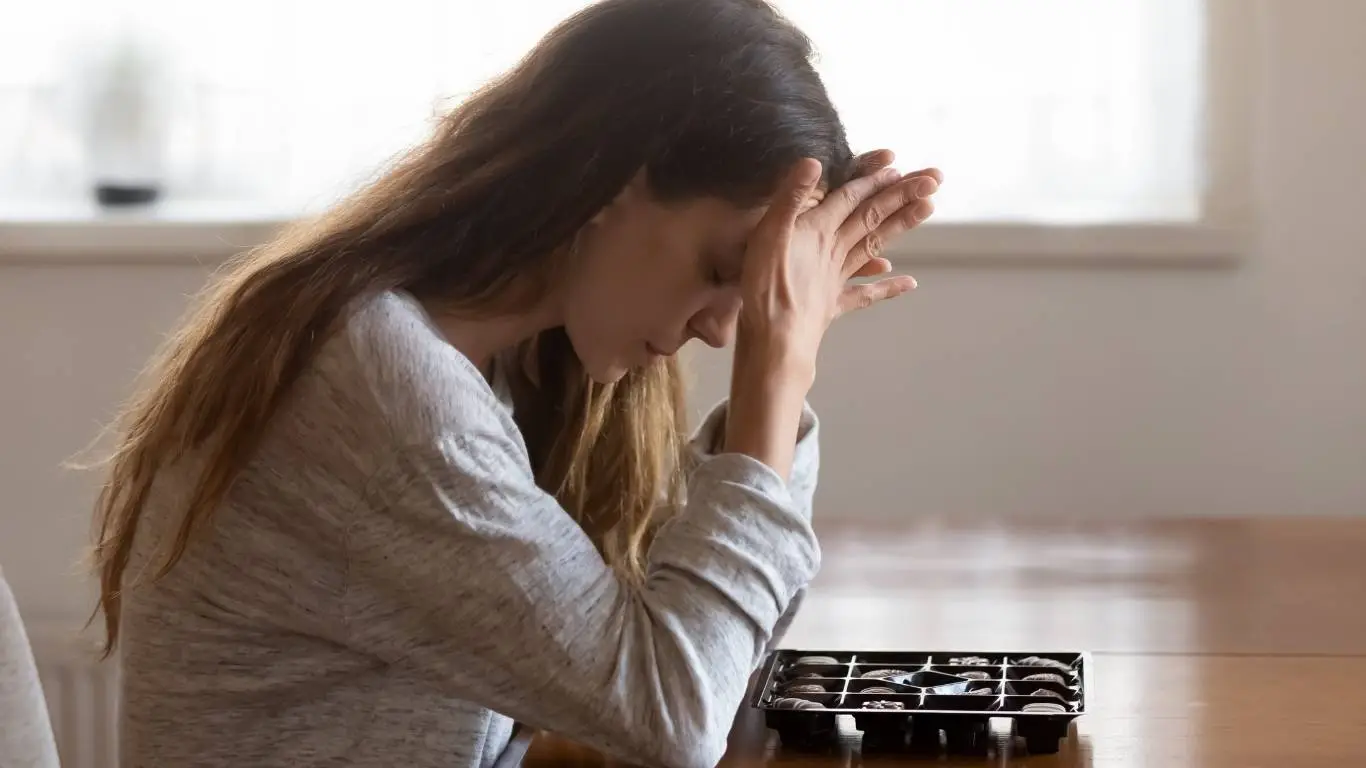
If someone told me a few years ago that anxiety was affecting my sleep, I’d have rolled my eyes. I figured I was just wired differently. But understanding the biology behind it made all the difference. When anxiety kicks in, your brain fires up its fight-or-flight mode. Cortisol rises. Your heart races. Muscles tense. Not exactly the recipe for restful slumber.
Think of it like this: your brain believes there’s a tiger in the room—even if the only thing there is your inbox and a load of laundry. It’s hard to drift off when your body thinks it’s in danger.
Hormonal Chaos at Bedtime
One often-overlooked factor is how nighttime cortisol spikes disrupt your circadian rhythm. People with anxiety disorders tend to have irregular hormone cycles that prevent natural melatonin production. This means the body isn’t given the clear signal to “wind down,” which delays sleep onset and reduces overall sleep quality.
If this resonates with you, the diagnosis and assessment of anxiety disorders may be the right next step—not to label, but to understand and reclaim your peace at night.
Sleep Anxiety Symptoms You Might Be Ignoring
Many of us walk around with unchecked symptoms because we normalize them. I thought everyone took over an hour to fall asleep. Turns out, that’s not normal—or healthy.
Common but Overlooked Red Flags
- Recurrent insomnia—struggling to fall asleep at least three nights a week for over a month.
- Waking up too early and being unable to fall back asleep.
- Frequent nightmares or vivid anxiety-fueled dreams that leave you more tired.
- Nocturnal panic attacks—sudden waking with shortness of breath, chest tightness, and racing thoughts.
- Daytime drowsiness and irritability that don’t seem to match your lifestyle.
These signs can point to deeper anxiety issues that are manifesting primarily at night. Interestingly, researchers at the National Institute of Mental Health (NIMH) emphasize that many anxiety-related sleep disorders go undiagnosed because they mimic other conditions like depression or sleep apnea.
Proven Strategies That Help Break the Cycle

Here’s what actually helped me get my nights back—after lots of trial, error, and research:
1. Breathing Exercises That Actually Work
This was a game-changer. Deep breathing lowers your heart rate and activates your parasympathetic nervous system. I followed these proven breathing techniques before bed and—no exaggeration—they turned off my mental chaos like a light switch.
2. Magnesium-Rich Foods in the Evening
One unexpected fix? Diet. I started adding more magnesium-rich snacks like almonds and bananas into my dinner routine. It sounds too simple, but it worked. There’s actually solid evidence that magnesium helps relax the nervous system.
3. CBT Techniques for Pre-Sleep Worry
If I could recommend one thing to anyone struggling with anxiety-driven sleep issues, it’s this: learn Cognitive Behavioral Therapy (CBT) techniques. Writing down worries, challenging them with logic, and reframing your thoughts can be incredibly powerful. Here’s a breakdown of some helpful CBT strategies for anxiety.
4. Creating a Safe Nighttime Routine
People underestimate the power of repetition. Going to bed and waking up at the same time every day helps reset your internal clock. Pair that with rituals—low lighting, herbal tea, and no screens 30 minutes before bed—and you’re retraining your body to associate bedtime with calm.
5. Check If It’s Generalized Anxiety Disorder (GAD)
Sometimes sleep trouble is a symptom, not the root. If your anxiety is pervasive—spanning topics like work, family, health, and even little things—it may be GAD. You can explore more about that in this article on the coping strategies for GAD.
And for a deeper understanding of how anxiety in general can quietly unravel daily life—including your nights—this main anxiety guide offers a comprehensive overview. For those dealing specifically with sleep issues from anxiety, the symptoms pillar article ties everything together.
When Anxiety Feels Like Insomnia on Steroids

Ever lay in bed exhausted but still wide awake, mind racing about nothing and everything at the same time? That was my nightly routine before I realized anxiety wasn’t just making me a “bad sleeper”—it was driving full-blown insomnia. What made it worse was the shame spiral: I’d get frustrated about not sleeping, then feel anxious that I wasn’t getting enough rest, and that made it even harder to sleep. Classic anxiety move.
This form of insomnia isn’t about staying up binge-watching Netflix. It’s the invisible war in your head that doesn’t shut off, even when your body is begging for rest. Your brain keeps playing horror movie reels of things that haven’t even happened yet. It’s exhausting—and ironically, sleep becomes another thing to worry about.
The Vicious Anxiety-Sleep Cycle

If you’re stuck in the loop, you’re not imagining it. There’s solid science confirming this brutal feedback cycle. According to a 2022 review from the National Library of Medicine, disrupted sleep impairs emotional regulation, making anxiety symptoms worse the next day—and repeat.
It’s like trying to put out a fire with gasoline. The less sleep you get, the more your nervous system stays on edge. The more anxious you are, the harder it is to sleep. No wonder people feel hopeless.
But you’re not powerless. There are ways to intervene.
Soothing the Nervous System at Night
One of the most effective things I learned? Calming your nervous system before bed. It’s not always about eliminating anxiety completely—it’s about reducing your baseline arousal level. Here’s what helped me shift gears from hypervigilant to sleepy:
- Progressive Muscle Relaxation – It sounds basic, but intentionally tensing and relaxing each muscle group trains your body to let go of tension. Follow along with this step-by-step PMR guide.
- Guided meditation apps – I found a few on YouTube and Insight Timer that really clicked. Even just five minutes can make a huge difference in slowing thoughts down.
- Weighted blankets – Not a magic fix, but surprisingly helpful for some. The gentle pressure mimics deep touch therapy, which calms the body’s stress response.
When It’s More Than Sleeplessness
At one point, I started waking up in a full-blown panic—heart racing, drenched in sweat, confused and breathless. I thought I was having a heart attack. Turns out, that’s actually a thing: nocturnal panic attacks are a real symptom of anxiety and often go undiagnosed.
If this sounds familiar, please know it’s not “just stress” or you “being dramatic.” These are physical signs of your nervous system being overstimulated. Getting the right treatment can change everything.
Alternative Approaches That Actually Help
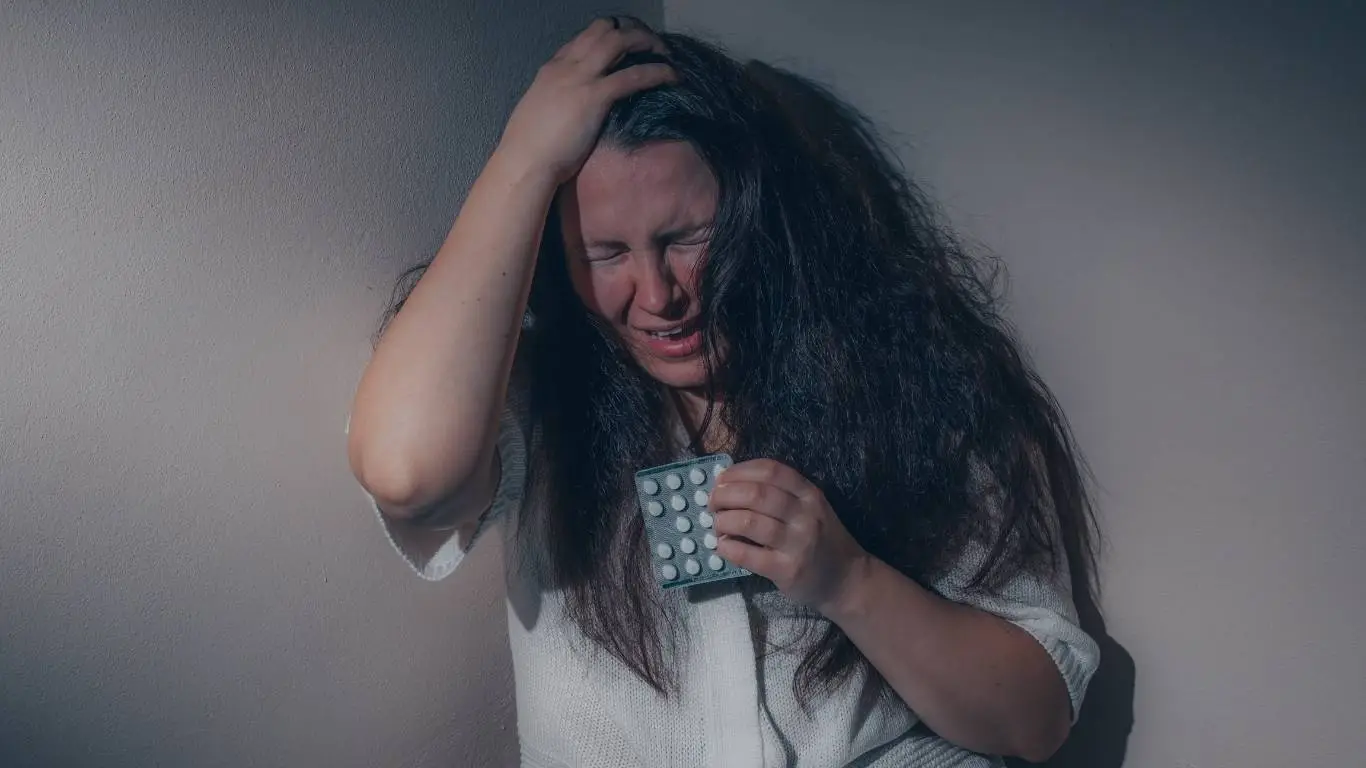
We’re all wired differently, and while traditional therapy and medication are powerful tools, some people find great relief in complementary strategies too. Here’s what’s been surprisingly effective for people I’ve talked to (and myself):
Herbal Remedies
I was skeptical at first, but certain herbal remedies like chamomile, passionflower, and valerian root do have legit science behind them. Read more about which herbal options can make a difference without harsh side effects.
Acupuncture for Calming Sleep Anxiety
I tried this on a whim, and honestly? It helped way more than I expected. There’s increasing evidence that acupuncture can regulate cortisol and improve sleep for people with chronic anxiety. It’s not for everyone, but if nothing else is helping, it’s worth exploring.
Omega-3s and Mood Balance
This one caught me off guard: I started taking Omega-3 supplements for joint pain, but over time, I noticed I was sleeping better too. Then I stumbled on research showing how Omega-3 fatty acids reduce inflammation in the brain and help ease anxiety symptoms naturally.
When to Seek Medical Support
If you’ve tried a bunch of things and still feel trapped in the anxiety-insomnia loop, don’t wait to talk to a professional. There’s no shame in needing help. And trust me, that help exists.
Medication options for anxiety and sleep can feel intimidating, but when used carefully and under proper supervision, they can be life-changing. For some people, SSRIs or short-term use of sleep aids offer the reset they desperately need.
I found that even the act of being evaluated—just having a doctor take my sleep concerns seriously—was incredibly validating. You’re not lazy. You’re not broken. You’re dealing with a condition that impacts your brain, body, and emotional well-being.
Making Peace With the Night

I still have the occasional restless night, but now I approach it differently. Instead of spiraling, I acknowledge the anxiety, use the tools I’ve collected, and remind myself that sleep will come again. My body knows how to rest—it just needs the right conditions.
If you’re struggling, start small. Build a routine. Track your triggers. And most of all, be kind to yourself. Sleep isn’t a luxury. It’s a basic human need—and it’s not out of reach.
For anyone dealing with chronic anxiety, I highly recommend reading this main anxiety overview to understand the full scope of how it can disrupt not just sleep but your entire routine. You’ll also find additional help in this in-depth guide on anxiety lifestyle and self-help strategies designed for long-term relief.

Camellia Wulansari is a dedicated Medical Assistant at a local clinic and a passionate health writer at Healthusias.com. With years of hands-on experience in patient care and a deep interest in preventive medicine, she bridges the gap between clinical knowledge and accessible health information. Camellia specializes in writing about digestive health, chronic conditions like GERD and hypertension, respiratory issues, and autoimmune diseases, aiming to empower readers with practical, easy-to-understand insights. When she’s not assisting patients or writing, you’ll find her enjoying quiet mornings with coffee and a medical journal in hand—or jamming to her favorite metal band, Lamb of God.