Why Sleep Hygiene for Anxiety Can Make or Break Your Mental Health
If you’ve ever tossed and turned at 3 AM, staring at the ceiling while your heart races for no apparent reason, you’re not alone. I’ve been there—counting sheep, trying deep breathing, even rearranging my pillows in some desperate ritual. For years, I thought I just had trouble sleeping. But it wasn’t until a therapist gently pointed out, “Have you considered your anxiety might be messing with your sleep hygiene?” that it all started to click.
Understanding the Link Between Anxiety and Poor Sleep Hygiene
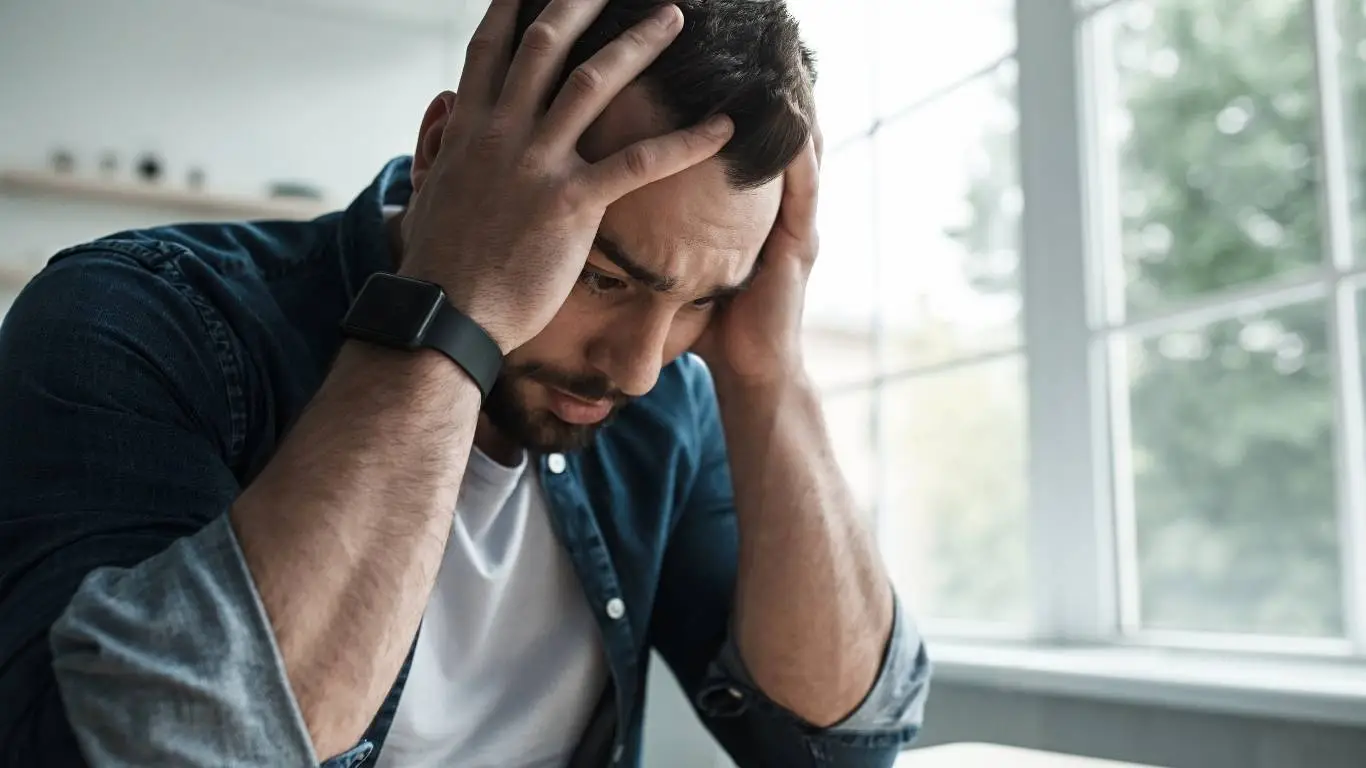
Sleep hygiene isn’t just a trendy phrase therapists throw around—it’s the foundation of how your habits, routines, and environment influence your sleep quality. But when anxiety steps into the picture? Things get complicated. Your brain doesn’t just slow down when it’s bedtime. Instead, it revs up with intrusive thoughts, overanalyzing conversations, deadlines, or that weird thing you said at brunch last month.
What I learned the hard way is that anxiety doesn’t just cause sleep issues—it thrives on them. It becomes a cycle: poor sleep fuels anxiety, and anxiety kills your ability to fall or stay asleep. And the deeper I went into the research (and let’s be honest, my own insomnia), the clearer it became: improving sleep hygiene could make a serious dent in anxiety levels.
Core Sleep Hygiene Habits That Can Tame Anxiety
1. Stick to a Consistent Sleep Schedule
I used to think staying up late on weekends was my reward after a long week. Turns out, that inconsistency was sabotaging me. One of the golden rules of sleep hygiene is going to bed and waking up at the same time every day—even on weekends. Your brain craves rhythm. It anchors your internal clock, and anxiety hates structure (in a good way).
2. Wind Down, Don’t Power Down
If your version of “winding down” involves doomscrolling TikTok until your eyes glaze over, I feel you. But research from sleepfoundation.org backs this: blue light suppresses melatonin, and overstimulating content keeps your brain buzzing.
- Read something light (no psychological thrillers, please)
- Try 10 minutes of progressive muscle relaxation
- Use low lighting an hour before bed
3. Keep Your Sleep Space Sacred
This one was huge for me. My bedroom used to double as my work zone. Big mistake. Psychologically, your brain needs to associate your bed with sleep—not emails, not Netflix, not crisis planning. Make it a no-phone, no-laptop zone. Just sleep, soft lighting, and maybe a good book.
How Diet and Lifestyle Subtly Sabotage Your Sleep Hygiene

You wouldn’t believe how much that “harmless” late afternoon coffee messes with your head later. Caffeine and sugar don’t just energize you—they keep your nervous system on high alert. For me, even chocolate after 4 PM made falling asleep a challenge.
Foods That Calm vs. Foods That Agitate
- Helpful: Magnesium-rich foods like almonds, dark leafy greens, and bananas. They support muscle relaxation and mood regulation.
- Unhelpful: High-sugar snacks, processed carbs, and anything caffeinated after noon.
There’s a helpful guide on magnesium-rich foods for anxiety that I’ve bookmarked and gone back to at least ten times. Trust me—it’s that useful.
Supplements and Herbal Options
I was skeptical of herbal remedies—until chamomile tea actually helped me drift off without feeling like I was forcing sleep. Some studies on ncbi.nlm.nih.gov back this up too. Chamomile, valerian root, and L-theanine all have natural calming effects, and they don’t come with the brain fog of sleeping pills.
Addressing Anxious Thoughts That Hijack Sleep
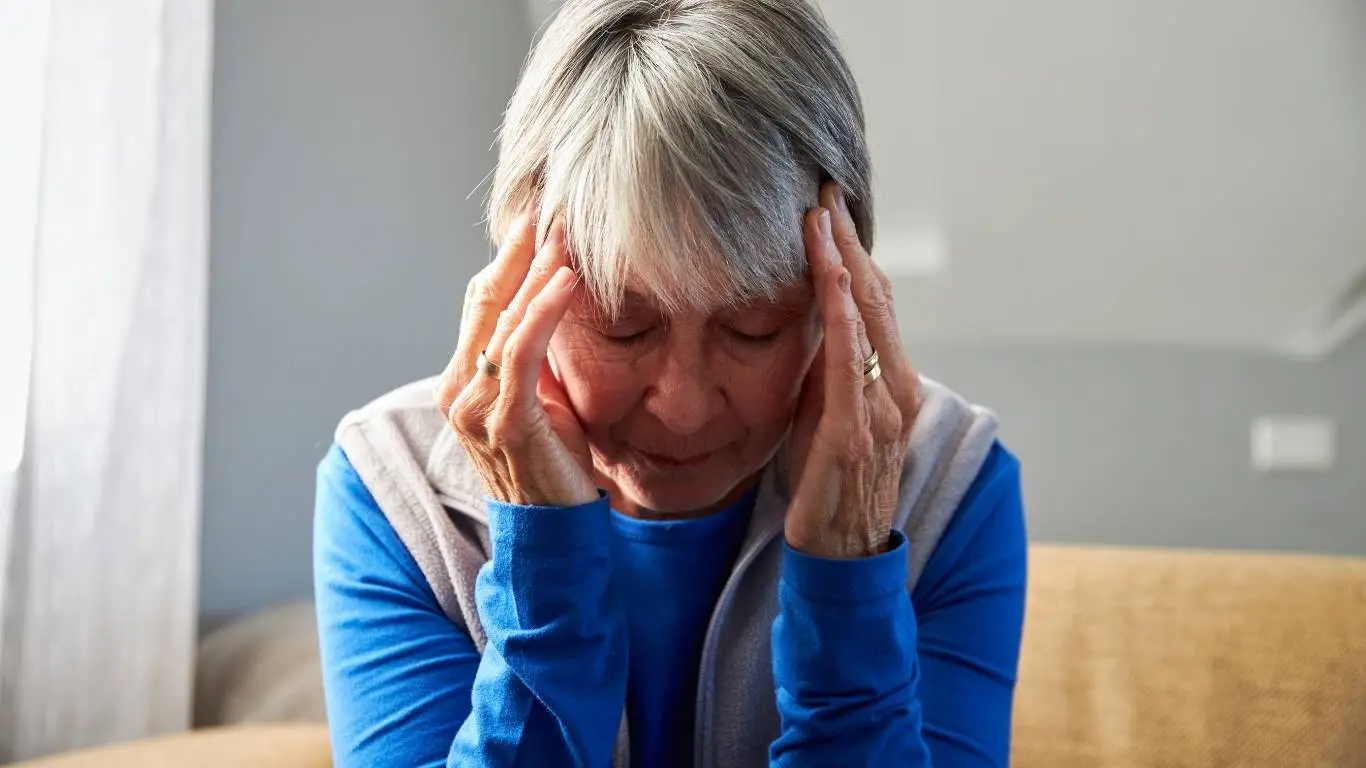
One of the worst parts of trying to sleep with anxiety? The spiral. One negative thought turns into ten, and suddenly you’re replaying a mistake from five years ago. Here’s what started working for me:
- Journaling: Dump your thoughts before bed. I follow a 5-minute journal format—quick, focused, and surprisingly cathartic. I started after reading this piece on journaling for anxiety.
- CBT Techniques: Challenging irrational thoughts isn’t just for therapy sessions. When I catch myself thinking, “If I don’t sleep tonight, tomorrow will be ruined,” I reframe it to, “Even if I don’t sleep perfectly, I’ve handled tough days before.” That shift is powerful.
- Visualization: I imagine a calm place—mine’s a lakeside cabin with zero Wi-Fi. It sounds corny, but it helps redirect mental energy.
Creating a Personalized Sleep Hygiene Routine for Anxiety Relief

Sleep hygiene isn’t one-size-fits-all. What worked for me might need tweaking for you—but that’s the point. Tailor your nightly routine based on what triggers or soothes your anxiety. I keep my phone across the room, a notepad by my bed, and a small lavender diffuser running. It took time, sure—but it’s worth every night I wake up refreshed instead of groggy and wired.
If you’re wondering where to begin building that kind of routine, this breakdown of lifestyle and self-help strategies for anxiety disorders is gold. It’s one of the more actionable guides I’ve come across online—real, doable stuff.
For the bigger picture of how anxiety can take over your routines quietly, this main guide on how anxiety disorders shape daily life adds crucial insight without overwhelming you with jargon.
When Sleep Hygiene Alone Isn’t Enough
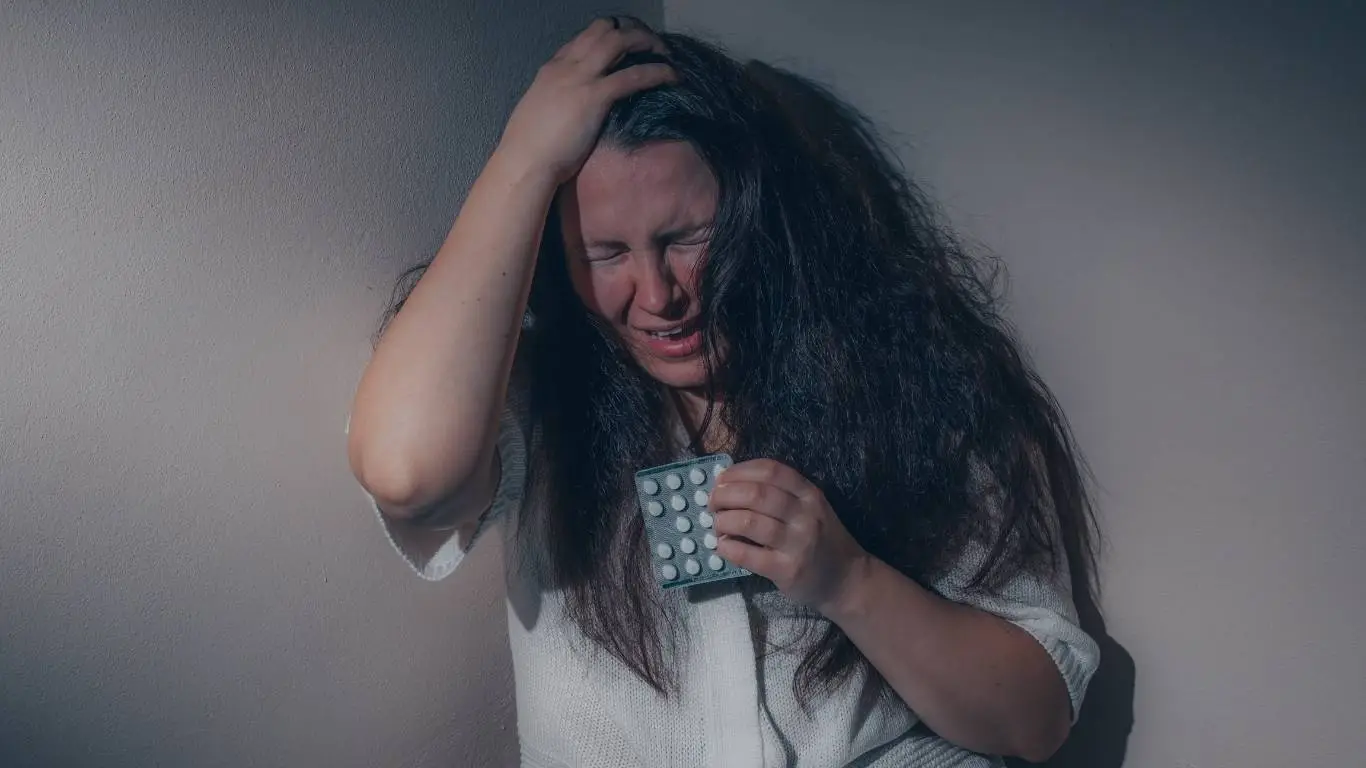
Here’s the truth I had to swallow: sometimes, better sleep hygiene doesn’t fix everything. You can dim the lights, journal every night, avoid caffeine like it’s the enemy—and still lie awake while your chest tightens. That doesn’t mean you’re failing. It might just mean anxiety has sunk its teeth a bit deeper than habits can reach alone.
For me, that’s when I realized I needed support beyond chamomile tea and sleep playlists. I started reading up on therapy approaches for anxiety disorders, especially ones that target sleep disruptions like CBT-I (Cognitive Behavioral Therapy for Insomnia). It’s a game-changer. A therapist helped me break thought spirals and establish new associations between sleep and calm—not chaos.
Don’t Ignore Sleep Disorders That Look Like Anxiety
I also learned the hard way that not every sleep struggle is caused by anxiety—sometimes, it’s the other way around. I had undiagnosed sleep apnea for years. And the constant micro-awakenings made my nervous system think I was under constant threat. No wonder I woke up exhausted and jittery.
If you’re doing all the right things and still feel wrecked, talk to your doctor. Rule out medical sleep disorders. It’s not dramatic—it’s smart.
Tech and Tools That Actually Help (Surprisingly)

I’ve always been skeptical of sleep gadgets—who hasn’t bought a fancy app only to delete it a week later? But a few tools stuck with me, and they actually made a difference:
- White Noise Machines: Blocks out sudden sounds that would jolt me awake. Mine has ocean waves that somehow calm my inner chaos.
- Sleep Tracking Apps: I use one to monitor patterns—not obsess, but notice. If I skip my wind-down routine, it shows in the data.
- Smart Lights: They gradually dim based on my schedule. It cues my body to slow down, without me doing anything.
Just a heads-up: not everything needs tech. Sometimes what works best is free—like consistent bedtime, breathing exercises, and breathwork to dial down anxiety.
Managing Anxiety During Middle-of-the-Night Wake-Ups

This was the hardest for me: those brutal 3 AM wakeups where your heart’s pounding, and your brain’s whispering worst-case scenarios. What helped?
- Don’t check the clock. That triggers performance anxiety. I turn my alarm clock around so I’m not watching time slip away.
- Get out of bed after 20 minutes. If you’re wide awake, don’t let your brain link bed with stress. Move to a cozy chair, do some light reading, or listen to a calm podcast until sleepiness returns.
- Avoid screens. I used to scroll out of habit, but that always made it worse. I keep a notebook instead and jot down any intrusive thoughts to revisit later.
What really saved me was reframing the fear of not sleeping. Instead of panicking, I started thinking: “Even if I don’t sleep much tonight, I can rest, and tomorrow I’ll be okay.” That shift alone eased the spiral. There’s a solid breakdown on anxiety-related sleep disturbances that explains this in more detail.
How Lifestyle Changes Amplify Your Sleep Hygiene Success
I underestimated how much daily habits outside bedtime impact sleep. It’s all connected. When I started exercising (even just 20 minutes of walking), cutting sugar, and limiting alcohol, my anxiety levels softened. And when anxiety eased, sleep came more naturally.
What Helped Me Most
- Morning Sunlight: I try to get outside within an hour of waking. It helps reset circadian rhythms naturally.
- Limiting Stimulants: No caffeine after 2 PM, and cutting back on sugar made more difference than I expected.
- Evening Routine: I now treat my wind-down as sacred time. Screens off, diffuser on, soft jazz playing—it feels like self-respect, not just a habit.
And if you’re wondering whether supplements could help, I found this breakdown on Omega-3s for anxiety relief pretty eye-opening. A few small additions can go a long way.
When Professional Help Becomes the Next Logical Step

Let’s be real. You don’t have to “fix” this alone. If sleep anxiety is running your life, please don’t wait as long as I did to get support. Whether it’s through therapy, support groups, or even medication—there’s no shame in needing more help. You’re human. Sleep is biological, not just behavioral.
There’s an excellent guide to anxiety treatment options that actually work that doesn’t feel pushy or pharma-heavy. It’s balanced, informative, and written like someone who’s been through it. Just like you.
And honestly, when you step back and look at the whole picture of how anxiety sneaks into your habits and routines, this in-depth piece on diagnosis and assessment for anxiety disorders really brings clarity. Especially if you’re wondering whether your struggle is “serious enough” (spoiler: it is).

Camellia Wulansari is a dedicated Medical Assistant at a local clinic and a passionate health writer at Healthusias.com. With years of hands-on experience in patient care and a deep interest in preventive medicine, she bridges the gap between clinical knowledge and accessible health information. Camellia specializes in writing about digestive health, chronic conditions like GERD and hypertension, respiratory issues, and autoimmune diseases, aiming to empower readers with practical, easy-to-understand insights. When she’s not assisting patients or writing, you’ll find her enjoying quiet mornings with coffee and a medical journal in hand—or jamming to her favorite metal band, Lamb of God.