Why Sudden Floaters With Ringing In Ears May Be A Serious Warning
So, here’s what happened. I was walking out of the gym one evening, feeling great after a solid workout, when suddenly—bam—I noticed these tiny specks drifting across my vision. Not just that, but I also caught this high-pitched ringing in my ears, almost like someone cranked up the volume on a mosquito inside my head. Weird combo, right? But turns out, I’m not the only one. More and more people are reporting this strange pairing: sudden floaters with ringing in ears. And honestly, it’s something worth talking about, because while it might seem like just an odd annoyance, it could point to something deeper.
What Exactly Are Eye Floaters?
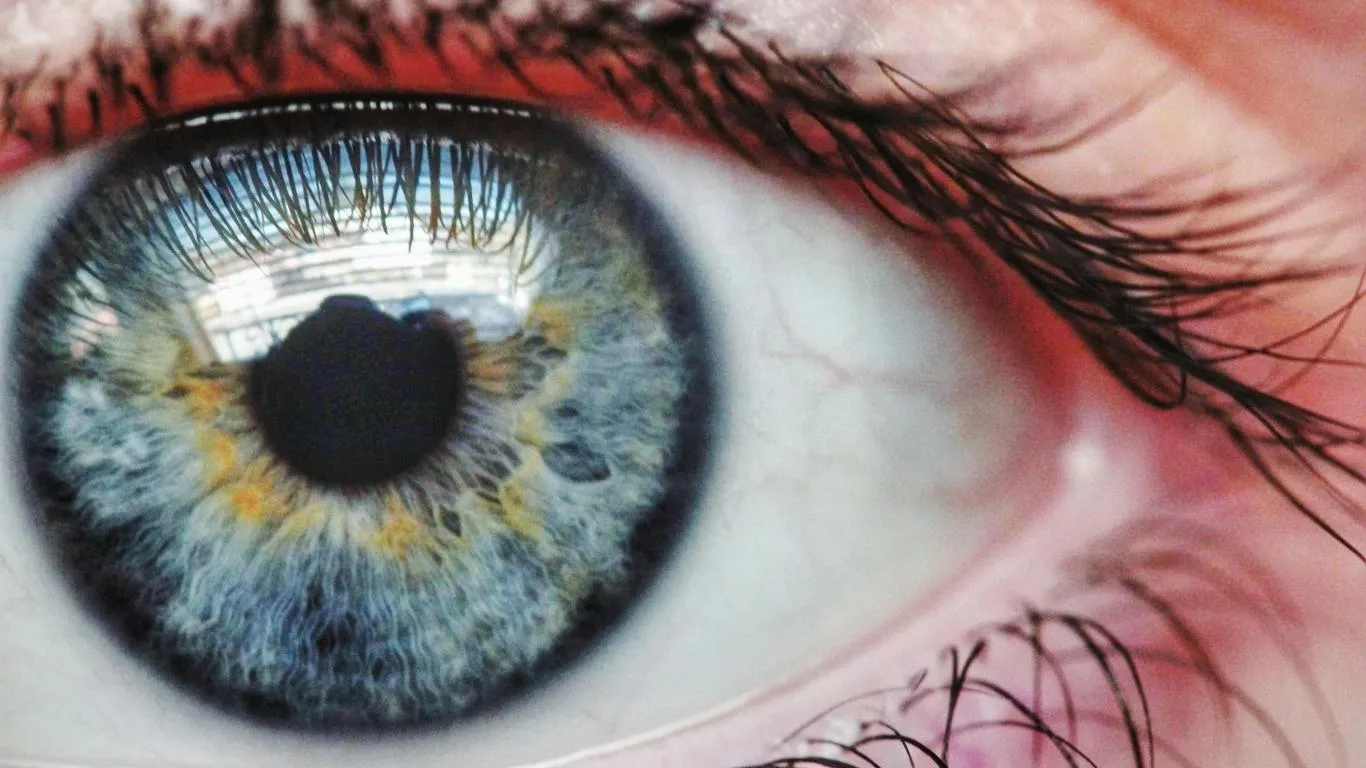
Eye floaters are those tiny threads, spots, or cobweb-like shapes you see drifting through your field of vision. They’re actually shadows cast by clumps of collagen or other cellular debris inside the vitreous—the gel-like substance filling the back of your eye.
Most of the time, they’re harmless. I mean, I’ve had a floater or two when staring at a bright sky before. But when they appear suddenly and especially when they show up alongside something like tinnitus (the ringing in your ears), that’s when your body might be trying to flag you down.
For a deeper dive into the causes behind floaters alone, this guide on what causes eye floaters really helped me understand the bigger picture.
So… Why the Ears Too?
That’s the big question: what’s going on when your vision starts acting up and your ears are ringing?
1. Neurological Cross-Talk
Your eyes and ears are both plugged into your brain—more specifically, the cranial nerves. If something irritates these nerves, you might get symptoms in both places. For instance, I found out that inflammation in the optic nerve can sometimes affect the auditory pathway too. Who knew?
2. Migraine-Related Episodes
Not all migraines come with crushing headaches. Some bring a cascade of visual and auditory disturbances—like seeing floaters or hearing that relentless ringing. In fact, here’s a solid piece that helped me understand this better: do migraines cause eye floaters.
3. High Blood Pressure & Circulatory Issues
There’s growing evidence that elevated blood pressure can strain both the tiny vessels in the retina and the inner ear. That could trigger both floaters and tinnitus in a single swoop. Learn more about the risks of eye floaters and high blood pressure.
Could It Be Something Serious?
I get it—it’s tempting to brush this off. I almost did. But when floaters pop up suddenly and team up with other sensory changes, it can be a sign of something like:
- Posterior vitreous detachment (PVD)
- Retinal tear—a medical emergency
- Inner ear issues like Ménière’s disease or vestibular migraines
- Autoimmune or inflammatory disorders
This in-depth explanation on posterior vitreous detachment really opened my eyes—pun intended.
When to See a Doctor (Don’t Wait)
If you’re experiencing sudden floaters with ringing in ears, don’t just sit on it. I called my optometrist the next morning. The good news? It wasn’t an emergency in my case. But the doc explained it could’ve easily been one.
- If floaters come with flashes of light
- If you’re losing peripheral vision
- If the ringing turns into a roaring or is paired with dizziness
Also, this piece on retinal tear symptoms lays it out pretty clearly—worth bookmarking.
Root Causes You Might Not Have Considered
I used to think this kind of symptom mashup was just bad luck. But turns out, there are a bunch of underlying causes that could be driving both issues. Some of the most eye-opening ones I’ve come across include:
And here’s a great overview if you’re looking for a solid foundation: everything you need to know about eye floaters.
Need to zoom out and understand how this fits in with broader symptoms? Check out this highly relevant breakdown: eye floaters vs. other vision issues.
Honestly, after researching all this, it’s clear our bodies are way better at sending warning signs than we give them credit for. Next time you spot floaters and hear ringing, maybe don’t just hope it’ll go away—look into it.
Is It Stress… or Something Else Sneaky?

You know what’s wild? The more I looked into it, the more I realized stress is a sneaky culprit in all of this. Chronic stress can mess with your nervous system, circulation, and even cause visual disturbances like floaters. Not to mention the classic tension-induced ringing in the ears. Been there. Felt that.
But it doesn’t stop with stress. Other “hidden” triggers I never considered at first:
- Poor diet messing with eye health
- Sleep deprivation (seriously underrated)
- Hormonal changes, especially during midlife shifts
- Altitude pressure if you travel often
How ENT and Eye Specialists Approach It
What surprised me was how intertwined our ear and eye systems are. I visited both an ophthalmologist and an ENT. Their verdict? These symptoms can stem from issues in the inner ear fluid dynamics (think Ménière’s or vestibular migraines) or optic nerve sensitivity.
Diagnostic Tools They Might Use
- OCT (Optical Coherence Tomography) scans
- Hearing tests and audiometry
- Retinal imaging for floaters or tears
- Blood panels to rule out autoimmune triggers
If you’ve had recent infections, particularly viral ones, that could also explain the link. Learn more in this breakdown on floaters after viral infections.
Treatment Options That Go Beyond Eye Drops
Let’s be honest—most doctors will tell you to just “observe” unless it’s an emergency. And while that’s sometimes true, I wasn’t content to just wait it out. Here’s what helped reduce both symptoms over time:
Medical Routes
- Low-dose corticosteroids if inflammation is involved
- ENT-prescribed tinnitus retraining therapy (TRT)
- Magnesium supplements (they really helped with the ear stuff!)
- Addressing blood pressure imbalances
Lifestyle Tweaks That Actually Made a Difference
- Cleaning up my diet and avoiding salty foods (goodbye chips)
- Staying hydrated like it’s a job
- Daily meditation—not even kidding, 10 minutes changed everything
- Eye movement exercises I picked up from a vision therapy forum
What About Sudden Bursts of Floaters?
That part genuinely freaked me out. When I saw a sudden “cloud” of floaters after a hot shower and dizzy spell, I thought the worst. Turns out it was linked to a temporary spike in blood pressure and dehydration.
But in some people, it could signal something far more serious, so don’t self-diagnose this stuff. Trust your gut and get it checked.
Why This Duo of Symptoms Is Often Overlooked
Doctors often treat tinnitus and floaters separately, but I’m learning they’re sometimes two sides of the same neurological coin. Think of your body like an interconnected network—sometimes the noise in one area is actually coming from somewhere else.
If you’re in your 30s or 40s and noticing any sudden visual or auditory changes, give this guide on eye floaters in your 40s a read. It helped me stop brushing things off as “just getting older.”
What I Wish I Knew Sooner
If there’s one takeaway here, it’s this: sudden floaters with ringing in ears isn’t just “random aging stuff.” It’s your body asking you to pay attention. It could be a symptom of something you can catch early and manage—before it becomes a bigger deal.
And if you’re wondering where to go next, bookmark this comprehensive guide that helped me get started: treatment options for eye floaters.
For a full picture and breakdown of causes, symptoms, and care strategies, don’t miss the main floaters article here.

Camellia Wulansari is a dedicated Medical Assistant at a local clinic and a passionate health writer at Healthusias.com. With years of hands-on experience in patient care and a deep interest in preventive medicine, she bridges the gap between clinical knowledge and accessible health information. Camellia specializes in writing about digestive health, chronic conditions like GERD and hypertension, respiratory issues, and autoimmune diseases, aiming to empower readers with practical, easy-to-understand insights. When she’s not assisting patients or writing, you’ll find her enjoying quiet mornings with coffee and a medical journal in hand—or jamming to her favorite metal band, Lamb of God.