Why Tapering Off Anxiety Meds Can Feel Worse Before It Gets Better
I never imagined tapering off anxiety meds would be this hard. When my doctor first brought up the idea, I thought, “Great—less pills, more freedom.” But what followed was a ride I didn’t fully expect. You see, anxiety medication isn’t just something you quit cold turkey. It’s a slow, often frustrating process that messes with your mind and body in sneaky ways. And if you’re anything like me, you’ve probably Googled *how to taper off anxiety meds* at 3 AM wondering why your brain feels like it’s short-circuiting.
Why Tapering Off Anxiety Meds Isn’t as Simple as Skipping a Dose
There’s this common myth that anxiety medications are just “emotional crutches” and you can toss them aside once you feel better. The truth? These meds often adjust your brain’s chemistry. So suddenly stopping—or even tapering too quickly—can leave your nervous system confused and overreactive.
It’s Not Just Withdrawal—It’s Recalibration
Your body needs time to readjust its neurotransmitters. Meds like SSRIs, SNRIs, or benzodiazepines affect serotonin, GABA, and norepinephrine. When you reduce the dosage, your brain isn’t sure what hit it.
- Emotional whiplash (mood swings, irritability)
- Physical symptoms (dizziness, nausea, brain zaps)
- Rebound anxiety that’s sometimes worse than before
It’s no wonder people get scared halfway through the process. And trust me, I’ve been there—wondering if it’s even worth it.
There’s a powerful guide on benzo safety risks that opened my eyes to the importance of doing this right.
My Experience: The First Two Weeks Felt Like a Psychological Bootcamp

I started by cutting my dose by 25%, thinking that was conservative enough. Big mistake. Within days, I felt like I had forgotten how to breathe normally. My heart would race out of nowhere, and I couldn’t tell if it was panic or withdrawal or both.
What helped? Honestly, tracking everything. Every symptom, every change, every weird dream. I kept a notebook by my bed and jotted stuff down daily. That way, I could tell the difference between something temporary and a red flag.
The Doctor’s Role (And Why You Need One Who Gets It)
If your doctor says “Just skip every other day,” please—run. That outdated advice can make things worse. A solid tapering plan usually looks more like:
- Decrease by 10–25% every 2–4 weeks
- Hold steady if symptoms flare up
- Adjust based on your body’s feedback, not a fixed schedule
One therapist told me it’s like training for a marathon—slow, measured, and based on how your system performs under stress. There’s actually a great breakdown on diagnostic assessment that explains how your current anxiety profile can influence your taper timeline.
Support Tools That Actually Made a Difference

Magnesium Helped More Than I Expected
I stumbled on this tip accidentally. Turns out, magnesium plays a big role in calming the nervous system. I added magnesium-rich foods and even tried a supplement—game changer. If you’re curious, this piece dives deep into why it works.
Progressive Muscle Relaxation and Breathing Drills
When withdrawal spikes your anxiety, your body tenses up like it’s in a war zone. I found that doing a 10-minute session of progressive muscle relaxation helped me feel more grounded. Combine that with breathing drills from here and the effect feels like you’re slowly resetting your baseline calm.
Don’t Skip Meals or Overdo Caffeine
Skipping meals made my anxiety worse. Low blood sugar is a real trigger. And cutting caffeine? That was painful at first, but worth it. There’s a helpful article on calming drink alternatives that became my go-to.
Relationships Get Strained During the Process—Talk About It

No one talks about how tapering affects your relationships. When I snapped at my partner for the third time in a week, I realized I hadn’t told him what I was going through. Once I explained it was the meds and not him, things got a lot better. Communication during this time is critical.
This is especially true if you’re parenting while tapering. This guide helped me feel less alone in that regard.
Rebound Anxiety or Real Anxiety?
This is the big question. Are you feeling anxious because the meds are gone or because the anxiety disorder is still there? It’s tricky, and only time can really tell. But one thing’s clear: if you’ve been relying on meds for a while, you’ll need new strategies to manage your symptoms.
That’s where resources like self-help lifestyle tips and the main article on anxiety’s daily impact really come in handy.
Know When to Hit Pause and Reassess

Tapering doesn’t have to be linear. If things start spiraling, it’s okay to pause, reassess, and even go back up a step. I had to do that—twice. No shame in it. The goal isn’t to suffer through; it’s to gently transition your brain and body to a new normal.
If you’re in the middle of tapering or even just considering it, know this: it’s a process. A tricky, often emotional one. But with the right info, support system, and patience, it’s possible to do it safely and confidently.
Rebuilding Confidence After Medication

One of the weirdest things about tapering off anxiety meds? Realizing how much confidence you’d placed in a tiny pill. I didn’t notice it until I hit week six. Every time I faced a stressful situation without medication in my system, I felt like I was doing life without a safety net. It’s unsettling—but also kind of empowering. Slowly, I started learning to trust myself again.
That’s not to say the anxiety vanished. It didn’t. But I began responding to it differently. Instead of instantly fearing the worst, I started pausing. Breathing. Sometimes journaling. And leaning into tools I used to ignore when the meds were doing all the heavy lifting.
Replacing Medication With New Habits
It wasn’t about cutting meds and doing nothing. That’s a recipe for relapse. The key was replacing what the meds used to do with things that naturally regulated my mood and nervous system:
- Daily Movement: I’m not a gym rat, but walking 30 minutes a day did more for my mental clarity than I expected.
- CBT Tools: Using actual strategies from this CBT guide gave me real-world ways to challenge spiraling thoughts.
- Sleep Hygiene: I never realized how much poor sleep triggered my anxiety until I started tracking it.
- Reducing Doomscrolling: Cutting screen time before bed reduced my racing thoughts—fast.
These changes weren’t instant fixes. They took time. But over weeks, they gave me something to lean on when the meds weren’t there.
What I Wish I Knew Before I Started Tapering
If I could go back and prep myself better, here’s what I’d do differently:
- Start slower than you think you need. A 10% reduction might feel like nothing—but your nervous system will thank you.
- Get your life in a stable place first. Don’t taper during a breakup, a job change, or when you’re already stressed out.
- Have support lined up. A therapist, a close friend, even a support group can be a lifeline.
I also didn’t expect the return of random physical symptoms—like jaw tension, gut issues, and even chest tightness. I thought I was done with those. But I found that understanding why chest pain feels so real during anxiety helped me not spiral when they returned.
Supplements and Therapies That Helped

Omega-3 Fatty Acids and Herbal Support
There’s some solid research out there on the role of omega-3s in mood stabilization. I gave them a shot—along with a carefully chosen herbal blend—and felt a subtle lift in my mood. Not euphoric, just… steadier. If you’re curious, here’s a deeper dive into how omega-3s help with anxiety.
Acupuncture Surprised Me
Okay, I was skeptical. But I gave acupuncture a try during a particularly rough tapering phase. After just a couple of sessions, I felt calmer. Not placebo-calm, but like my body had actually turned down the volume. Here’s where I first read about it: acupuncture’s anxiety benefits.
Art and Journaling
I’m not an artist, but using art to externalize what I was feeling helped massively. It didn’t feel like therapy—it felt like release. Journaling had a similar effect. There’s an article that really nailed the benefit of journaling for anxiety.
Monitoring Your Progress Without Obsessing

You don’t want to micromanage every blip, but keeping an eye on patterns helped me recognize what was working. I used mood tracker apps sparingly—just enough to connect dots. One thing I noticed: the worst days often followed terrible sleep or too much caffeine the day before.
That realization led me to swap out my coffee addiction for some seriously good alternatives. This list of caffeine-free drinks became my new morning routine.
When to Get Help—and What That Really Looks Like

Let’s be real: some people need to go back on medication. There’s no shame in that. I had to revisit the conversation at one point when the panic attacks returned hard. But this time, I approached it differently—with better questions, more awareness, and a clearer understanding of what I needed.
If your symptoms become unmanageable, or if tapering is triggering suicidal thoughts, don’t wait. Reach out. There’s an important piece on how diagnosis can feel misunderstood, but the right provider will take you seriously. And sometimes, adjusting your meds—not quitting—is the most healing thing you can do.
Give Yourself Credit for Every Win
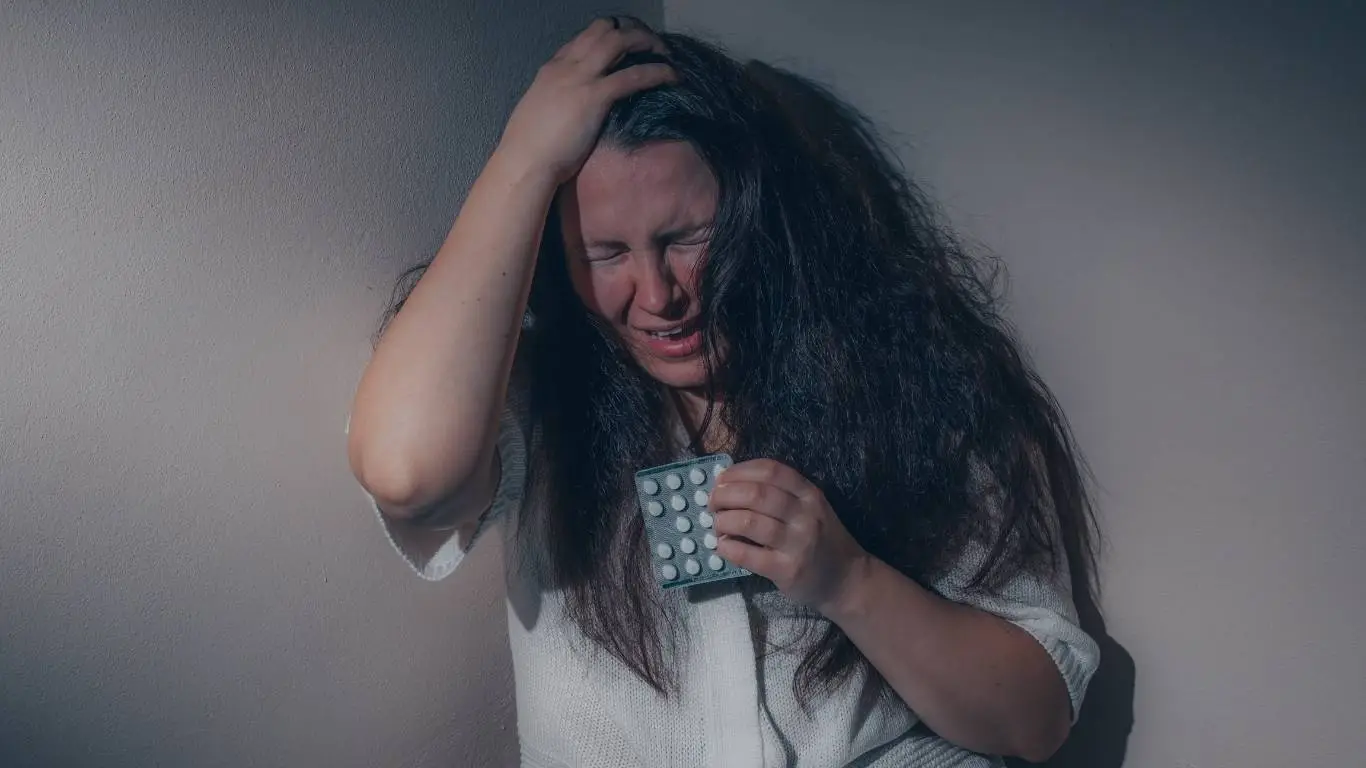
This process isn’t just physical—it’s deeply emotional. You’re unlearning patterns, rebuilding your brain’s chemistry, and rediscovering how to navigate stress. That’s huge. Whether you’ve tapered off completely or are still working through it, remind yourself: every step is progress.
For more long-term self-support strategies beyond meds, I highly recommend this guide on lifestyle and self-help tools. It pairs well with the foundational info in our main anxiety overview that dives into how anxiety quietly shapes daily life even after the meds are gone.

Camellia Wulansari is a dedicated Medical Assistant at a local clinic and a passionate health writer at Healthusias.com. With years of hands-on experience in patient care and a deep interest in preventive medicine, she bridges the gap between clinical knowledge and accessible health information. Camellia specializes in writing about digestive health, chronic conditions like GERD and hypertension, respiratory issues, and autoimmune diseases, aiming to empower readers with practical, easy-to-understand insights. When she’s not assisting patients or writing, you’ll find her enjoying quiet mornings with coffee and a medical journal in hand—or jamming to her favorite metal band, Lamb of God.