Work-Life Balance Feels Harder Than It Used To
It often starts quietly. A calendar that feels fuller than it used to. Evenings that seem to disappear. Weekends that pass without the reset they once gave. Many adults find themselves thinking that work-life balance feels harder than it used to, even when their job, schedule, or responsibilities have not dramatically changed.
This experience is more common than people admit. It can feel confusing because on paper, life may look manageable. Yet day to day, there is a lingering sense of being stretched, rushed, or mentally split between roles. The feeling is familiar, but hard to put into words.
For many, this isn’t about working longer hours or taking on new roles. It’s about how modern life fills the spaces between work and rest, leaving little room to truly disengage. The pressure is subtle, constant, and often invisible.
In simple terms, work-life balance used to feel more defined. Work happened somewhere specific. Personal life lived somewhere else. Today, those lines blur easily, even for people who value boundaries and try to protect them.
Work-life balance feels harder than it used to because the rhythm of daily life has changed. Expectations are quieter but heavier. Attention is pulled in more directions. And rest doesn’t always feel restorative anymore.
This article explores that experience without judgment. It looks at how it shows up, why it feels so widespread, and what everyday factors quietly shape it.
This topic comes up often when people reflect on lifestyle balance in general, which is explored more broadly in this lifestyle balance overview.
What This Experience Feels Like Day To Day
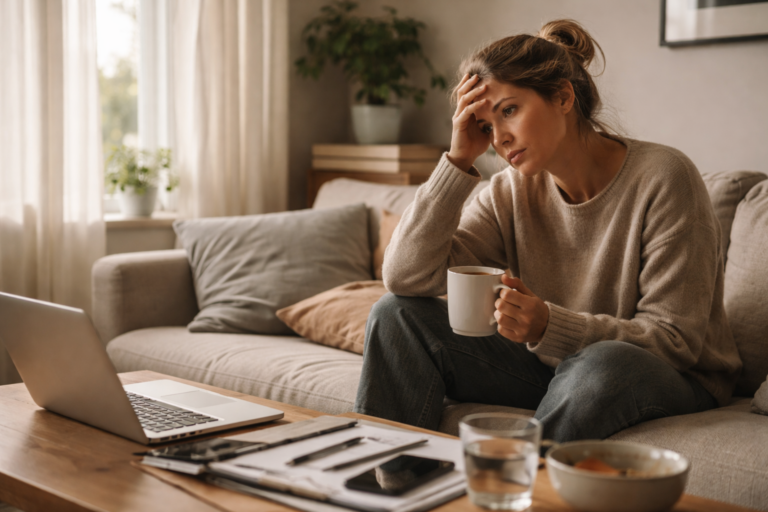
For some, the feeling shows up as mental clutter. Even after logging off, thoughts about tasks, messages, or deadlines linger. The body may be home, but the mind remains slightly engaged with work.
Others notice it as emotional fatigue. Not burnout in a dramatic sense, but a low-level tiredness that makes evenings feel shorter and mornings feel heavier. There’s less anticipation for downtime because it often feels incomplete.
Many describe a constant background pressure. Not stress exactly, but a sense that something always needs attention. There is rarely a true pause, only transitions from one responsibility to another.
This can be especially confusing for people who technically have flexibility. Remote work, adjustable hours, or autonomy can help in some ways, yet still contribute to the feeling that work is always nearby.
The result is a sense of imbalance that doesn’t always have a clear source. Nothing is “wrong,” yet something feels off.
Why It Feels More Complicated Than Before
Part of the challenge is that work-life balance is no longer just about time. It’s about mental availability. Even when hours are reasonable, attention is often fragmented.
Notifications, updates, and quick check-ins create a pattern of constant light engagement. Each moment seems small, but together they shape how the day feels. Rest becomes shallow, interrupted by thought rather than action.
There is also a cultural shift toward responsiveness. Being reachable is often treated as a baseline expectation, even when it’s not explicitly stated. Many people internalize this and stay mentally “on” longer than they realize.
Another layer comes from comparison. Seeing others manage full lives online can quietly raise the bar for what feels normal. Productivity, availability, and balance all appear effortless from the outside.
These influences are subtle, but they add up. Over time, they change how balance feels, even if routines stay mostly the same.
How Modern Lifestyle Pressure Shows Up
Modern lifestyle pressure rarely announces itself. It settles into the background of daily life.
One common pattern is the shrinking of recovery time. Even short breaks are filled with errands, scrolling, or catching up. There is less unstructured space where the mind can wander or rest.
Another is the blending of roles. A single hour may include work messages, household tasks, and personal conversations. Switching contexts repeatedly takes more energy than it appears.
There’s also a subtle pressure to optimize everything. Free time becomes something to use wisely, not simply experience. This can make rest feel like another task to complete.
None of these elements are inherently negative. The challenge comes from their accumulation.
The Loss Of Clear Transitions
In the past, transitions were built into the day. Commuting, closing an office door, or changing clothes signaled a shift from one role to another.
Now, transitions are often self-managed. Logging off a device doesn’t always create the same psychological separation. The boundary exists, but it’s thinner.
Without clear cues, the nervous system doesn’t always recognize when it’s safe to disengage. This doesn’t create alarm, but it does create restlessness.
Over time, the absence of transitions can make days feel continuous rather than segmented. Work and personal time blend into one long stretch.
Why Even “Balanced” Days Can Feel Draining
Some people look at their schedules and see balance on paper. Reasonable hours. Time off. Social plans. Yet the sense of depletion remains.
This often comes from cognitive load. Holding many small responsibilities in mind requires energy, even when they don’t demand immediate action.
Decision fatigue plays a role as well. Constantly choosing when to respond, what to prioritize, or how to manage interruptions can quietly exhaust attention.
The body may be resting, but the mind is still working through unfinished loops.
The Emotional Side Of Balance
Work-life balance isn’t only practical. It’s emotional.
When balance feels harder than it used to, people may experience mild guilt during rest or frustration during work. There can be a sense of never fully being where you are.
This doesn’t mean dissatisfaction with life or career. Often, it reflects caring deeply about multiple areas at once.
The emotional weight comes from trying to honor all those priorities in an environment that doesn’t naturally separate them.
Why This Feels So Widespread
One reason this experience resonates with so many people is that it’s shaped by shared conditions. Technology, cultural expectations, and changing work structures affect nearly everyone.
Because it’s common, it can be easy to dismiss. People assume it’s just how life is now.
Yet acknowledging the experience is important. Naming it helps reduce self-blame and opens space for reflection rather than pressure.
This isn’t about personal failure. It’s about living within systems that quietly demand more mental presence than before.
A Neutral Perspective On Balance
Balance doesn’t have a single definition. It shifts across seasons of life, work demands, and personal needs.
Rather than something to achieve, balance is often something to notice. Paying attention to how days feel can be more informative than measuring hours.
For many, recognizing that work-life balance feels harder than it used to is the first step toward understanding their current rhythm.
This awareness alone can soften the experience, even without immediate changes.
Search Preview Summary
Work-life balance feels harder than it used to for many adults navigating modern lifestyle pressure. This article explores how that experience shows up in daily life, why it feels so common, and how subtle shifts in routine, attention, and expectations shape the sense of balance.

Robin Abbott is a wellness and lifestyle writer at Healthusias, focusing on everyday health awareness, habits, and life optimization through clear, non-medical explanations.