Writing Letters To Your Anxiety Helped Me Regain Inner Peace
If you’ve ever sat down with a pen and a notebook, heart racing and head spinning, unsure whether to scream, cry, or hide, then you already understand why I started writing letters to my anxiety. At first, it felt ridiculous—talking to something that lived inside me. But over time, this little ritual became one of the most unexpectedly healing tools I’ve ever used. No therapist suggested it. No book told me to do it. It just… happened. And it changed everything.
Why Writing to Your Anxiety Isn’t Silly (Even If It Feels That Way)

Let me be honest—your anxiety doesn’t care about logic. It whispers lies, stirs panic, and thrives in chaos. But when you write letters to it, you’re forcing it into the light. You’re saying: “You don’t get to run the show silently anymore.”
And that matters. A lot.
It’s Not Just Journaling—It’s Confrontation with Compassion
Unlike freewriting or diary-style journaling, writing letters to anxiety creates a two-way dialogue. You get to challenge it. Question it. Even mock it, if that helps. There’s a kind of psychological distance you create between *you* and *it*—a moment where you’re not fused with your anxious thoughts. That moment is pure gold.
- It builds self-awareness: You start recognizing patterns and triggers that often fly under the radar.
- It empowers you: You shift from being a passive victim of anxiety to an active participant in your own healing.
- It validates your experience: There’s no filter needed here. You can say exactly how it feels.
What to Write in a Letter to Your Anxiety

Writing doesn’t have to follow any rules. But if you’re staring at a blank page wondering where to begin, here’s a framework that’s worked wonders for me:
- Call it out: Start with “Dear Anxiety,” and don’t hold back. Describe how it feels in your body. Is it a tight chest? Shaky hands?
- Express what you’ve lost: “Because of you, I missed dinner with friends again.” This part stings—but it’s honest.
- Ask it questions: “Why do you always show up before something good happens?” It’s not about answers. It’s about giving voice to frustration.
- Set a boundary: “You can exist, but you’re not driving anymore.” You’d be surprised how powerful it feels to write that down.
It’s Okay to Be Angry
I used to write like I was scared of hurting anxiety’s feelings. Now? I let it rip. Rage, sarcasm, exhaustion—all of it has a place on the page. Sometimes I swear at it. Sometimes I beg it to leave me alone. But every time, I feel lighter afterward. Not “cured,” but cleared, if that makes sense.
My Go-To Ritual: Pen, Paper, and Permission

Here’s how I usually do it. I make tea. I find a quiet corner. I light a candle if I’m feeling dramatic (no shame). And I write. Sometimes it’s one page. Sometimes it’s ten. Sometimes I cry. Other times, I laugh at how absurd anxiety can be. What matters is showing up.
Writing like this doesn’t replace therapy. But it complements it. It makes space in my day for *me*—the version of me that wants to live without anxiety calling all the shots.
Helpful Add-ons That Supercharge the Process
Honestly, pairing writing with certain tools has amplified the relief I feel:
- Prompt-based journaling when I feel too scattered to think clearly
- Breathwork before writing to calm the nervous system
- Medication support when anxiety feels biologically overwhelming
Letting Your Anxiety Speak Back (Yes, Really)
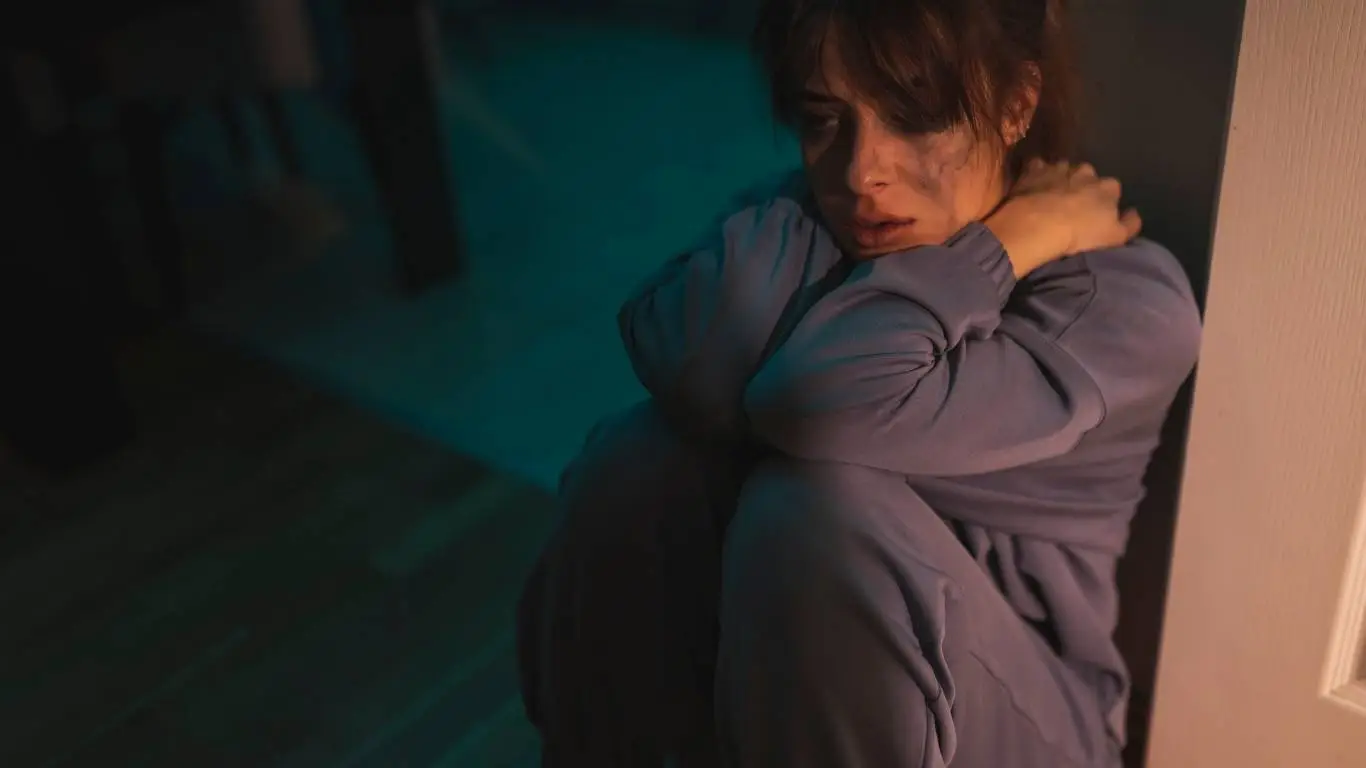
This might sound weird—but I once wrote a response letter from anxiety back to me. I tried to imagine what it would say if it had a voice. Not surprisingly, it sounded like an overprotective friend that had completely lost the plot. It said things like:
- “I just don’t want you to fail.”
- “If I keep you scared, maybe you won’t get hurt.”
- “I’m trying to keep you safe from disappointment.”
When I read it back, I felt… compassion. For something that had hurt me for so long. That’s not an easy place to get to, but it’s worth trying.
Science Says It Works, Too
According to APA and studies from NIH, expressive writing reduces psychological stress, improves emotional regulation, and even lessens physical symptoms of anxiety. You’re not just venting—you’re regulating.
Building a Relationship with Your Anxiety

This is the part I never expected: The more I write to my anxiety, the more I get to know it. I no longer see it as a monster in the dark. It’s more like an overly dramatic roommate who needs constant reassurance. Still annoying? Yes. But less terrifying.
Of course, this isn’t the only method. Everyone’s journey looks different. If anxiety has taken over your daily life, it might be worth exploring broader strategies through psychotherapy and counseling or learning how anxiety disorders quietly take over.
And if you’re still wondering why your anxiety has so much control, you’ll probably find clarity in this deep dive into the overlooked causes.
When Writing Becomes a Lifeline, Not Just a Practice

One of the hardest days I had with anxiety came during a work deadline. I felt the world closing in. I couldn’t breathe properly. So I wrote. Not for clarity, not for some brilliant therapeutic breakthrough—just because I needed to survive that hour. And surprisingly, I did.
This isn’t just a tool. It becomes a lifeline when anxiety claws at you unexpectedly. The act of writing slows your mind down just enough to step outside the storm and catch a breath. That’s the real power here. Not perfection—presence.
Try Writing at Your Worst Moments
It’s easy to pick up a pen when you’re feeling reflective. It’s another story entirely when you’re mid-anxiety spiral. But if you can push yourself to scribble even one line during those raw moments—“I hate this. I’m panicking. Why now?”—it creates space. A crack in the noise.
You might even notice that by confronting anxiety directly, it begins to back off. The body relaxes, just a bit. The racing slows. And sometimes, that’s all we need to get through the next few minutes.
Adding Depth: Use Creative Letter Formats

If you’re like me, monotony kills the habit. So I’ve gotten a little weird with my letters—metaphors, dialogue, even poems. Here are some fresh ideas to try if you’re feeling stuck:
- Write a breakup letter to your anxiety. “It’s not me. It’s totally you.”
- Create a script: Anxiety as an annoying character who won’t stop interrupting your day.
- Use humor: Give your anxiety a ridiculous name (mine’s Carl—don’t ask).
- Flip the script: Write from the future version of yourself who overcame this.
Each variation gives you new language to express and reframe how anxiety affects you. That reframing, according to experts from Psychology Today, can shift our entire experience of anxious thoughts—from automatic to intentional.
Sharing or Keeping It Private?

Some people burn their letters. Others post excerpts on blogs or talk about them in therapy. Personally, I keep a few folded in my wallet. They remind me of the strength I forget I have during the harder days.
If you’re in therapy, sharing these letters can open powerful conversations. Therapists love patterns, and these letters often expose the *real* emotional drivers we don’t speak aloud.
And if you’re doing this on your own? That’s okay too. You’re not alone. In fact, many people who try EMDR therapy or even mindfulness meditation also incorporate expressive writing as part of their healing routine.
Make It a Habit Without Making It a Chore

Let’s be honest—some days you just won’t feel like writing. That’s fine. But when it becomes something you *want* to do, not something you *should*, it sticks. Here’s how I made it sustainable:
- Set a low bar: Just one sentence counts. That’s it.
- Attach it to an existing habit: After brushing your teeth or right before bed.
- Use sticky notes: Leave one on your mirror with a daily anxiety check-in prompt.
It’s not about being poetic. It’s about being real. Raw. Honest. That’s where the magic happens.
What It’s Really Done for Me (Beyond the Obvious)

This practice didn’t just make my anxiety quieter. It made me louder. It gave me back my voice—the one anxiety had hijacked for years. I’ve found new language to talk about it, new calm when it flares, and new clarity about what I actually want.
I also started recognizing deeper triggers. Like how perfectionism fuels my anxious episodes (check this deep dive on perfectionism and anxiety). Or how my gut health completely shifts my anxiety levels (gut-anxiety connection is real!).
And yes, writing made those connections clearer than anything else I’ve tried.
Where to Go From Here

If this resonates with you, take it further. There’s so much more to understand about how writing fits into the bigger picture of mental health. Learn more about lifestyle-based approaches to anxiety that blend beautifully with letter writing.
And if anxiety still feels like it’s quietly running your daily life (even when you look “fine” to others), this article breaks that illusion wide open.
For the deep roots behind why your anxiety keeps showing up uninvited, don’t miss this must-read piece—it helped me recognize things I never thought were connected.
Start where you are. Write what you feel. And remember: Anxiety may be loud, but your voice—on paper—is louder.

Camellia Wulansari is a dedicated Medical Assistant at a local clinic and a passionate health writer at Healthusias.com. With years of hands-on experience in patient care and a deep interest in preventive medicine, she bridges the gap between clinical knowledge and accessible health information. Camellia specializes in writing about digestive health, chronic conditions like GERD and hypertension, respiratory issues, and autoimmune diseases, aiming to empower readers with practical, easy-to-understand insights. When she’s not assisting patients or writing, you’ll find her enjoying quiet mornings with coffee and a medical journal in hand—or jamming to her favorite metal band, Lamb of God.