Omega-3 Intake May Help Reduce Floaters Naturally
So, let’s talk about something that’s been floating around—literally. Eye floaters. Those little squiggly shadows that drift through your field of vision like lazy jellyfish. If you’ve ever stared at a bright sky or a white wall and caught those ghostly specs moving around, you’re not alone. I started noticing mine about a year ago—especially when I switched from working indoors to more sunlit environments. Naturally, I started digging. And somewhere along the rabbit hole, omega-3 came up. But does omega-3 intake reduce floaters, or is it just another supplement buzzword?
What Exactly Are Eye Floaters?
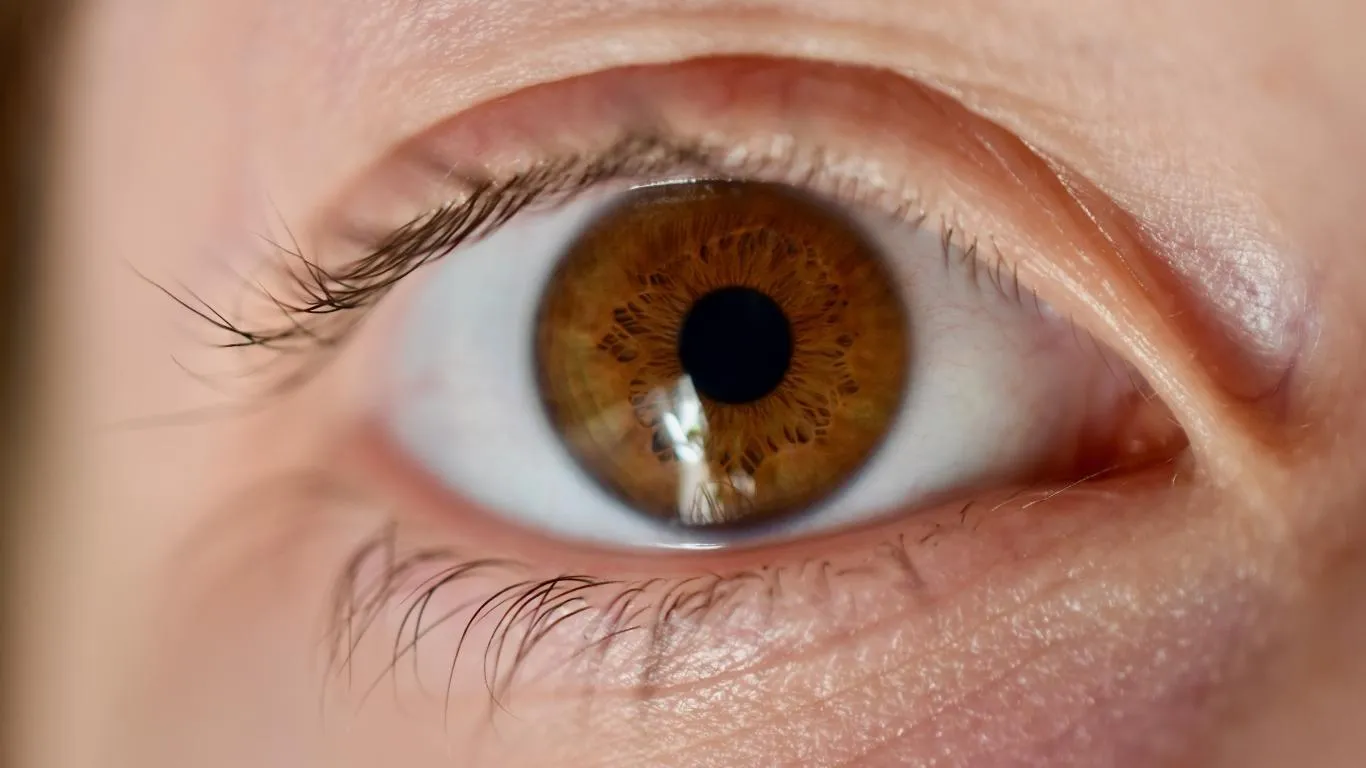
Eye floaters are small clumps or strands of collagen inside the vitreous—the gel-like substance that fills the middle of your eye. As we age, the vitreous begins to liquefy, causing these particles to drift into our line of sight. They’re annoying, but often harmless. In fact, they’re part of aging for many. However, floaters can be exacerbated by age-related vitreous degeneration, trauma, dehydration, and even certain medical conditions.
Omega-3 Fatty Acids: A Quick Primer
Omega-3s are essential fatty acids that our bodies can’t produce on their own. They play a major role in everything from brain function to heart health. Found primarily in fatty fish like salmon, mackerel, and sardines, as well as flaxseeds and walnuts, omega-3s are broken down into EPA and DHA—two compounds known for their anti-inflammatory and neuroprotective properties.
So, when I stumbled across a post suggesting that omega-3 might help reduce floaters, my curiosity was piqued. I’ve taken fish oil off and on for years, mostly for my joints and skin. But never once did I connect it with my eyes—until now.
Is There Any Science Behind Omega-3 for Eye Floaters?

Let’s be real—there isn’t a ton of direct research tying omega-3 to the *reduction* of floaters specifically. However, several studies do suggest omega-3s benefit overall eye health. The most notable findings point to their role in reducing inflammation, improving tear production, and protecting retinal cells. All of which are indirectly linked to vitreous health.
For instance, DHA, a type of omega-3 abundant in the retina, has been shown to strengthen cell membranes and combat oxidative stress—a known contributor to vitreous degeneration. Meanwhile, EPA’s anti-inflammatory effects may help reduce micro-inflammatory responses that contribute to collagen breakdown in the eye.
Still, we’re missing a direct, peer-reviewed clinical trial that conclusively says: “Omega-3 reduces floaters.” What we do have is anecdotal evidence from optometrists, vision specialists, and people like me who’ve noticed subtle improvements after consistently supplementing for a few months.
Why It Might Work: Omega-3’s Role in Vitreous Stability

The theory is that omega-3s help maintain the structural integrity of the vitreous body. Over time, oxidative damage and dehydration can cause the vitreous to shrink and collapse, creating those pesky floaters. Omega-3’s cellular protection may help slow this process.
Plus, certain risk factors—like diabetes, high cholesterol, and chronic inflammation—have strong links to eye floaters. Omega-3s are known to support metabolic health and reduce systemic inflammation, so their effect might be more about prevention than cure.
Personal Experience: Did It Help Me?
I’ve been taking a high-quality omega-3 supplement with 1000mg DHA/EPA per serving every morning for about six months now. I also upped my fish intake—nothing too extreme, just two salmon meals a week and some walnuts in my yogurt. Did it magically make my floaters disappear? No. But I did notice they became less noticeable. Especially when I reduced screen time and stayed hydrated.
That’s the thing—eye floaters don’t usually vanish, but if you can improve your eye environment, you might just stop obsessing over them. Omega-3 seems to be one piece of that puzzle. Alongside hydration, eye strain reduction, and a bit of patience.
Other Natural Ways to Support Eye Health

- Stay hydrated: Dry vitreous = more floaters. Drink plenty of water daily.
- Limit screen time: Excessive screen time may worsen floaters—see more on this in this article.
- Eye nutrition: Add lutein, zeaxanthin, and vitamin C to your diet for added ocular support. Leafy greens and citrus fruits help here.
- Manage systemic conditions: Keep blood pressure and cholesterol in check. High BP, in particular, can worsen floaters, as noted here.
It’s also worth learning the common causes of eye floaters to determine if omega-3 is the right solution or just a supporting player in your eye health journey. And if you’re starting from scratch, you might want to get a full primer on what floaters are and how they work here.
Choosing the Right Omega-3 for Your Eyes

So if you’re thinking of trying omega-3 to help with floaters, the type and quality matter. Not all supplements are created equal. I made the mistake early on of grabbing the cheapest fish oil I could find—big mistake. It left a nasty aftertaste, and I didn’t feel any difference. After switching to a pharmaceutical-grade, triglyceride-form omega-3 with high EPA and DHA, it felt more promising.
Here’s what to look for:
- Triglyceride form (rTG): This is closer to the natural state of omega-3 and has better absorption than ethyl ester forms.
- Minimum 1000mg combined EPA/DHA: A lot of brands advertise “1000mg fish oil,” but that’s not the active omega-3 content. Check the label!
- No added fillers or synthetic dyes: You’re taking this for your eyes, not to flood your system with junk.
- Third-party testing: Look for IFOS or NSF certifications to ensure purity and absence of heavy metals.
Fatty fish like sardines and wild salmon are excellent food-based sources too. I started prepping grilled mackerel once a week and swapped in chia seeds for breakfast a few days just to get that variety in. You don’t have to go full Mediterranean, but a few tweaks can make a noticeable difference.
When Floaters Could Signal Something More Serious
Alright, let’s keep it real for a second—if your floaters come on suddenly, are accompanied by flashes of light, or look like a curtain is falling over your vision, don’t wait. These could be signs of a retinal tear or detachment. And that’s no joke. I knew someone who ignored that “flashing” symptom thinking it was migraine-related—it turned out to be a retinal tear that nearly cost them their sight.
Floaters from conditions like retinal tears, diabetic retinopathy, or inflammatory disorders like uveitis need professional medical attention. Omega-3s are great, but they’re not miracle workers when your retina is under siege.
Other Factors That Might Be Making Your Floaters Worse
Here’s what’s surprising—sometimes it’s not just aging or vitreous issues making floaters worse. Lifestyle matters. I didn’t realize how much screen time was making mine more noticeable until I started wearing blue light glasses and following the 20-20-20 rule (every 20 minutes, look at something 20 feet away for 20 seconds). Game-changer.
- Eye rubbing: Chronic rubbing can lead to floaters, especially if you already have high myopia or vitreous thinning.
- Dehydration: Yep, again. A dry vitreous is a shriveled vitreous. More water = more volume = less clumping.
- Poor sleep: I thought floaters were “just there,” but mine are definitely worse after late nights and 3 AM scrolling sessions.
- Blood sugar spikes: If you’re diabetic or insulin-resistant, you’ll want to pay attention to this connection.
There’s even a theory that chronic systemic inflammation plays a subtle role in floaters. If that’s true, omega-3 might help by reducing inflammation not just in the eye—but throughout the body.
What the Experts Are Saying
When I asked my optometrist about omega-3, she didn’t dismiss the idea at all. In fact, she said, “We’ve seen some patients report subjective improvement in floater awareness when they improve their eye nutrition, particularly with antioxidants and omega-3s.” She did clarify—it’s no quick fix. But in terms of long-term eye health, it’s one of the better options to try first before jumping into invasive routes like laser vitreolysis.
Many eye specialists also encourage combining omega-3s with hydration, proper lighting habits, and better screen ergonomics. These aren’t just fluff tips—they matter. Especially when your floaters are borderline disruptive.
When I’d Recommend Giving It a Try
If your floaters aren’t due to something urgent like a retinal issue, and you’re otherwise healthy, omega-3 supplementation might just be one of the lowest-risk things to try. The key is consistency. It took me at least 6–8 weeks before I noticed my floaters becoming less distracting, especially in bright settings.
But here’s the thing—it’s not about *eliminating* floaters entirely. That expectation will only frustrate you. It’s more about *managing* them. And the subtle improvements can be enough to make a big difference in your quality of life.
Where to Go From Here

If this has you thinking, you might also want to dive into natural ways to manage floaters beyond omega-3s. There’s a ton of info on what works, what doesn’t, and what’s still up for debate. And for a full overview of floaters—causes, symptoms, treatments—don’t miss this deep guide from our main pillar article.

Camellia Wulansari is a dedicated Medical Assistant at a local clinic and a passionate health writer at Healthusias.com. With years of hands-on experience in patient care and a deep interest in preventive medicine, she bridges the gap between clinical knowledge and accessible health information. Camellia specializes in writing about digestive health, chronic conditions like GERD and hypertension, respiratory issues, and autoimmune diseases, aiming to empower readers with practical, easy-to-understand insights. When she’s not assisting patients or writing, you’ll find her enjoying quiet mornings with coffee and a medical journal in hand—or jamming to her favorite metal band, Lamb of God.