Why Floaters Get Worse When Moving Eyes Side to Side
If you’ve ever noticed strange, shadowy shapes drifting around when you shift your gaze — especially those times you quickly move your eyes from side to side — you’re not alone. I still remember the first time I caught a glimpse of a tiny, semi-transparent thread gliding across my field of vision. It freaked me out a little, but turns out, those are called *eye floaters*, and they’re surprisingly common. What’s less common, though, is understanding *why* these floaters tend to appear more clearly when you move your eyes side to side. Let’s unpack that together.
Why Do Floaters Show Up When You Move Your Eyes Side to Side?
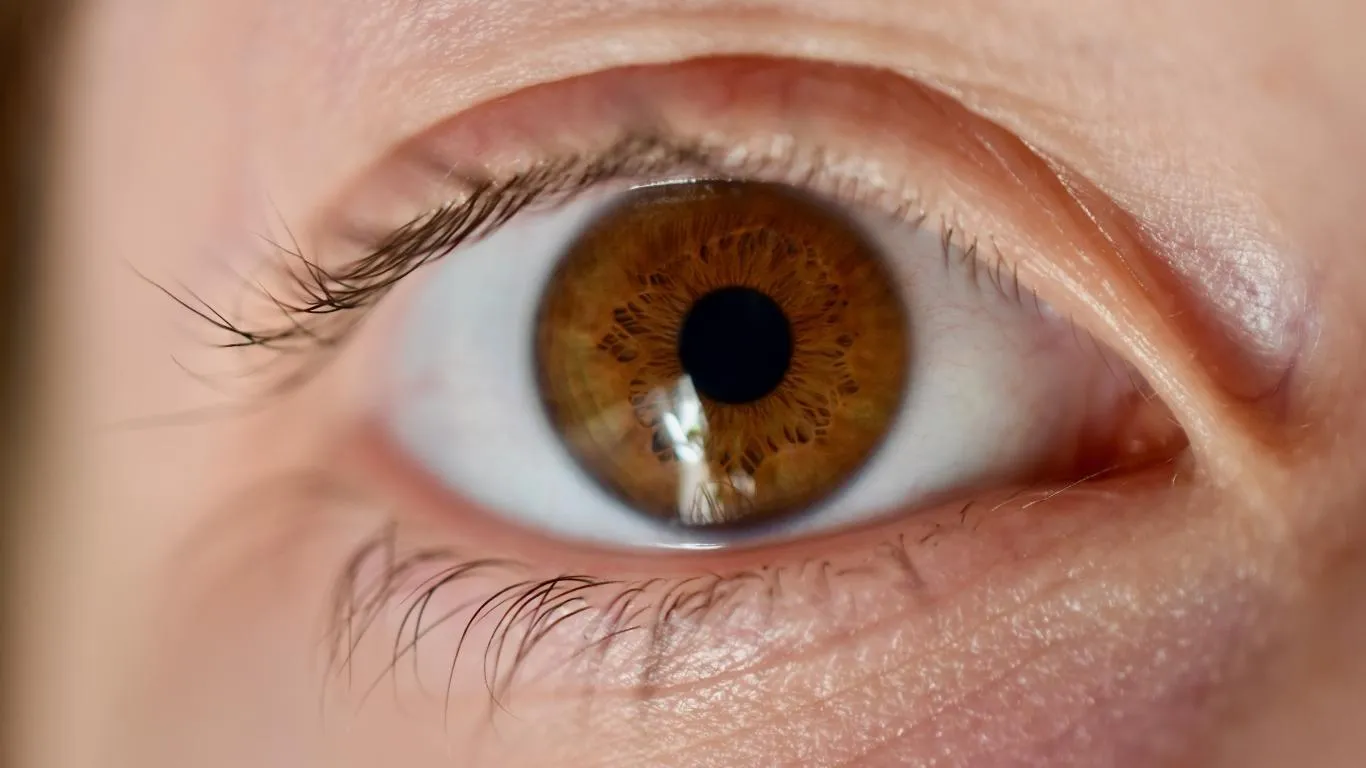
First, let’s make one thing clear: floaters are typically not dangerous. They’re often just tiny clumps of collagen fibers floating inside your eye’s vitreous gel. The reason they become noticeable when you dart your eyes around? Movement causes these clumps to shift, casting shadows on your retina — which is when you notice them dancing or gliding in your vision.
It’s All About the Vitreous Gel
The vitreous humor, a jelly-like substance filling the center of your eye, plays a central role in how floaters behave. With age, or even just regular eye strain, the vitreous can begin to liquefy and shrink. This process, called posterior vitreous detachment, creates pockets of fluid and strands of collagen that float more freely.
As these structures shift when your eyes move — especially side to side — their motion becomes much more noticeable. Imagine snowflakes floating in a snow globe that you just shook. Same principle.
Personal Note: It’s Not Just You
When I hit my 30s, I started noticing floaters more often — particularly when I was working long hours at my desk. Every time I glanced at my second monitor or looked from my keyboard to the screen, those little wispy threads danced right into view. It wasn’t alarming anymore, but I found it distracting as hell.
Common Reasons Why Floaters Become More Noticeable During Eye Movement
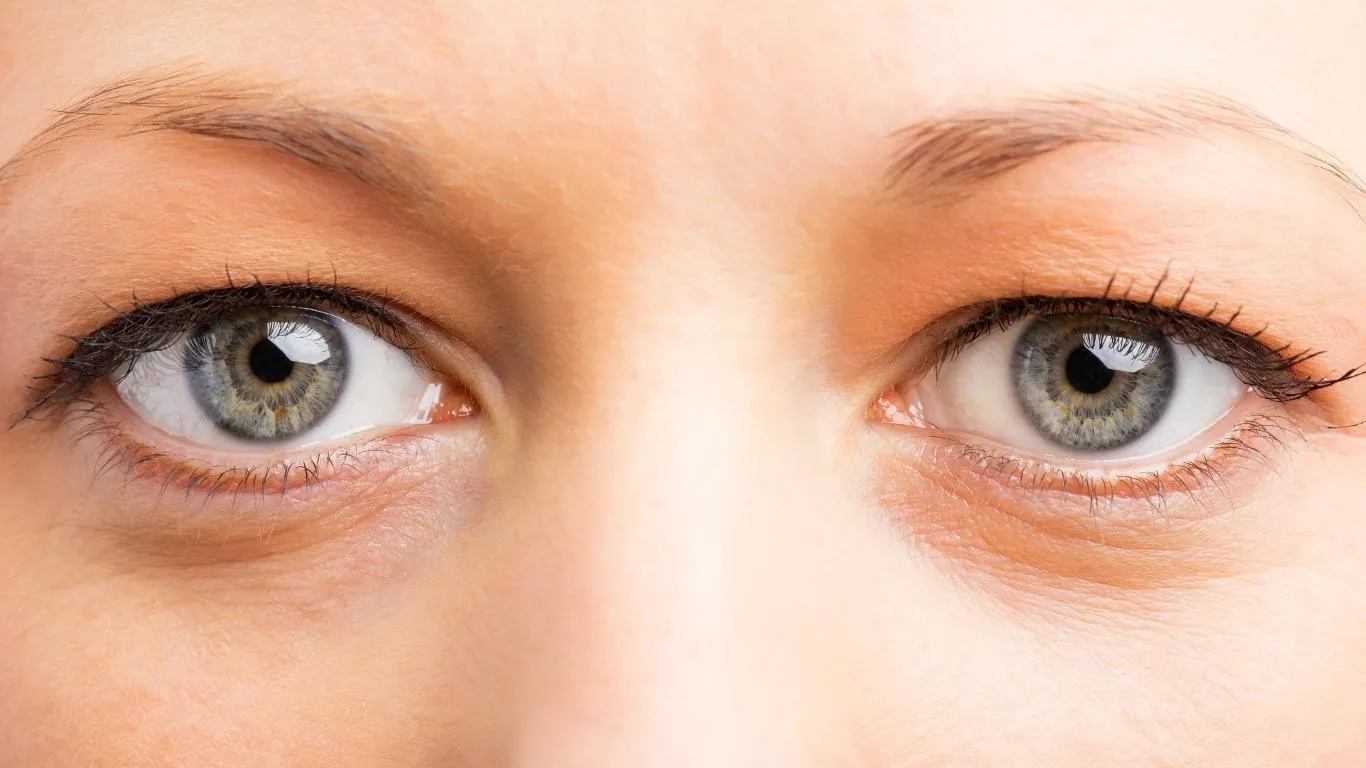
- Posterior Vitreous Detachment (PVD): A natural part of aging, often responsible for sudden increases in floaters. Learn more about how this works here.
- Dehydration: Lack of fluids can alter the vitreous consistency. Check out what happens when dehydration makes floaters worse.
- Screen fatigue: Long screen time causes eye strain, and constant rapid eye movements enhance floater visibility. You can read how screen time worsens floaters.
- High Myopia: People with nearsightedness tend to have a more liquified vitreous earlier in life.
Floaters or Something More Serious?
Although most floaters are harmless, any sudden increase — especially if paired with light flashes or vision loss — should be taken seriously. You could be dealing with a retinal tear or detachment, and that’s definitely a vision emergency. See what warning signs to watch for in this guide.
Another red flag is when floaters are accompanied by dizziness or headaches. If you’re seeing floaters when you move your eyes and feeling off-balance, check out how dizziness and floaters could signal more.
When Floaters Get Worse — And Why Side-to-Side Movement Makes Them Pop
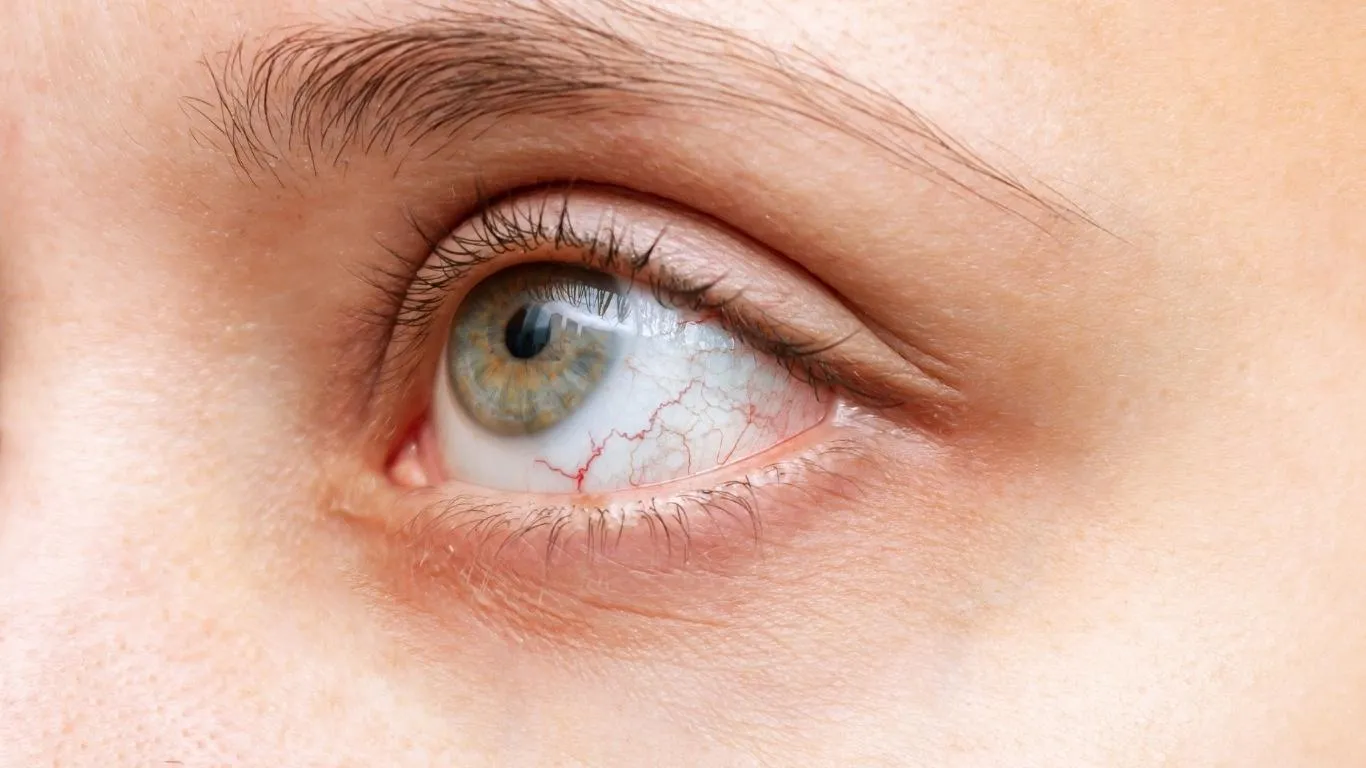
One theory I read — and my eye specialist confirmed it — is that horizontal eye motion allows floaters to cross your line of vision more dramatically. Vertical movement seems to shift floaters above or below your field of view, but horizontal motion sweeps them right across your retina’s central zone. That’s why you often see them much more clearly when glancing side to side rather than up and down.
Also, lighting matters. A bright background (like a white wall or a computer screen) amplifies the contrast, making floaters appear darker and more visible. It’s especially bad when I’m working under harsh office lighting — that’s when mine seem to multiply!
Do Floaters Ever Go Away?
In many cases, your brain learns to ignore them. This neural adaptation is called *neuroadaptation*, and it’s pretty remarkable. But in other cases, especially if the floaters are large or centrally located, they can persist and become bothersome.
- Observation: Most floaters don’t need treatment unless they impair vision.
- Vitrectomy: A surgical option to remove the vitreous and its floaters — though usually not recommended unless floaters are severe.
- Laser treatment: Less invasive, but results can vary.
More on this in Healthusias’ detailed post about treatment options for floaters.
Supporting Eye Health to Minimize Floaters
If you’re like me, you might not want to jump to medical procedures right away. Here are some simple, everyday habits that might help reduce floater frequency — or at least make them less bothersome:
- Stay hydrated — your vitreous is mostly water, so drink up.
- Give your eyes breaks during screen time — the 20-20-20 rule is gold.
- Eat foods rich in antioxidants like leafy greens, citrus fruits, and carrots.
- Exercise regularly to support blood flow to the eyes.
And yes, I’ve cut back on caffeine a bit too. Turns out, there’s some discussion around caffeine making floaters worse.
Want to go deeper into the causes and management of floaters? Check out this comprehensive guide on floaters from Healthusias.
And for broader coverage on what makes floaters appear and how to handle them naturally, their main pillar article is also worth a read: Common Causes of Eye Floaters.
How to Tell If Your Floaters Are Getting Worse
Let’s be real: most of us just brush off floaters as a part of life. But when those tiny shadows start feeling like they’re taking over your sight — or they multiply overnight — it might be time to take a closer look. I went through this phase myself, where every morning felt like a new floater had joined the party. It drove me nuts until I started paying attention to the signs.
Red Flags You Shouldn’t Ignore
- Sudden increase in floaters — especially if they’re large or look like cobwebs
- Flashes of light that come and go with no real source
- A shadow or curtain moving over part of your vision
- Floaters in just one eye — that’s often more serious than both
One of the scariest moments I had was seeing floaters paired with mild flashing in my peripheral vision. I thought it was stress or lack of sleep, but turns out those symptoms can point to something bigger — like a retinal tear. Learn what a retinal tear might look like.
When Are Floaters a Sign of a Deeper Condition?
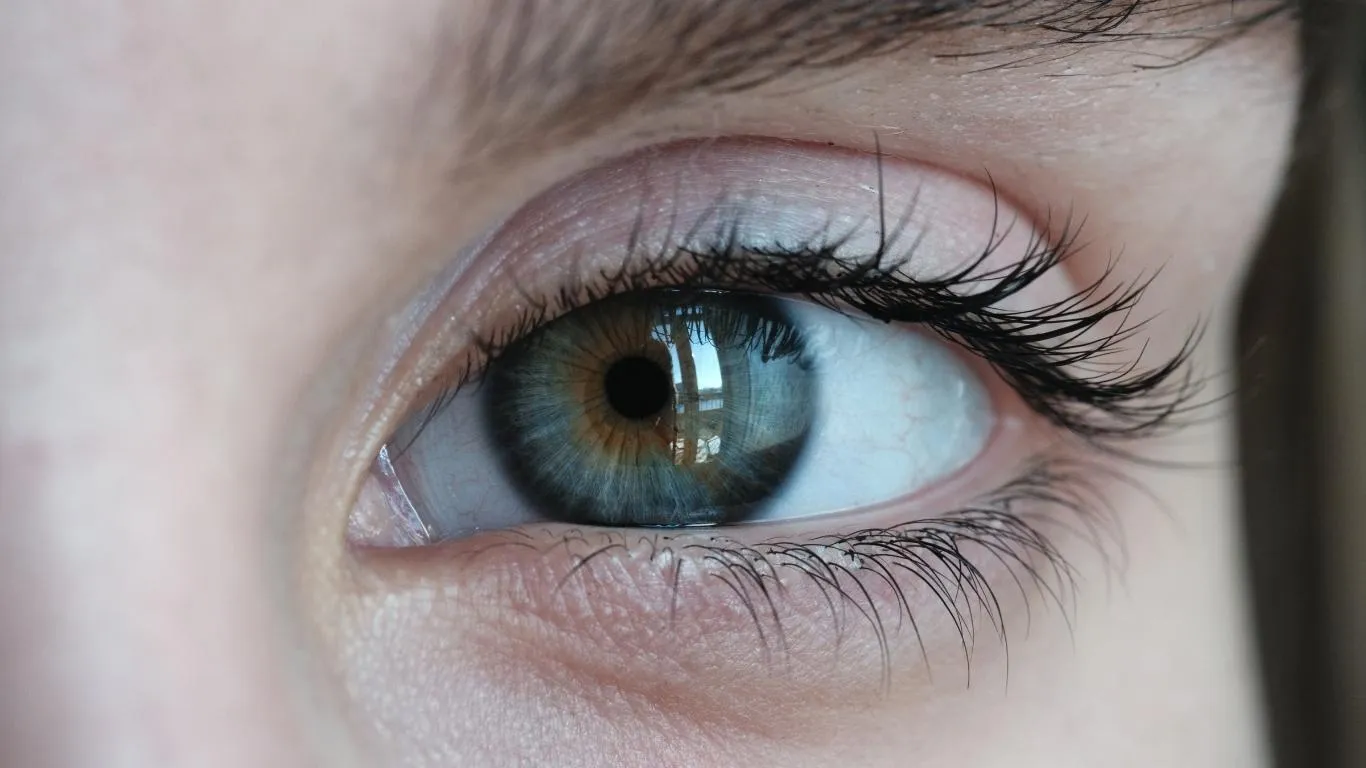
While most floaters are benign, they can be early indicators of underlying eye or systemic issues. If you’ve got chronic conditions like high blood pressure, diabetes, or autoimmune disorders, floaters may be your eye’s way of waving a red flag.
Some Conditions to Watch For
- Hypertension: Can damage retinal vessels and cause hemorrhages.
- Diabetic Retinopathy: Leads to blood vessel leakage and vision problems.
- Autoimmune diseases: Inflammation can cause floaters or even uveitis.
- Uveitis: Inflammatory response that creates cloudy floaters.
If you’re seeing floaters alongside eye pain, redness, or blurry vision, that’s not something to tough out. Floaters aren’t always a standalone issue — sometimes they’re part of a much larger picture.
Everyday Triggers That Make Floaters Worse

When I started logging what made my floaters worse, I realized certain habits were setting them off more than others. Especially when I stayed up late staring at screens or skipped meals. If you’ve noticed your floaters acting up, these might be the culprits:
- Eye strain from screens — too much blue light exposure can make floaters appear sharper.
- Lack of sleep — exhaustion makes your brain less able to filter visual noise. Read more on why sleep deprivation impacts floaters.
- Dehydration — even mild dehydration changes the consistency of the vitreous humor.
- Diet high in sugar or low in antioxidants
- Hormonal changes — especially common during pregnancy or menopause. Dive deeper into floaters during pregnancy.
What You Can Actually Do About Floaters
While it might seem like you’re stuck with them, floaters aren’t entirely out of your control. I’ve experimented with a few things — and while not every method works for everyone, these are worth trying:
Natural Options People Swear By
- Diet rich in antioxidants: Think spinach, kale, oranges, and blueberries.
- Hydration: Keep your vitreous gel healthy by drinking enough water.
- Eye exercises: Gently moving your eyes side-to-side and up-down can help redistribute floaters. See what eye exercises may help.
- Supplements: I tried lutein and zeaxanthin for a few months — can’t promise magic, but I noticed a little improvement. Check out supplements that may support vision health.
And no, rubbing your eyes doesn’t help. In fact, that might make things worse. Learn why eye rubbing can worsen floaters.
When Medical Help Makes Sense
If floaters are starting to mess with your quality of life, don’t suffer in silence. I waited way too long before seeing an ophthalmologist. They checked for retinal detachment and even walked me through treatment options like laser vitreolysis and vitrectomy. While I didn’t go through with it, knowing my choices was empowering.
And if you’ve recently had eye surgery or trauma, you should absolutely monitor floaters. Read up on why post-surgery floaters need attention.
Keeping Tabs on Your Vision
I started tracking my floater episodes in a journal — and eventually a simple phone app. It helped me notice patterns I would’ve missed otherwise. Days with poor sleep, long hours on the laptop, and dehydration almost always aligned with worse floaters. Want to monitor your changes better? Here’s a guide to keeping tabs on floaters.
Bottom line: don’t ignore your gut. If something feels off with your eyes, it’s worth checking out. Floaters when moving your eyes side to side might be common — but your peace of mind matters more.
And if you’re curious about deeper causes and full treatment breakdowns, head over to the Healthusias’ detailed article on what causes floaters and what to do.
For more context, this supporting guide on when floaters might signal danger is worth a read too.

Camellia Wulansari is a dedicated Medical Assistant at a local clinic and a passionate health writer at Healthusias.com. With years of hands-on experience in patient care and a deep interest in preventive medicine, she bridges the gap between clinical knowledge and accessible health information. Camellia specializes in writing about digestive health, chronic conditions like GERD and hypertension, respiratory issues, and autoimmune diseases, aiming to empower readers with practical, easy-to-understand insights. When she’s not assisting patients or writing, you’ll find her enjoying quiet mornings with coffee and a medical journal in hand—or jamming to her favorite metal band, Lamb of God.