Do Floaters Mean Your Eyes Are Aging or Something Worse?
If you’ve ever stared at a bright sky or a white wall and noticed tiny specs, strings, or cobweb-like things drifting around in your vision—congrats, you’re now part of the “am I getting older?” club. I first spotted mine during a lazy afternoon staring out the window, and thought a bug was in the room. Turns out, it wasn’t. It was *inside* my eye. Welcome to the world of floaters—one of those subtle signs that your eyes might just be aging more than you’d like to admit.
Why Floaters Often Show Up As We Age
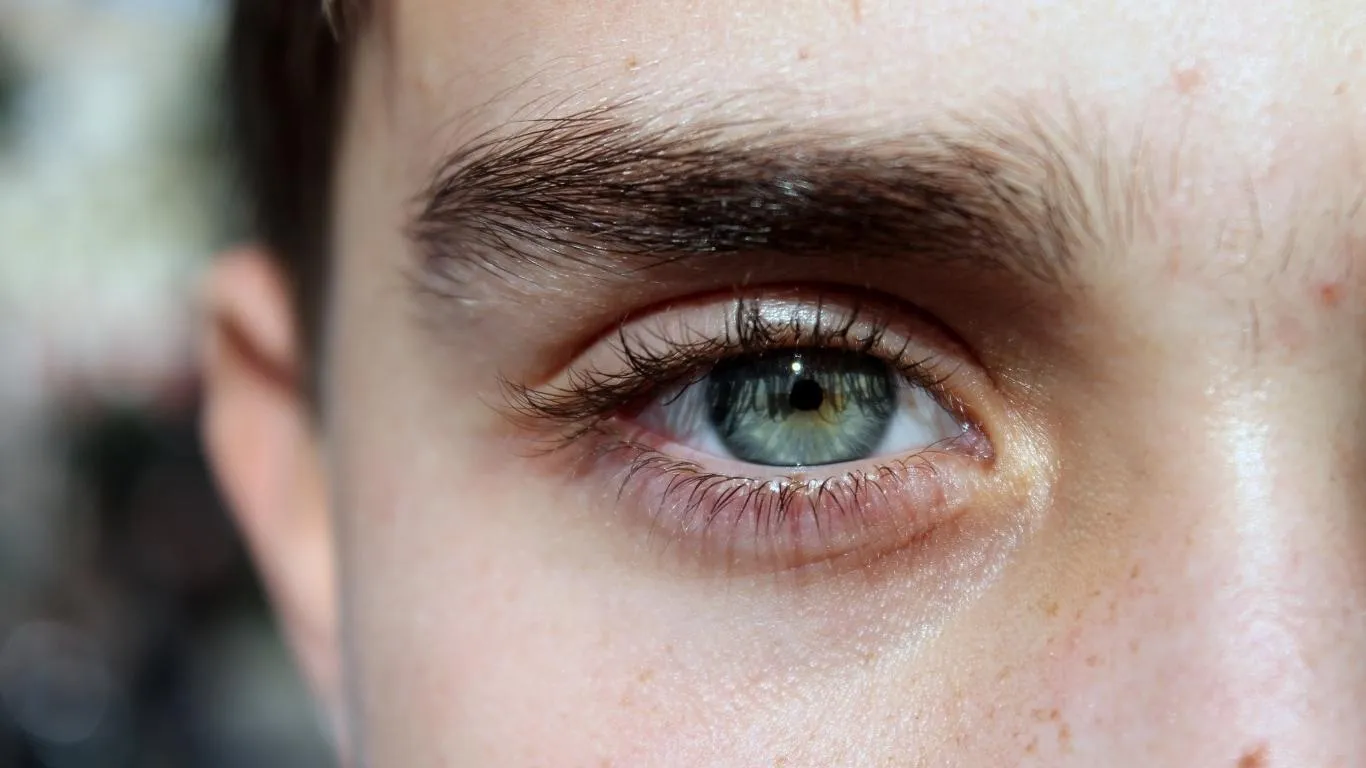
Floaters are not just random optical illusions. They’re the result of real, physical changes happening inside your eyes—most often inside the *vitreous*, the gel-like substance that fills the space between your lens and retina. As you age, this gel starts to break down, becoming more liquid and less uniform. Tiny collagen fibers clump together, casting shadows on your retina. That’s what you see floating around.
This process is medically referred to as posterior vitreous detachment (PVD), and it’s incredibly common in people over 50. The irony? It doesn’t necessarily mean anything is *wrong* with your vision—it’s just nature doing its thing. But for many of us, these floaters bring a mini existential crisis. “Is this what getting older feels like?”
Do Floaters Mean My Vision is in Trouble?
Not necessarily. For the most part, floaters are benign. But—and it’s a big but—if they show up suddenly, multiply rapidly, or are accompanied by flashes of light or a loss of peripheral vision, it’s time to act. These could be warning signs of a retinal tear or detachment, which is an emergency. So yeah, floaters can mean your eyes are aging, but they can also mean *trouble* if you ignore certain red flags.
There’s a helpful guide on when floaters are dangerous if you want to dive deeper into the warning signs.
Common Reasons Floaters Appear More Often with Age
- Vitreous Syneresis: A fancy term for the liquefaction of the vitreous gel. This is what kickstarts most age-related floaters.
- Retinal Pull: As the vitreous shrinks, it tugs at the retina. In some cases, this can lead to tears or detachment.
- Oxidative Stress: Aging cells accumulate oxidative damage, which may influence how floaters form or become more noticeable.
- Eye Trauma or Surgery: Ever had cataract surgery? It’s fairly common to see floaters increase after that. Here’s more on floaters post-cataract surgery.
Personal Note: When I Knew My Eyes Were Changing
It was a mix of panic and curiosity. My floaters seemed to multiply overnight. After a visit to the ophthalmologist (and ruling out anything scary), I was told it’s just part of aging. There’s a weird comfort in knowing you’re not alone. Millions of people experience the same thing—and many just adapt.
But Wait, Why Are Floaters Worse in Bright Light?
If you’ve ever noticed your floaters going full rave-mode under the sun or bright screens, you’re not imagining things. The shadows cast by floaters are easier to see when your pupils are small and light is abundant. That’s why they tend to fade into the background when you’re in dim lighting.
Some people find floaters more distracting after computer use, which might be due to blue light exposure or dry eyes. Learn more about screen-related floater issues.
Pro Tip: Adjusting Your Environment Can Help
You might not be able to eliminate floaters, but you can make them less noticeable:
- Use darker backgrounds on screens
- Wear polarized sunglasses outdoors
- Keep indoor lighting balanced—avoid extreme contrast
And if you’re curious whether blue light glasses help or worsen floaters, I went down that rabbit hole—read about my experience with blue light filters.
How Age Impacts the Frequency and Severity of Floaters
Here’s the thing: not all floaters are created equal. Some are tiny specs that show up once in a while. Others are persistent and block parts of your vision. As you move into your 40s, 50s, and beyond, the chances of noticing floaters more frequently go up—especially if you’re nearsighted or have had prior eye procedures.
It’s also worth noting that systemic health can play a role. Conditions like diabetes, high blood pressure, or even autoimmune diseases can amplify the floater situation. And yes, stress and poor sleep habits don’t help either.
If you’re wondering what actually causes these aging floaters in the first place, the full breakdown is available in this main piece: Eye Floaters: Causes, Symptoms, and Treatments.
And for an even deeper understanding on all things floaters and how they tie into your age, check out the full guide here: Common Causes of Eye Floaters.
Can You Actually Treat or Reduce Age-Related Floaters?
Short answer? Kind of. Long answer? It depends on how much they’re affecting your daily life. For many people, floaters just become background noise—like the hum of an old refrigerator. But when they become disruptive, treatment options do exist. I asked my ophthalmologist once, “So, can we just laser them away or something?” He smirked, then explained the nuances.
Observation (aka the ‘Do Nothing’ Method)
This is what most eye doctors recommend initially, especially if the floaters are mild and not linked to a retinal tear. The brain is surprisingly good at adapting. Mine faded into the background within a few weeks—though they still make guest appearances when I look at the sky.
Laser Vitreolysis
This non-invasive procedure uses laser energy to break up large floaters, making them less noticeable. It’s not perfect and not recommended for all cases, especially if the floaters are too close to the retina. According to the American Academy of Ophthalmology, results can vary wildly based on floater type and location.
Vitrectomy (For Severe Cases)
This surgical option removes the vitreous gel entirely, replacing it with a saline solution. While it’s the most effective treatment for floaters, it comes with real risks—like retinal detachment or infection. Personally, I wouldn’t go this route unless floaters were making driving or reading impossible. Still, it’s good to know it exists.
More details on all treatment types and how they compare are outlined in this in-depth article: Eye Floater Treatments.
Are There Natural Remedies for Floaters That Work?
Let’s be real: natural remedies sound great, but do they actually work for floaters? The internet is full of miracle cures—eye exercises, detox smoothies, herbal drops—but research says otherwise. Still, there *are* a few things you can do that may support overall eye health and potentially reduce floater severity over time.
Diet Rich in Antioxidants
Foods high in lutein, zeaxanthin, and vitamin C may help reduce oxidative stress in the eye. Think spinach, kale, blueberries, and citrus fruits. I started adding more leafy greens and orange peppers to my meals—not a magic fix, but definitely helped with overall eye fatigue. Here’s a good resource: Best Foods for Eye Health.
Hydration Matters
Seems too simple, right? But dehydration can make floaters more noticeable, especially first thing in the morning. I used to chug coffee all day and skip water—bad move. Since I upped my water intake, my floaters seem less intense. Coincidence? Maybe. Or maybe my eyes were just thirsty. More on that here: Floaters and Dehydration.
Supplements That Might Help
- Omega-3 Fatty Acids: Good for eye lubrication and retinal health
- Vitamin C & E: Antioxidants that support collagen and protect eye tissues
- Magnesium: Some people report reduced floaters with better magnesium intake
For a full breakdown of supplements that actually support your eyes, check this out: Best Supplements for Floaters.
When Floaters Are a Sign of Something More
Let’s not sugarcoat it—sometimes floaters are more than just an age thing. If they suddenly multiply, you see light flashes, or experience partial vision loss, it could be a sign of retinal tear or detachment. That’s not something to wait on.
One of my friends ignored sudden floaters until he literally lost half his vision in one eye overnight. It was a retinal detachment, and he needed emergency surgery. Moral of the story: new or sudden floaters deserve your attention. Fast.
Here’s a detailed guide on floaters before retinal tears—worth a read if you’re ever unsure.
Other Health Conditions Tied to Floaters
All these can worsen floaters or mimic similar symptoms. If your floaters change in shape, size, or behavior—go get checked out.
How to Adapt and Live Comfortably with Floaters
Once I got past the initial annoyance, I started learning how to live with floaters. That doesn’t mean accepting poor vision—it means adjusting your environment, habits, and mindset to keep them from taking over your focus. Literally.
Small Lifestyle Tweaks That Help
- Lighting Control: Avoid extreme brightness. Diffused natural light works best.
- Screen Settings: Use blue light filters, lower brightness, and soft color themes.
- Mindset Shift: The more you fixate on floaters, the more your brain highlights them. Focus elsewhere, and they tend to fade out of awareness.
Also, if you’re someone who gets floaters during high-stress phases or after sleepless nights, this article on sleep and floaters might be surprisingly helpful.
Finally, if you’re looking for a comprehensive, expert-backed overview of all things floaters—including causes, symptoms, and treatment paths—be sure to visit the main pillar here: Eye Floaters: Causes & Treatment.
And if you’re deep-diving into age-related floaters specifically, this article ties it all together beautifully: Common Causes of Eye Floaters.

Camellia Wulansari is a dedicated Medical Assistant at a local clinic and a passionate health writer at Healthusias.com. With years of hands-on experience in patient care and a deep interest in preventive medicine, she bridges the gap between clinical knowledge and accessible health information. Camellia specializes in writing about digestive health, chronic conditions like GERD and hypertension, respiratory issues, and autoimmune diseases, aiming to empower readers with practical, easy-to-understand insights. When she’s not assisting patients or writing, you’ll find her enjoying quiet mornings with coffee and a medical journal in hand—or jamming to her favorite metal band, Lamb of God.