Why Floaters Get Worse When Switching Light Conditions
Ever noticed how those little squiggly floaters in your vision seem to show up more when you’re switching between lighting conditions—like walking from a dim hallway into a sunny room? Yeah, I used to think it was just me. But turns out, there’s a solid explanation behind it. Floaters, especially when they appear or get more intense as lighting changes, are something a lot of us silently deal with. I remember sitting at my desk and moving my head slightly toward the window—and bam, there they were. Annoying, right? Let’s get into why this happens, what it means, and what you can actually do about it.
Why Floaters Are More Noticeable When Light Changes
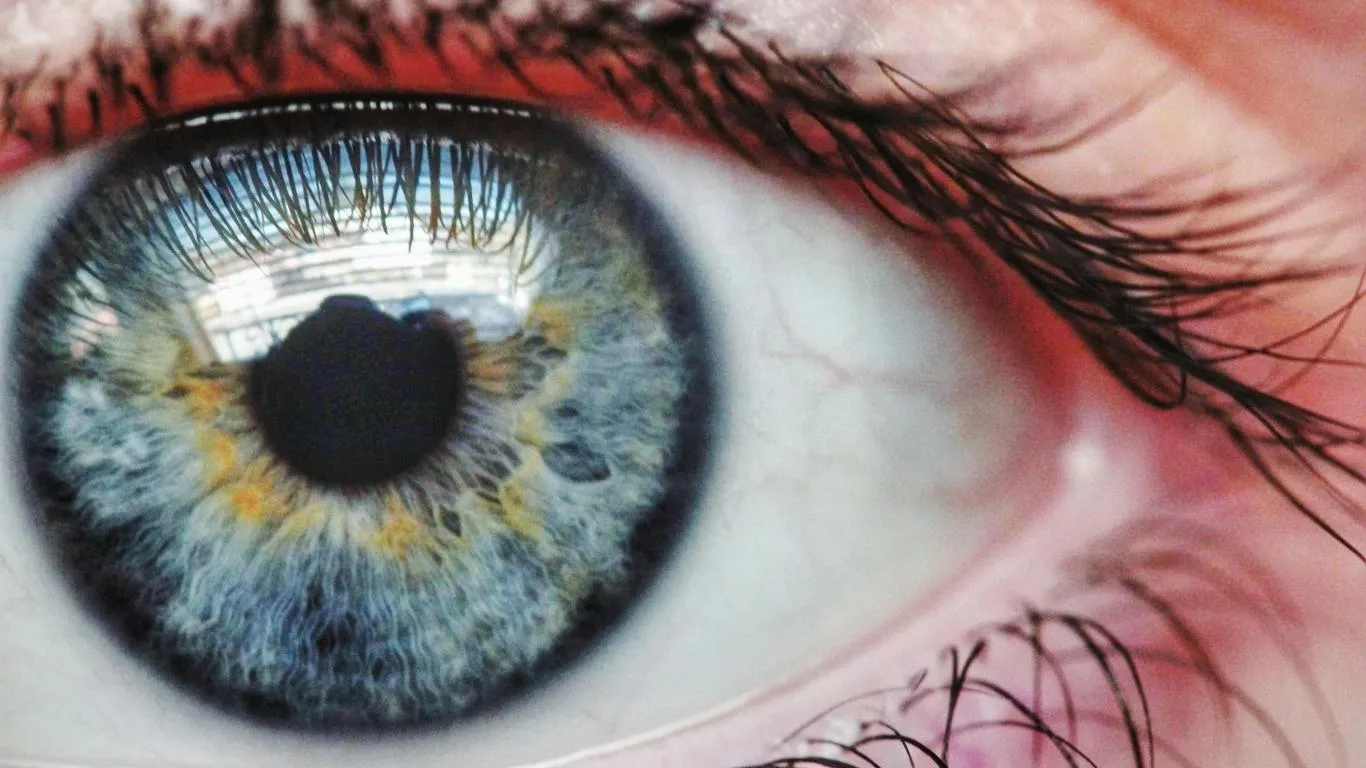
One of the most common moments floaters make themselves known is during shifts in lighting—like stepping outdoors on a sunny day or switching off your bedroom lamp. It’s not your imagination; it’s physics. When your eye is exposed to bright light, the pupil constricts, making the contrast inside your eye sharper. That means floaters—the clumps of collagen floating in the vitreous humor—cast a more distinct shadow on the retina.
And here’s the kicker: even if the floaters haven’t physically changed, your perception of them does. Light bouncing around makes those translucent bits look darker and more prominent.
The Shadow Play Effect
Floaters don’t reflect light; they block it. So, when light floods into your eye after being in the dark, floaters can stand out like graffiti on a white wall. If you’ve ever gone from looking at your phone in the dark to glancing up at a ceiling light—yeah, that’s when they hit hard.
And if you’re wondering, yes, floaters are more than just a visual annoyance. They can be early warning signs for deeper issues. Floaters before a retinal tear is a thing, and ignoring them could mean trouble.
Are These Light-Triggered Floaters Normal?
Short answer: they usually are. But not always. Seeing floaters more in certain lighting isn’t necessarily a sign your eyes are getting worse, but it’s definitely a cue to pay closer attention.
When It’s Normal
- You’ve had floaters for years, and they haven’t changed in shape or number.
- They appear briefly and fade quickly after light exposure.
- No flashes of light or curtain-like shadows accompany them.
When It Might Not Be
- Sudden burst of new floaters, especially in bright light.
- Floaters that look like cobwebs or dark rings.
- Floaters with other symptoms like blurred vision or light flashes.
If those red flags sound familiar, it might be a sign of something deeper like posterior vitreous detachment or even a retinal tear. Don’t just squint it away—get it checked.
How Your Brain and Eyes Handle Contrast
Here’s something wild: your brain adapts to floaters in dim light by sort of tuning them out. But flip on a bright light? Your brain goes, “Whoa, what is that?”—and floaters come back into the spotlight. This visual adaptation process is slow and imperfect, especially when you go from darkness to brightness quickly.
The effect intensifies as we age. The eye’s ability to filter visual “noise” weakens, making those floaters more noticeable. This is also why many older adults suddenly notice floaters while watching bright screens or reading under strong LED lighting.
Floaters vs. Screen Time
Think it’s just natural light? Nope. Screen brightness does the same thing. And if you’re someone who stares at screens a lot (welcome to the club), the harsh contrast can make floaters more noticeable. According to this article on screen-time floaters, digital exposure may not cause floaters directly, but it sure doesn’t help hide them.
What You Can Actually Do About It
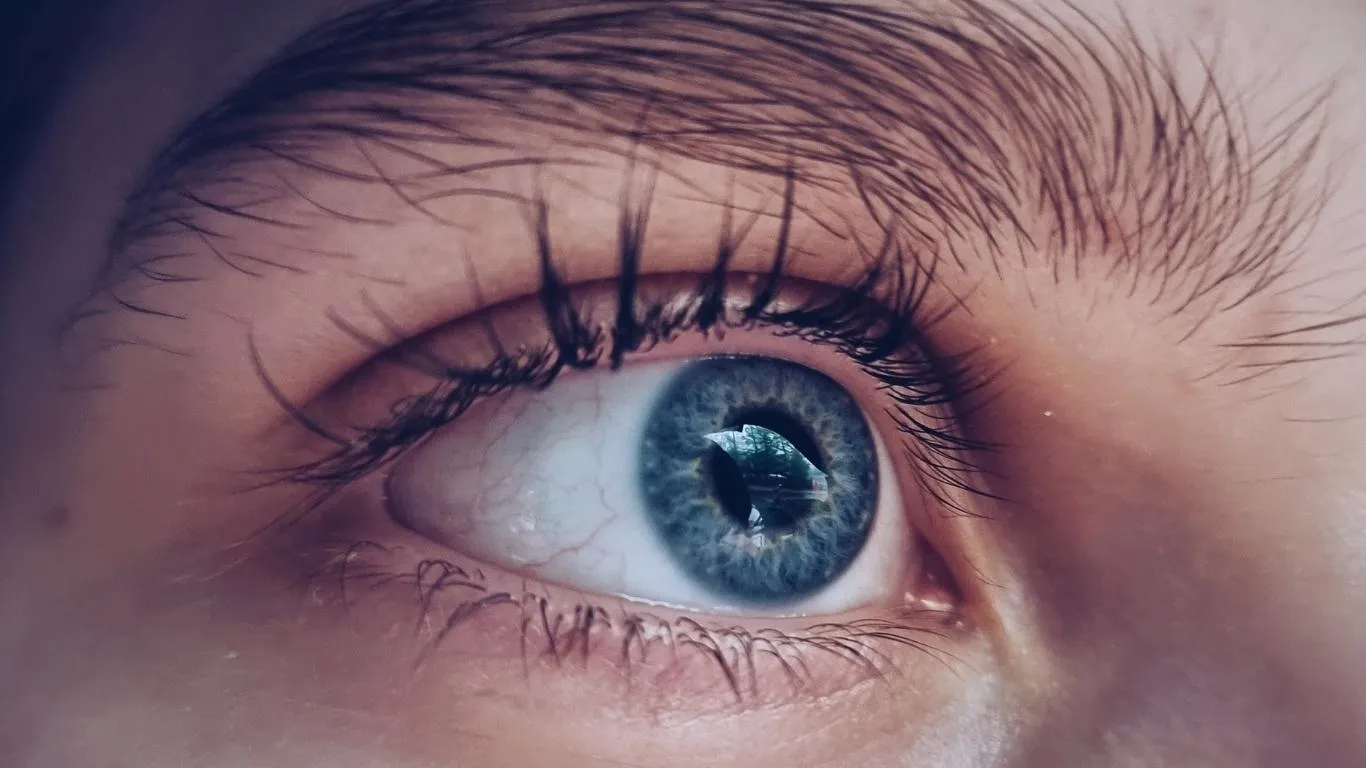
Okay, now for the good stuff—how to manage these floaters so they stop driving you nuts. I’ve tried a few things that surprisingly helped more than I expected.
- Adjust Lighting Smartly: Use ambient light instead of harsh overheads. Dimmer switches or smart bulbs make a big difference.
- Dark Mode & Blue Light Filters: These reduce contrast and strain, especially at night. Bonus: your sleep might improve, too.
- Eye Movement Techniques: Floaters tend to drift, so moving your eyes up and down or side to side can push them out of your central vision.
- Supplements: Some people find relief using vision-specific supplements. This guide on eye floater supplements lays it all out.
And hey, I used to be skeptical about natural remedies. But incorporating lutein-rich foods, staying hydrated, and managing screen glare really did help me reduce how often floaters would pop up in bright conditions. It’s not a miracle fix, but it’s something.
Still curious about what’s going on inside your eye? This eye floater overview article is the perfect place to get the full scoop. Or, if you’re trying to sort out if it’s really floaters or another eye problem, check this detailed comparison guide here.
For more background on how floaters originate and what they mean in the long run, don’t miss the full guide on what causes eye floaters.
Why Floaters Feel Worse After Going Outdoors
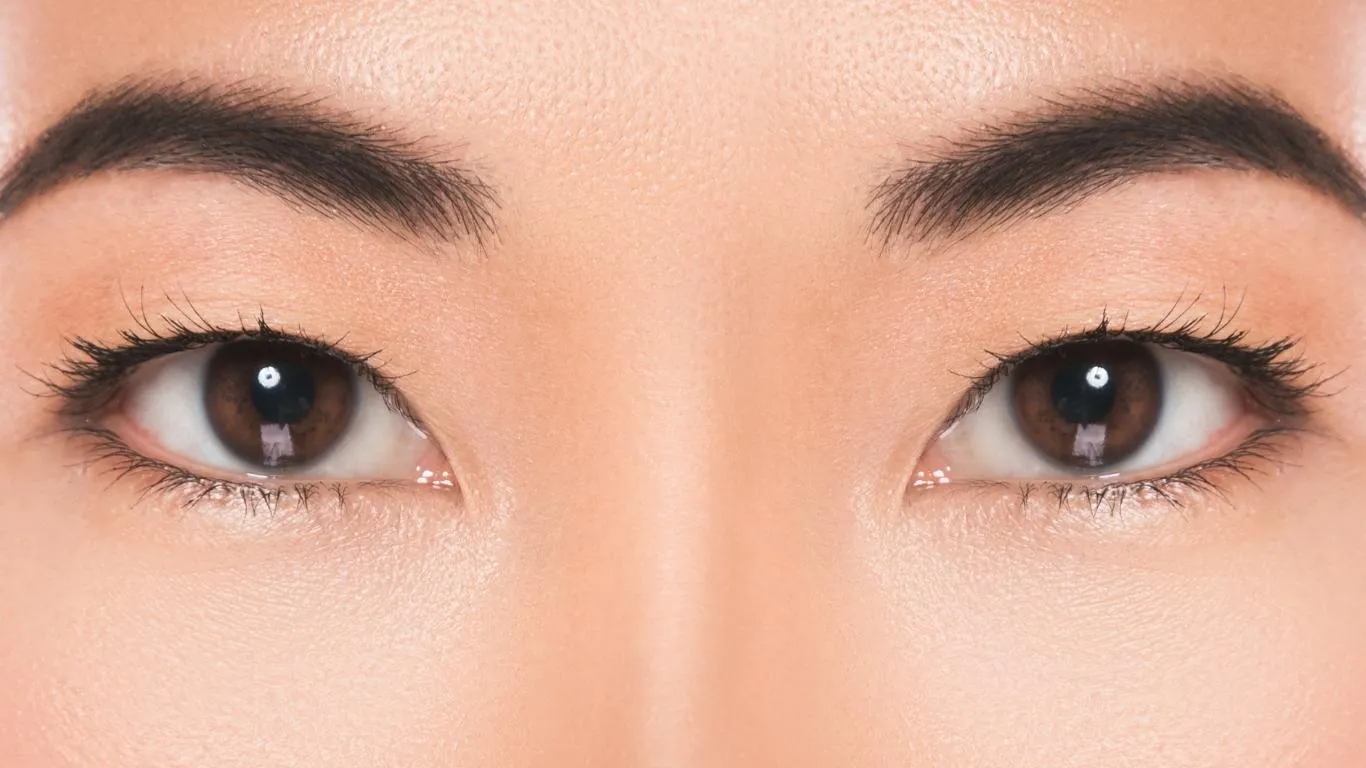
Ever stepped outside on a sunny day and immediately felt like your eyes were full of dust specs? Same. It’s not your sunglasses or dirty lenses—it’s just how floaters react to ambient brightness. I noticed this when I’d go on walks around midday; the clearer the sky, the more obvious those floaters became. That blazing sunlight causes pupils to contract, making the floaters cast sharper shadows on the retina. And that’s when they suddenly seem more “alive.”
It doesn’t necessarily mean your floaters are increasing. They’re just more visible because the contrast inside the eye becomes much more intense. On overcast days, I barely notice them. But give me one bright summer afternoon, and it feels like I’m watching little bugs float across my vision.
Sunlight Isn’t the Only Culprit
Other lighting transitions can have the same effect—like going from a dark movie theater to a lit hallway. Even bathroom lighting after a warm shower can trigger that sudden realization: “There they are again.”
And while floaters don’t physically change from one room to another, the *perception* absolutely does. The retinal background light essentially acts like a spotlight, revealing those ghostly specs we otherwise tune out. There’s also growing insight that intense light exposure might be linked to increased floater visibility in the sun.
Can Stress or Fatigue Make It Worse?
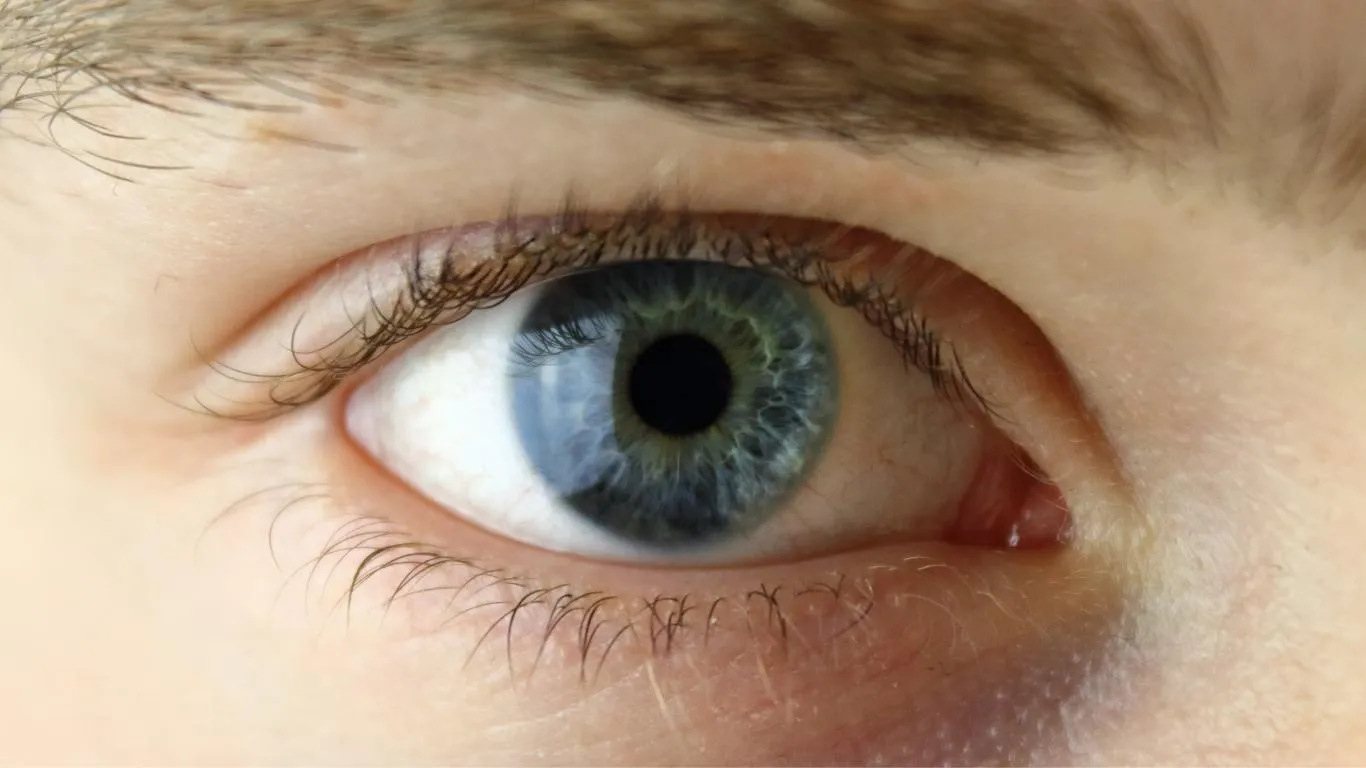
You bet. Floaters aren’t just about the eyes—they’re also about how your brain processes what you see. On days I’m running on five hours of sleep and three cups of coffee, I notice every single floater like it’s on a movie screen. My guess? Fatigue reduces the brain’s filtering ability, making us hyper-aware of even minor visual disturbances.
This lines up with what we know about neural noise and sensory perception. Your brain usually ignores floaters in daily life. But when you’re stressed, anxious, or running on fumes, that internal filter weakens. Add light transitions into the mix, and it becomes a full-blown distraction.
There’s some interesting reading on this too—especially regarding how tiredness can worsen floater awareness. It’s subtle but real. I’ve noticed a direct correlation between poor sleep and floaters dominating my vision during morning light changes.
Quick Tips to Minimize Stress-Induced Floaters
- Practice 4-7-8 breathing when they get distracting
- Hydrate consistently, especially after screen-heavy days
- Try closing your eyes and facing a light source—strangely calming, and it resets contrast
What If Floaters Change or Multiply Rapidly?
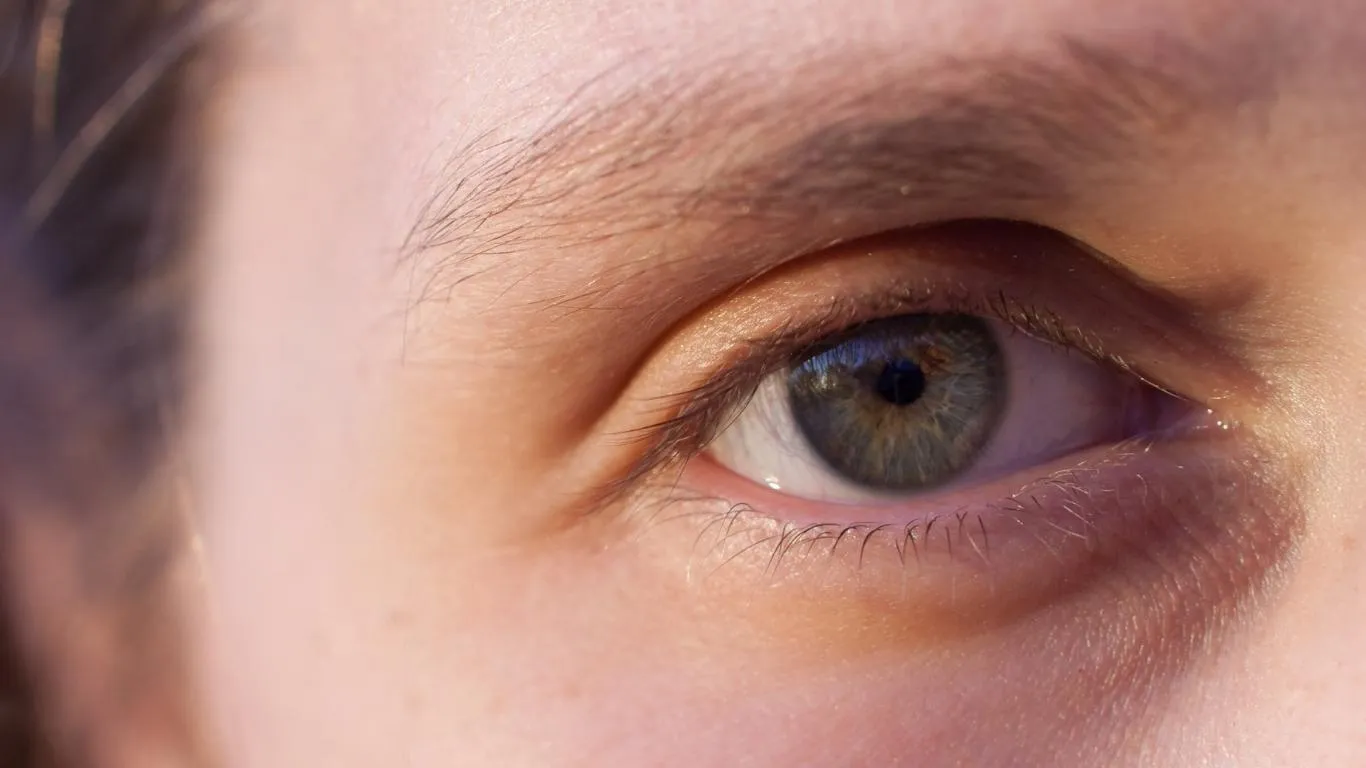
Okay, here’s the line in the sand—if your floaters go from being occasional to feeling like a snow globe after shaking, that’s not something to brush off. Especially if it happens *after* exposure to intense light or head movements. I had a friend who thought the same thing—“just a few more floaters.” Turned out it was a symptom of vitreous detachment. Fortunately, he got it checked early.
You’ll want to be mindful of sudden bursts of floaters, especially if they come with flashes, peripheral shadows, or blurry patches. These could be signs of retinal tears, inflammation, or hemorrhage. There’s a super thorough read on that here: Sudden floaters and vision changes.
Signs You Should See a Specialist
- Floaters multiply in a matter of hours or days
- New types of floaters—rings, cobwebs, or long threads
- Flashes of light, even in the dark
- Blurry or missing patches in your vision field
If that list feels familiar, don’t wait. Floaters connected to retinal holes can be dangerous if ignored. Even if you’re not sure, getting a professional eye exam brings peace of mind. Worst case? You find out it’s harmless. Best case? You prevent vision loss.
Practical Lifestyle Tweaks That Help
Look, floaters might never totally disappear, but how you deal with them can absolutely change your experience. After years of trial and error, here’s what’s actually helped me reduce their impact during light transitions:
- Transition Glasses: They adapt to lighting shifts and smooth out sudden brightness spikes.
- Contrast Control: At home, I’ve dimmed overheads and added adjustable desk lamps instead.
- Look Through, Not At: A technique my optometrist taught me—don’t fixate on them; instead, shift focus beyond the floater area.
- Track Their Behavior: Jot down when and where floaters appear most. It helps spot patterns and manage your environment better.
I also read this guide on tracking floater changes, and it really helped me understand when I needed to be concerned versus when I was just hyper-focused. Awareness is half the battle.
Some folks swear by supplements or natural remedies. I’ve found that combining better lighting habits with diet changes—like adding more omega-3s and leafy greens—definitely makes a difference over time. Not overnight, but gradually, my daily frustration dropped big time.
If you want to dive even deeper into how floaters behave in different situations, check out this broader guide on how floaters compare to other eye issues or get the complete picture on their development over time in the eye floater pillar article.

Camellia Wulansari is a dedicated Medical Assistant at a local clinic and a passionate health writer at Healthusias.com. With years of hands-on experience in patient care and a deep interest in preventive medicine, she bridges the gap between clinical knowledge and accessible health information. Camellia specializes in writing about digestive health, chronic conditions like GERD and hypertension, respiratory issues, and autoimmune diseases, aiming to empower readers with practical, easy-to-understand insights. When she’s not assisting patients or writing, you’ll find her enjoying quiet mornings with coffee and a medical journal in hand—or jamming to her favorite metal band, Lamb of God.