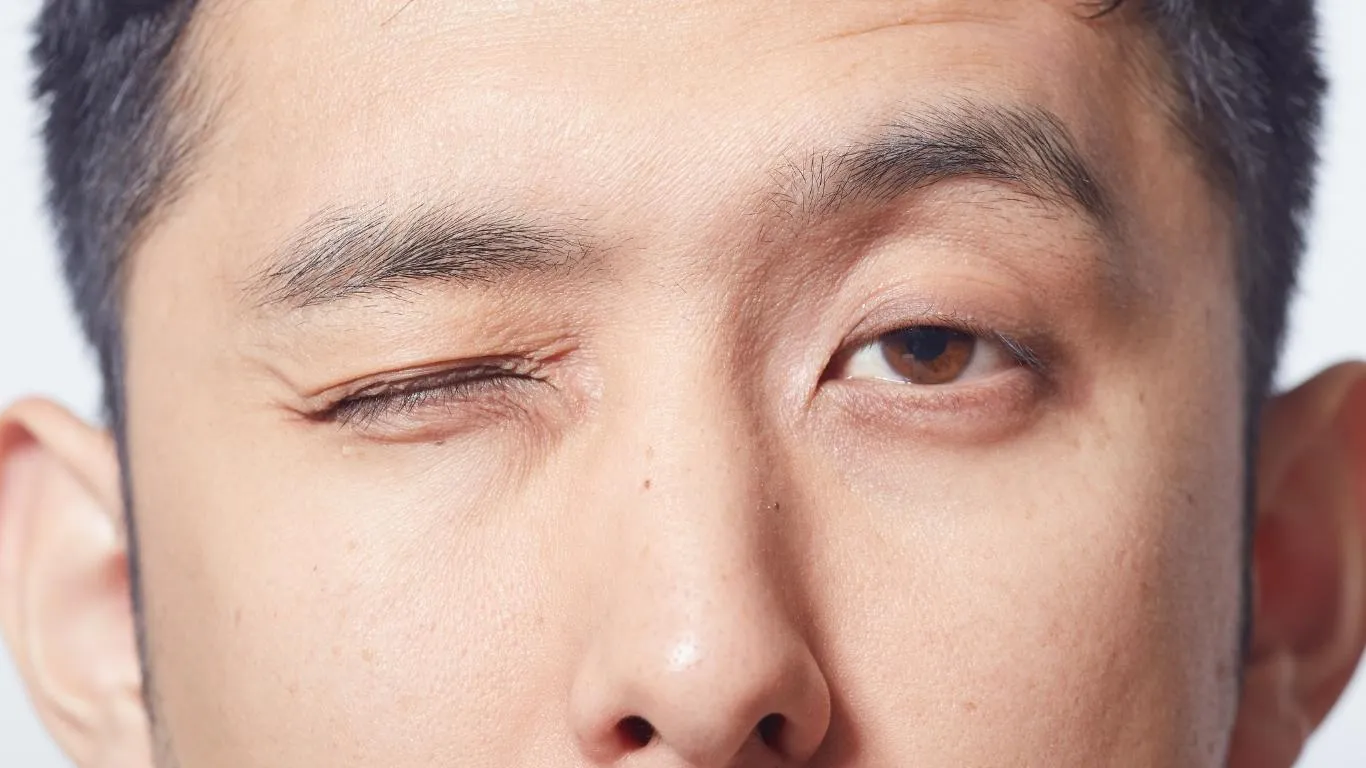
Eye Floaters That React to Head Tilting May Signal Eye Issues
Ever noticed those little squiggly things in your vision that seem to shift when you move your head? Yeah, me too. I remember sitting in a meeting once, trying to focus on the whiteboard, only to have a thread-like shadow dart across my view every time I tilted my head. It was distracting, sure—but also a bit concerning. Turns out, those odd movements aren’t in your imagination. They’re real, and they’re called eye floaters. More specifically, many people report eye floaters that react to head tilting. Let’s get into what’s really going on in there.
What Are Eye Floaters, Really?
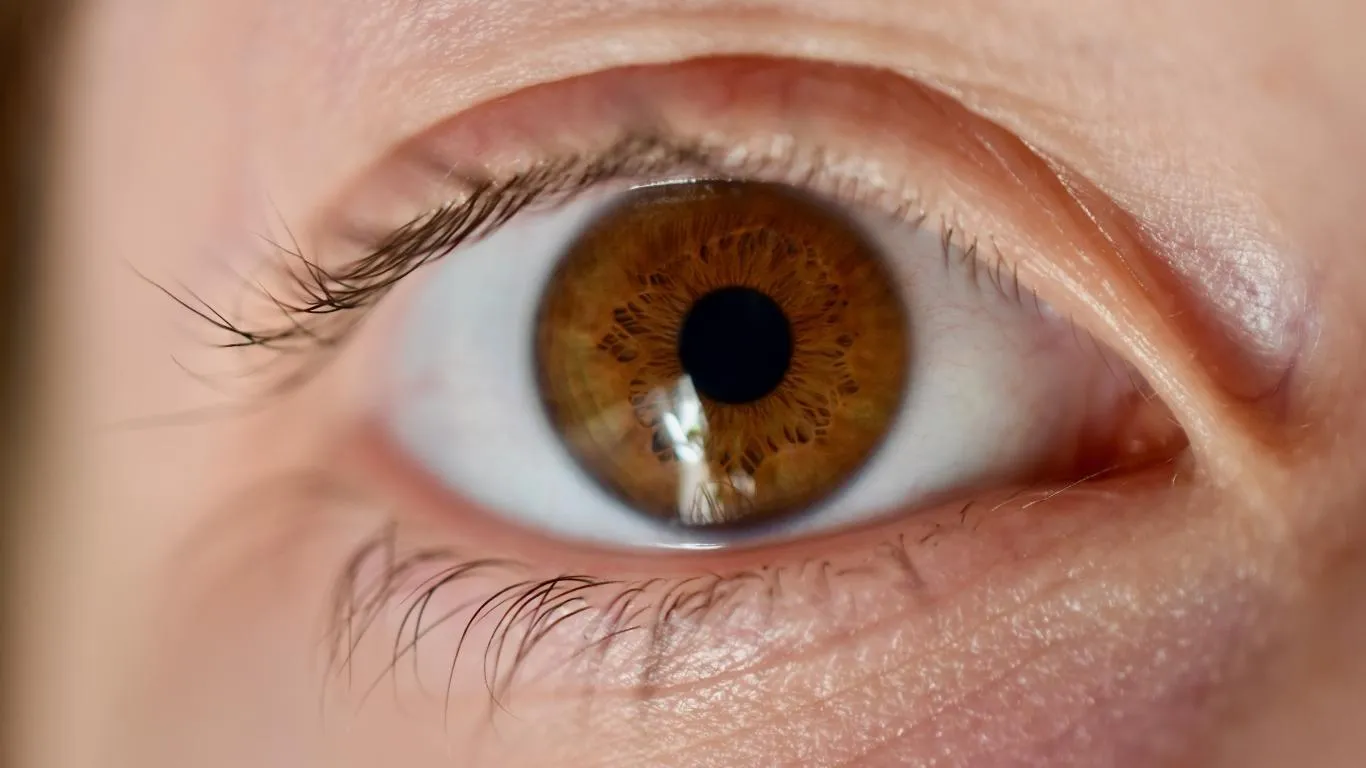
Eye floaters are tiny clumps or strands in the vitreous—this gel-like substance that fills up the middle of your eye. Think of them like dust particles floating in a snow globe. When you tilt your head, the fluid moves—and so do the floaters. This is why they sometimes shift position depending on how you move. That sensation of them dancing or trailing along when you move your eyes or tilt your head? Completely normal—usually.
But when you start noticing specific patterns tied to movements, like tilting or turning your head, it can be a clue about how those floaters are behaving inside the vitreous—or if something else might be at play.
Why Do Floaters React to Head Tilting?
The Physics of Eye Fluid
The vitreous isn’t solid—it’s more like a clear gel. Over time, this gel becomes more liquid-like in a process called vitreous syneresis. That’s when floaters become more prominent and mobile. When your head moves, this partially liquified gel shifts—and floaters suspended in it drift accordingly. It’s kind of like shaking a lava lamp and watching the blobs move with the flow.
Personal Experience Insight
In my case, the floaters became much more obvious after long days of screen use. Every time I leaned forward or looked down at my phone, the same dark shape would swing across my view. It wasn’t painful, but it sure made me blink a few times to clear it—which, of course, never worked. I later found that eye strain can worsen floater visibility, especially when the head position changes constantly.
What Could Cause This Movement Sensitivity?
1. Posterior Vitreous Detachment (PVD)
One common culprit is posterior vitreous detachment. This happens as we age and the vitreous pulls away from the retina. If you’re noticing more floaters that seem to swing or shift when your head tilts, PVD could be behind it. It’s not always dangerous, but it should be monitored, especially if flashes of light or vision loss occur.
2. Vitreous Liquefaction
With age or certain conditions like myopia, the vitreous starts to break down faster. This makes the floaters more mobile—so even slight movements like tilting your head during yoga or while lying down can cause them to shift drastically. Some folks even notice floaters more in certain lighting—like when stepping outside. Here’s a great breakdown on why floaters become more visible outdoors.
3. Structural Changes Inside the Eye
In some cases, inflammation, trauma, or previous surgery can alter how the floaters behave. If you’ve recently had an eye procedure or dealt with an infection, and now your floaters react more to motion or position shifts, there may be changes in how the vitreous is suspended or how particles are distributed.
When Should You Be Concerned?
Floaters that move with your head are usually harmless—but there are a few red flags to watch for:
- Sudden increase in the number or size of floaters
- Floaters that look like a curtain or shadow across your vision
- Flashes of light
- Partial vision loss
If you notice any of these, don’t wait. These signs could mean a retinal tear or detachment—which needs urgent care. According to the American Academy of Ophthalmology, retinal detachment often starts with increased floaters and light flashes, especially after trauma or abrupt head movement.
What You Can Actually Do About It
Monitor & Track Changes
One smart habit I picked up was keeping a floater journal—sounds geeky, but it helped me notice when certain floaters appeared more often. I’d jot down whether I was stressed, dehydrated, or using screens too long. Turns out, all those things made the floaters much worse.
Hydrate and Rest Your Eyes
It sounds basic, but proper hydration and eye rest really do make a difference. When you’re tired or your eyes are dry, floaters seem more dramatic. Getting better sleep can help your eyes recover overnight.
Diet and Supplements
Some studies suggest antioxidants like lutein and omega-3s might support eye health. Check out these collagen-boosting supplements that many folks have found helpful for maintaining vitreous clarity. No miracle cures here, but worth a try if your floaters are particularly annoying.
If you’re wondering what makes some floaters more dramatic than others, the full breakdown on eye floater treatments will give you some insights—from just observing them to more advanced solutions like laser or vitrectomy in severe cases.
For a deeper understanding of how floaters form and what causes them, check out our main guide here: What Are Eye Floaters – Causes, Symptoms & Treatment. You may also find value in our pillar article on Common Causes of Eye Floaters.
Modern Treatment Options for Floaters That Shift With Head Movement
If you’ve been living with floaters that dance every time you move your head, you’re probably wondering—“Can anything actually fix this?” Well, the answer depends on how severe they are and how much they’re affecting your daily life.
1. Vitrectomy
This is the most effective (and invasive) option. A vitrectomy involves removing the vitreous gel from your eye entirely and replacing it with a saline solution. It’s typically reserved for serious cases where floaters are significantly impairing vision. Some folks who had floaters constantly interrupting their reading, driving, or even walking around safely reported mixed results post-vitrectomy. It’s not without risk—but it’s definitely a solution when quality of life takes a hit.
2. YAG Laser Vitreolysis
This laser-based procedure zaps the floaters to break them into smaller, less noticeable fragments. It’s a non-invasive outpatient treatment, though it’s not offered by every eye clinic. Results vary, and it’s important to choose a specialist who has a lot of experience with this specific method. Here’s what to know about floaters after YAG laser and whether they fade with time.
3. Home-Based Eye Exercises and Habits
Now, while these won’t remove floaters, certain eye movement patterns can help your brain adapt and reduce how often you notice them. Personally, I’ve had success with a few daily habits that made floaters far less annoying:
- Rolling eye movements to help “push” floaters out of the central field of vision
- Mindful blinking to lubricate the eye and minimize strain
- Doing gentle vision exercises to increase fluid motion
Lifestyle Factors That Can Make Floaters More Noticeable
1. Lighting Conditions
Ever noticed how floaters seem worse on a sunny day? That’s because they cast sharper shadows on the retina when there’s more light. I used to dread driving on bright afternoons until I switched to polarized lenses. They don’t eliminate floaters, but they definitely reduce the glare that makes them more visible. A helpful read on this topic: How bright light impacts floater visibility.
2. Dehydration and Eye Dryness
If your body’s running low on water, your eyes feel it too. Dehydration makes the vitreous gel less supportive and more prone to forming clumps. Combine that with dry eyes, and you’ve got floaters dancing all day. Drink water, take screen breaks, and consider lubricating drops if you notice dry eye symptoms worsening floaters.
3. Caffeine and Screen Time
I didn’t want to believe this one either—but excessive coffee and late-night scrolling absolutely made mine worse. Caffeine can dehydrate your system, and constant focus on screens tenses the muscles around the eyes. Cutting back—even just a little—helped reduce how reactive my floaters were to head tilts. More on this in how screen time worsens floater visibility.
When It’s Time to See a Specialist
Floaters that react to head tilting are often harmless—but not always. Some people experience a sudden onset or find their floaters becoming more “aggressive” over time. Here’s when to stop brushing it off:
- Floaters suddenly increase in number or size
- New floaters appear right after a fall or trauma
- You experience concurrent flashes of light
- There’s partial shadowing or “curtain vision” in your peripheral view
These symptoms could point to a retinal tear or detachment—both of which require immediate medical attention. A dilated eye exam is quick, painless, and could save your vision.
Natural Support: Supplements and Daily Practices
For those wanting a more holistic approach, there are several things you can try to support eye health:
- Omega-3 fatty acids – help reduce inflammation and support retinal health
- Lutein and zeaxanthin – powerful carotenoids that protect the eye from light damage
- Magnesium – may help relax blood vessels and reduce eye pressure
While the evidence isn’t always conclusive, many people swear by these. I personally take a combo capsule for eye support that includes most of the above. It may not be magic, but I’ve seen fewer flare-ups in floater activity since I started. For more on that, check out this supplement guide.
And if you’re exploring natural or alternative relief, this breakdown on natural floater remedies separates the useful from the gimmicky.
How to Live With Floaters—Without Letting Them Drive You Nuts
Living with floaters that react to head movement can be frustrating—but it doesn’t have to run your life. Here are a few mindset and lifestyle shifts that helped me the most:
- Shift focus: When you feel the urge to “chase” a floater, focus on a different object—especially one with texture or depth
- Use warm compresses: They promote blood flow and help with eye relaxation
- Practice ambient light exposure: Soft, natural light makes floaters less visible and helps the brain adapt
- Try blue light filters: They reduce contrast in screen glare and make floaters less noticeable during work
Ultimately, adapting to floaters is part physiology, part psychology. I’ve met plenty of folks who said floaters drove them crazy for months—only to realize one day they just weren’t noticing them anymore. It’s wild how the brain adapts.
If your floaters continue to evolve—or get worse with each passing month—it’s always worth a deeper look. To understand how floaters differ from other issues like flashes or retinal detachment, this guide on floaters vs. flashes is incredibly helpful.
And if you’re still not sure what’s causing yours or how to manage them long-term, our core resource on what causes floaters and how to treat them will give you the full picture.

Camellia Wulansari is a dedicated Medical Assistant at a local clinic and a passionate health writer at Healthusias.com. With years of hands-on experience in patient care and a deep interest in preventive medicine, she bridges the gap between clinical knowledge and accessible health information. Camellia specializes in writing about digestive health, chronic conditions like GERD and hypertension, respiratory issues, and autoimmune diseases, aiming to empower readers with practical, easy-to-understand insights. When she’s not assisting patients or writing, you’ll find her enjoying quiet mornings with coffee and a medical journal in hand—or jamming to her favorite metal band, Lamb of God.