Why Floaters Get Worse During Eye Allergy Flare-Ups
So, picture this — you’re dealing with a seasonal allergy attack. Your eyes are watery, itchy, and red. And just when you think it can’t get more annoying, boom — those pesky floaters are suddenly dancing across your vision like they own the place. Sound familiar? Yeah, same here. I used to chalk it up to overthinking, but turns out, there’s more to the connection between eye allergies and floaters than we might assume.
What’s Actually Happening During an Eye Allergy Flare-Up?
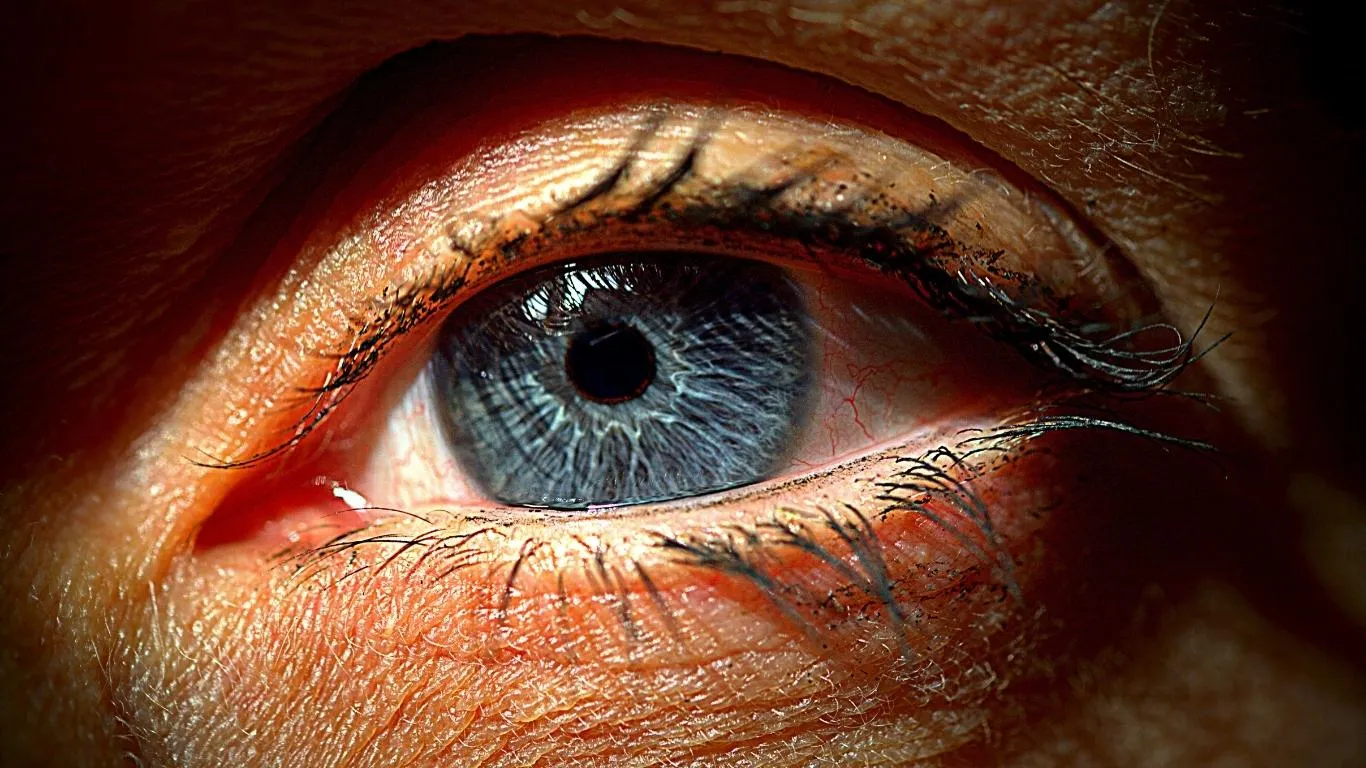
When allergies strike, especially seasonal ones, your immune system goes into overdrive. Your body releases histamines — chemicals meant to fight off allergens — but in the process, they also cause inflammation, swelling, and that oh-so-fun itchiness in your eyes.
And here’s the thing — this reaction doesn’t just affect the surface of your eyes. The inflammation can extend deeper, impacting the vitreous humor (that jelly-like substance in your eye where floaters live). So, if you’re suddenly seeing more floaters, you’re not imagining it. They really can get worse during allergy flare-ups.
Why Floaters Seem More Noticeable When Your Eyes Are Allergic
I remember one spring, my allergies were brutal. I was rubbing my eyes nonstop, and those floaters? They were everywhere. The brighter the day, the worse they looked. Turns out, that’s a common complaint. Here’s why:
- Eye Strain: Allergies make you squint, rub, and strain your eyes. That stress can make floaters seem more prominent.
- Light Sensitivity: Inflamed eyes are more sensitive to light, and bright environments make floaters pop out more vividly.
- Eye Rubbing: Constantly rubbing your eyes (guilty!) can actually disturb the vitreous gel and make floaters shift — or appear more frequently.
If you’ve ever wondered whether eye rubbing makes floaters worse, the answer is a big, uncomfortable yes.
Can Eye Allergies Actually Cause New Floaters?
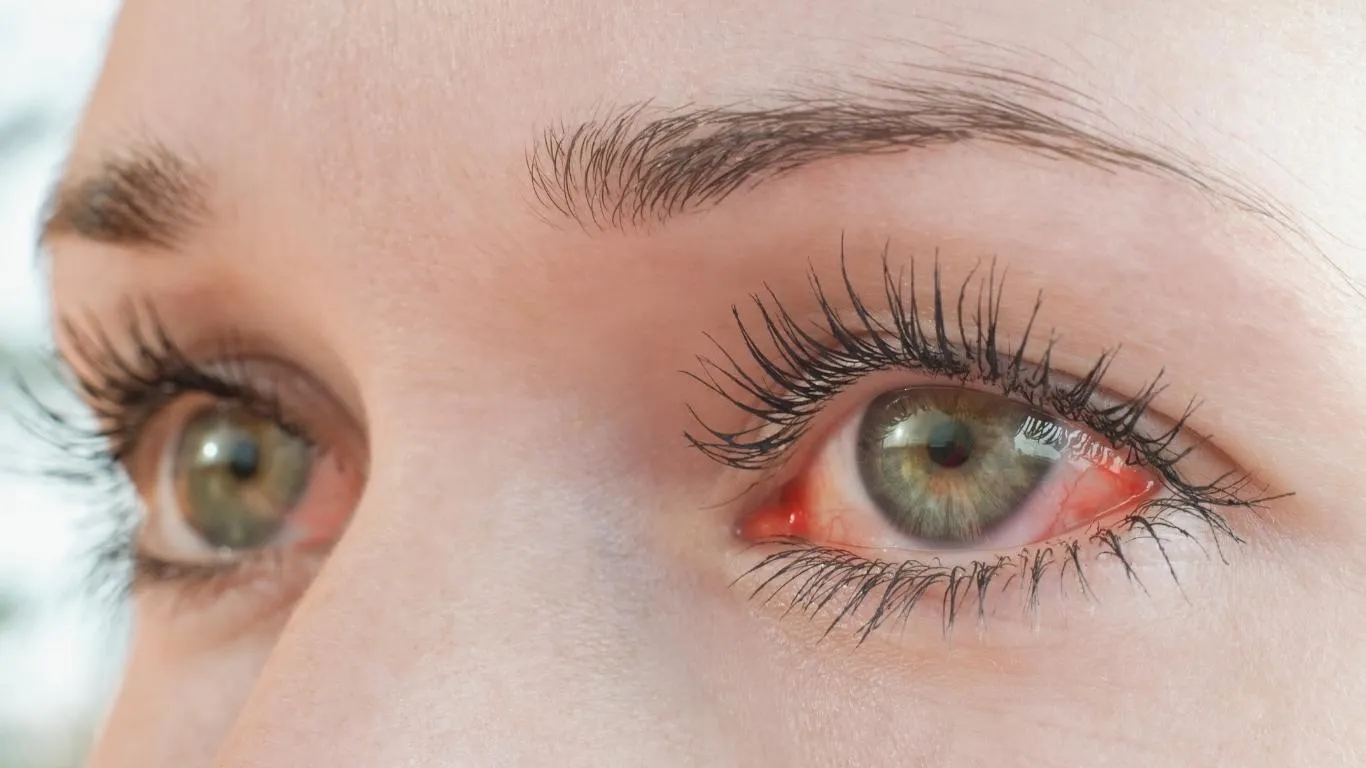
This is where it gets interesting. While eye allergies don’t directly *create* floaters the way trauma or aging might, they do play a sneaky role. Chronic inflammation can affect the delicate balance of the vitreous, causing sudden floaters linked to inflammation in some people.
If you already have floaters (most of us do by middle age), the inflamed state of your eye makes them more visible and persistent. And if you’re using certain allergy medications, like antihistamines or steroid eye drops, those too might play a part — which leads us to…
Allergy Medications: Relief or Risk for Floaters?
I’ve relied on antihistamines since college, especially during spring. But after noticing floaters getting worse, I started digging deeper. Some allergy meds, especially steroid-based eye drops, can impact the vitreous over time. Others may not directly cause floaters but could lead to side effects like dry eyes, which increases irritation — making floaters more annoying.
If you’re using allergy meds that worsen floaters, it’s worth bringing it up with your eye doctor. It might be as simple as switching brands or dosages.
When Should You Be Concerned?
Let’s be honest — not all floaters are harmless. Sure, they can just be annoying specks, but in some cases, especially if you suddenly notice a burst of new ones, it could mean something more serious. If your allergy flare-up comes with:
- A sudden increase in floaters
- Flashes of light
- Shadowy “curtain” in your vision
…then don’t wait it out. These are red flags for conditions like posterior vitreous detachment or retinal tears, which can be triggered or worsened by inflammation.
In fact, the link between floaters and retinal holes can be scary if left unchecked. Don’t self-diagnose — always get it checked.
Other Triggers That Combine with Allergies to Worsen Floaters
Sometimes it’s not just the allergies alone. There’s often a perfect storm of triggers. For me, high screen time, poor sleep, and allergy season = the worst floaters I’ve ever experienced.
Some other common combo triggers include:
All of these can amplify what’s already going on due to allergies, making floaters harder to ignore.
Helpful Tools That Actually Made a Difference for Me
Now, I’m no doctor, but through trial and error, I’ve found a few things that help when my floaters flare up during allergy season:
- Cold compresses: Reduce inflammation and itching — floaters feel less active afterward.
- Lubricating eye drops: Don’t cure floaters, but they soothe irritation from allergies.
- Blue-light filter glasses: They reduce strain, especially when working long hours.
Also, switching to natural herbs for vitreous health (turmeric and bilberry, in my case) helped me manage both floaters and inflammation.
For a deeper dive into what causes floaters in the first place, the main pillar article on eye floaters is a solid foundation. You might also want to explore how floaters can be dangerous in certain scenarios.
And if you’re looking for medically grounded info, AAO.org and Mayo Clinic provide trustworthy eye health resources.
Managing Floaters During Allergy Season Without Losing Your Mind
If you’re like me, dealing with allergies is already enough of a headache — throw in floaters and it’s a recipe for instant frustration. But here’s the good news: while you can’t magically erase floaters, you can manage them better during allergy flare-ups. It’s really about setting your eyes up for comfort and minimizing the chaos happening inside that vitreous jelly.
I started tracking my flare-ups and noticed patterns. For instance, floaters were consistently worse on high pollen days, especially when I’d skipped my air purifier or spent time outside without sunglasses. Once I got proactive instead of reactive, things shifted.
Smart Habits That Helped Me Stay Ahead of the Allergy-Floater Storm
- HEPA air filters: Life-changing. Especially in the bedroom — floating stuff in the air means floating stuff in your eyes.
- Cool compress before sleep: Helps reduce inflammation from the day and gives my eyes a break before bed.
- Allergy-proof sunglasses: Not a fashion statement, but I’ll take eye comfort over style.
- Hydration: I used to underestimate how much dehydration worsens floaters, especially with allergies drying everything out.
And yes, I also cut back on screen time after 9PM — brutal at first, but my eyes felt clearer the next morning. Coincidence? Probably not.
Supplements and Diet Tweaks That Made a Visible Difference
I’m not here to sell magic pills, but after some trial and error (and too much reading on PubMed), I found a few things that supported my eye health — especially when dealing with both floaters and allergies:
- Lutein + Zeaxanthin: These antioxidants help reduce oxidative stress in the eyes. Over a few weeks, floaters felt less active.
- Magnesium: This helped more with my eye twitching and dry eyes, but floaters felt slightly better too.
- Leafy greens: I started throwing spinach and kale into everything. Not glamorous, but my eyes thanked me.
Keep in mind, diet is a long game. But if you’re like me and looking for anything to dial the floaters down even a notch, it’s worth experimenting safely — and discussing it with your eye specialist.
When Allergy-Triggered Floaters Might Be Tied to Something Bigger
There’s a fine line between annoying and alarming. I’ve had years where floaters were just background noise, and others where they became the main event. One spring, I suddenly saw a new floater shaped like a spider web — it didn’t move like the others. I shrugged it off… until a few days later, I noticed a weird flash of light. That’s when I got serious.
Turns out, allergy-related inflammation can sometimes worsen underlying conditions — like diabetic eye issues or autoimmune complications. Floaters are often the symptom, not the root cause. For instance, people with autoimmune disorders may experience worsening floaters during immune flare-ups — and allergies can tip the balance.
That experience pushed me to read up on how physical trauma, chronic inflammation, and even systemic diseases interact with the eyes. What I learned? Never dismiss what your vision is telling you. Even during allergy season, new floaters deserve your attention.
When You Might Want to See a Specialist — Even If It’s “Just Allergies”
I totally get the hesitation. Who wants to schedule a doctor visit for something that might go away with antihistamines? But here’s when it’s better to play it safe than sorry:
- Your floaters suddenly change in shape or behavior
- You start seeing light flashes, especially at night
- Your peripheral vision is acting strange
- One eye feels dramatically different than the other
These could indicate retinal issues or other complications that go far beyond histamine. When I went in, my eye doc told me that PVD is common in allergy-prone adults over 40 — and easily worsened by inflammation or eye strain. That single appointment gave me a plan, peace of mind, and way fewer Google rabbit holes.
Daily Tweaks That Make Allergy + Floater Days More Bearable
You don’t need to overhaul your life to get relief. Sometimes, it’s just small changes that stack up. These are a few tweaks that genuinely helped me reduce floater annoyance during allergy flare-ups:
- Use lubricating eye drops before stepping outside — even if you’re not dry, they create a buffer layer.
- Dark mode or sepia screen filters — floaters are brutal against white screens. Sepia saved me.
- Don’t chase floaters with your eyes — I know it’s tempting, but the more you track them, the more prominent they feel.
- Stay vertical — weird, but floaters seem to cluster more when I lie down or slouch. Good posture helps them settle.
Also, don’t ignore the mental side of things. Floaters can be incredibly distracting and even distressing. If they’re disrupting your focus or mood, it’s okay to admit that and find strategies — meditation, journaling, mindfulness — anything that helps center your awareness away from your visual field.
Further Reading and Trusted Resources
Floaters during allergy flare-ups may be annoying — and occasionally alarming — but you’re definitely not alone. With a few personalized adjustments, the experience can become manageable and less stressful. If you’re new to this topic or want a comprehensive overview of all potential floater causes and solutions, don’t miss this excellent primer from Healthusias’ main floaters guide.
You might also want to check out their deep dive on how floaters differ from other eye symptoms — super helpful for anyone trying to figure out what’s normal vs. what needs attention.
For medical references and up-to-date data, NEI and Cleveland Clinic are also solid resources I personally trust.

Camellia Wulansari is a dedicated Medical Assistant at a local clinic and a passionate health writer at Healthusias.com. With years of hands-on experience in patient care and a deep interest in preventive medicine, she bridges the gap between clinical knowledge and accessible health information. Camellia specializes in writing about digestive health, chronic conditions like GERD and hypertension, respiratory issues, and autoimmune diseases, aiming to empower readers with practical, easy-to-understand insights. When she’s not assisting patients or writing, you’ll find her enjoying quiet mornings with coffee and a medical journal in hand—or jamming to her favorite metal band, Lamb of God.