How Eye Floaters Can Disrupt Your Peripheral Vision
I remember the first time I noticed them—those little drifting specs in my vision. They were annoying, sure, but mostly harmless. At least that’s what I told myself. But when I started catching them out of the corner of my eye, something didn’t feel right. It’s that strange sensation when you *think* you saw something in your peripheral vision, only to realize—nope, just another floater. Turns out, I wasn’t alone. Many people silently wonder: do floaters affect peripheral vision more than we think?
Understanding Eye Floaters and Peripheral Vision
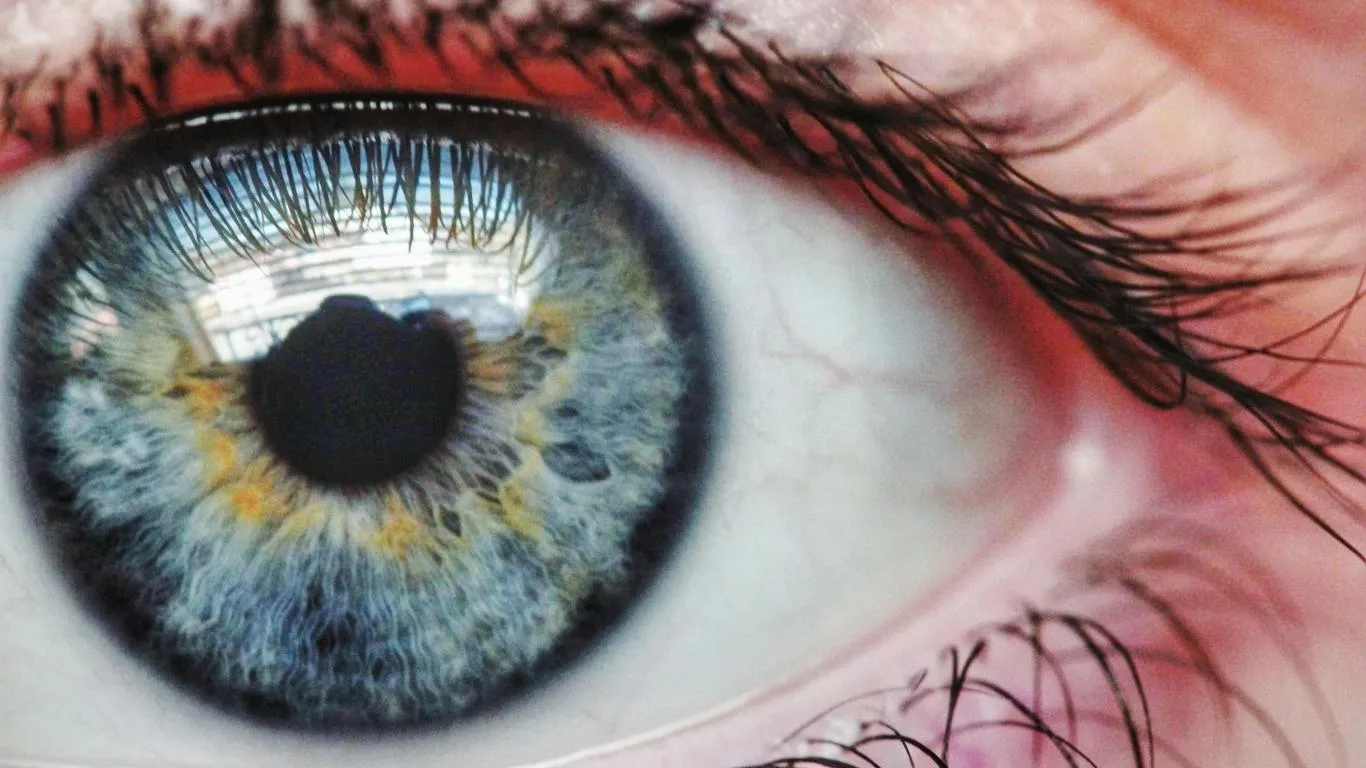
Floaters are tiny clumps of gel or cells inside the vitreous—the clear, jelly-like substance that fills the center of your eye. When light passes through the eye, these clumps cast shadows on the retina, and that’s what we see as floaters. Most people describe them as squiggly lines, cobwebs, or translucent blobs. But while most discussions center on the central vision, fewer explore what happens on the edges—your peripheral vision.
Peripheral Vision: Why It Matters
Peripheral vision is what allows you to see out of the “corner of your eye.” It’s crucial for detecting motion, maintaining balance, and navigating the world without bumping into things. It’s also how you notice a friend waving at you from the side or a car speeding by on a crosswalk. So when floaters start interfering with that, even subtly, the effects can be more significant than many realize.
Can Floaters Obstruct Peripheral Vision?
Now, here’s where personal experience really hits home. When floaters drift into my side vision, it’s not just a minor annoyance—it’s distracting, disorienting, and honestly, a little alarming. They don’t *permanently* block vision, but when they float through the periphery, they can cause momentary visual confusion.
- Distraction while driving: Peripheral floaters can mimic motion, making you glance to the side unnecessarily.
- Depth perception issues: Constant motion in side vision can confuse the brain and affect spatial awareness.
- Misidentification of objects: A floater in your peripheral field can seem like a person or object momentarily.
Some studies, such as those published by the National Institutes of Health, suggest that the brain can adapt to floaters over time. But adaptation varies. For those with high myopia or age-related vitreous changes, floaters are more frequent and may affect broader areas of the visual field.
Peripheral Floaters vs Central Floaters
Unlike central floaters, which are often noticed while reading or focusing on a screen, floaters in the peripheral field catch your attention when your gaze shifts. They might seem to “flash” or dart away just as you try to look directly at them. This illusion makes them feel more elusive and potentially more disruptive.
In fact, these are the exact types of floaters that can make you second-guess whether you’re seeing a floater or experiencing something more serious. In some cases, floaters in the peripheral zone can even precede more dangerous conditions such as retinal tears.
Who’s Most at Risk for Peripheral Vision Floaters?
Floaters don’t discriminate, but some groups are more prone to experiencing them—especially in the peripheral vision:
- People over 40: Age-related vitreous degeneration increases the likelihood of floaters forming throughout the visual field.
- High myopes: Individuals with severe nearsightedness are more likely to have posterior vitreous detachment (PVD), often starting from the periphery.
- Post-eye trauma or surgery patients: Surgery like LASIK or cataract procedures can accelerate floater development, sometimes near the edges of vision. Here’s what to know about post-LASIK floaters.
- People with autoimmune or inflammatory eye conditions: Conditions like uveitis can cause floaters that affect both central and peripheral vision. Learn more about how uveitis plays a role.
Understanding who is more vulnerable can help you monitor symptoms better and seek help early. Sometimes, changes in peripheral floaters may signal something deeper.
When Peripheral Floaters Could Be a Red Flag
Floaters alone are usually benign. But if they suddenly increase in number or are accompanied by flashes of light or a shadow spreading over your peripheral vision, it might indicate a retinal detachment or tear. These are serious, and timing is everything. Early intervention can preserve your vision.
If you notice symptoms like:
- A sudden curtain-like shadow from the side
- Light flashes in peripheral vision
- Rapid increase in floaters, especially shaped like cobwebs
Get evaluated immediately. These aren’t just annoying floaters—they could be signs of more dangerous conditions, such as a posterior vitreous detachment (PVD) or worse.
More detail on the common causes and types of floaters can be found in this full guide on floaters, which breaks down the origins and risks behind them.
For a broader understanding of how floaters fit into overall eye health—including symptoms and treatment options—you might want to check the complete overview here.
How to Manage Peripheral Vision Floaters Day-to-Day
Living with floaters in your peripheral vision isn’t always easy. For me, the biggest struggle was recognizing when they were affecting how I responded to movement—like mistaking shadows for people approaching or flinching when something passed by quickly. Over time, I picked up a few tricks to keep things in check.
Lighting and Visual Environments
Floaters tend to be most noticeable in brightly lit environments or when looking at a white background—like a computer screen or snow-covered street. That’s why I often dim ambient light slightly at home or use soft backlighting when watching TV.
- Use soft, indirect lighting: Reduces floater visibility and strain.
- Apply blue light filters: Especially helpful during prolonged screen use. Some filters help more than others.
- Avoid stark contrast: A high-contrast environment exaggerates floaters’ appearance.
Mind Your Screen Time
I never realized just how much screen exposure impacted floater visibility until I consciously cut back. A few hours off the screen each day made a world of difference. Turns out, screen overuse can aggravate symptoms—especially in peripheral fields where the floaters appear to move faster when eyes scan quickly across the screen.
Treatments That Actually Work—And Those That Don’t
There’s no shortage of miracle solutions online, but let’s get real—most floaters don’t just disappear. Still, some people have had success with specific medical and natural approaches. I spoke with my optometrist and even explored a few clinical options myself.
Medical Interventions
- Vitrectomy: Highly effective but usually reserved for severe cases. This surgical procedure removes the vitreous gel (and floaters with it), but it carries risks like retinal detachment or infection.
- Laser vitreolysis: A non-invasive treatment using lasers to break up floaters. Some optometrists offer it, though results are mixed, and it’s not suitable for everyone. It’s also not FDA-approved in all cases.
What surprised me was how many people turn to these options without first trying behavioral or nutritional strategies. It’s important to understand when to consider surgery—like when floaters obscure critical parts of your field of vision or significantly impact daily life.
You can explore other clinical insights in this guide on eye floater treatment options.
Supplements and Natural Remedies
I’ve dabbled in supplements—especially those aimed at eye health. Some friends swear by lutein and omega-3s. I noticed subtle improvement with hydration and diet changes, though the effects were slow and steady rather than dramatic.
- Vision-support supplements with antioxidant properties
- Lutein-rich foods like spinach, kale, and egg yolks
- Omega-3 fatty acids for anti-inflammatory support
Keep expectations realistic. These won’t make floaters vanish overnight, but they might help reduce formation and support long-term eye clarity.
How to Tell If It’s Getting Worse
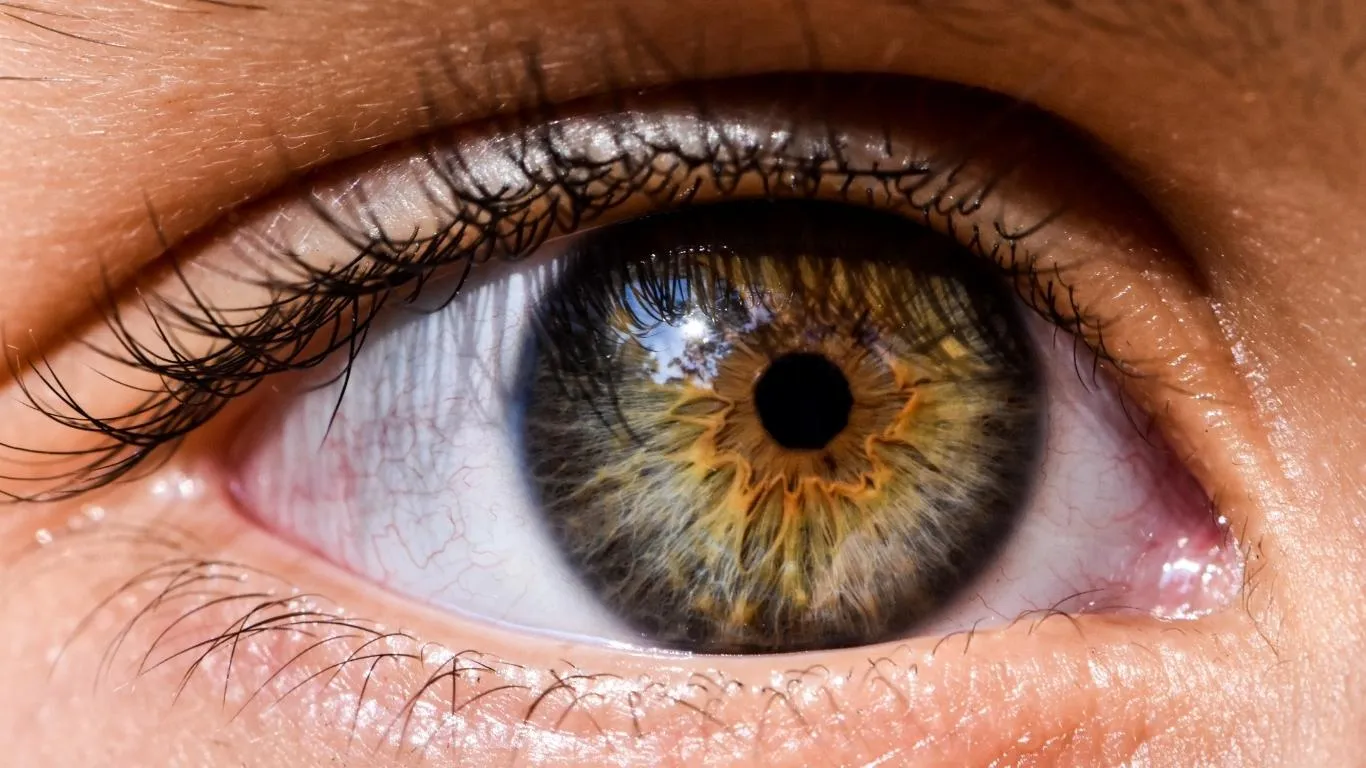
One thing I’ve learned is not to ignore new floater patterns. Changes in frequency, size, or speed—especially in the periphery—could mean something more serious. I once had a sudden burst of floaters and flashes, and it turned out to be a warning sign for a retinal issue.
Pay attention to:
- Flashes of light: Especially near the edges of your vision
- A curtain effect: A shadow that creeps in from the periphery
- Sudden shower of floaters: Can indicate vitreous detachment or retinal tear
These symptoms may suggest a progressing condition. If you’re ever unsure, it’s best to get a professional evaluation. More about that in this breakdown on dangerous floater signs.
Practical Daily Habits That Help
Floaters won’t always go away, but how you deal with them makes a difference. Over time, I built a mini-routine that helped me feel less distracted by the ones lurking in the edges of my vision.
- Hydrate consistently: Dehydration can make floaters worse. Here’s how it affects vitreous clarity.
- Limit caffeine and alcohol: They dehydrate and may worsen perception of floaters.
- Regular eye breaks: 20-20-20 rule helps reduce strain and motion blur that accentuates floaters.
- Track changes: I use a floater journal. It might sound nerdy, but it helps spot patterns or worsening signs.
These habits align with expert suggestions in the natural management guide on Healthusias.
When to See a Specialist
One of the most valuable things I learned was not to brush off floater changes as “just aging.” If you’re seeing new floaters frequently in your peripheral field—or if they’re paired with flashes, blurry zones, or blind spots—it’s time to see a retinal specialist.
You don’t have to panic over every shadow, but vigilance matters. Posterior vitreous detachment, retinal tears, and other conditions can show up first as vague changes in peripheral vision. Knowing what’s normal for you is key—and when something feels different, trust that instinct.
In my case, getting checked early prevented further complications. You can dive deeper into the underlying causes and when they become serious in the differences between floaters and other eye issues.
To really grasp the full picture—including causes, symptoms, and advanced treatment paths—check out the main pillar: What Are Eye Floaters?.

Camellia Wulansari is a dedicated Medical Assistant at a local clinic and a passionate health writer at Healthusias.com. With years of hands-on experience in patient care and a deep interest in preventive medicine, she bridges the gap between clinical knowledge and accessible health information. Camellia specializes in writing about digestive health, chronic conditions like GERD and hypertension, respiratory issues, and autoimmune diseases, aiming to empower readers with practical, easy-to-understand insights. When she’s not assisting patients or writing, you’ll find her enjoying quiet mornings with coffee and a medical journal in hand—or jamming to her favorite metal band, Lamb of God.