Surprising Ways Floaters May Be Linked to Tinnitus
If you’ve ever found yourself squinting at a random speck floating across your vision, only to be distracted moments later by a high-pitched ringing in your ears, you’re not alone. For years, I brushed off these two strange annoyances—eye floaters and tinnitus—as unrelated quirks of getting older. But it turns out, there may be more of a connection between them than I originally thought.
What Are Eye Floaters and Tinnitus, Really?
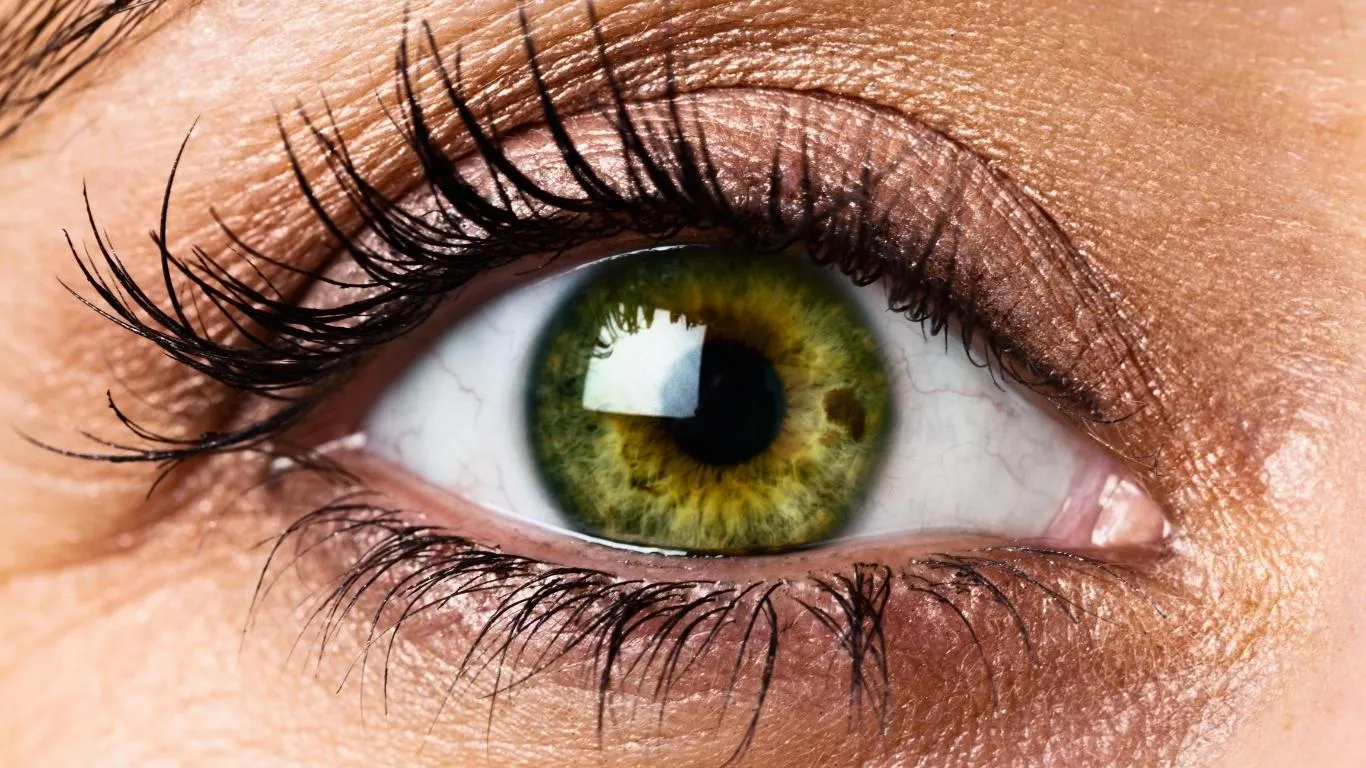
Eye floaters are those shadowy specks, threads, or cobweb-like shapes that drift lazily across your field of vision. They’re usually more noticeable against bright backgrounds—like a white wall or a sunny sky—and while most of them are harmless, they can be incredibly annoying. I vividly remember the first time I noticed them during a quiet walk on a snowy day. It felt like dust was stuck inside my eyes, only it wasn’t going away.
Then there’s tinnitus—that persistent ringing, buzzing, or whooshing sound in your ears that no one else hears. I used to think I just needed more sleep or less coffee, but over time, the sound became more frequent. Both conditions are common on their own, but what’s intriguing is that some people experience both at the same time. Coincidence? Or is there something deeper going on?
Could There Be a Neurological Link Between the Two?
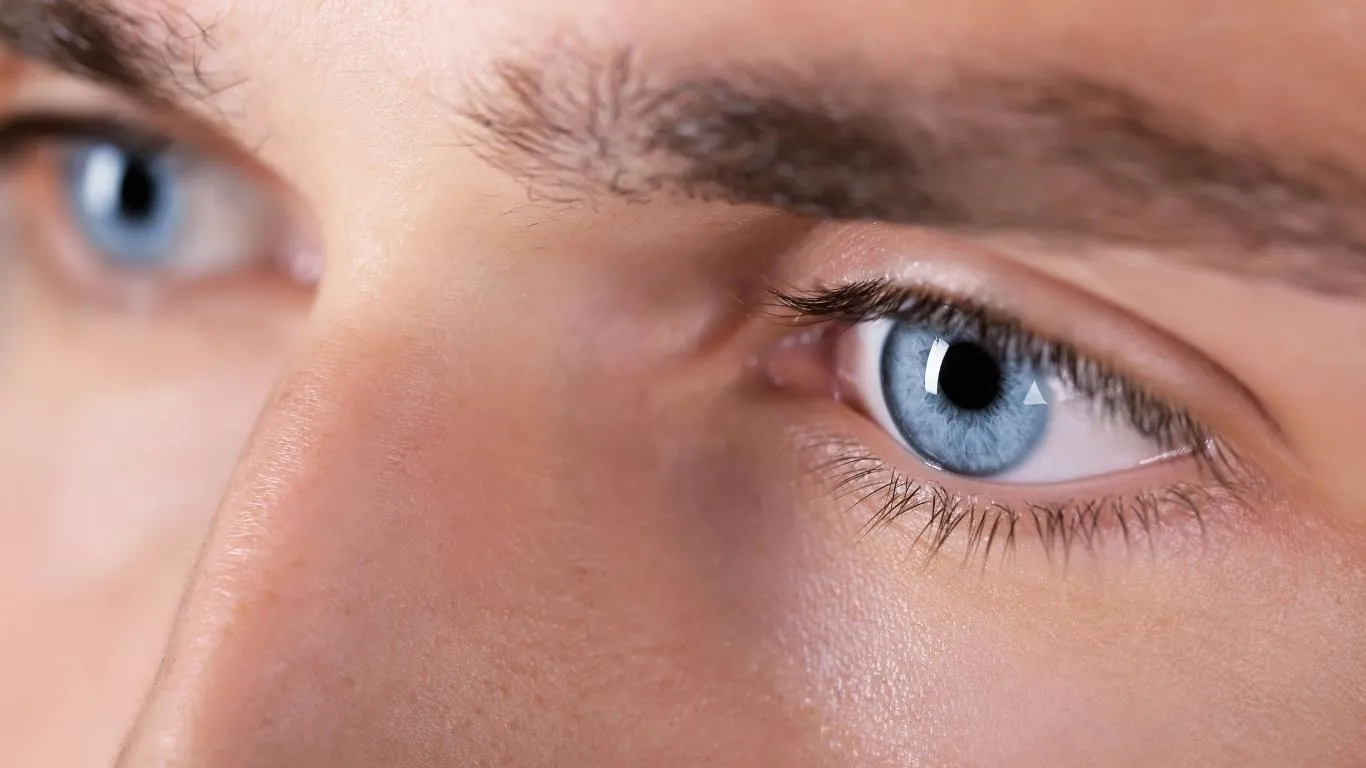
There’s growing speculation among neurologists and ophthalmologists that tinnitus and eye floaters might share similar neurological roots. Think about it—your eyes and ears are both plugged into your brain’s processing systems. Visual disturbances and auditory hallucinations can both be triggered by changes in blood flow, inflammation, or even stress-induced neurotransmitter fluctuations.
While the exact link hasn’t been scientifically pinned down, several experts suggest anxiety could play a key role. Stress has the power to do strange things to the body. And when I was dealing with a high-pressure job and way too much caffeine, my floaters and tinnitus both flared up. Coincidence? Maybe. But I’ve learned not to underestimate what stress does to the brain.
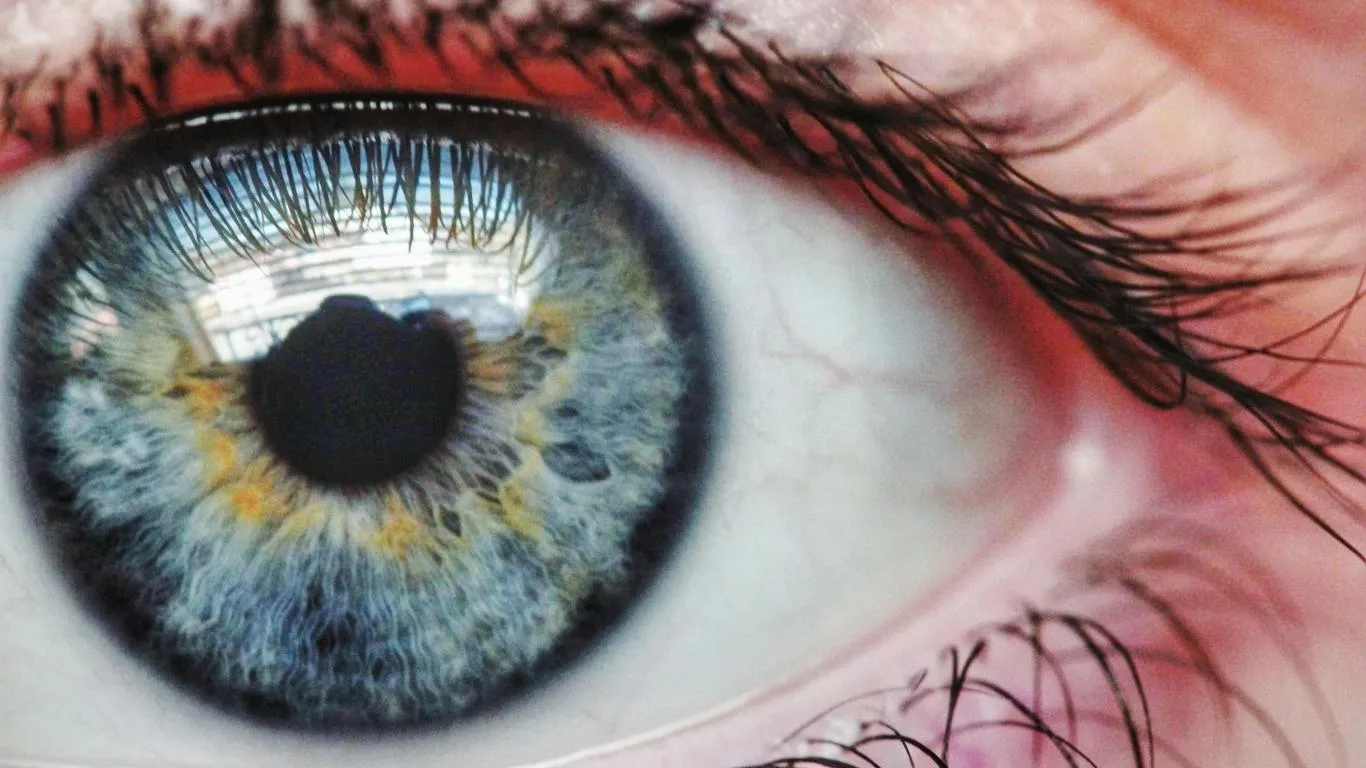
One theory worth noting is that both floaters and tinnitus can arise as part of the natural aging process. As we age, the vitreous gel in the eye starts to shrink and pull away from the retina, leading to those drifting specks. Meanwhile, the tiny hair cells in the inner ear may begin to deteriorate, resulting in that familiar high-pitched hiss. So while the two symptoms don’t directly affect the same organ, they might be parallel signs of the same systemic process—aging.
Some researchers have even explored whether aging-related lens or vitreous changes affect not only sight but also the brain’s ability to handle sensory input. That could explain why people who are more sensitive to visual noise might also be more aware of subtle sounds like tinnitus.
Inflammation Could Be the Hidden Culprit
Another interesting hypothesis? Inflammation. Chronic inflammation has been linked to a ton of conditions that seem unrelated—floaters, tinnitus, even migraines. I stumbled on this theory while reading about how certain autoimmune conditions can mess with the eye and ear at the same time. In fact, autoimmune-related floaters can be a warning sign of deeper systemic inflammation, which is also a known contributor to tinnitus.
What’s wild is that inflammation in one part of the head—like sinus pressure or even jaw misalignment—can sometimes trigger both auditory and visual symptoms. It’s like your entire sensory system gets thrown off balance.
Here are a few potential shared triggers for both floaters and tinnitus that are worth considering:
- Stress and Anxiety: Chronic stress ramps up cortisol levels and wreaks havoc on your nervous system.
- Dehydration: I’ve noticed both symptoms feel worse when I’m not drinking enough water. Coincidence? Maybe not.
- Neck and Jaw Tension: This one surprised me. TMJ issues and neck strain have been linked to both tinnitus and floaters. Check out this deep dive into the jaw connection.
- Blood Pressure Swings: Spikes in pressure can lead to visual and auditory sensitivity.
- Posture and Eye Strain: Long screen time sessions? That’ll do it. Especially if you’re hunched over a laptop like I used to be for hours.
Could Certain Medications Be Affecting Both?
This part hit close to home. A while ago, I was prescribed antibiotics for a sinus infection, and I noticed both my tinnitus and floaters got noticeably worse. Turns out, some antibiotics list visual and auditory disturbances as side effects. Same goes for antihistamines, steroids, and even antidepressants.
It’s worth asking your doctor if any medication you’re on could be influencing both symptoms. And if you’re self-medicating with caffeine and energy drinks like I was? Yeah, it’s time to reconsider that too.
When Should You Be Concerned?
If you’ve got floaters and tinnitus showing up around the same time, don’t panic—but don’t ignore it either. A sudden burst of floaters could mean something more serious, like a retinal tear. And if tinnitus comes with dizziness, nausea, or sudden hearing loss, it could be a sign of an underlying vestibular issue.
It’s always best to consult an eye specialist and an ENT—especially if your symptoms seem to intensify. Floaters aren’t always just a visual nuisance, and tinnitus isn’t always harmless background noise.
For a deeper dive into when floaters might be dangerous, you might want to look at this medical breakdown on red-flag symptoms. And to understand what floaters are from the ground up, the main article on what causes eye floaters is a solid place to start.
What Science and Clinical Evidence Say (or Don’t Say)
One of the most frustrating things about experiencing both eye floaters and tinnitus is the lack of clear answers. I’ve spent more hours than I care to admit reading clinical research, hoping for a solid “yes” or “no” on whether they’re officially connected. But the truth? There’s a big gray area.
So far, most of the literature treats them separately. Ophthalmologists rarely ask about ear symptoms, and ENTs usually don’t ask about your vision unless you mention it. Still, some research has started to nudge toward the possibility of shared neurological pathways—especially involving the autonomic nervous system, which controls how your body reacts to stress, inflammation, and other systemic issues.
A few neurology papers have proposed that overactive sensory pathways could heighten one’s awareness of both visual and auditory disruptions. This would explain why people who are highly sensitive to visual clutter might also be more prone to noticing tinnitus. But again—evidence is still early.
Is It All In Your Head? (Literally)
That phrase used to irritate me until I realized how true it might be. Some experts believe both symptoms could be traced back to how your brain filters sensory input. Essentially, your brain might be doing too good a job trying to make sense of everything, which leads to noticing things that would normally be filtered out—like floaters or the subtle hiss of tinnitus.
This is especially true in people who experience migraine aura without headaches. I’ve experienced those, and they feel eerily similar to the sudden shift in awareness I get when floaters or tinnitus kick in.
Practical Tips That Have Helped Me Manage Both
While waiting on science to catch up, I’ve leaned into lifestyle changes that genuinely made a difference. These aren’t magic cures, but they’ve reduced how often I notice either symptom—and that’s a win in my book.
- Hydration, consistently: It’s basic, but crucial. Dehydration always made my floaters worse, and somehow tinnitus flared too. This explains why.
- Neck posture check-ins: I set a reminder to roll my shoulders and loosen my jaw. TMJ and neck stiffness are common hidden triggers.
- Screen time breaks: The visual stress from endless scrolling definitely adds up. I follow the 20-20-20 rule daily now.
- Less caffeine, more magnesium: Swapping that afternoon coffee for a magnesium-rich snack did wonders. There’s even a guide on magnesium and floaters.
- Mindfulness exercises: Not because it’s trendy—because it works. Floaters and tinnitus both shrink in intensity when my stress levels drop.
Could Hormonal Imbalances Be a Missing Link?
This part was unexpected. During a check-up, my doctor mentioned how hormone shifts, particularly in perimenopause or thyroid dysfunction, can throw off everything from eye pressure to hearing sensitivity. That opened a whole new rabbit hole for me.
Turns out, hormonal imbalances might amplify both symptoms by affecting fluid balance, circulation, and nerve conduction. If your hormones are out of whack, your brain’s interpretation of light and sound can feel weirdly distorted—explaining why both floaters and tinnitus feel more intense during certain times of the month, or even when stress hormones are spiking.
What the Experts Are (and Aren’t) Saying Yet
I had a chance to speak with an integrative eye specialist, and when I brought up tinnitus along with floaters, their response surprised me: “We see it more than people think. We just don’t talk about it enough.” That alone gave me a bit of reassurance that I wasn’t imagining the connection.
They recommended digging into the brain-eye-ear triangle—especially the role of the vestibular system, vagus nerve tone, and lymphatic drainage. It all sounds pretty technical, but even basic things like hydration, posture, and stress management help support these systems. There’s also promising research into neuroplasticity therapies aimed at reducing symptom perception, which could apply to both tinnitus and visual disruptions.
Could Vision Therapy and Sound Therapy Work Together?
This part’s experimental, but intriguing. Some people are exploring whether vision therapy—usually used to treat focus issues or eye tracking problems—can be paired with tinnitus retraining therapy or white noise therapy. The idea is to retrain how the brain processes sensory information across both systems.
While I haven’t gone that route yet, I’ve had positive results from eye yoga and sound masking apps. It’s worth trying if you’re curious about non-invasive options. You can also check out simple routines that ease floaters and help calm the nervous system.
Why It’s Worth Talking to More Than One Specialist
If you’re experiencing both floaters and tinnitus, you may need to go beyond a single doctor’s office. I wish someone had told me sooner that I didn’t have to choose between seeing an ophthalmologist or an audiologist. In some cases, it’s worth seeing both.
There are even crossover conditions that affect both sensory systems. For example, eye trauma can sometimes lead to inner ear pressure changes. And autoimmune diseases like lupus, MS, or even thyroid dysfunctions can mess with both eyes and ears. This article on autoimmune-linked floaters is a great starting point if you’re suspicious about systemic causes.
Related Reads Worth Exploring
- Can Stress Cause Eye Floaters or Make Them More Noticeable?
- Floaters After Eye Surgery or Trauma
- Recognizing Eye Floater Symptoms
If you’re looking for the bigger picture behind floaters and what they might mean for your vision, don’t miss this detailed overview on eye floater treatment options. It’s a comprehensive breakdown from diagnosis to next steps—and one I wish I’d read sooner.
For everything else floaters—from causes to treatments and prevention—the full breakdown at Healthusias main floater guide is worth bookmarking.

Camellia Wulansari is a dedicated Medical Assistant at a local clinic and a passionate health writer at Healthusias.com. With years of hands-on experience in patient care and a deep interest in preventive medicine, she bridges the gap between clinical knowledge and accessible health information. Camellia specializes in writing about digestive health, chronic conditions like GERD and hypertension, respiratory issues, and autoimmune diseases, aiming to empower readers with practical, easy-to-understand insights. When she’s not assisting patients or writing, you’ll find her enjoying quiet mornings with coffee and a medical journal in hand—or jamming to her favorite metal band, Lamb of God.