Why Floaters After Consuming Energy Drinks Might Worsen Vision
If you’ve ever cracked open an energy drink to push through an all-nighter or fuel your afternoon workout and suddenly noticed strange little specks or thread-like things floating across your vision, you’re definitely not alone. I remember the first time it happened to me — I was halfway through my second can of some neon-colored energy drink during finals week, eyes dry from hours of screen time, when the floaters started. It freaked me out. I mean, one moment I’m focused, the next I’m blinking like crazy, trying to get rid of what looked like a translucent jellyfish drifting in my sightline.
What’s Really Going On With Eye Floaters?
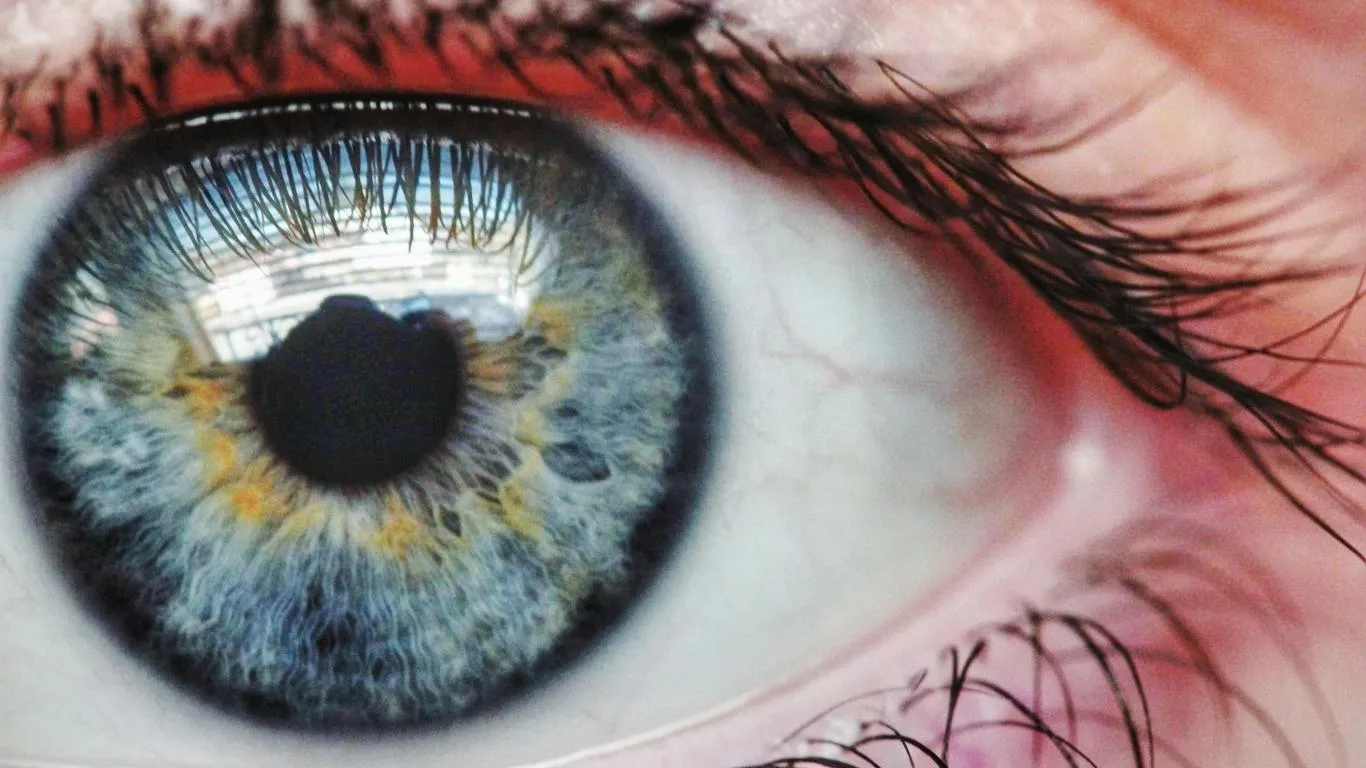
Eye floaters are tiny clumps or strands that form in the vitreous — the clear, gel-like substance in your eyeball. As light passes through your eye, these floaters cast shadows on your retina, and that’s what you see drifting or darting across your field of vision. They’re usually harmless, especially if you’ve had them on and off for years. But when they suddenly appear after something specific, like downing an energy drink, it’s worth taking a closer look.
How Energy Drinks Might Trigger or Worsen Floaters
High Caffeine Overload
Caffeine isn’t just a pick-me-up — it’s a central nervous system stimulant. One 16 oz can of your average energy drink can pack anywhere from 150 to 300 mg of caffeine. If you’re sensitive, or already running on minimal sleep and stress (hello, college finals), that caffeine hit can increase intraocular pressure temporarily, possibly exacerbating existing floaters or causing them to become more noticeable.
According to research published via ncbi.nlm.nih.gov, elevated caffeine levels may affect blood flow in the retina and ocular nerves, potentially altering the way floaters appear or feel in your vision.
Dehydration Plays a Sneaky Role
Energy drinks often have a diuretic effect, especially when combined with other lifestyle factors like not drinking enough water, being in air conditioning, or sweating from workouts. And when you’re dehydrated, the vitreous gel in your eye can shrink or shift, making existing floaters move more erratically or become more visible.
In fact, dehydration-related vision disturbances are more common than most people realize. Here’s more on how dehydration can worsen eye floaters.
Sugar, Additives, and the Hidden Culprits
Ever flip over the label of your go-to energy drink? You’re looking at a wild mix of synthetic ingredients — high-fructose corn syrup, taurine, guarana, artificial colors, and preservatives. Some of these can trigger inflammatory responses in the body, and inflammation, particularly around the eyes, may contribute to visual disturbances, including floaters.
There’s also increasing conversation around how these additives may indirectly affect ocular tissues. A good read on this topic is aao.org, which explores how diet and inflammation are linked to eye health.
Why Some People Are More Vulnerable
Now, not everyone who drinks energy drinks is going to see floaters. I know people who practically live on them and have zero complaints. But if you’re someone with:
- Pre-existing floaters
- High myopia (nearsightedness)
- Dry eye syndrome
- A habit of screen overuse without breaks
…then you’re probably more likely to notice floaters after consuming these drinks. In my case, I checked all four boxes. It’s no wonder my eyes started misbehaving halfway through that 24-hour study marathon.
Don’t Dismiss Sudden Changes
It’s easy to brush off floaters, especially if they fade after a few hours. But sudden or severe changes, especially after introducing something new like energy drinks, should be taken seriously. They might signal more than just a dietary reaction. Some floaters can be linked to posterior vitreous detachment or retinal issues, particularly if they’re accompanied by flashes or a shadow in your vision.
More on this in the article what you need to know about posterior vitreous detachment.
What You Can Do (Besides Quitting Cold Turkey)
I’m not here to tell you to ditch energy drinks forever — let’s be real, they’re helpful in a crunch. But if you’re seeing floaters after your Monster or Red Bull fix, here’s what I’ve personally found helpful:
- Hydrate before and after — balance every energy drink with water.
- Take visual breaks — the 20-20-20 rule works wonders.
- Switch up the brand — some formulas affect people differently.
- Track patterns — use a journal or notes app to log floaters and drinks.
Also, if floaters persist or worsen, consider seeing an eye specialist. It’s not worth risking retinal damage over caffeine convenience. This is especially true if you’re noticing floaters combined with symptoms like dizziness — check out why floaters and dizziness could mean something more.
To dive deeper into the science and treatments behind floaters in general, here’s a full guide on what causes floaters and how to deal with them from the main pillar article. You may also find this comparison between floaters and other eye problems useful if you’re still unsure about what you’re seeing.
Are These Floaters Actually Caused by Energy Drinks?
It’s a tough call, honestly. Eye floaters are one of those things that can show up for dozens of different reasons — aging, stress, eye strain, even something as subtle as posture changes. But when they pop up consistently after downing an energy drink, especially one with high caffeine and low hydration, it’s not just a coincidence. It’s a pattern worth paying attention to.
There’s growing discussion among ophthalmologists and researchers about the indirect effects of dietary choices — like caffeine and taurine overload — on vitreous consistency. While there’s no formal consensus yet, anecdotal evidence (myself included) is piling up. When I switched to low-sugar hydration drinks instead of energy drinks for a month, my floaters significantly reduced — not disappeared, but definitely calmed down.
If you’re noticing symptoms specifically tied to screen use and energy drinks, check this article on how screen time compounds floaters.
When You Should Be Concerned (And Not Just Caffeine-Jumpy)
Sometimes, what seems like a harmless floater after a Red Bull might actually be your eye’s early warning sign. If any of the following happen, get an eye exam immediately:
- A sudden burst of floaters — not just one or two, but dozens
- Floaters accompanied by flashes of light or vision distortion
- A dark curtain effect, as if something’s covering part of your vision
- Floaters with eye pain or pressure
One of the more serious concerns is a retinal tear that may be preceded by floaters. Don’t brush off visual changes, especially after intense physical activity combined with caffeine intake.
Are Some Ingredients Worse Than Others?
You’d be surprised how many ingredients in popular energy drinks are barely regulated when it comes to long-term vision health. Here’s a breakdown of the usual suspects and their possible roles:
- Guarana: Naturally high in caffeine, it may double your total intake without you even realizing.
- Sugar alcohols: Used in “zero sugar” drinks, they may contribute to systemic dehydration.
- Taurine: Usually considered safe, but its effects when paired with large caffeine doses are still being studied.
- Artificial colors: Some dyes have been linked to inflammation markers in sensitive individuals.
Learn more about how diet influences ocular health in this guide on nutrition and floaters.
Practical Changes That Actually Help
If quitting energy drinks isn’t on the table for you (trust me, I get it), consider these manageable tweaks:
- Switch brands — opt for lower caffeine, no artificial dyes, and natural sweeteners.
- Add electrolytes — especially if you’re physically active or sweating a lot.
- Go half-and-half — dilute with sparkling water to reduce overall stimulant load.
- Follow up with eye-friendly snacks — like almonds, blueberries, or anything rich in lutein.
Also, don’t underestimate how much dry eyes may be worsening your floater visibility. I started using a humidifier in my workspace and it made a noticeable difference after a week.
What Eye Specialists Are Saying
I asked my ophthalmologist about this caffeine-floaters connection. Her take? While there’s no published guideline linking the two directly, she admitted she’s seen a rising number of patients — especially younger adults — reporting vision disturbances shortly after consuming energy drinks. That anecdotal consistency is often the first clue in clinical patterns.
She also pointed me to this helpful article on how stress and stimulants may play a role in increasing floaters. Turns out, stress hormones like cortisol can affect the eye’s delicate internal structures too.
Should You Cut Energy Drinks If You See Floaters?
Not necessarily — unless floaters are new, increasing, or really distracting you from daily activities. If that’s the case, consider it your body asking you to dial it back. I went from 5-6 cans per week to 1 or 2 max, and the visual disturbances decreased significantly. Your body’s tolerance is unique, and sometimes just changing frequency or quantity is enough.
It’s not about fear-mongering or demonizing caffeine. It’s about awareness. If your eyes are telling you something, listen. They’re usually right.
If you’re wondering whether what you’re seeing is actually floaters or something else entirely, here’s a handy guide on telling the difference between floaters and other eye issues.
And if you’re new to this topic and want a full breakdown of causes, symptoms, and treatment paths, check out the comprehensive overview on eye floaters here.

Camellia Wulansari is a dedicated Medical Assistant at a local clinic and a passionate health writer at Healthusias.com. With years of hands-on experience in patient care and a deep interest in preventive medicine, she bridges the gap between clinical knowledge and accessible health information. Camellia specializes in writing about digestive health, chronic conditions like GERD and hypertension, respiratory issues, and autoimmune diseases, aiming to empower readers with practical, easy-to-understand insights. When she’s not assisting patients or writing, you’ll find her enjoying quiet mornings with coffee and a medical journal in hand—or jamming to her favorite metal band, Lamb of God.