Why Floaters and Dizziness Without Vertigo May Signal Trouble
If you’ve ever experienced those strange squiggly shapes floating across your vision *and* felt slightly dizzy—without the whole world spinning—you’re definitely not alone. I remember the first time I noticed it. I was scrolling through my phone after a long day and suddenly felt a bit lightheaded. The weird part? No spinning, no nausea—just an odd sense of imbalance and those annoying floaters swimming across my view. It turns out this combo of floaters and dizziness without vertigo is surprisingly more common than most people think—and it can point to a few things worth paying attention to.
What Exactly Are Eye Floaters?
Let’s get this out of the way first. Eye floaters are those drifting specks or thread-like shapes that seem to dart around when you try to focus on them. For me, they show up the most on bright days or when I’m staring at a screen for too long. They’re actually shadows cast by tiny clumps of gel or cells inside the vitreous—the jelly-like part of your eye. It’s common with age, but not exclusively.
According to the National Eye Institute, floaters can be harmless in many cases, but they might also indicate underlying eye changes or health issues, especially if paired with other symptoms.
When Dizziness Joins the Party (Minus the Spinning)
Now here’s where it gets tricky. Most of us associate dizziness with vertigo—the kind where the room spins and you’re reaching for the nearest surface to steady yourself. But dizziness without vertigo? That’s more subtle and often harder to pinpoint. You may feel like you’re floating, mildly off-balance, or like your brain is lagging a few seconds behind your body. Been there, done that.
This kind of dizziness can stem from a bunch of sources: dehydration, blood pressure dips, stress, or even poor sleep. But when paired with floaters, things get a little more interesting—and potentially eye-related.
Could It Be a Vision Issue?
Absolutely. Our eyes and brain work as a tight team. When one is off, the other scrambles to adjust. Floaters can interfere with visual clarity just enough to cause a subtle imbalance, especially if you’re straining to ignore them or if they worsen in one eye. I’ve personally noticed I feel slightly dizzy after long hours in front of my laptop, especially when floaters become more prominent in bright light or after a workout.
Some floaters become more visible after meditation or quiet moments—when your focus sharpens, and suddenly they’re all you see. This overstimulation can trigger a sort of visual confusion that feels a lot like dizziness.
Root Causes You Might Be Overlooking
- Visual strain or fatigue: Long hours reading, driving, or staring at digital screens can make floaters and lightheadedness worse.
- Dehydration: Your eyes need hydration too. When your body is low on fluids, both floaters and dizziness can spike. There’s even a great breakdown of that right here.
- Ocular migraines: These can bring floaters or flickering lights and a sense of visual unease—without a headache. Sometimes dizziness follows.
- Blood pressure fluctuations: A sudden drop (like when you stand too fast) can cause temporary dizziness. Add floaters? It’s a disorienting mix.
Stress and Anxiety—The Underrated Culprits
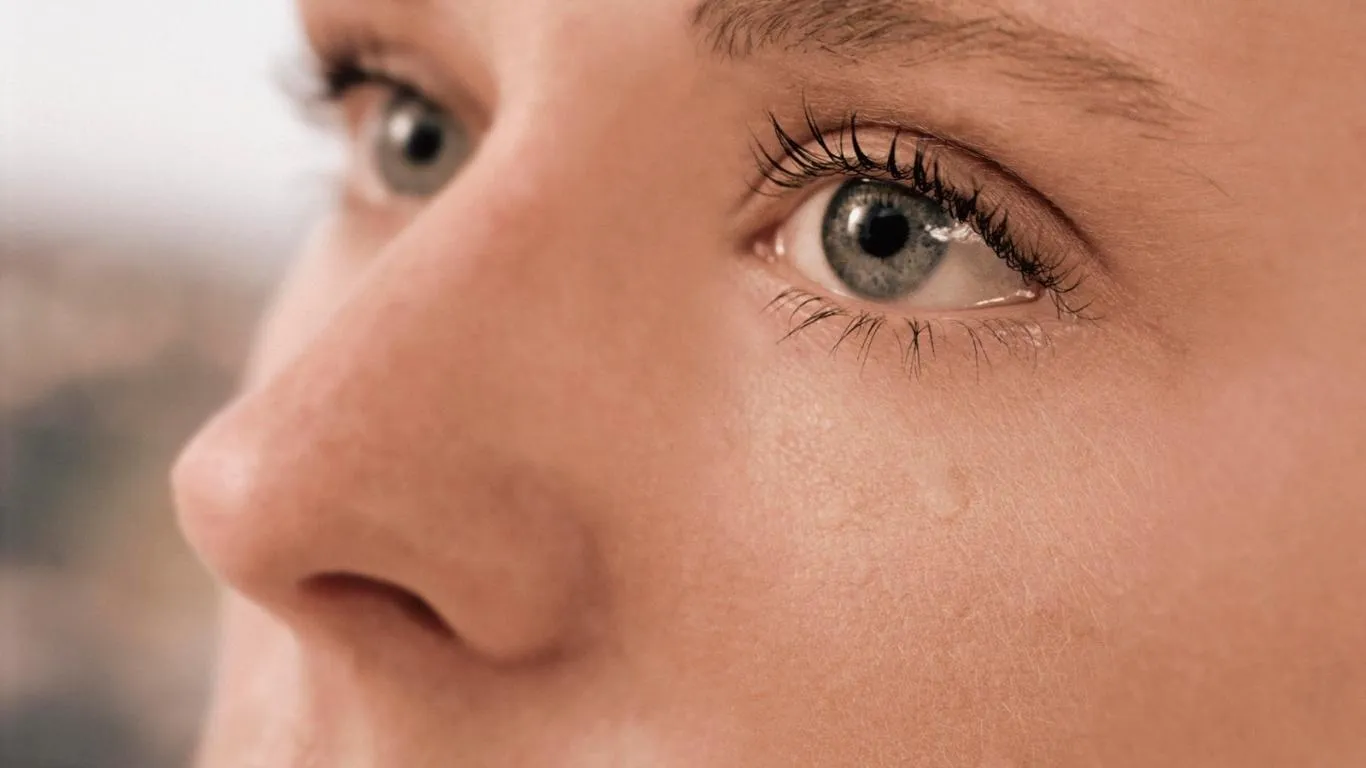
I didn’t connect the dots until recently, but stress is a huge trigger for both symptoms. Anxiety can cause muscle tension in the neck and shoulders, impacting blood flow to the head and eyes. Plus, stress hormones like cortisol can mess with your visual processing.
There’s an excellent deep dive on how anxiety episodes can trigger floaters. It’s oddly comforting to know I’m not the only one who’s noticed floaters spike during stressful weeks.
Screen Time & Visual Processing Lag
Ever feel like your brain just needs a second to catch up after a long scrolling session? You’re not imagining it. Prolonged screen exposure, especially in low lighting, can cause your eye muscles to strain. Add floaters into the mix, and it feels like your vision is slightly out of sync—which your brain may interpret as mild dizziness. Here’s a good related read: why screen time may worsen floaters.
When to Pay Attention: Signs You Shouldn’t Ignore
- If floaters suddenly appear in a cluster or change in shape rapidly
- If dizziness becomes frequent or worsens even while sitting or lying down
- Sudden flashes of light or a shadow across your field of vision
- Accompanied by headache, eye pain, or vision loss
These could point to retinal detachment or other serious eye issues. There’s a great comparison article that helps you differentiate floaters from other vision conditions.
What Your Eye Doctor Might Look For
If you bring this up during an eye exam—and you should—they may dilate your pupils and check for signs of vitreous degeneration, inflammation, or pressure issues. It’s a simple, painless process but could reveal a lot. Here’s an insightful read on when floaters signal something serious.
For a broader breakdown of treatment paths, including when to just observe and when to act, I recommend the Eye Floater Treatments guide. And if you want a full overview of floaters from causes to symptoms, you can’t go wrong with the main floater article here.
What If It’s Not Your Eyes At All?
Here’s the curveball—not all floaters and dizziness combos are rooted in your eyes. I once had a long phase where I felt woozy and visually “off,” only to find out it had more to do with blood sugar dips than my retina. Sometimes, floaters are just tagging along while something else is causing the imbalance.
One possibility? Blood sugar fluctuations. They don’t just impact energy levels—they also mess with your vision clarity. People with diabetes or even borderline sugar sensitivity often report floaters becoming more noticeable during sugar crashes or spikes. Dizziness follows suit.
Another wild card? Inner ear pressure. Even though there’s no spinning sensation (the key vertigo symptom), pressure buildup can subtly affect your balance system—causing you to feel dizzy-ish. Throw in some visual strain, and you’ve got a confusing mess of symptoms with no clear direction.
Hormonal Imbalances and Sensory Cross-Talk
Let’s not ignore the hormonal angle. When I hit my mid-30s, I started noticing floaters more frequently around the same time I’d get lightheaded for no good reason. Turns out, hormonal shifts—especially during PMS, pregnancy, or even thyroid imbalance—can influence both eye fluid consistency and blood circulation. That combo? Hello, floaters and dizziness.
This eye-hormone connection explains why some people experience worse floaters after intense emotional or physical changes. You don’t need to be dealing with menopause or pregnancy—subtle shifts can still affect you.
Stress, Sleep, and Sensory Burnout
Here’s something I underestimated for years: how lack of sleep messes with your visual center. After pulling a few all-nighters back-to-back, I’d feel slightly dizzy by mid-morning. Floaters would flare up—like a screen with specks—and it was hard to focus. Turns out, it wasn’t coincidence.
Chronic sleep deprivation or disrupted circadian rhythms affect your brain’s ability to filter out floaters. The less rested you are, the more those tiny floaters stand out, and the harder your brain has to work to make sense of a blurry image. This link between poor sleep and floaters is more real than I expected.
Can Posture and Movement Make It Worse?
Oh yes. I discovered this after I started working from home. Hours slouched over a desk and looking down at a screen didn’t just hurt my back—it also made my floaters feel worse and dizziness creep in faster.
- Neck tension reduces blood flow to the head, contributing to dizziness.
- Eye misalignment due to poor head posture increases visual strain.
- Changes in head position can shift how floaters move across your vision—sometimes making them feel more intense.
This is why some people notice floaters more after exercise, bending over, or even just turning their head too fast. There’s a fascinating breakdown on how head movement affects floater visibility.
What You Can Do to Feel Normal Again
Alright, let’s talk relief. No magic pills here—but there are definitely ways to reduce the discomfort.
- Hydrate regularly: Even mild dehydration amplifies both symptoms.
- Reduce screen time or use blue-light filters, especially in the evening.
- Improve posture: A standing desk helped me reduce both eye strain and that floating dizziness feeling.
- Eye exercises: Believe it or not, simple eye movement routines can help relax your visual muscles.
- Get regular sleep: Seriously underrated. Fixing my bedtime was a game-changer.
When It Might Be Time for a Deeper Check
If these symptoms aren’t easing—or if you’re noticing flashes, sudden vision loss, or hearing odd ringing with the dizziness—it’s not something to ignore. These could be signs of deeper neurological or retinal issues.
Cases like sudden floater bursts or eye pain with new floaters deserve urgent attention. Don’t wait it out.
Better Long-Term Eye Health Starts Here
One of the most important lessons I’ve learned is how much your daily habits impact floater intensity and that vague dizziness that seems to tag along. It’s not always a serious condition—but it’s also not something to brush off.
I’ve found great info in articles like common causes of eye floaters, which helped me understand the connection between my lifestyle and symptoms. Combine that with the broader explanation found in the main floaters overview here, and you’re equipped to take back some control.

Camellia Wulansari is a dedicated Medical Assistant at a local clinic and a passionate health writer at Healthusias.com. With years of hands-on experience in patient care and a deep interest in preventive medicine, she bridges the gap between clinical knowledge and accessible health information. Camellia specializes in writing about digestive health, chronic conditions like GERD and hypertension, respiratory issues, and autoimmune diseases, aiming to empower readers with practical, easy-to-understand insights. When she’s not assisting patients or writing, you’ll find her enjoying quiet mornings with coffee and a medical journal in hand—or jamming to her favorite metal band, Lamb of God.