Why Floaters When Turning Head Too Quickly Might Signal Eye Trouble
Ever turned your head too quickly and suddenly spotted a squiggly shadow or transparent thread drifting across your vision? It’s not just you. I remember the first time it happened to me—after a long day of staring at my screen, I turned my head fast to grab my water bottle, and boom, I saw what looked like a tiny spider web floating in my line of sight. Naturally, I freaked out a little. But after a couple of days and way too much Googling, I learned I wasn’t going blind—it was a floater. And turns out, this is more common than you’d think, especially when you shift your head fast.
What Are Eye Floaters, Really?
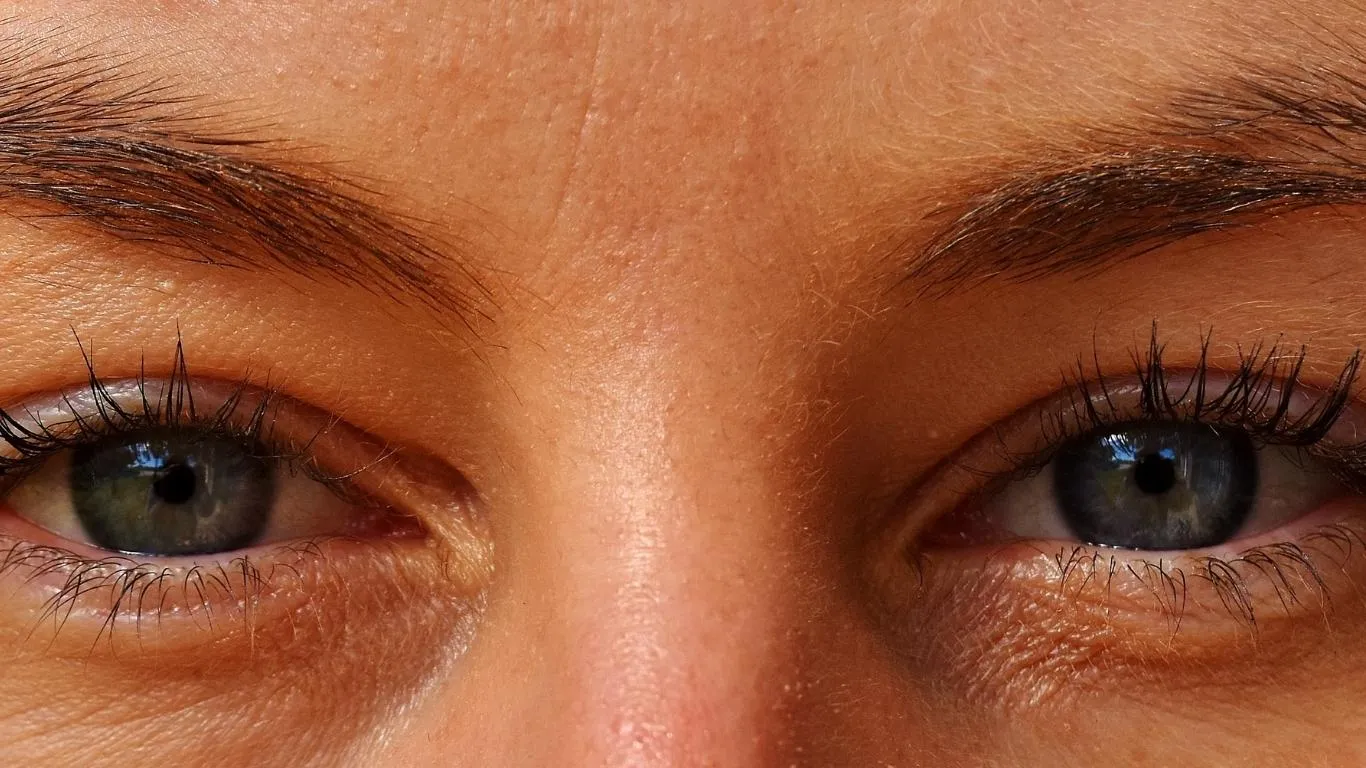
Eye floaters are those oddly shaped bits that drift across your vision. They may look like transparent threads, blobs, cobwebs, or even tiny insects. They’re actually tiny clumps of gel or cells inside the vitreous—the clear gel-like substance that fills the inside of your eyeball. When you move your eyes or, more notably, when you turn your head too quickly, these floaters can become more visible as they shift along with the gel.
The thing is, these floaters aren’t imaginary. They cast shadows on your retina, and those shadows are what you “see.” While floaters themselves are generally harmless, the sudden increase or visibility when you turn your head quickly can sometimes be a hint your eyes are trying to get your attention.
Why Do Floaters Show Up When You Move Your Head Fast?
This specific movement—head turning—creates a kind of momentum inside your eye. Think of the vitreous gel like water in a snow globe. When you shake the snow globe (or whip your head to the side), particles move around rapidly. The same happens in your eye. Floaters that were quietly resting out of your line of sight suddenly swing into view.
This effect becomes even more noticeable if your vitreous has started to loosen with age, injury, or conditions like post-viral changes or excessive physical activity. In fact, if you’ve had a long workout or even something as simple as a rough night’s sleep, floaters can become temporarily more dramatic when you move too quickly.
Common Causes Behind These “Whip Floaters”
1. Age-Related Vitreous Changes
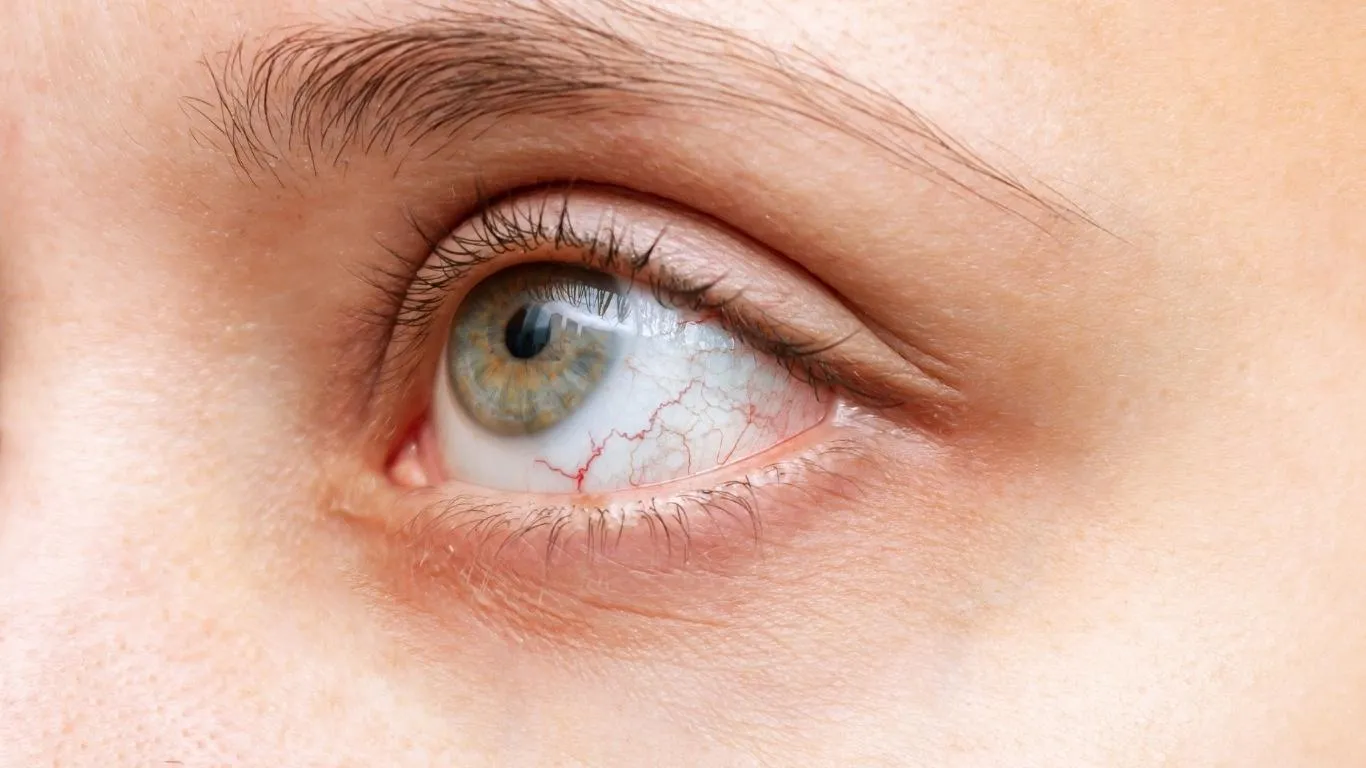
The most common reason for floaters in general is aging. As we get older, the vitreous starts to shrink and pull away from the retina—a process known as posterior vitreous detachment (PVD). This makes floaters more common and more likely to move dramatically when your head does. It’s worth reading this detailed guide on PVD and its connection to floaters.
2. Dehydration and Lack of Sleep
I noticed my floaters were worse after late-night gaming binges or forgetting to drink water all day. Turns out, dehydration affects the consistency of the vitreous, making floaters more mobile. Same with sleep—less rest means more eye strain and likely floaters drifting in faster after a head turn. Check this out: how sleep deprivation influences floaters.
3. Eye Strain or Long Screen Time
We’re all guilty of binging on screens, especially at night. I definitely started noticing more floaters during and after intense screen time. It’s not just your imagination. Digital eye strain can dry your eyes and shift the fluid in your eyeballs, making floaters way more visible, particularly with abrupt head motion. See how screen exposure correlates with floaters.
4. Head or Eye Trauma
Had a bump to the head? That kind of jarring motion can cause the vitreous to jolt and pull on the retina, producing floaters or making existing ones worse. There’s a great breakdown on this over at Healthusias if you want to dive deeper.
Should You Be Concerned?
Most of the time, floaters—yes, even the ones that swing into view when you move your head quickly—are no big deal. Annoying? Definitely. Dangerous? Usually not. But, and this is important, if they come with flashes of light, a curtain-like shadow across your vision, or a sudden increase in number, you need to see an eye doctor right away. Those can be signs of retinal detachment.
You can read more about those serious signs here, and how to tell if your floaters mean something more than just age or fatigue.
Practical Ways to Manage Floaters that Show Up When Moving Your Head

- Stay Hydrated: Your eyes need fluid just like the rest of your body. Keep water close and sip regularly, especially on work or screen-heavy days.
- Limit Quick Movements: If you notice floaters mostly after snapping your head around, try to move more gradually. It can help keep them out of view.
- Wear Blue-Light Filters: For those long digital sessions, lenses that reduce eye strain can help prevent eye fatigue—one contributor to floaters.
- Talk to an Eye Specialist: If your floaters change suddenly or become a daily annoyance, it’s worth booking an exam. Treatments like laser vitreolysis exist—though not for everyone.
Some floaters do fade over time or become less noticeable, especially if you give your eyes a break. If you’re exploring deeper natural options, you might also want to check this post about natural floater remedies.
To understand the bigger picture of what floaters really mean, this main floater guide is an excellent place to start. Also, for specific treatments and more on when to see an expert, explore treatment options here.
Can Floaters Get Worse With Repeated Head Movements?
Short answer: sometimes. The more your eyes and head move rapidly, the more likely you are to notice floaters. Especially if you’re already dealing with vitreous changes due to aging or previous eye issues. I’ve had days where turning my head quickly while walking outdoors made my floaters look like they multiplied—and honestly, it’s annoying. But it’s not that the floaters increase in number instantly; they’re just shifting into view more often due to that fluid turbulence inside the eye.
Now, if the floaters actually do increase or start behaving differently (e.g., flickering or moving unusually fast), it’s worth checking for deeper causes. Repeated motion doesn’t usually *create* floaters, but it does highlight ones you might’ve ignored otherwise.
Can You Prevent Floaters from Becoming More Noticeable?
While there’s no surefire way to stop floaters from appearing when turning your head quickly, there are definitely habits that can keep them from stealing the spotlight every time you move.
1. Improve Overall Eye Health
Strong eye health helps maintain a stable vitreous environment. Incorporating foods rich in lutein and zeaxanthin can support the retina and potentially reduce your floater experience. Omega-3s are another powerhouse—especially for those dealing with floaters and dry eyes together.
2. Avoid Sudden Bright Light Exposure
I’ve noticed floaters appear more sharply right after stepping outside into bright sunlight. That intense contrast makes the shadows they cast on the retina more defined. Learn more about this phenomenon here.
3. Minimize Eye Rubbing
Sounds simple, but rubbing your eyes hard can disturb the vitreous and shift floaters into your central vision. I was surprised how often I rubbed my eyes absentmindedly. Over time, that pressure makes floaters more active and noticeable. Read this piece on why rubbing might be worse than you think.
4. Cut Back on Caffeine and Alcohol
Both caffeine and alcohol can dehydrate your system, including your eyes. For me, floaters were way worse after a few cups of strong coffee. This caffeine-floaters link is real, and worth managing if your vision’s starting to distract you during daily tasks.
When Floaters Become a Mental Distraction
No one really talks about the mental load that comes from chronic floaters—especially if they keep popping up when you’re driving, walking outdoors, or just trying to focus. I had a stretch of a few months where floaters made me hyper-aware of my sight all day. It’s not just a physical thing; it wears you down mentally too.
There’s growing awareness of how persistent visual disturbances can impact mental health, especially in high-stress environments. If floaters are affecting your quality of life, don’t just “tough it out.” Talk to a specialist. You’re not alone in this.
Could Sudden Head Movements Ever Signal Something More?
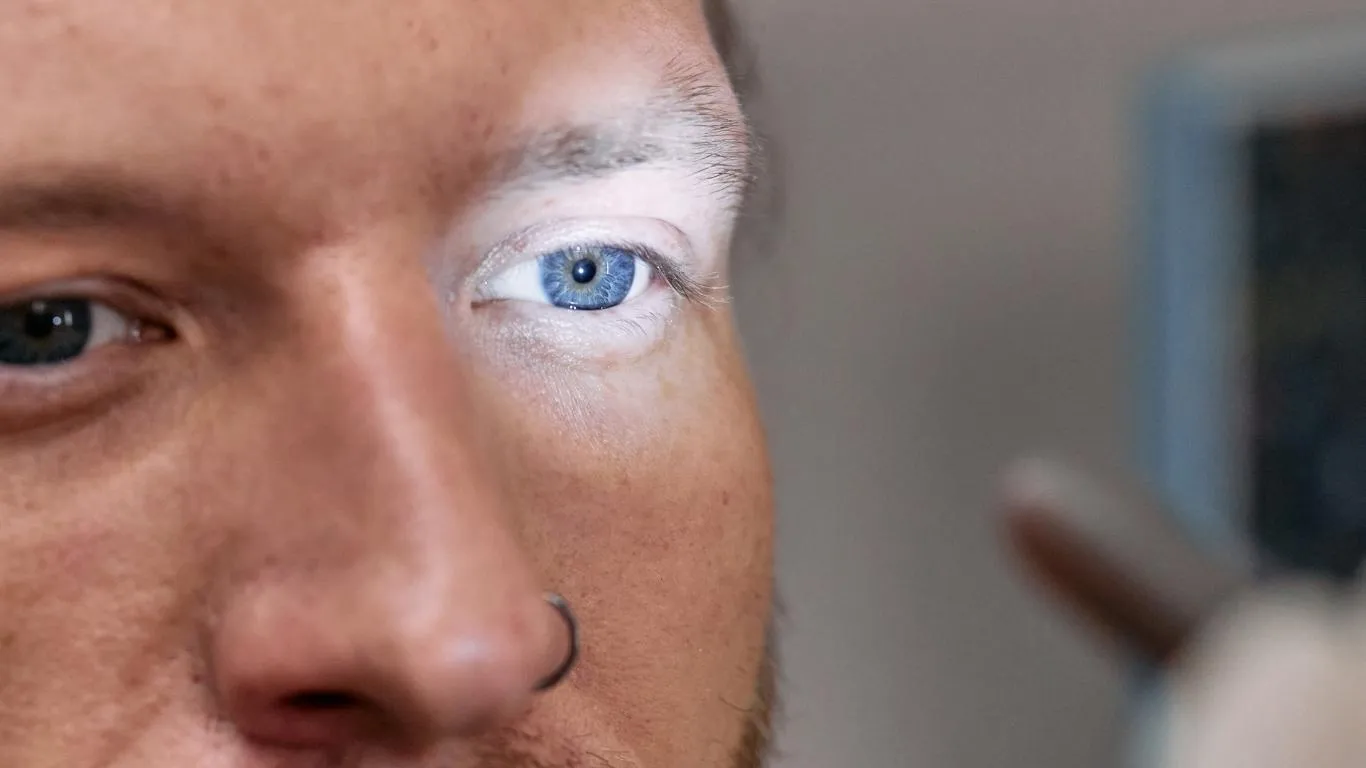
In rare cases, a sudden burst of floaters when turning your head quickly can be a warning. Especially if it’s paired with symptoms like:
- Flashes of light
- A shadow moving across your vision
- Eye pain or pressure
- Sudden loss of peripheral vision
Those could be signs of something like a retinal tear or detachment. A situation where the retina is actually being pulled or damaged by the shifting vitreous. Don’t ignore this. I know it’s tempting to hope it goes away, but this is one of those “get it checked immediately” moments. You can also brush up on what’s normal and what’s not by checking out this breakdown of floater vs. eye problems.
When Is It Time to Talk to a Doctor?
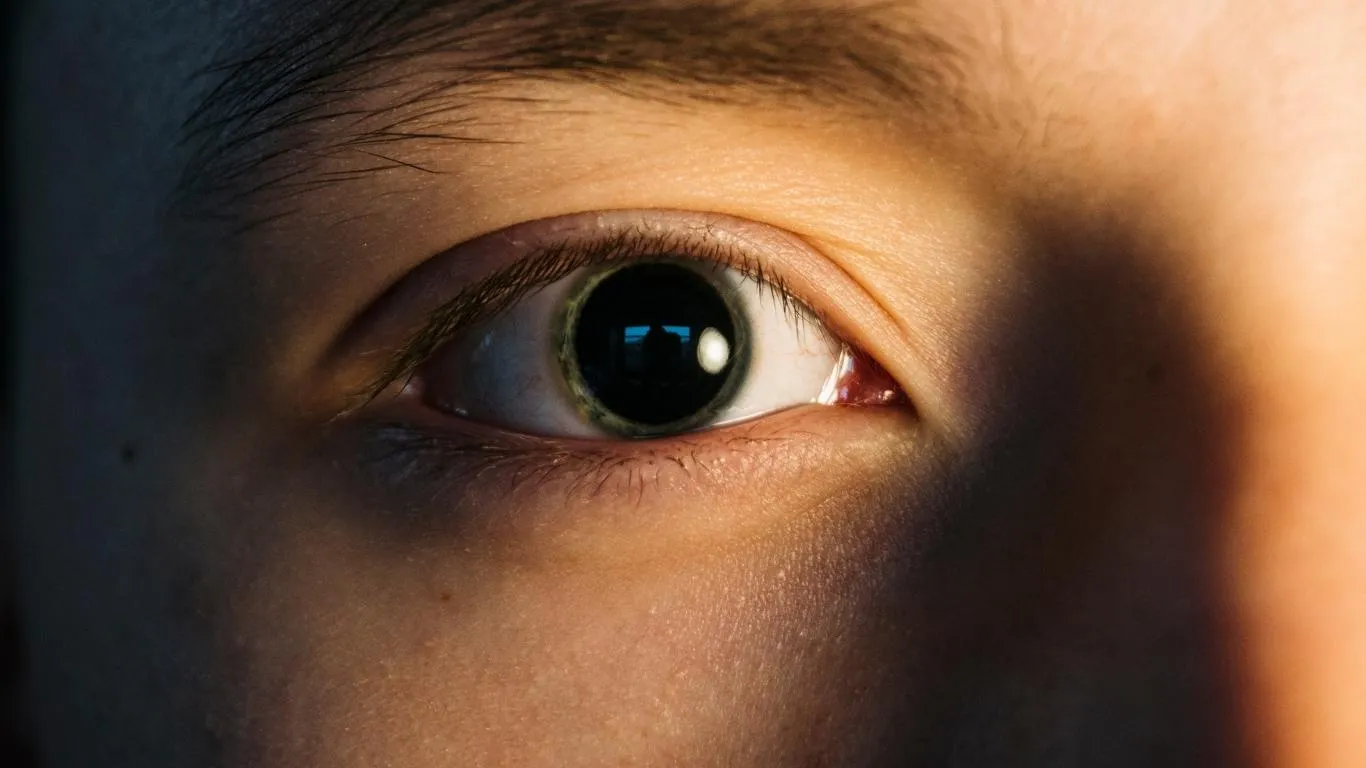
If floaters after turning your head are happening daily and interfering with work, driving, or general comfort, that’s a sign to book a checkup. There are a few tests ophthalmologists use to assess floater severity and rule out complications. I finally saw a retina specialist after ignoring mine for months—turns out, I had early PVD but no tear, and just needed monitoring and some simple changes to reduce irritation.
There are even treatments like laser vitreolysis or vitrectomy, though they’re only recommended in persistent or severe cases. Here’s a solid resource to explore treatment options and whether they’re worth it.
Daily Habits That Help You Cope

- Use dark-mode apps at night – Less eye strain, fewer floaters after scrolling.
- Wear sunglasses outdoors – Reduces harsh light that makes floaters pop.
- Practice gentle eye movements – Slowly moving your eyes side to side can help floaters drift out of view.
- Don’t stare at white walls or bright skies – These backgrounds make floaters stand out more.
Also worth a look: some swear by supplements. I’ve personally tried ones with bilberry and hyaluronic acid—results vary, but it’s worth exploring with your doctor. This guide on vision-supporting supplements is super detailed.
Know When to Take It Seriously

If you’re dealing with floaters only when turning your head quickly, chances are it’s just your vitreous showing off a bit more than usual. But floaters that change shape, increase suddenly, or come with other symptoms shouldn’t be brushed off. Even if everything turns out fine, the peace of mind is worth the trip.
To better understand when these symptoms mean something deeper, this main overview from Healthusias is a must-read: what causes floaters and what to do about them.

Camellia Wulansari is a dedicated Medical Assistant at a local clinic and a passionate health writer at Healthusias.com. With years of hands-on experience in patient care and a deep interest in preventive medicine, she bridges the gap between clinical knowledge and accessible health information. Camellia specializes in writing about digestive health, chronic conditions like GERD and hypertension, respiratory issues, and autoimmune diseases, aiming to empower readers with practical, easy-to-understand insights. When she’s not assisting patients or writing, you’ll find her enjoying quiet mornings with coffee and a medical journal in hand—or jamming to her favorite metal band, Lamb of God.