How Floaters During Emotional Grief Can Disrupt Your Vision
It was a quiet Sunday afternoon when I noticed them—those tiny specks and threads drifting across my vision like dust motes on a sunbeam. I’d recently lost someone close, and while I had expected emotional fatigue, I wasn’t prepared for visual disturbances. Turns out, eye floaters can creep in during periods of intense emotional grief or mourning—and it’s not just in your head.
Why Do Floaters Appear When You’re Grieving?
Grief affects every part of your body. Your appetite changes, sleep becomes elusive, and even your eyes start behaving differently. But how does mourning trigger something as physical as eye floaters?
The Physiology of Floaters
Floaters are tiny clumps of protein or collagen that cast shadows on your retina. They’re usually associated with aging, but sudden emotional stress can stir up similar symptoms. When you’re grieving, your body ramps up cortisol production. This stress hormone affects everything from your heart rate to the gel-like vitreous in your eyes.
Some ophthalmologists believe that cortisol can contribute to increased vitreous syneresis—the slow liquefaction of the vitreous gel—making floaters more likely to appear or worsen. In some cases, floaters after emotional trauma linger even longer than expected.
Vision Changes Triggered by Grief
Here’s something I learned the hard way: grief often pushes us into irregular routines. Sleepless nights, skipped meals, dehydration—all of these factors exacerbate floaters. Staring at the ceiling night after night can leave your eyes dry and strained, increasing the visibility of floaters when you finally try to focus on a lit surface.
More than once, I questioned if I was just imagining things. I wasn’t. Emotional trauma alters the nervous system’s response to sensory input—including vision. The more anxious and hyper-aware you become, the more your brain focuses on those floating shapes.
How Emotional Stress Impacts Eye Health
We’re used to thinking of emotional pain as “invisible,” but the eyes tell a different story. There’s increasing research that suggests emotional health and eye health are tightly connected. Cortisol and adrenaline impact blood vessels, fluid regulation, and inflammation—all crucial in eye function.
Stress-Related Vision Syndromes
- Visual snow: A static-like overlay on vision that often accompanies anxiety and panic attacks.
- Photopsia: Flashes of light often mistaken for migraines, but can appear with intense stress.
- Floaters: Most common when your system is under prolonged emotional strain or following loss.
I found that even hours after a wave of sadness passed, the visual disturbances remained—like echoes of the emotional weight. There’s even a theory that floaters after emotional breakdowns might be an overlooked sign of unresolved grief physiology.
Internal Pressures and Eye Tension
Stress increases intraocular pressure temporarily. While this doesn’t always cause permanent damage, it can be enough to stir or dislodge tiny particles in the vitreous humor. If you already have a predisposition—such as high myopia or past eye trauma—the likelihood of noticing new floaters increases dramatically.
Some studies mentioned by authoritative sources like NCBI and Mayo Clinic suggest that mood disorders and ocular symptoms share more than a coincidental overlap.
Common Floaters During Grief: What Do They Look Like?
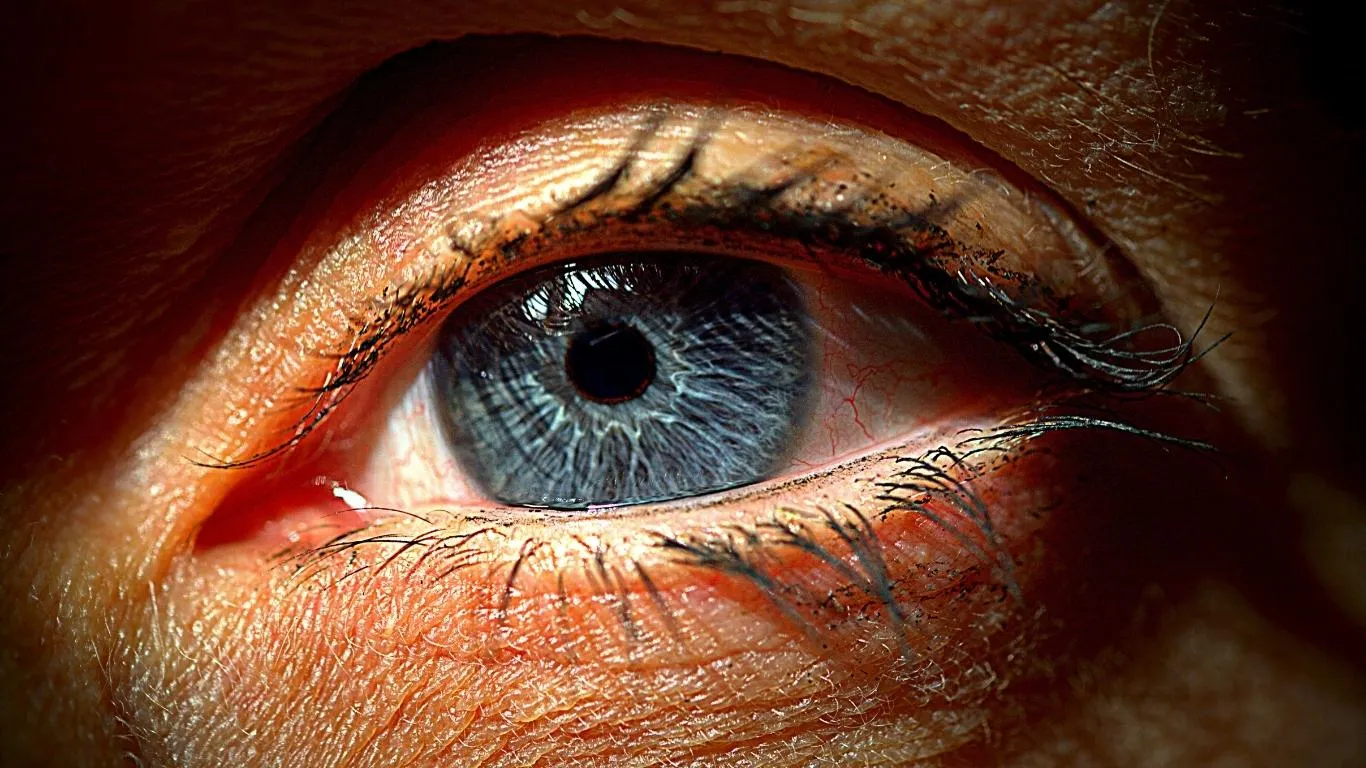
From my experience, floaters triggered during grief often take on these forms:
- Cloud-like blobs that drift slowly across your line of sight.
- Thread-like strings that move with eye motion, then dart away.
- Transparent circles with slightly darker edges, visible on white backgrounds.
Many people start noticing these particularly when driving against the sun or staring at bright screens. If this sounds familiar, you’re not alone. The connection between emotional overwhelm and visual sensitivity is real—and often unspoken. If you’ve recently experienced loss and now find yourself questioning your sight, you’re not imagining things.
When Should You Be Concerned?
Floaters in themselves aren’t usually dangerous. But if you’re grieving and also experiencing sudden bursts of new floaters, flashes of light, or a dark curtain over your peripheral vision, don’t delay. These could be signs of a retinal tear or detachment, something that demands immediate attention.
That said, most grief-related floaters tend to subside over weeks—especially as you begin to emotionally and physically stabilize. I found some comfort in knowing I wasn’t alone. Articles like this one opened my eyes (pun intended) to the broader impact of mental well-being on ocular health.
Is There a Long-Term Risk?
If your floaters stick around longer than six weeks, especially without easing in intensity, it might be time to explore whether there’s an underlying condition contributing to it. This could range from dehydration to autoimmune disorders. Floaters combined with other symptoms might signal something more than emotional fallout.
You might also want to check out this guide on how to distinguish floaters from other eye issues if the visuals begin to change shape, intensity, or color over time.
And if you’re looking for a broader understanding of this visual phenomenon, here’s the go-to comprehensive guide on what causes floaters and what to do about them.
How to Cope With Floaters While Grieving

I remember asking myself more than once—“Is this my new normal?” When you’re already mourning, noticing floaters every time you blink can feel like emotional insult added to injury. Fortunately, there are a few practical strategies that helped me—and might help you too.
1. Manage Your Hydration
This sounds simple, but it’s huge. Dehydration thickens the vitreous humor, making floaters appear darker and more defined. I started carrying a bottle everywhere. Once I hit 2.5–3 liters a day, things noticeably improved. If you’re unsure whether this might apply to you, here’s a deeper dive: can dehydration make floaters worse?.
2. Don’t Skip Meals—Especially Antioxidants
Grief messes with your appetite. I lived on crackers for days, which didn’t do my eyes any favors. Your retina and vitreous body thrive on a healthy blood supply, especially with nutrients like lutein and vitamin C. Try to incorporate eye-supportive foods like:
- Spinach, kale, and other leafy greens
- Oranges, bell peppers, and berries
- Eggs and oily fish (for omega-3)
If you’re looking to take it further, here’s a breakdown on the best dietary changes to ease floaters.
3. Screen Time? Tweak It.
It turns out that floaters get more noticeable when you’re staring at flat, bright backgrounds—like your phone screen. I activated dark mode on everything. Lowered the brightness. Switched to cream-colored backgrounds when reading. All of that helped a surprising amount. In fact, there’s research pointing out how excessive screen time makes floaters worse.
4. Gentle Eye Movement Exercises
While floaters can’t be “blinked away,” moving your eyes in a circular motion—slowly—helps stir the vitreous fluid and redirect floaters out of your central field of view. This trick was a game-changer for me during work calls or driving.
5. Mind-Body Connection Is Real
You can’t separate emotional trauma from physical symptoms. Practicing breathwork or even simple yoga stretches grounded me. I found that during deep grief, my muscles tensed unconsciously—including around my face and eyes. Releasing that tension reduced the severity of floaters, at least temporarily.
There’s a full exploration on this if you want more: how stress relief techniques can reduce floaters.
When to Talk to an Eye Specialist
It’s tempting to ignore the symptoms, assuming they’ll fade with time—and often they do. But persistent floaters (especially post-trauma) can be your body’s way of saying: check in. If you’re also noticing blurry vision, headaches, or light flashes, an eye exam is more than just peace of mind—it’s essential.
I didn’t know at the time, but there’s actually a known phenomenon where post-trauma floaters last longer than usual. It’s not imaginary. It’s physiological.
Some people go years thinking they’re just “sensitive” when in fact there may be chronic inflammation, subtle retinal stress, or even underlying eye conditions that got triggered by cortisol overload.
What Can an Eye Specialist Do?
- Ocular scans: They’ll rule out retinal tears or detachment risks.
- Vitreous analysis: Helps identify any unusual movement or protein breakdown.
- Treatment options: Observation is common, but laser therapy or vitrectomy may be considered in rare, persistent cases.
Here’s a deep-dive resource if you’re curious about the treatment spectrum: eye floater treatments: from observation to surgery.
Do Emotional Floaters Go Away?
From my experience and what I’ve read, yes—many do fade with time. Mine didn’t vanish completely, but they moved to the periphery enough that I barely notice them now. It took about two months, coinciding with when I began feeling more emotionally regulated.
There’s also a fascinating connection between episodic floaters and emotional cycles. Your nervous system doesn’t heal linearly, and neither do your eyes. On days when grief resurfaced intensely, so did the floaters. It was like my body’s very subtle way of waving a flag, reminding me to slow down.
Tips for Recovery I Wish I Knew Sooner
- Track your symptoms – Write down when they get worse. Patterns emerge fast.
- Stay hydrated and nourished – Not optional. This is your foundation.
- Try amber-tinted glasses – These reduced brightness and gave my eyes a break.
- Speak with a therapist – Not just for the emotional impact, but the physical one too.
- Don’t stare at floaters – It’s tempting. But resist. The more you fixate, the more your brain registers them.
Also worth noting—some floaters during grief might actually be linked to trauma-based eye tension. Addressing that with mindfulness and bodywork helped me feel “lighter” overall.
Explore More
If you’ve recently started noticing floaters during a period of grief or emotional hardship, I hope this shared experience makes you feel a little less alone. Floaters aren’t always a sign that something’s seriously wrong, but they’re definitely a signal that your body—and eyes—are responding to what you’ve been through.
Want to explore how floaters differ from other eye concerns? Check out this guide that breaks it all down.
Or visit the full explainer on what causes eye floaters and how to manage them smartly.

Camellia Wulansari is a dedicated Medical Assistant at a local clinic and a passionate health writer at Healthusias.com. With years of hands-on experience in patient care and a deep interest in preventive medicine, she bridges the gap between clinical knowledge and accessible health information. Camellia specializes in writing about digestive health, chronic conditions like GERD and hypertension, respiratory issues, and autoimmune diseases, aiming to empower readers with practical, easy-to-understand insights. When she’s not assisting patients or writing, you’ll find her enjoying quiet mornings with coffee and a medical journal in hand—or jamming to her favorite metal band, Lamb of God.