Why Floaters Get Worse When Eyes Are Heavily Moisturized
Ever noticed strange squiggly lines or shadowy specks dancing across your vision right after applying eye drops or during intense eye hydration therapy? You’re not imagining things. I’ve personally experienced floaters becoming more visible after moisturizing my eyes, and it turns out, there’s a fascinating reason behind it. If you’ve been chasing that refreshing, lubricated-eye feeling only to be greeted by a storm of floaters, you’re definitely not alone. Let’s dig into what’s really going on with floaters when eyes are heavily moisturized—and whether you should be worried.
What Exactly Are Eye Floaters?
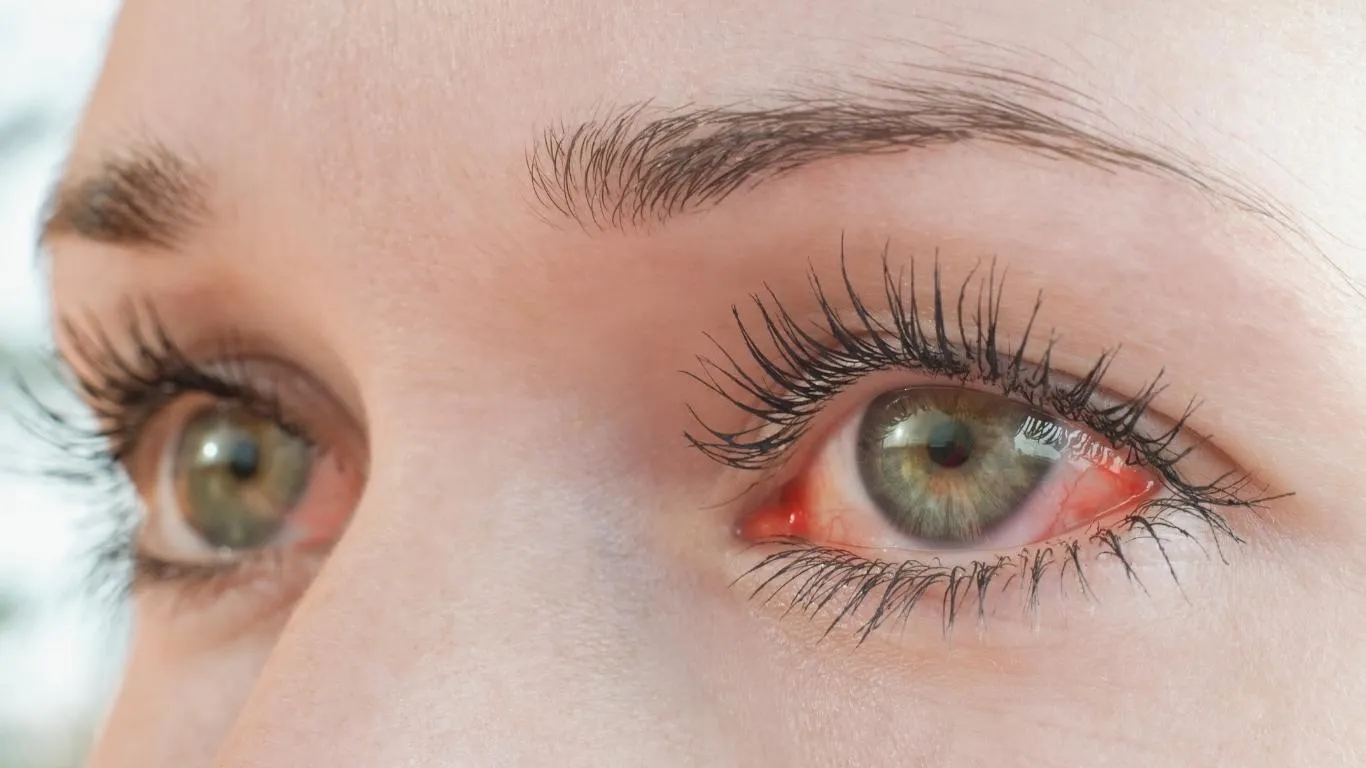
Eye floaters are those translucent, thread-like or blob-shaped specks that seem to drift around when you move your eyes. They’re technically shadows cast by debris floating in the vitreous humor—the jelly-like substance filling your eyeballs.
They often look like:
- Grey dots or strings
- Floating cobwebs or strands
- Worm-like squiggles that vanish when you try to look at them directly
Most of the time, floaters are completely harmless. But when they show up more intensely during moments when your eyes are well-hydrated, it can be both confusing and concerning.
Why Moisturized Eyes Make Floaters More Noticeable
Here’s where it gets interesting: hydrating your eyes doesn’t create floaters—it just makes the existing ones more visible.
The Light Scattering Effect
When your eyes are heavily moisturized—say, after applying artificial tears or lubricating gel—the surface of the eye becomes smoother and clearer. This enhanced clarity allows more light to enter unobstructed, which increases the contrast of floaters as they drift through the vitreous. Basically, you’re seeing clearer, so you’re also seeing what’s already floating inside more clearly.
Moisture + Brightness = Floater Party
Combine a moist eye surface with a bright, white background (like staring at your laptop screen or a sunlit wall), and you’ve got the perfect recipe for a floater parade. I noticed mine becoming especially wild during morning routines—after using lubricating drops and immediately stepping into my sunlit kitchen. The floaters didn’t multiply; they just became more vivid.
Temporary Optical Clarity
Think of it like cleaning a dirty window. Once it’s clean, you might suddenly notice that spiderweb you couldn’t see before. It was always there—you just didn’t have the clarity to spot it. Same goes for your eye floaters when your ocular surface is properly hydrated.
Common Situations That Trigger This Phenomenon
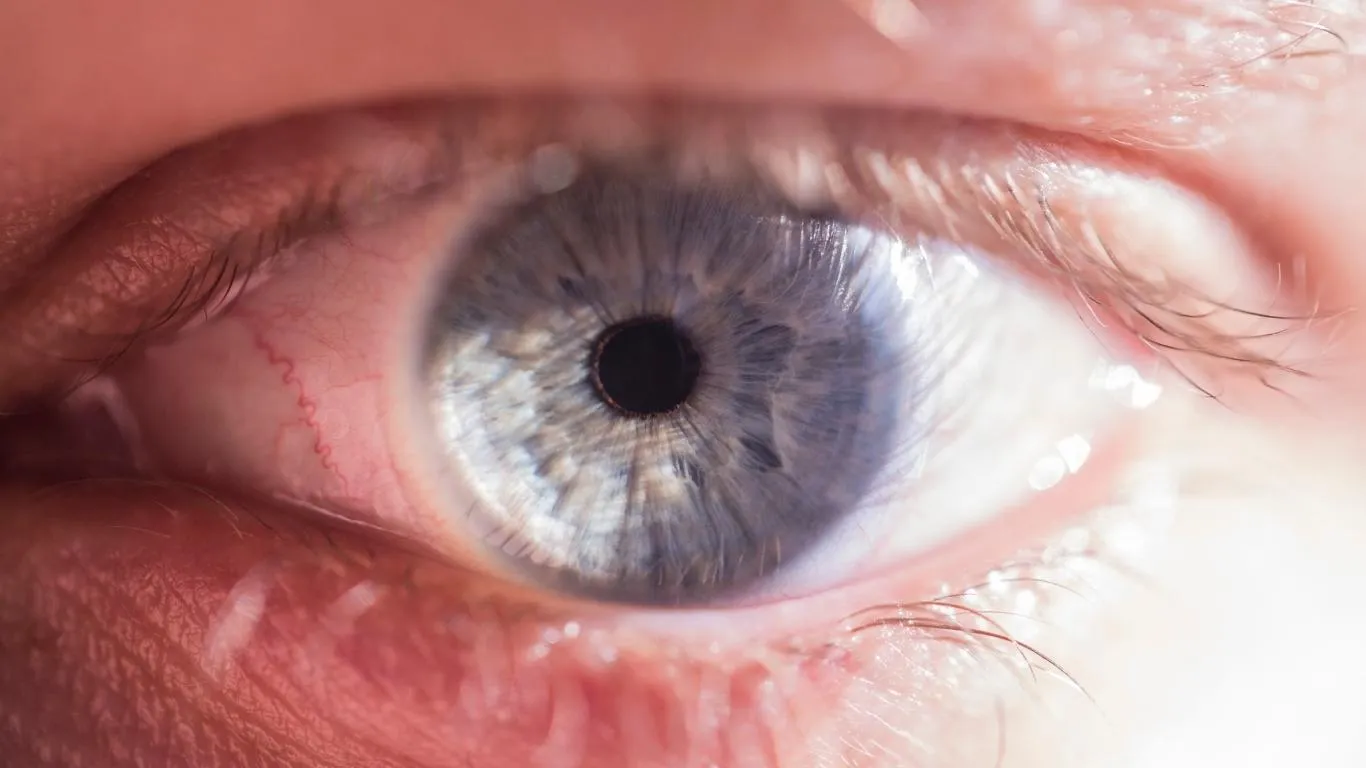
Let’s break down a few scenarios where floaters become dramatically more visible:
- Using artificial tears or gel-based lubricants – Especially the ones designed for overnight use or severe dryness.
- Waking up with well-rested, moisturized eyes – A full night of tear film production can leave your eyes ultra-clear.
- Switching environments – Moving from a dim room to a bright window-lit area right after moisturizing can light up floaters.
- Post eye massage or warm compress – These boost blood flow and tear film quality, enhancing visual clarity momentarily.
These aren’t red flags—they’re just reminders that your eyes are functioning with more clarity than usual.
When to Be Concerned About Floaters
Although most floaters are benign, certain changes shouldn’t be ignored. If you suddenly experience:
- A shower of new floaters
- Flashes of light
- Blurred or partial loss of vision
That’s when it’s time to see an eye specialist. These symptoms could indicate a retinal tear or detachment. According to National Eye Institute, rapid-onset floaters accompanied by flashes should be evaluated immediately.
If your floaters worsen after dilation drops or when dehydrated, that may point to other temporary shifts in vitreous behavior, but isn’t usually a long-term issue.
Is It Something About the Drops Themselves?
I’ve tested both preservative-free drops and regular artificial tears, and yes—some of them do make floaters pop more than others. But it’s not because they’re harming your eyes. It’s about how they interact with light and how they improve surface smoothness.
There’s no proven link between lubricating drops and vitreous changes. However, some users have noted worsened floater visibility after using gel-based formulas. That might be due to how they refract light differently than thinner, watery drops.
If you’re curious, here’s a deep dive on how different eye drops might affect floater visibility.
Other Conditions That Amplify Floaters After Moisturizing
Even if your eyes are in tip-top shape, several conditions can amplify floater awareness after eye moisturizing:
- High myopia – Elongated eyeballs increase vitreous instability.
- Posterior vitreous detachment (PVD) – Common in aging eyes, this condition can increase floater frequency. Learn more in our PVD guide.
- Screen time overload – Bright screens + moisturized eyes = floater spotlight. Especially true after prolonged viewing sessions.
What You Can Do to Minimize the Distraction
While you may not be able to eliminate floaters entirely, you can reduce how much they bother you, especially after hydrating your eyes:
- Use lubricants that mimic natural tears – Thinner, watery formulas may reflect less light.
- Adjust your lighting – Dimmer environments reduce floater contrast.
- Shift focus frequently – Moving your gaze helps reposition floaters out of your central vision.
- Try eye exercises – Gentle rotations or “figure eight” motions can subtly move vitreous floaters.
If you’re looking for treatment options from natural remedies to surgery, explore our dedicated floater treatment guide.
For a deep overview on what floaters are, why they form, and what to expect long term, the main floaters guide is a good place to start.
Living With Floaters That Get Worse After Moisturizing
It’s honestly one of those weirdly specific struggles: your eyes feel soothed and refreshed after drops… but now you’re more distracted by those little dancing specks than ever before. I’ve had moments where I questioned whether I should just stop using eye drops altogether. But of course, that’s not the answer.
Floaters when eyes are heavily moisturized aren’t a sign your treatment is backfiring—they’re a reminder that hydration improves clarity. The real challenge? Adapting to them, not fearing them.
Managing Expectation vs. Reality
If you were hoping for pristine, distraction-free vision post-lubrication, floaters can feel like a betrayal. But truth is, they don’t mean your eyes are getting worse. If anything, they’re behaving *exactly* as expected.
Instead of trying to “chase them away,” it helps to reframe your awareness of them. They’re not invading your vision; they’re part of the scenery.
Smart Tweaks to Your Routine
Here are some adjustments I’ve made that help reduce the impact of floaters post-hydration:
- Time your drops – I’ve found applying eye drops at night (before sleep) means floaters aren’t on my radar when I’m just closing my eyes anyway. By morning, I’m less focused on them.
- Avoid direct bright light right after drops – Stepping into sunlight immediately after moisturizing always seems to amplify those floaters. I now give my eyes a minute or two in softer light before going full sun.
- Switch drop types – Preservative-free, thin formulas tend to show less “magnification” of floaters for me. You might need to test a few options, but there’s a noticeable difference.
- Use polarized or tinted lenses indoors – This might sound extreme, but it really helps cut the glare and light scatter that intensifies floater appearance. Especially during screen-heavy workdays.
For those of you who spend long hours on digital screens, floaters might be worse right after moisturizing. Here’s why that happens and what to tweak.
What NOT to Do
In the spirit of saving you time (and frustration), here are things I tried that didn’t help or made floaters more noticeable:
- Applying drops multiple times a day without need – This just gave me ultra-clear vision that highlighted floaters even more.
- Over-focusing on them – Trying to “track” or “test” how bad they are makes them linger in your mind longer. Let them pass through your attention like background noise.
- Comparing day-to-day variations – Floaters change based on lighting, hydration, even mood. Not every shift is worth analyzing.
If you’ve tried everything and still feel like something’s off, it might help to check for other conditions like vitreous syneresis. It’s a natural aging change in the eye’s gel structure. You can learn more in our guide to vitreous changes and floaters.
When Moisture Becomes Too Much
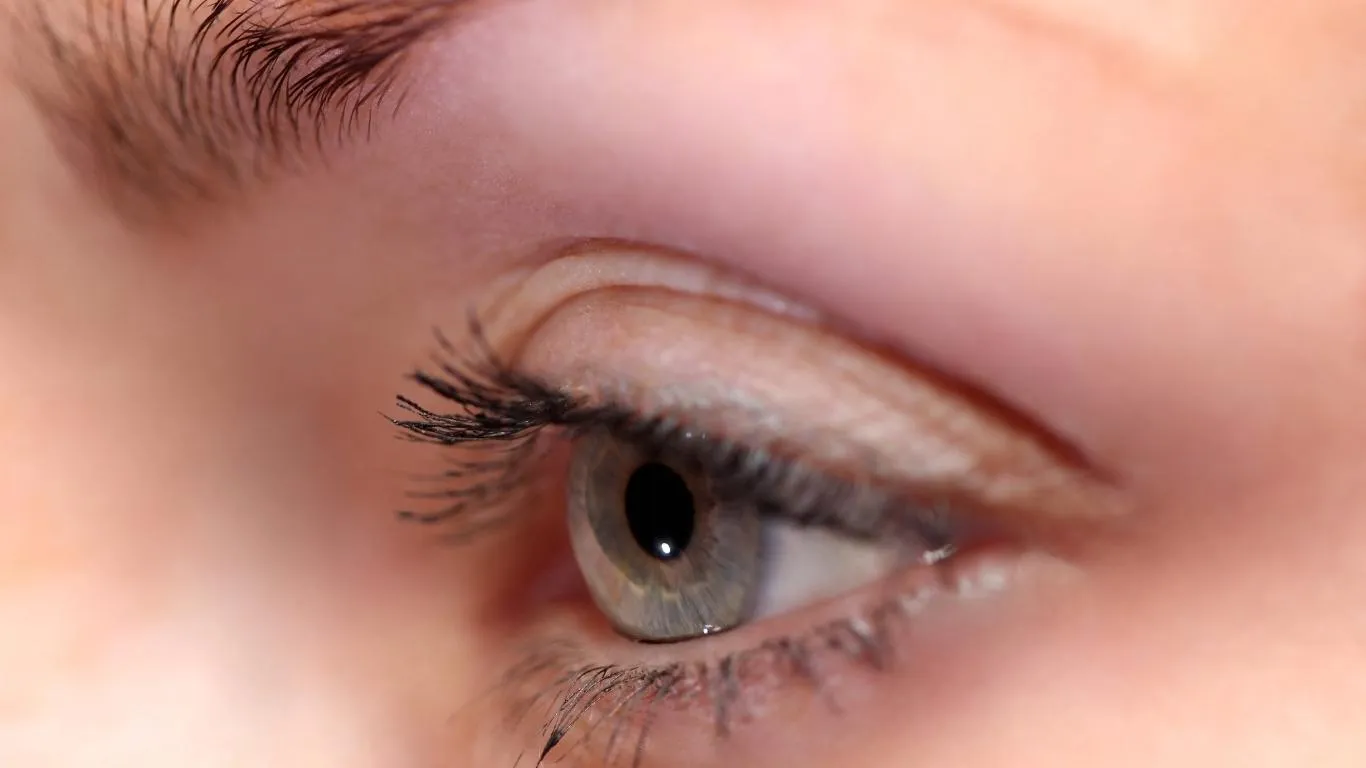
There’s such a thing as over-lubricating your eyes. I didn’t think it was possible until I started using gel-based drops five times a day. My eyes weren’t just foggy—they were magnifying floaters to the point I thought something was seriously wrong.
Turns out, post-surgery patients and people recovering from eye injuries also report worsened floaters with excessive moisture. Why? The thicker tear film acts almost like a magnifying glass over your natural lens. It’s temporary, but extremely noticeable.
Signs You’re Overdoing It
- Your eyes feel “wet” all the time
- Vision feels smeary or foggy
- Floaters appear darker or more solid
In these cases, scaling back and switching to lighter drops (or alternating with warm compresses) can make a world of difference.
Should You Switch Products?
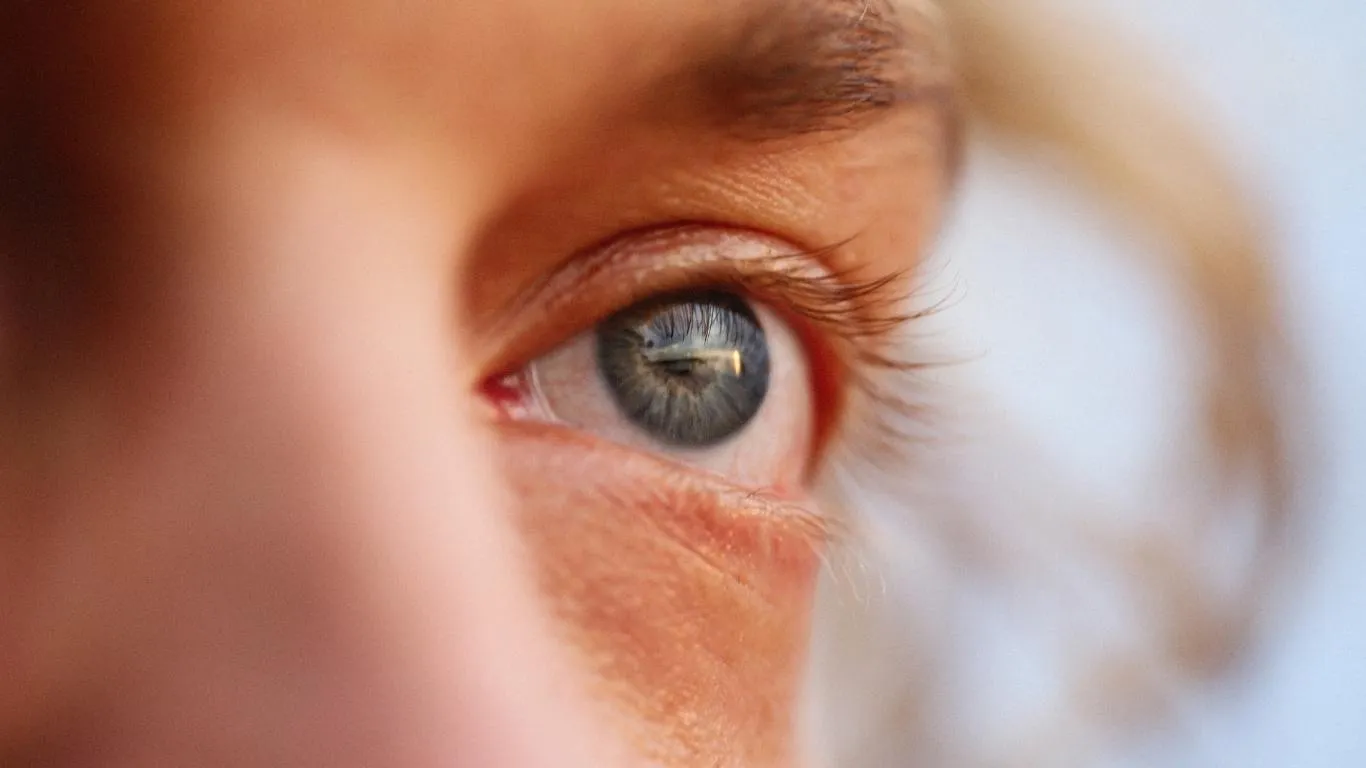
If floaters seem dramatically worse after certain eye drops, it might be worth testing a different formulation. Some people are more sensitive to specific preservatives or viscosities. I’ve had good luck with preservative-free drops from reputable brands like American Academy of Ophthalmology-recommended options.
If you’re trying to pinpoint culprits or find drop alternatives that won’t highlight floaters so aggressively, you’ll find this post helpful: Do certain eye drops worsen floaters?
When Floaters Feel Mentally Exhausting
Let’s be real: floaters can mess with your focus and even your mental health, especially when you’re doing everything “right”—hydrating, caring for your eyes, sleeping enough—and still they’re there, just floating around like they own the place.
I found comfort in knowing this wasn’t all in my head. Floaters can actually contribute to stress or low mood in some people, particularly when they show up during moments that are supposed to feel relaxing. If this sounds familiar, check out how floaters can affect mental clarity and what helps ease it.
Looking Deeper? Learn About Underlying Eye Changes

While floaters when eyes are heavily moisturized are usually harmless, they can sometimes be a hint at changes deeper inside the eye. If you’re dealing with other symptoms—light sensitivity, unusual motion, dark shadows—it might be time for a retinal check-up.
We explore how floaters can signal larger conditions like retinal detachment or PVD in our full guide on floater diagnosis and treatment.
For a full look into the causes of floaters (aging, injuries, medication, and more), see our causes of floaters breakdown.
And if you’re just getting started on this journey, don’t miss our foundational article on what floaters are and what you can do about them.

Camellia Wulansari is a dedicated Medical Assistant at a local clinic and a passionate health writer at Healthusias.com. With years of hands-on experience in patient care and a deep interest in preventive medicine, she bridges the gap between clinical knowledge and accessible health information. Camellia specializes in writing about digestive health, chronic conditions like GERD and hypertension, respiratory issues, and autoimmune diseases, aiming to empower readers with practical, easy-to-understand insights. When she’s not assisting patients or writing, you’ll find her enjoying quiet mornings with coffee and a medical journal in hand—or jamming to her favorite metal band, Lamb of God.