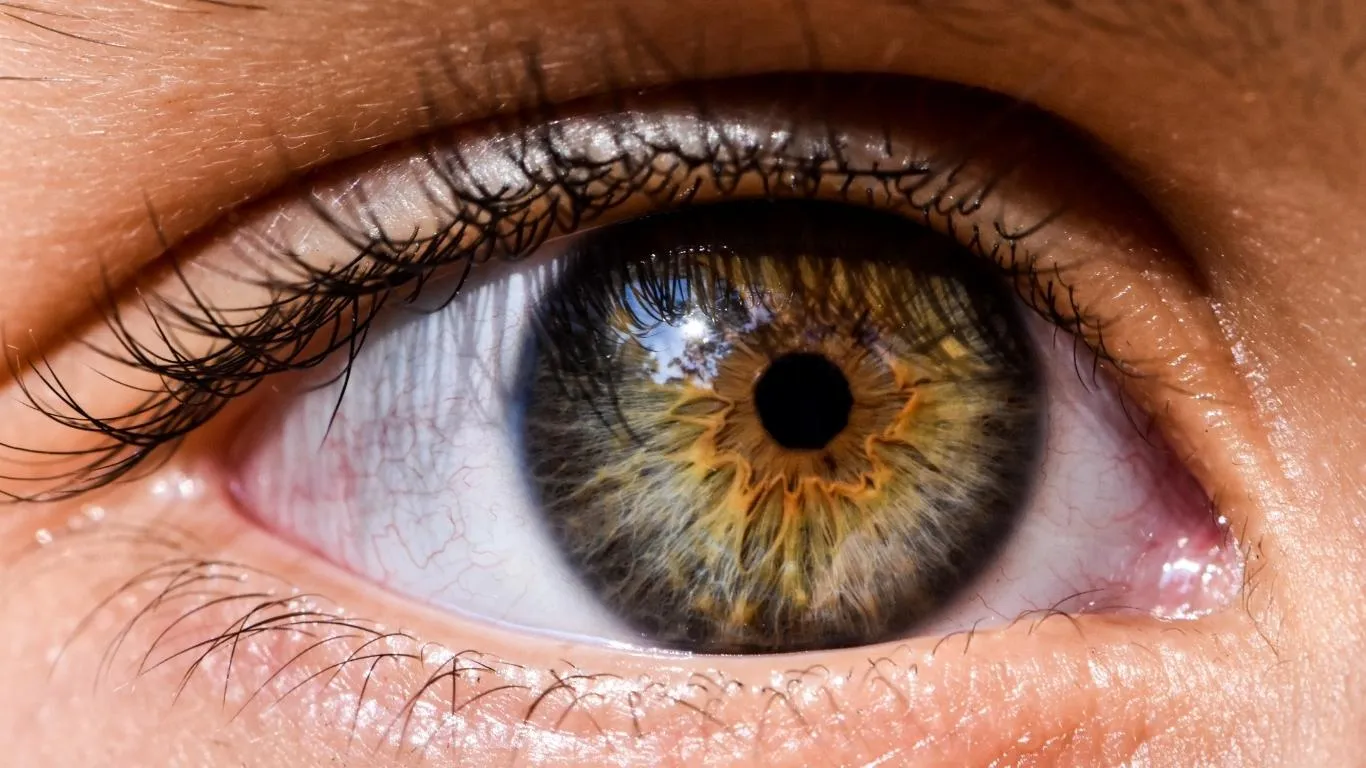
Why Floaters Appear Worse Under Colored Lighting
Ever noticed strange little specks or threads drifting around when you’re under certain types of colored lighting—like LED strips, neon signs, or ambient RGB lamps? I remember the first time I saw them while relaxing with a galaxy projector glowing blue and purple across my ceiling. I honestly thought there was something on my contact lenses. But nope—it was those annoying, often misunderstood things called eye floaters. And strangely enough, they only seem to show up when I’m under colored lights. Let’s break down why that happens, what it means, and how it might be a signal your eyes are giving you.
Why Do Floaters Become More Noticeable Under Colored Lighting?
It’s not your imagination—floaters can feel dramatically more obvious under certain lighting conditions. Colored lighting—especially soft purples, blues, or red-tinged LEDs—tends to amplify contrast inside the eye. Since floaters are tiny clumps of collagen or gel in the vitreous humor (the clear gel that fills your eye), they cast subtle shadows on the retina when light hits them just right.
That effect is heightened under saturated lighting because:
- Ambient color tones lack white spectrum intensity, making floaters more visible against darker backgrounds.
- Low-light, high-contrast settings (like a colored lamp in a dark room) enhance internal reflections and shadows.
- Colored LEDs often pulse or flicker at frequencies that your eye can’t consciously detect, but still respond to physiologically—making floaters more visually disruptive.
Does This Mean Something’s Wrong?
In most cases, no. Seeing floaters under colored lighting doesn’t mean there’s new damage or disease. It’s often just a perception issue. But here’s the catch—it can indicate that your vitreous is shifting more than it used to, or that your eye has become more sensitive to subtle internal debris.
I learned this the hard way. After a week of switching to LED lighting in my home office, I started noticing floaters that weren’t there before—or maybe they were, and I just couldn’t see them in regular daylight. That’s when I found out about how floaters often hide under certain lighting conditions.
Situations Where Colored Lighting Triggers Floaters
If you’ve caught yourself squinting at floaters while doing any of the following, you’re not alone:
- Watching TV with an RGB light strip behind the screen
- Reading on your phone in bed using night mode
- Sitting under mood lights during meditation or yoga
- Working late in rooms lit by purple or blue lamps
What’s happening here is a kind of visual trick. The reduced luminance in colored light conditions drops your retina’s threshold for contrast. In other words, floaters that might be invisible under daylight suddenly “pop” into view. This isn’t just theoretical—many people report floaters appearing during nighttime screen use or colored light settings.
Are Colored Lights Harmful to Eyes with Floaters?
Not directly, but they can make existing floaters more intrusive. The issue isn’t that colored lights are damaging your eye, but that they’re drawing your attention to what’s already there.
However, if you suddenly see a burst of new floaters after exposure to bright colored lights—or you’re dealing with other symptoms like flashes of light or blurred edges—this may be worth a closer look. Floaters paired with discharge or discomfort can sometimes point to more serious underlying issues.
Science Behind It: How Color and Light Frequency Affect Vitreous Floaters
Colored lights often use narrowband wavelengths—like red (around 650 nm) or blue (around 470 nm)—that behave differently than full-spectrum white light. These specific wavelengths can emphasize subtle shadows caused by floaters in a way white light doesn’t. It’s similar to how colored filters in photography can bring out dust on lenses that otherwise go unnoticed.
In floaters, the physics works like this:
- Shorter wavelengths (like violet or blue) are more likely to scatter inside the eye.
- Scattered light makes even small floaters look more pronounced.
- Your retina’s rods (used for low light) and cones (for color vision) respond differently under ambient color conditions, leading to heightened perception of debris.
Could It Be Something Else?
Here’s something I initially overlooked. What if what you’re seeing isn’t even floaters?
Some people confuse floaters with other visual disturbances like migraine auras or dry-eye related “static”. Colored lighting can trigger those too, especially when you’re tired or dehydrated. It’s also possible that screen fatigue or reduced blinking under digital lighting might simulate the feeling of floaters.
What You Can Do to Minimize Floaters Under Colored Lighting
Here are some simple, non-invasive ways to keep those little floaters from driving you nuts at night:
- Increase ambient brightness slightly—dim, colored light creates the perfect stage for floaters to dance across your vision.
- Use color temperature controls on smart bulbs to shift toward warm white in high-focus areas like reading nooks or desks.
- Hydrate regularly—even mild dehydration can make floaters worse, especially under artificial lighting. Here’s a great resource on dehydration and floaters worsening.
- Give your eyes breaks during long exposure to colored or screen lighting.
And if you’re wondering about eye health long-term, I highly recommend diving into this guide on what actually causes floaters to appear, especially if you’re seeing new ones more frequently.
For a complete breakdown of the main causes, symptoms, and treatment options, check the comprehensive guide here: What Are Eye Floaters?
By now, you’re probably wondering—okay, so floaters show up more under colored lights, but is there any way to actually deal with them beyond just coping? I used to think I had to just “learn to live with it,” especially during those cozy LED-lit movie nights. But the good news is there’s more you can do, and a lot of it involves subtle shifts in daily habits, lighting environments, and even eye care techniques.
What Makes Floaters Worse After Colored Light Exposure?
Let’s dig deeper. Colored lighting doesn’t cause floaters per se—but it can make existing ones more annoying. And if you’re noticing a worsening trend, that might mean your eyes are reacting to something else beneath the surface.
- Blue and purple light tones especially tend to make floaters more defined. These wavelengths are scattered more inside the eye and emphasize shadows.
- Poor lighting contrast—like a colored nightlight in a dark room—can make your retina work harder, increasing floater sensitivity.
- High screen time combined with color-heavy environments? That’s a recipe for increased floater visibility.
Personally, I’ve found floaters get significantly more noticeable for me when I work late on a backlit keyboard with RGB lighting. Switching back to neutral desk lighting helped a ton—plus I wasn’t as irritable from eye strain.
When Floaters Under Colored Light Might Be a Red Flag
Most floaters are harmless. But new floaters that suddenly appear in color-light environments might signal changes in the vitreous or retina that should be taken seriously.
If you’re seeing:
- Rapid increase in floaters, especially after viewing strong light colors
- Floaters paired with peripheral flashes of light
- Blurred or distorted side vision with colored glow effects
Then it’s time to pay attention. In some rare cases, this can be associated with retinal issues. For example, floaters appearing suddenly can precede a retinal tear. Colored lighting might just be revealing what’s been developing silently.
Simple Adjustments That Help Your Eyescope Adjust
If you’re not ready for drastic measures (I wasn’t either), here are some practical ways to make a big difference:
- Dim Smart: Don’t ditch your colored lights, just avoid using them as your sole source. Add a soft white bulb to balance.
- Warm It Up: Shift lighting to warm tones (2700K-3000K). They’re less likely to highlight floaters.
- Anti-reflective coatings on glasses help reduce internal reflections that exaggerate floaters under LEDs.
- Practice visual resets: Look at distant, natural light every 20 minutes to help your vitreous “settle.”
These changes made a real difference for me. I still use colored lighting—just smarter. It’s about the setup, not sacrifice.
Can Supplements Help Floaters Seem Less Annoying?
This one’s debated, but I gave it a try out of desperation. There are some emerging studies and anecdotal reports linking certain supplements to floaters relief, particularly those supporting collagen and eye fluid health.
The most talked-about ones include:
- Lutein and Zeaxanthin – Help filter blue light and support retina health
- Vitamin C – Important for collagen maintenance in the vitreous
- Magnesium – Some floaters may be worsened by deficiencies especially at night
- Omega-3 fatty acids – May help eye fluid clarity
Did they erase my floaters? No. But the frequency of how much I noticed them? That definitely dropped after a couple months of consistent intake.
When It Might Be Time to Talk to an Eye Specialist
If you’re past the point of lifestyle tweaks, it may be time to consider whether you need professional help. There are some advanced treatment options for floaters, though they aren’t for everyone.
The main ones include:
- Laser vitreolysis – A non-invasive laser treatment that breaks up floaters (not suitable for all floater types)
- Vitrectomy – A surgical option where the vitreous is replaced (effective but more invasive)
Check out this deeper dive on eye floater treatment paths to see what’s available based on your floater type and lifestyle needs.
And of course, don’t skip the basics. The main guide on eye floaters, causes and symptoms is a solid starting point if you’re still unsure about what you’re dealing with.
Better Lighting = Better Living (Even with Floaters)
Floaters don’t have to ruin your vibe. Whether it’s your LED mood lighting, your galaxy lamp, or your color-themed gaming setup—understanding how light impacts your visual field can help you tweak your environment instead of suffering through it. Once I started making lighting intentional instead of decorative-only, my floater awareness dropped dramatically. So yeah, colored lighting can make them worse. But now, I know how to stay in control—and so do you.

Camellia Wulansari is a dedicated Medical Assistant at a local clinic and a passionate health writer at Healthusias.com. With years of hands-on experience in patient care and a deep interest in preventive medicine, she bridges the gap between clinical knowledge and accessible health information. Camellia specializes in writing about digestive health, chronic conditions like GERD and hypertension, respiratory issues, and autoimmune diseases, aiming to empower readers with practical, easy-to-understand insights. When she’s not assisting patients or writing, you’ll find her enjoying quiet mornings with coffee and a medical journal in hand—or jamming to her favorite metal band, Lamb of God.