
Why Floaters Noticed When Lighting Incense Feel Worse and How to Fix It
It’s funny how something as simple as lighting incense can reveal things about your eyes you never paid attention to. The other day, I lit my favorite sandalwood stick, sat back to relax, and there they were — those annoying floaters dancing around in my vision, especially noticeable against the soft glow of the incense smoke. If you’ve noticed floaters becoming more prominent when lighting incense, trust me, you’re not imagining things. Let’s break down why this happens, what it might mean, and when you should pay closer attention.
Why Do Floaters Stand Out More When Lighting Incense?

Floaters are tiny clumps of collagen or cells inside the vitreous—the gel-like substance filling your eye. Normally, they drift around unnoticed, but certain lighting conditions can make them painfully obvious. Incense smoke creates a unique visual environment where light scattering and contrast make floaters pop out like unwelcome guests.
I’ve personally found that dimly lit rooms with a single glowing incense stick create the perfect storm. The way the smoke swirls and the light diffuses is almost like a spotlight on those floating specks. It’s a frustratingly common experience for many who use incense as part of their daily routine.
The Science of Light Scatter and Contrast
When you light incense, the combination of low ambient light and a bright, localized flame or ember increases the contrast between your floaters and what you’re seeing. The scattered light from the smoke particles acts like a magnifying glass for those vitreous floaters, making them appear more defined and bothersome.
It’s the same principle that explains why floaters become visible when you look at a bright sky or a blank wall. The only difference? Incense smoke adds a dynamic, moving background that makes those floaters dance in erratic, annoying patterns.
Could Floaters with Incense Lighting Signal Underlying Issues?
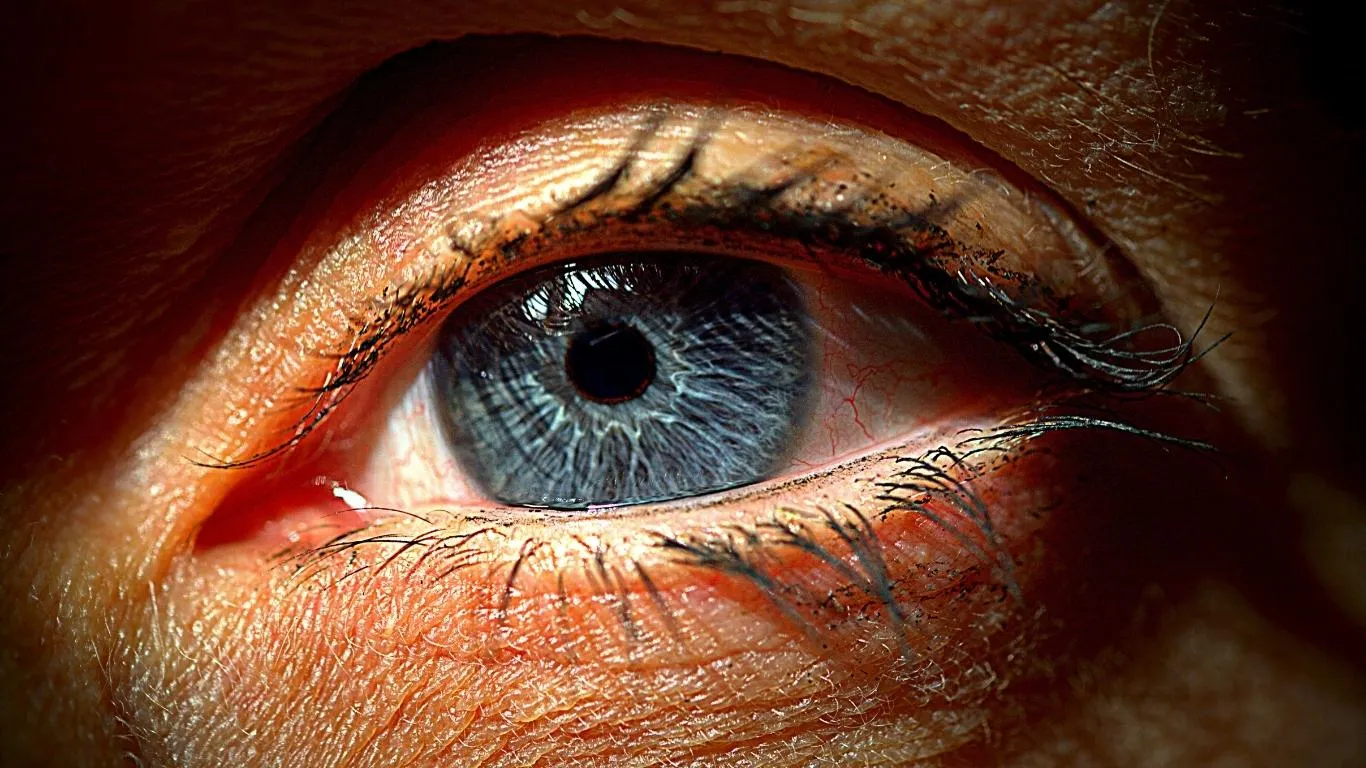
For most people, noticing floaters when lighting incense is harmless. However, it’s important not to dismiss them outright, especially if they’re a new phenomenon for you. While aging is the most common cause of floaters, sudden changes or an increase in frequency can be a red flag.
Conditions like retinal tears or posterior vitreous detachment (PVD) often present with an uptick in floater visibility. Although incense isn’t causing these issues, it can make existing floaters far more noticeable.
When Should You Worry?
- Sudden appearance of new floaters
- Floaters accompanied by flashes of light
- A shadow or curtain effect in your peripheral vision
- Floaters that worsen rapidly over a few days
If you’re noticing any of these symptoms, especially while lighting incense or in low-light settings, it’s a smart move to consult an ophthalmologist. Early detection can prevent complications, particularly with retinal health.
Personal Tricks That Helped Me Minimize Floater Distractions

Over time, I’ve figured out a few hacks that reduce how noticeable my floaters get during my incense-lit moments. No, they don’t eliminate floaters, but they certainly make them less irritating:
- Adjust Ambient Lighting: Adding a soft lamp in the background helps balance the light levels, reducing the stark contrast that makes floaters pop.
- Position Yourself Differently: Changing the angle of your seating relative to the light source and incense smoke can reduce how prominently floaters float into view.
- Eye Movement Exercises: Slow, controlled eye movements—like tracing large circles—help reposition floaters out of your central field of vision. I found this technique incredibly useful while meditating with incense.
If you’re curious about more ways to manage floaters without invasive treatments, check out this deep dive on natural floater management methods.
Can Certain Incense Ingredients Affect Eye Health?
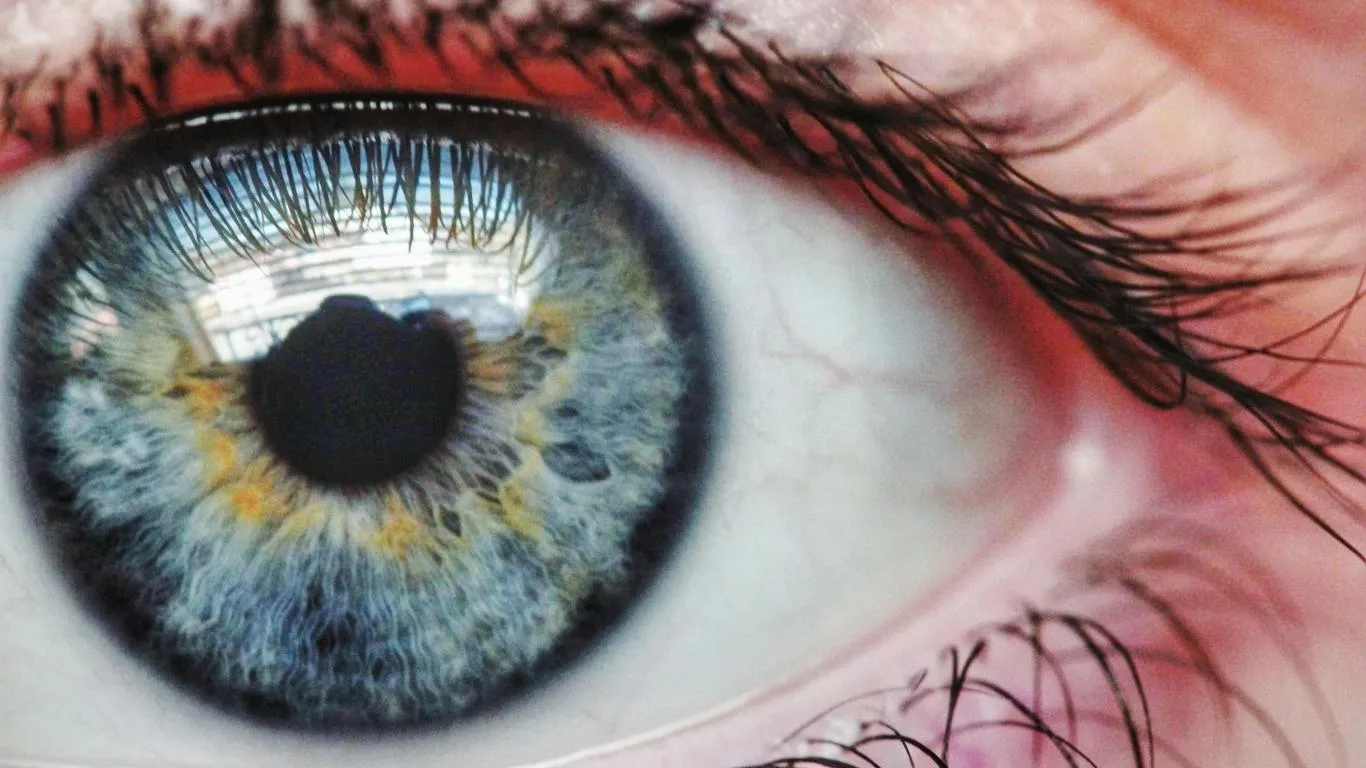
Interestingly, not all incense is created equal. Some ingredients used in lower-quality incense can release irritants that dry out your eyes or cause mild inflammation, exacerbating floater visibility. While there’s no direct evidence that incense causes floaters, prolonged exposure to smoky environments can impact ocular surface health, making floaters more irritating.
If you notice that your floaters seem worse after a lengthy incense session, it might be worth exploring purer, natural incense brands that use minimal additives. Also, staying well-hydrated and using lubricating eye drops can help minimize discomfort. More insights on floater triggers can be found here.
Related Conditions You Might Not Expect
In my experience, people often overlook how other subtle conditions can make floaters feel worse in specific scenarios like incense lighting. For example, if you have mild sinus pressure or are recovering from eye fatigue after long screen sessions, floaters can appear denser and more persistent.
What’s fascinating is how these environmental and physiological factors intertwine. Even something as seemingly minor as mild dehydration or allergies can alter your eye’s internal environment, making floaters stand out under certain lighting setups.
For a comprehensive understanding of floater causes beyond aging, I highly recommend reading this guide on common eye floater causes.
And if you want a broader overview of floaters, their causes, and professional treatment options, the detailed main guide here is a must-read.
Why Do Floaters Feel Worse in Calm, Meditative Moments?

Have you ever noticed that floaters seem to hijack your peaceful meditation sessions? I’ve experienced it too. You light an incense stick, close your eyes partially, and there they are—tiny specks and strands drifting by, pulling you out of your zen moment. It’s not just bad luck; there’s a reason behind it.
During quiet, focused moments like meditation or breathwork, your brain’s awareness heightens. Background distractions fade, and naturally, your attention turns inward, including what’s happening within your visual field. Floaters, which are always present, become the uninvited guests you can’t ignore. Interestingly, a similar phenomenon occurs when you first wake up in the morning light.
Is It Mental or Physical?
It’s a mix of both. Floaters are physical particles, but how intensely you perceive them often depends on your mental focus. Incense rituals—often involving dim lights and mindfulness—create the perfect environment where floaters steal the spotlight. The calmness amplifies your sensitivity to visual anomalies.
Personally, I’ve found that intentionally softening my gaze, almost like defocusing my eyes, helps in “blurring out” the floaters during meditation. It’s a small but effective trick that keeps my focus where it should be — on relaxation, not chasing specks.
How Lighting Conditions Influence Floater Movement

One of the quirks about floaters is how they respond to light intensity and direction. Incense lighting, often set in dim environments with a glowing tip or ember, produces a moving light source. This dynamic lighting subtly alters how shadows and light refract through the vitreous, making floaters appear to shift, dance, or even grow in size.
This phenomenon is similar to how floaters behave when you switch from screen time to paper reading. Check out this interesting breakdown on floater perception during focus shifts.
The Role of Eye Positioning
- Tilting your head slightly changes the angle of light entry, repositioning floaters.
- Looking slightly above the incense smoke often pushes floaters out of your direct vision.
- Rapid blinking, surprisingly, can sometimes “reset” floater placement temporarily.
These small adjustments don’t eliminate floaters, but they give you back control when incense lighting makes them overwhelming.
Could Smoke Irritation Make Floaters Worse?
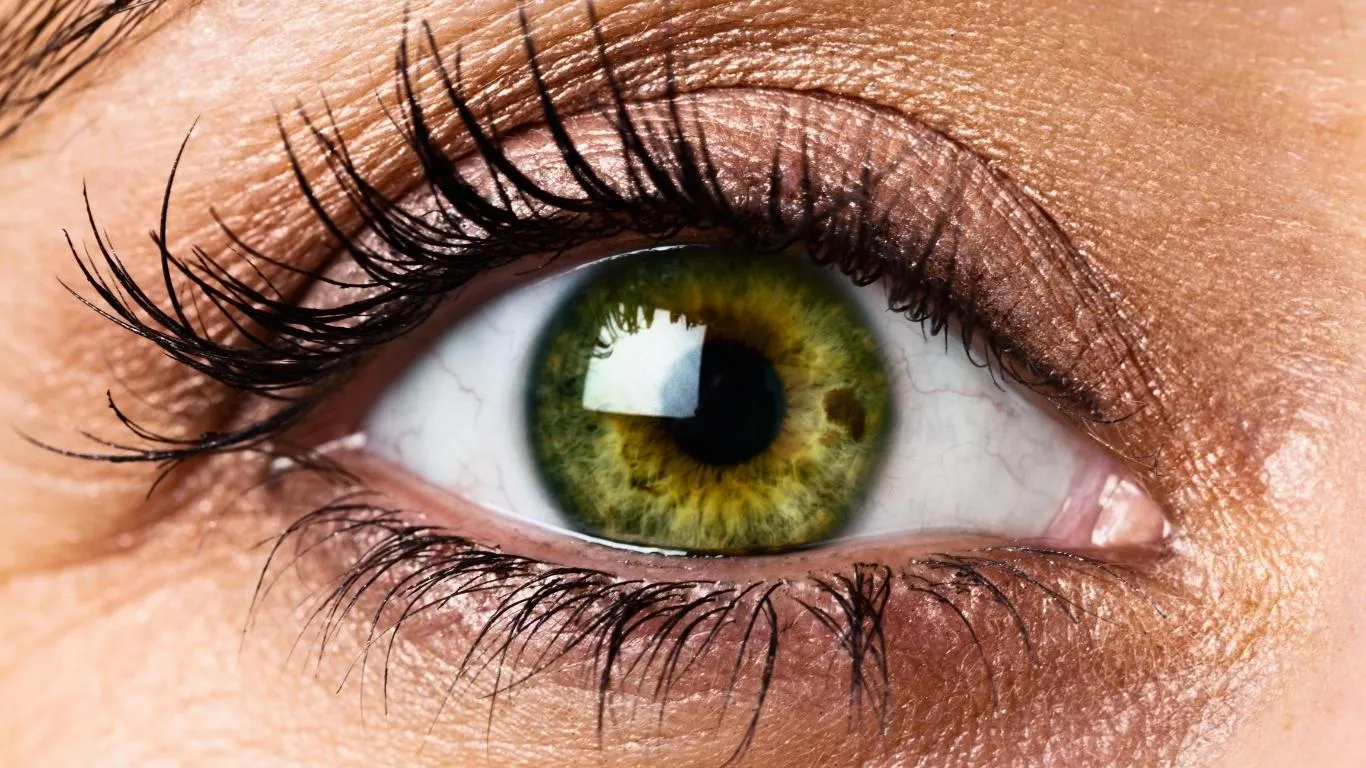
This is a tricky one. While floaters themselves are inside your eye’s vitreous, prolonged exposure to incense smoke, especially with poor ventilation, can cause mild ocular irritation. Dry eyes, for example, make the surface of your eye less stable, potentially enhancing light scatter that makes floaters more distracting.
There’s also anecdotal chatter about how inflammatory responses—triggered by smoke particles—might subtly change vitreous consistency, although hard scientific data is limited. However, practical experience shows that when my eyes feel dry or irritated after a long incense session, my floaters seem more vivid.
If you often experience discomfort, switching to natural, low-smoke incense blends and ensuring airflow in the room can make a noticeable difference. For more insights on environmental triggers, here’s a must-read article on visual conditions aggravated by light environments.
When Floaters and Lighting Scenarios Indicate Something Serious
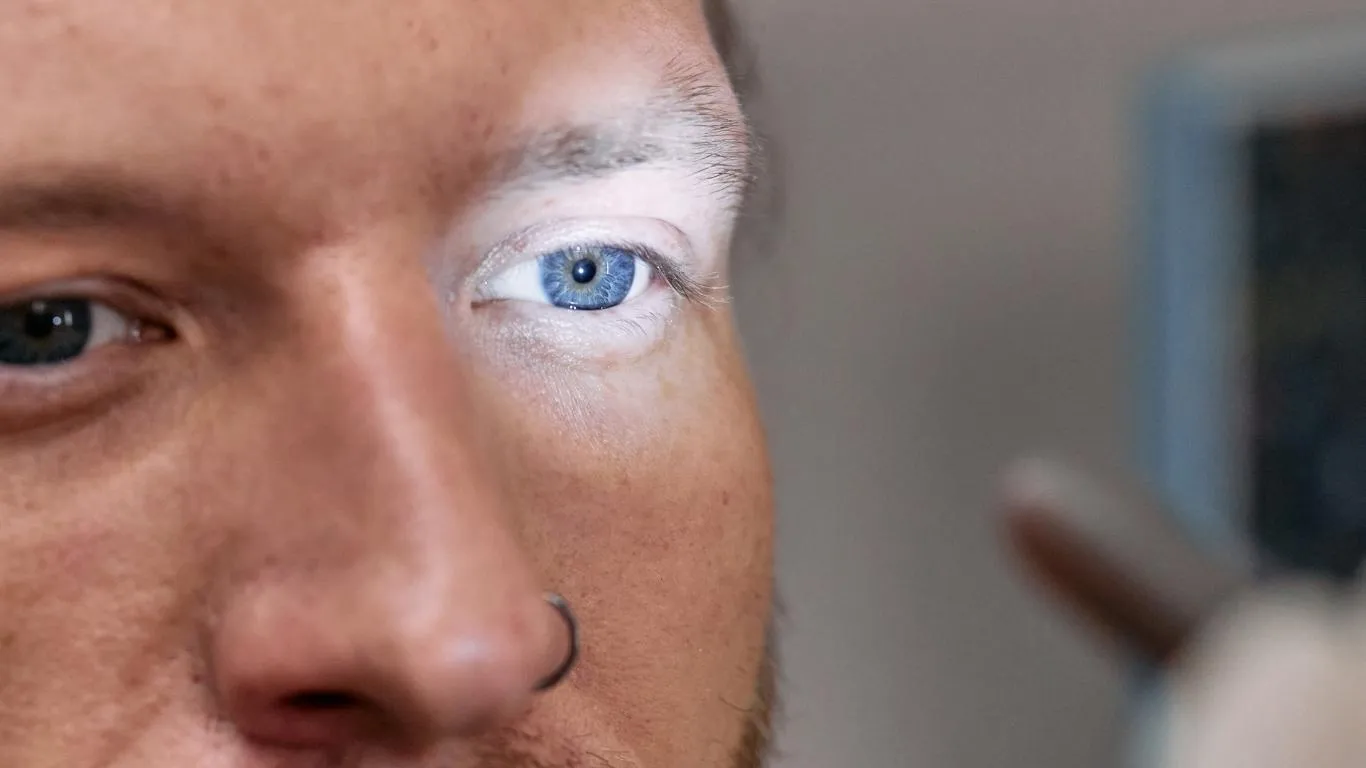
Floaters noticed during incense lighting are typically harmless, but there are situations where they’re your body’s way of waving a red flag. If you’re in your 40s or older, sudden bursts of floaters, especially after activities involving head tilts (like lighting incense on lower shelves), can indicate a posterior vitreous detachment. While not always dangerous, it needs medical evaluation.
Other red flags include:
- Floaters combined with light flashes in the periphery
- New floaters after intense coughing or sneezing bouts
- Floaters paired with vision dimming or loss in one sector
If any of these situations sound familiar, don’t delay a visit to an eye care professional. Learn more about these warning signs in this detailed resource on dangerous floater symptoms.
Can Eye Exercises Reduce Floater Distraction During Incense Rituals?

Eye exercises won’t eliminate floaters, but they can significantly help in shifting them out of your primary focus zone. I’ve integrated a few simple routines into my incense meditation, and while the floaters don’t disappear, they become far less bothersome:
- Side-to-Side Glides: Move your gaze gently from left to right. This slow movement shifts the vitreous gel, temporarily repositioning floaters.
- Figure-Eight Eye Movements: Visualize a large figure eight and trace it slowly with your eyes. This helps displace floaters from the central vision.
- Focus Switching: Alternate your focus between the incense stick tip and a distant object to reduce fixating on floaters.
For a comprehensive list of natural ways to manage floaters, don’t miss this insightful article on available floater treatment strategies.
Creating an Eye-Friendly Incense Ritual Space

Over time, I’ve fine-tuned my incense sessions to make them more eye-friendly and less floaters-intrusive. Here are a few practical tweaks you might find helpful:
- Ensure cross-ventilation to prevent smoke buildup.
- Use indirect ambient lighting to soften visual contrasts.
- Opt for high-quality incense with minimal additives and low smoke output.
- Incorporate frequent blinking exercises during your session to maintain tear film stability.
Combining these adjustments with mindful eye movements can transform your incense ritual from a floater-fest into a truly relaxing experience.
For those who are experiencing floaters not only during incense rituals but also after lighting exposure in daily activities, this detailed article on distinguishing floaters from other eye conditions is a fantastic read.
Lastly, if you’re looking to understand the bigger picture about floaters — from their causes to advanced treatment options — I’d recommend this comprehensive guide on eye floaters essentials.

Camellia Wulansari is a dedicated Medical Assistant at a local clinic and a passionate health writer at Healthusias.com. With years of hands-on experience in patient care and a deep interest in preventive medicine, she bridges the gap between clinical knowledge and accessible health information. Camellia specializes in writing about digestive health, chronic conditions like GERD and hypertension, respiratory issues, and autoimmune diseases, aiming to empower readers with practical, easy-to-understand insights. When she’s not assisting patients or writing, you’ll find her enjoying quiet mornings with coffee and a medical journal in hand—or jamming to her favorite metal band, Lamb of God.