Why Retinal Migraine in One Eye Can Disrupt Daily Vision
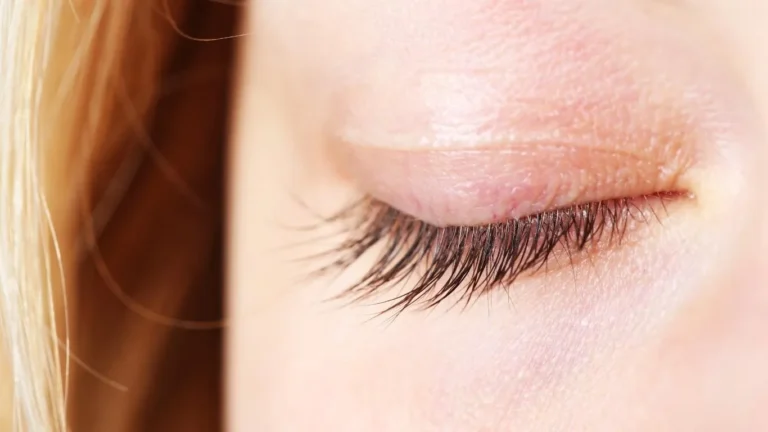
It hit me out of nowhere—a sudden dimming in one eye, like someone had pulled the blinds halfway down. No pain at first, just a weird, eerie blackout that lasted for about ten minutes. I was mid-sentence in a Zoom meeting, and everything else around me was fine, just that one eye decided to take a break. If you’ve ever experienced something similar, you’re not alone. This phenomenon is called a retinal migraine, and yes, it’s as peculiar as it sounds.
What Is a Retinal Migraine?
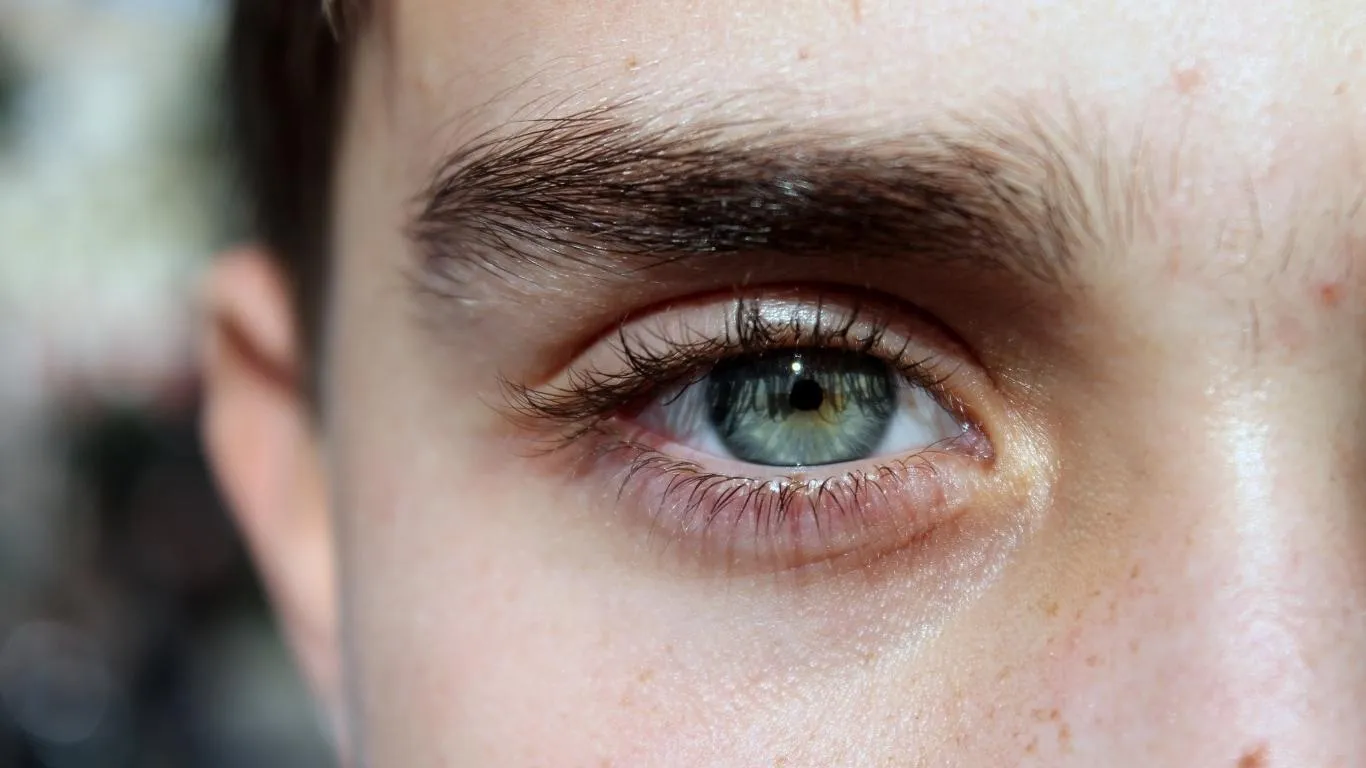
A retinal migraine is a rare form of migraine that causes temporary vision loss or disturbances in one eye. Unlike the more common visual aura that affects both eyes, this type exclusively involves one eye—usually the same one each time. It’s not just about flashes of light or zigzag patterns; we’re talking full or partial blindness that can last a few minutes to an hour, often followed by a classic migraine headache. Sometimes, though, there’s no headache at all, just the vision issues, which makes it easy to confuse with other eye conditions.
When I first experienced it, I genuinely thought it was a detached retina or something more severe. After a couple of repeat episodes, I started digging, and that’s when I discovered how specific and strange retinal migraines are.
Key Characteristics to Watch For
- Occurs in only one eye (not both)
- Temporary vision loss or blurring
- Can include visual disturbances like flashing lights or scotomas
- May or may not be followed by head pain
- Usually lasts under an hour
Here’s the trick: close one eye when it happens. If you still see the flashing lights or visual effects, it’s likely a migraine with aura. If everything looks fine when the affected eye is closed and the issue is only in one, that’s your clue it could be retinal.
What Triggers a Retinal Migraine?
Just like other migraine types, retinal migraines are often sparked by common culprits—some of which took me a while to connect the dots on. It’s not always just “stress” or “bad sleep.” There’s usually a pattern, and figuring out yours can be a game-changer.
Common Retinal Migraine Triggers
- Hormonal changes – Especially during menstruation or birth control changes.
- High stress levels – This one’s a no-brainer. Stress is like gasoline to a fire when it comes to migraines.
- Skipping meals – I used to think missing lunch was harmless—until the eye blackout followed by a pounding headache taught me otherwise.
- Dehydration – A subtle but serious offender.
- Bright or flickering lights – Ever sat in front of your laptop too long or been exposed to harsh sunlight without sunglasses?
- Strong smells or perfumes – One elevator ride with a cologne-heavy stranger was enough to trigger mine.
Interestingly, hormonal fluctuations are especially relevant in women. I noticed mine lined up with my cycle, a classic but often overlooked pattern.
How It’s Different from Other Migraine Types
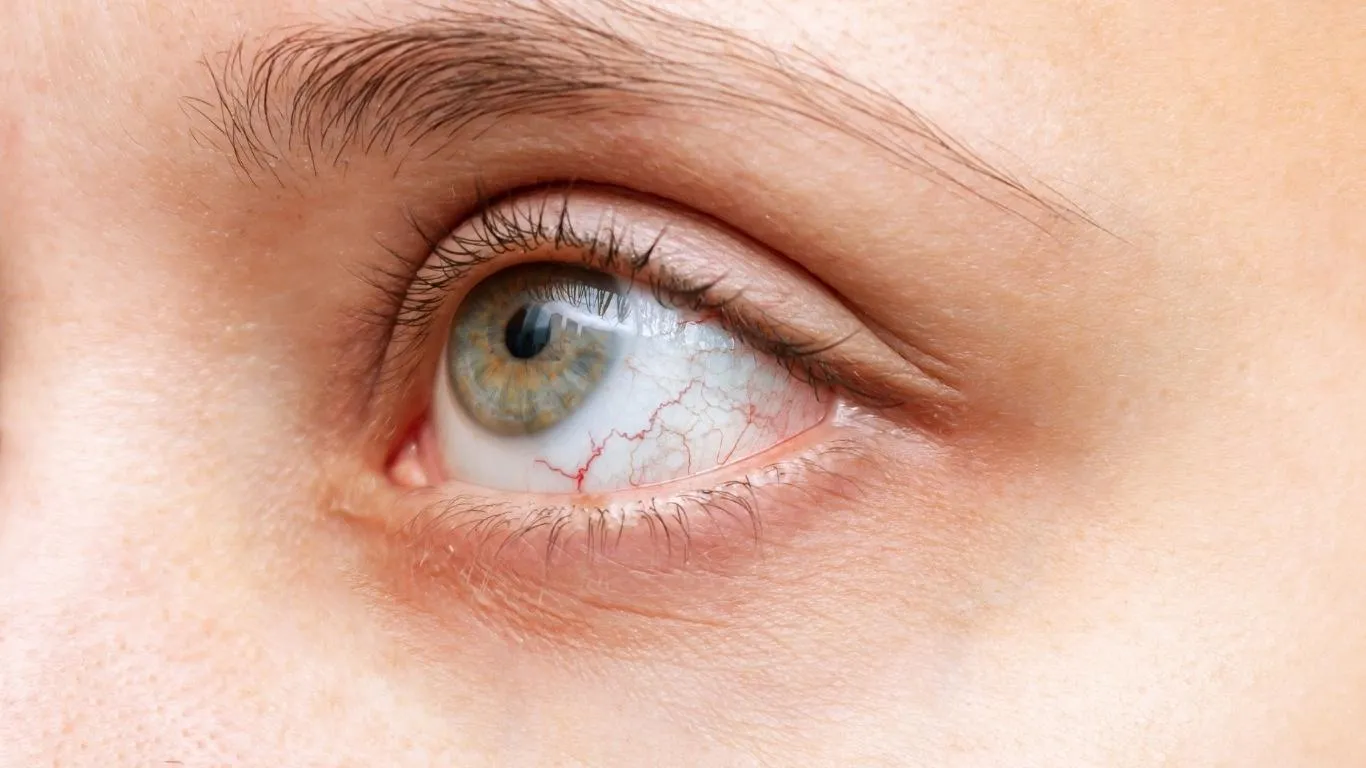
Retinal migraines are not the same as migraine with aura—even though they both mess with your vision. The key difference lies in the origin of the visual disturbance. Retinal migraines start in the eye (specifically the retina), while auras originate in the brain’s visual cortex.
Comparison Table
| Feature | Retinal Migraine | Migraine with Aura |
|---|---|---|
| Vision loss | One eye only | Both eyes |
| Visual effects | Blackout, flickering in one eye | Flashing lights, zigzags |
| Cause | Retinal blood flow changes | Brain electrical activity |
| Headache follow-up | May or may not occur | Usually follows |
Need a deeper dive? Check out symptom variations here to understand how your migraine type stacks up against others.
Should You Be Worried?
This is a question I asked my ophthalmologist after my second episode. Retinal migraines, while scary, are usually benign. But because they affect vision and blood flow to the retina, you should definitely get checked out. In rare cases, they may signal something more serious, like retinal artery spasms or underlying vascular issues.
If it’s your first time, don’t just assume it’s a migraine. Get it confirmed. There’s always a risk of misdiagnosis—like confusing it with blurry vision from other migraine types or even retinal detachment. Trust me, you don’t want to guess when it comes to your eyesight.
The diagnostic process may include:
- Ophthalmic examination
- Visual field testing
- Optical coherence tomography (OCT)
- Rule-out for vascular or neurological conditions
If you need a full guide, the diagnosis breakdown here is incredibly helpful.
Linked Migraine Conditions You Should Know
Retinal migraines can show up alongside other migraine disorders—especially those linked to hormonal changes, neurological triggers, or even eye-related factors. You might want to check out how these topics tie together:
- Vestibular migraines (dizziness-heavy types)
- Migraine with eye floaters
- Fasting-related migraines
More detail can be found in the understanding migraines guide, and if you’re just starting your journey into managing migraine chaos, the main migraine hub offers a full roadmap.
Managing Retinal Migraines: What Works and What’s Hype
The first time I brought up retinal migraines to my doctor, I expected some magic pill that would just zap it away. Turns out, managing these is more about lifestyle shifts and knowing your body than finding a miracle fix. That said, some treatments do work—especially if you find what’s triggering yours in the first place.
Preventive Treatment Options
If your retinal migraines are showing up more than once a month or impacting your quality of life (like missing work or not being able to drive), then prevention should be your main game plan. Your doctor might suggest:
- Beta-blockers – Typically used for high blood pressure, but they can help stabilize the vascular system to reduce frequency.
- Calcium channel blockers – Another option that supports healthy blood flow to the eyes and brain.
- Antiepileptic medications – Not as common, but helpful if your migraines are more neurologically intense.
In some cases, especially if hormones are the main suspect, adjusting your birth control method can make a noticeable difference.
Natural and At-Home Options
Let’s be honest—not everyone wants to jump straight into prescriptions. I didn’t. I first tried some simple adjustments, and a few of them really helped.
- Magnesium supplements – I noticed fewer episodes after consistently taking magnesium glycinate. Worth trying, especially if you’re often low on it.
- Hydration + regular meals – Sounds basic, but it’s often the foundation. Skipping meals was a guaranteed trigger for me.
- Blue light filters – If you’re on screens all day like I am, this is essential. My retinal migraines dropped after using customized screen settings.
Another tip? Try essential oils like peppermint or lavender during early symptoms. Some folks swear by yoga sessions focused on tension release. I didn’t think yoga would help until I did a 15-minute neck-focused flow—and my episodes became way less intense.
How to Track and Predict Episodes
What helped me more than any pill was pattern recognition. Migraines are weirdly predictable once you start logging them. I started keeping a migraine diary (pen and paper at first, then switched to an app). After three months, I could almost forecast an episode before it hit.
Useful Tracking Tools
- Migraine tracking apps – These can log time of day, duration, weather conditions, food, stress levels. Try this app list to get started.
- Wearables and smart devices – I didn’t expect my fitness tracker to be useful here, but it helped correlate low sleep and high stress with my episodes. The data doesn’t lie.
- Manual journaling – For people who hate tech. Just jot down your meals, mood, screen time, sleep, and stress daily. Even a few sentences go a long way.
Want a solid format? Here’s a great guide to building a useful migraine journal that doctors will actually look at.
Retinal Migraines and Everyday Life: Practical Adjustments
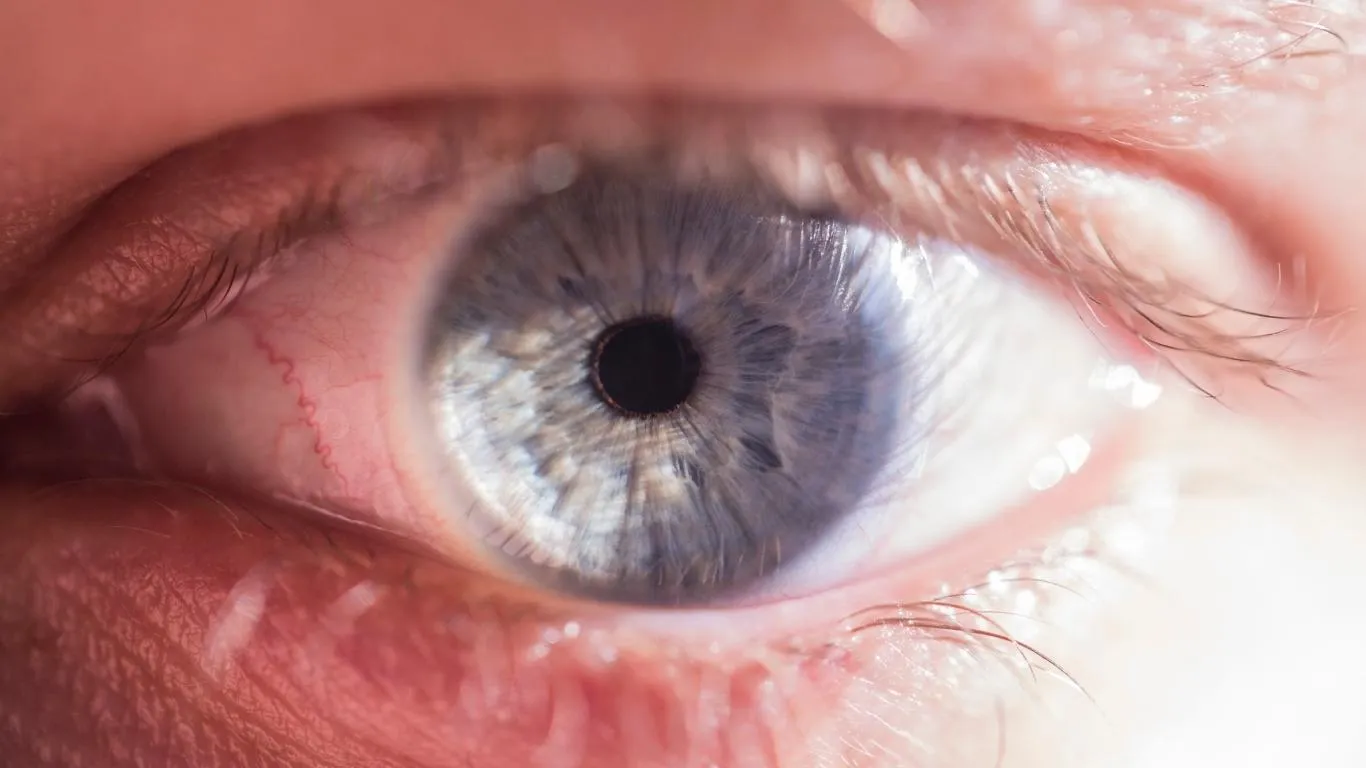
Retinal migraines aren’t just a health condition—they mess with your day. Driving becomes risky. Zoom meetings go blurry. Even reading can be anxiety-inducing. The good news? You don’t have to quit your life to manage them.
Helpful Everyday Adjustments
- Low-light screens and blue light glasses – I now keep a pair of blue light glasses in every room. Seriously.
- Stress check-ins – A quick mindfulness practice (I use a timer on my phone, 5 minutes daily) helps bring down my stress baseline.
- Backup plans – I’ve got my backup contact lenses, sunglasses, and hydration pack ready in my car and bag. Being ready removes anxiety.
Also, never underestimate the power of sleep. Poor sleep is a huge trigger. I now use a migraine-friendly pillow and track my sleep hours like a maniac.
Can Retinal Migraines Be Dangerous?

Here’s the truth: most retinal migraines aren’t dangerous. But they can indicate underlying vascular problems, especially if they happen frequently or last longer than usual. You should definitely get evaluated if:
- The vision loss lasts longer than an hour
- You have them frequently, or they’re getting worse
- There’s a family history of stroke or heart disease
Sometimes, people confuse these with optic neuritis or even a mini-stroke. A retinal migraine typically doesn’t leave permanent damage, but always play it safe and get it confirmed. Your eyes are too important to guess.
What helped me get peace of mind was learning how these differ from serious conditions. A solid read for that is this diagnosis guide that walks through the imaging and symptom comparisons in plain English.
Where to Learn More and Build Your Personal Plan
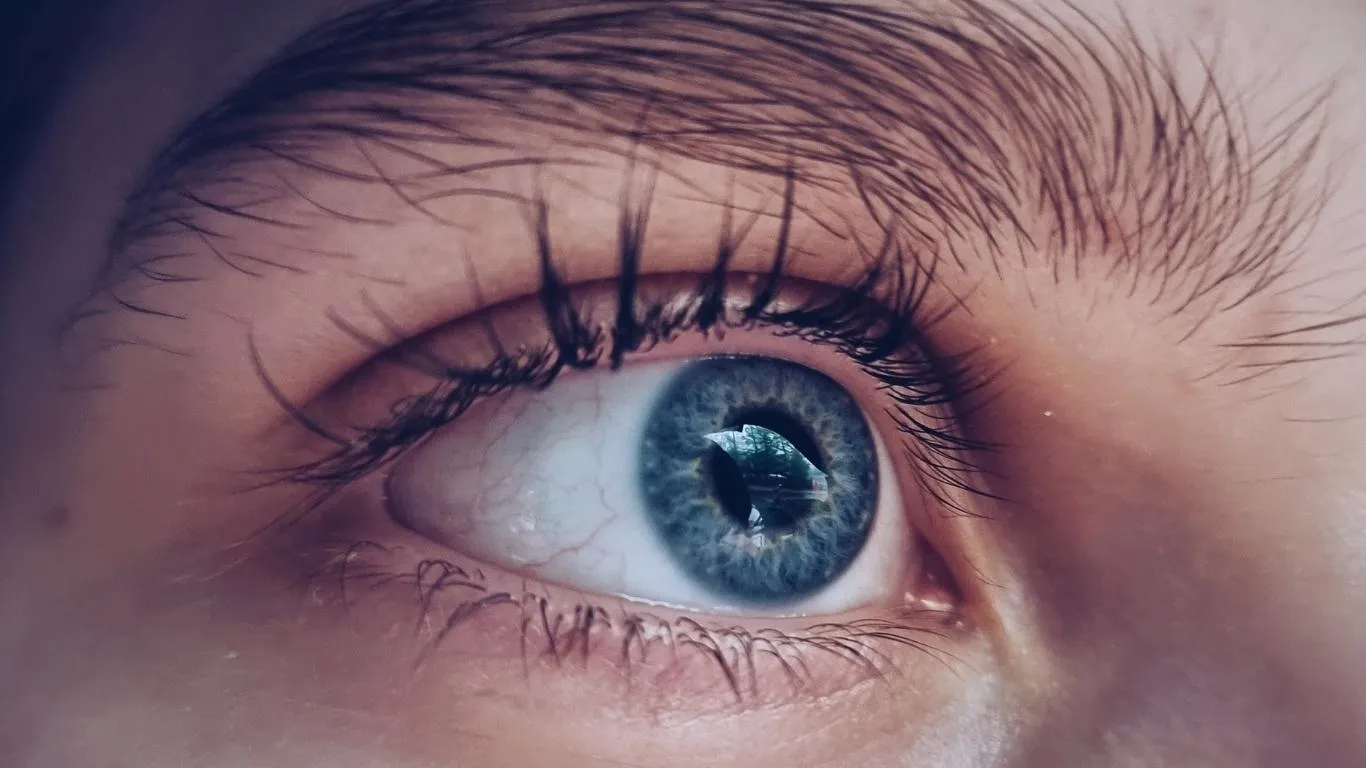
Living with retinal migraine doesn’t mean living in fear. Whether you’re just noticing symptoms or dealing with regular episodes, you’ve got tools. And you’re not alone—plenty of us are out here blinking through the blur, figuring it out day by day.
For a full picture on managing migraine life, the migraine treatment pillar covers medical and natural options in depth. And if you want a foundation on what makes these headaches so tricky, check out the main migraine hub for a guided overview.
Remember: one eye going dark might seem random—but when you know what to look for, it becomes a message you can work with, not just fear.

Bianca Nala is a compassionate Nurse Practitioner with a strong background in primary and respiratory care. As a health writer for Healthusias.com, she combines her clinical expertise with a talent for clear, relatable storytelling to help readers better understand their health. Bianca focuses on topics like asthma, COPD, chronic cough, and overall lung health, aiming to simplify complex medical topics without losing accuracy. Whether she’s treating patients or writing articles, Bianca is driven by a single goal: making quality healthcare knowledge accessible to everyone.