Why Floaters Triggered By Color Therapy Exposure Can Ruin Your Session
Ever noticed strange floating shapes after a color therapy session? You’re not alone. As someone who’s been fascinated by how colors affect mood and energy, I never expected they could also trigger those annoying eye floaters. But after a few vibrant light therapy appointments, I began seeing those translucent squiggles hovering in my vision. Turns out, “floaters triggered by color therapy exposure” is a real thing, and it’s more common than you’d think.
Why Color Therapy Exposure Can Trigger Eye Floaters
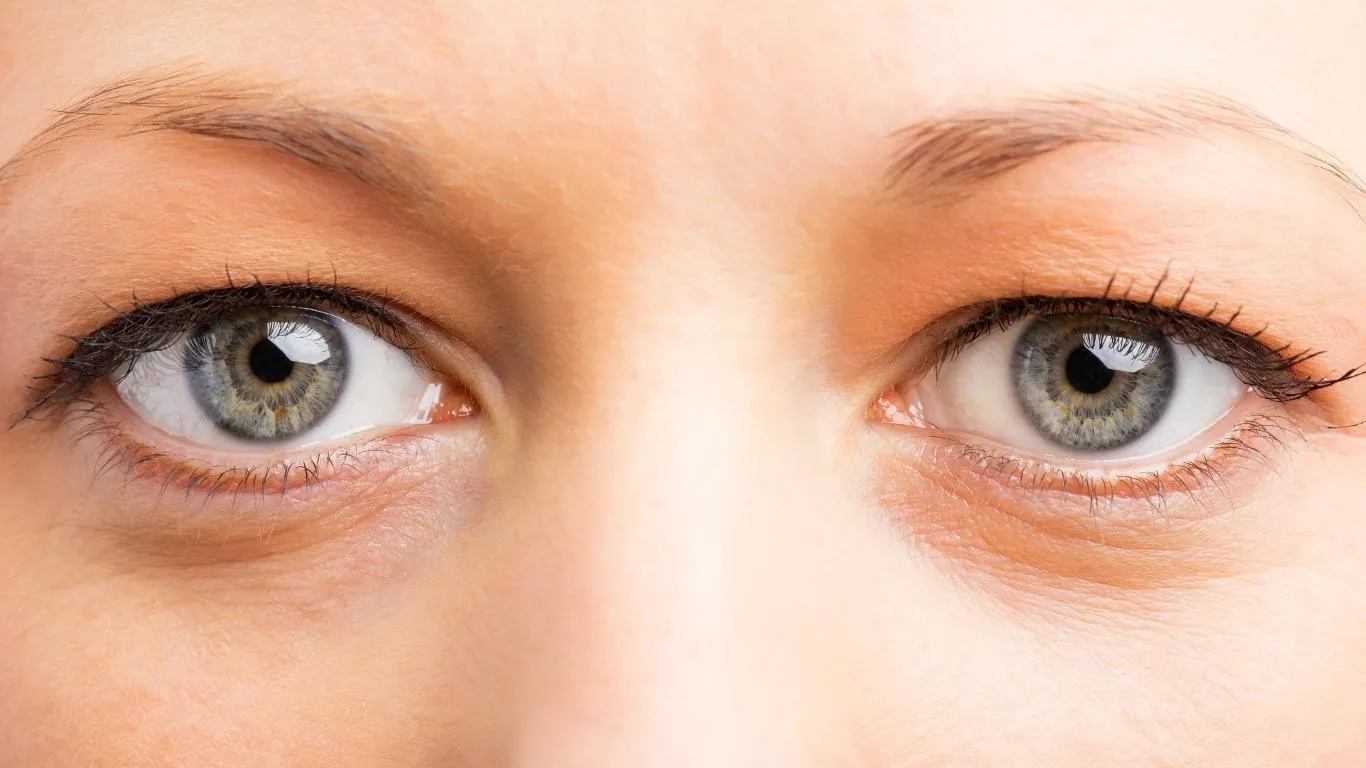
Color therapy, or chromotherapy, uses specific light wavelengths to influence physical and emotional wellbeing. While it’s been praised for easing anxiety and balancing energy fields, it can sometimes stir up unintended visual effects — namely, floaters. These floaters, which are tiny clumps of collagen drifting in your vitreous humor, become highly noticeable under intense or contrasting light environments, like those used in color therapy.
The Science Behind Light Wavelengths and Visual Perception
Here’s the kicker — not all light is perceived equally by our eyes. Shorter wavelengths like blue and violet are more likely to scatter inside the eye, especially if your vitreous gel isn’t as clear as it used to be. During a color therapy session, switching between deep hues and bright ambient light can make these floaters pop into visibility. It’s not the therapy itself causing new floaters, but the conditions making existing ones more noticeable. I learned this after a deep dive reading why bright light can amplify floaters.
Why Some People Are More Prone to Floaters After Chromotherapy
If you’ve had previous eye strain, mild vitreous syneresis, or even moments of dehydration, your chances of seeing floaters under colored lights increase. I personally noticed a spike after intense screen use, which made my vitreous a little more liquid-like. Eye floaters have a sneaky way of making themselves known when you’re bathed in color-shifting LEDs during therapy.
Common Symptoms You May Notice Post-Color Therapy Session
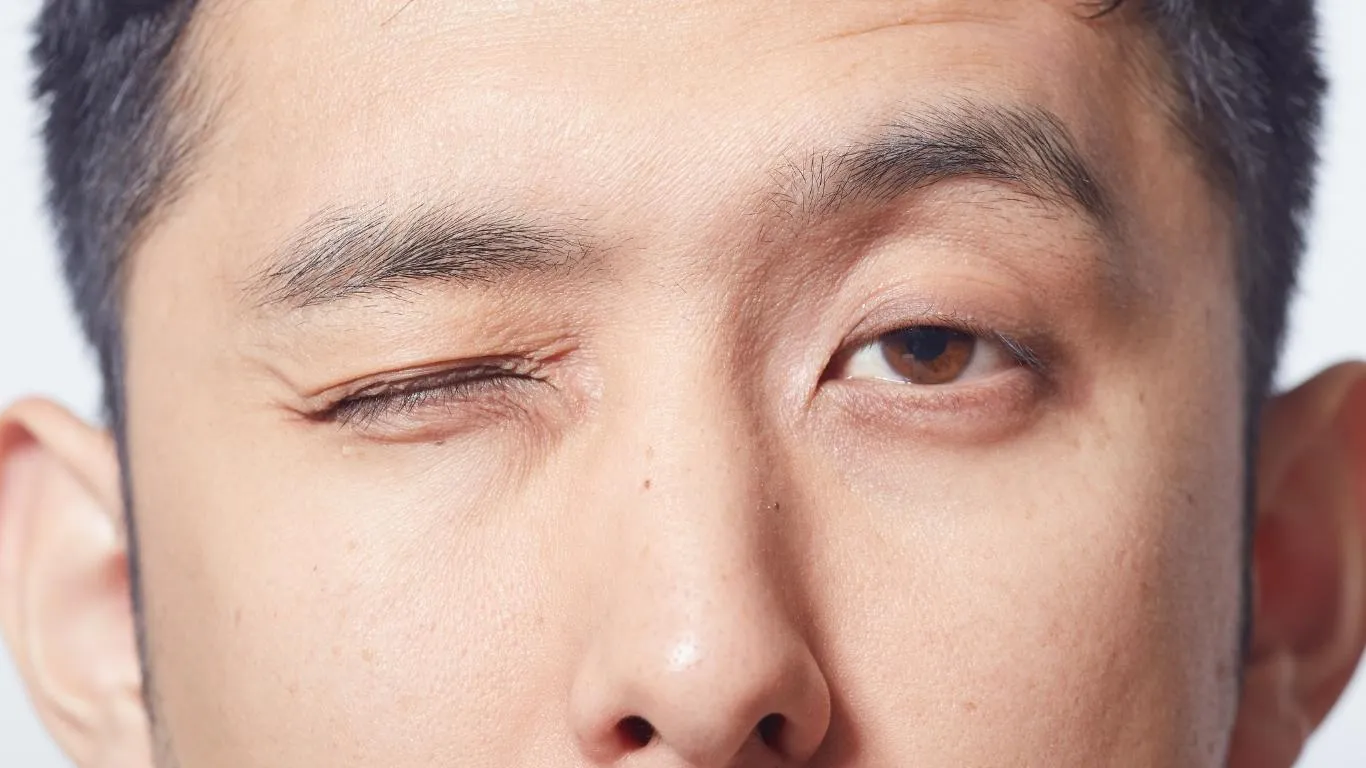
- Transparent squiggly lines floating across your field of vision
- Shadowy spots that drift when you move your eyes
- Increased floater visibility against brightly-lit colored backgrounds
- Temporary blurry patches after intense chromotherapy exposure
One particularly vivid experience I had was during a therapy session with alternating blue and red lights. The contrast between cool and warm wavelengths seemed to amplify every floater I didn’t know I had. If you’ve had a similar experience, it might not be your imagination. Studies have linked abrupt changes in light contrast to heightened floater visibility, especially in individuals with aging vitreous gel (source: American Academy of Ophthalmology).
Factors That Make Floaters Worse During Chromotherapy
- High-intensity LED Panels: The brighter and closer the light source, the more light scatter occurs within the eye.
- Contrasting Light Transitions: Rapid shifts between dark and vibrant hues can momentarily ‘highlight’ floaters.
- Eye Fatigue: Tired eyes from screen time or lack of sleep are more sensitive to visual disturbances like floaters.
- Age-related Vitreous Changes: As you hit your 30s and 40s, your eye’s vitreous humor starts to liquify, making floaters more apparent during sessions.
Color therapy practitioners often recommend soft transitions between colors, but not every session follows this. I once had a session where bright magentas quickly switched to deep indigos — that’s when my floaters started dancing across my view. For anyone in their 40s or above, this effect tends to be more pronounced. If you’re curious, here’s a useful read on why floaters become more noticeable in your 40s.
Is It a Sign of Something More Serious?
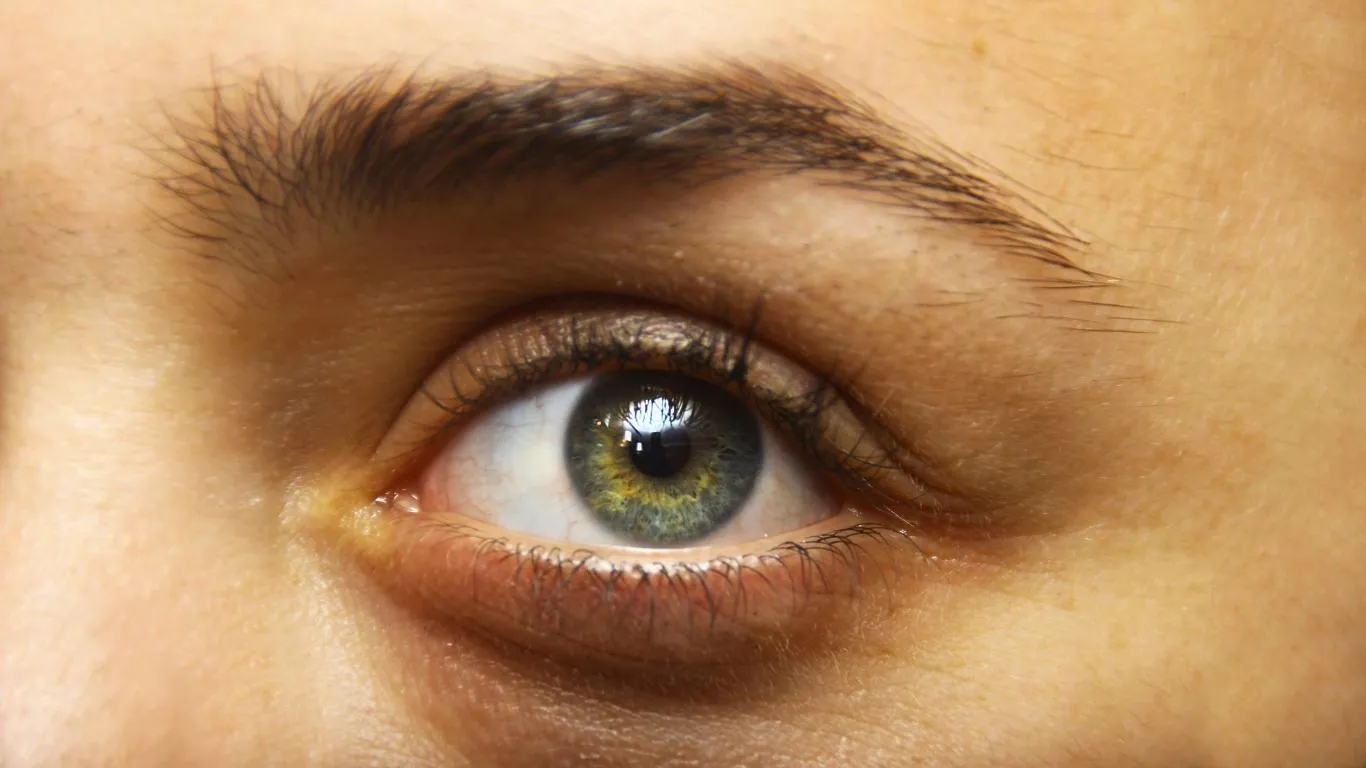
For most people, floaters seen during color therapy are harmless — just a byproduct of lighting and internal eye anatomy. However, if you suddenly see a burst of new floaters accompanied by flashes of light or peripheral vision loss, it’s time to get checked. These can be warning signs of posterior vitreous detachment or, in rarer cases, a retinal tear.
Color therapy itself isn’t harmful to eye structure, but it can reveal underlying issues. If you ever notice floaters after bright therapy sessions combined with eye discomfort, it might be worth exploring this deeper. You can read more about differentiating floaters from other vision problems here.
Simple Steps to Reduce Floater Distraction During Color Therapy
- Request Lower Intensity Settings: Ask your therapist to adjust LED brightness or use diffused lighting panels.
- Hydrate Before Sessions: Dehydration can alter vitreous consistency, making floaters more noticeable.
- Practice Eye Movements: Gentle side-to-side eye shifts can help floaters drift out of the central visual field.
- Adjust Session Timing: Opt for therapy during times when your eyes are rested, like mid-morning sessions.
I’ve personally found that being proactive about light settings and ensuring I’m well-hydrated dramatically reduces floater visibility during chromotherapy. It’s not about avoiding the therapy altogether — it’s about optimizing the environment for your eyes.
If you’re exploring the causes behind floaters in-depth, the Common Causes of Eye Floaters pillar article is a must-read. Also, for a full breakdown on floaters, treatments, and when to worry, visit our Eye Floaters Main Guide.
How Floaters React Differently to Specific Color Wavelengths
One thing I didn’t realize until experiencing it firsthand is that not all colors affect floaters the same way. During a color therapy session, red and blue lights seem to make floaters pop into my vision far more than softer greens or ambers. The reason? It’s all about how different wavelengths interact with the eye’s internal structures.
- Short Wavelengths (Blue/Violet): These are notorious for scattering within the eye, which can sharply highlight floaters, especially if the vitreous is less clear.
- Medium Wavelengths (Green/Yellow): Typically less intrusive, they create a softer contrast, making floaters less noticeable.
- Long Wavelengths (Red/Orange): Can cause floaters to appear more pronounced when juxtaposed with darker surroundings due to stark contrast.
I stumbled upon an in-depth article about how light sensitivity and floaters are often linked, especially after certain eye procedures. For example, people often report increased floaters post-LASIK, where light scattering becomes more evident — this explains it well.
Do Floaters Triggered by Color Therapy Fade Over Time?
Good news — for most of us, floaters that become visible during color therapy don’t stick around permanently. They’re always there floating in the vitreous, but our brain often tunes them out unless the lighting conditions force them into the spotlight. After repeated exposure, many people (myself included) report that their brain begins to “filter out” these distractions. This process is called neuroadaptation.
However, if you’re suddenly noticing an increase in floater activity that persists beyond sessions, it’s worth reading about potential triggers like dehydration-related floaters or underlying eye strain. Keeping your eyes lubricated and taking regular breaks from digital screens can make a world of difference in how intrusive floaters feel, even in therapy sessions.
When to Seek Medical Advice About Floaters Post-Chromotherapy
While floaters made visible during color therapy are usually harmless, there are certain red flags you shouldn’t ignore. Based on both personal experience and discussions with ophthalmologists, here’s when it’s smart to consult a professional:
- You notice a sudden explosion of floaters, like a “shower” of dark specks.
- Floaters are accompanied by bright flashes of light, even in dim rooms.
- There’s a shadow or curtain-like effect creeping into your peripheral vision.
- Persistent discomfort or ache in the back of the eye during or after therapy.
These could signal a posterior vitreous detachment or something more serious like a retinal tear. I found this resource invaluable when I was panicking over whether my sudden floater burst after a color therapy session was serious — thankfully, it wasn’t, but better safe than sorry.
Natural Ways to Minimize Floater Visibility After Therapy Sessions
Over time, I’ve experimented with various techniques to reduce how much floaters interrupt my post-therapy relaxation. Here are a few strategies that have genuinely helped:
- Eye Exercises: Simple slow circular eye movements help shift floaters out of your central vision field. Here’s a guide that actually works.
- Hydration Boost: Increasing my water intake a few hours before sessions made a visible difference. Hydrated vitreous gel tends to keep floaters less mobile.
- Proper Lighting Adjustments: Asking for softer, diffused lighting instead of direct, sharp LEDs can dramatically reduce floater visibility during chromotherapy.
- Mindful Eye Resting: After therapy, spending a few quiet minutes in a softly lit room gives your eyes time to adjust and “filter out” floaters.
I’ve also experimented with nutrition, focusing on foods rich in lutein and zeaxanthin. These nutrients, commonly found in leafy greens and egg yolks, are believed to support overall vitreous and retinal health. The science isn’t definitive yet, but my floaters have been less bothersome since making these dietary tweaks (reference: NIH studies on lutein and vision health).
Does Screen Time Make Floaters Worse After Color Therapy?
One thing that caught me off guard was how much screen time exacerbated my floaters after a color therapy session. The stark contrast of white text on dark backgrounds or vice versa made every floater impossible to ignore. Turns out, this isn’t just anecdotal. Prolonged exposure to digital screens can cause eye fatigue, making the vitreous gel’s tiny imperfections — i.e., floaters — far more prominent.
To minimize this, I’ve started using blue light filter glasses and making sure to follow the 20-20-20 rule (every 20 minutes, look at something 20 feet away for 20 seconds). If you want to explore how screen habits might be affecting your floater visibility, this piece on screen time’s impact on floaters is a great resource.
Can Color Therapy Be Adjusted for People with Sensitive Eyes?
Absolutely. A good practitioner will be more than willing to tweak the settings for your comfort. During one of my recent sessions, I mentioned my sensitivity to rapid color transitions and bright lights. The therapist adjusted the program to use gentler gradients and softer hues — think pastel blues and soft pinks rather than harsh primary colors. The result? Floaters were still there but far less intrusive.
It’s all about communication. Most therapists are unaware how disruptive floaters can be for some clients. Being proactive about it can lead to a much more pleasant and beneficial session. For those curious about whether certain eye drops might help reduce floater distraction post-therapy, this article on eye drops for floaters dives into what works and what doesn’t.
Bringing It All Together

While floaters triggered by color therapy exposure can be an unexpected annoyance, they’re rarely a cause for alarm. Understanding the “why” behind their appearance — from light wavelengths to vitreous consistency — can empower you to take simple, effective steps to minimize their impact. And if you’re as obsessed with finding natural floater management strategies as I am, you’ll find this pillar guide on natural floater remedies eye-opening (pun intended).
For a comprehensive look at everything floaters — from causes to treatments — be sure to bookmark our main floater guide. It’s the resource I wish I had when those floaters first started showing up in those technicolor therapy rooms.

Camellia Wulansari is a dedicated Medical Assistant at a local clinic and a passionate health writer at Healthusias.com. With years of hands-on experience in patient care and a deep interest in preventive medicine, she bridges the gap between clinical knowledge and accessible health information. Camellia specializes in writing about digestive health, chronic conditions like GERD and hypertension, respiratory issues, and autoimmune diseases, aiming to empower readers with practical, easy-to-understand insights. When she’s not assisting patients or writing, you’ll find her enjoying quiet mornings with coffee and a medical journal in hand—or jamming to her favorite metal band, Lamb of God.