Why Floaters Become More Visible After Watching Slow Cinema
Ever sat through a visually stunning, slow-paced movie and noticed those tiny, drifting specks or threads moving across your vision the moment you blink or shift your gaze? You’re not alone. I remember watching a long, atmospheric art film last weekend, and while the cinematography was breathtaking, my eyes were distracted by these annoying little floaters dancing around, especially during those quiet, minimalistic scenes. It got me curious—why do floaters become so visible after watching slow cinema? Turns out, there’s more science (and a little personal eye strain) behind it than I thought.
Why Floaters Are More Noticeable After Watching Slow Cinema
Floaters, those shadowy specks or cobweb-like strands, are tiny clumps of collagen inside the vitreous—the gel-like substance filling your eyeball. They’re perfectly normal, but under specific lighting or visual conditions, they become more prominent. Slow cinema, with its prolonged static shots, high-contrast lighting, and minimal on-screen movement, sets up the perfect scenario for floaters to hijack your visual focus.
During slower-paced films, especially those shot with long takes and muted motion, your eyes aren’t chasing rapid scene changes. Instead, they’re fixated on subtle visuals, which makes you hyper-aware of anything floating across your field of vision—yep, including those floaters.
The Role of Screen Brightness and Eye Contrast
High-contrast scenes, common in slow cinema, often amplify the visibility of floaters. When you’re watching a character stand still against a bright white wall or an expansive sky, floaters drift into focus because the uniform backgrounds give them nowhere to hide. Your retina gets exposed to a consistent light level, making any minor obstruction in the vitreous stand out.
Reduced Blink Rate and Eye Fatigue
Another sneaky culprit is reduced blinking. It’s easy to get so absorbed in a beautifully crafted scene that you forget to blink. Prolonged staring dries out the eye surface, increasing the prominence of floaters. Dry eyes refract light differently, making vitreous floaters more noticeable against luminous screen backgrounds.
- Long, uninterrupted shots reduce blinking frequency
- Dryness exaggerates visual disturbances like floaters
- Eye strain heightens floater perception post-viewing
In fact, excessive screen time in dim environments can exacerbate the issue. According to this guide on screen-time induced floaters, digital device usage creates a similar effect—but slow cinema intensifies it by design.
Understanding How Visual Focus Triggers Floater Awareness
When watching slow, detail-heavy films, you tend to maintain a narrow focus. Unlike fast-paced action sequences where your eyes constantly adjust, slow cinema demands visual patience. This “stillness” in your gaze is precisely what allows floaters to drift into focus. I noticed it myself during a particular slow zoom scene—the more I focused on the subtle movement, the clearer my floaters became.
Accommodation Lock: Why Staring Enhances Floaters
Visual accommodation is the process where your eye lens adjusts to maintain a clear image as distances change. In slow cinema, you rarely shift this focus. This static accommodation, or “focus lock,” prevents your eyes from naturally shifting, making floaters more persistent in your line of sight.
- Prolonged single-point focus decreases micro eye movements
- Floaters stay within central vision longer
- Your brain becomes hyper-aware of visual obstructions
If you’re someone dealing with floaters after phone use in dim light, you’ll find slow cinema produces a strikingly similar effect on your visual comfort.
Lighting Environment Inside Theaters or Home Setups
Whether you’re in a dimly lit theater or watching at home with the lights off, ambient lighting significantly affects floater visibility. Soft or indirect lighting reduces the amount of background contrast your eyes have to work with, but paradoxically, it also makes floaters more pronounced when the screen itself is the primary light source.
Why Theater Light Conditions Are a Perfect Floater Amplifier
Movie theaters optimize for minimal light distraction, which helps with immersion but unfortunately does nothing for those battling floaters. The contrast between the dark surroundings and a bright screen creates an ideal environment for floaters to stand out, especially during static or bright scenes. You can learn more about how light and eye floaters interact from this detailed exploration.
Floaters After Watching Extended Minimalist Sequences
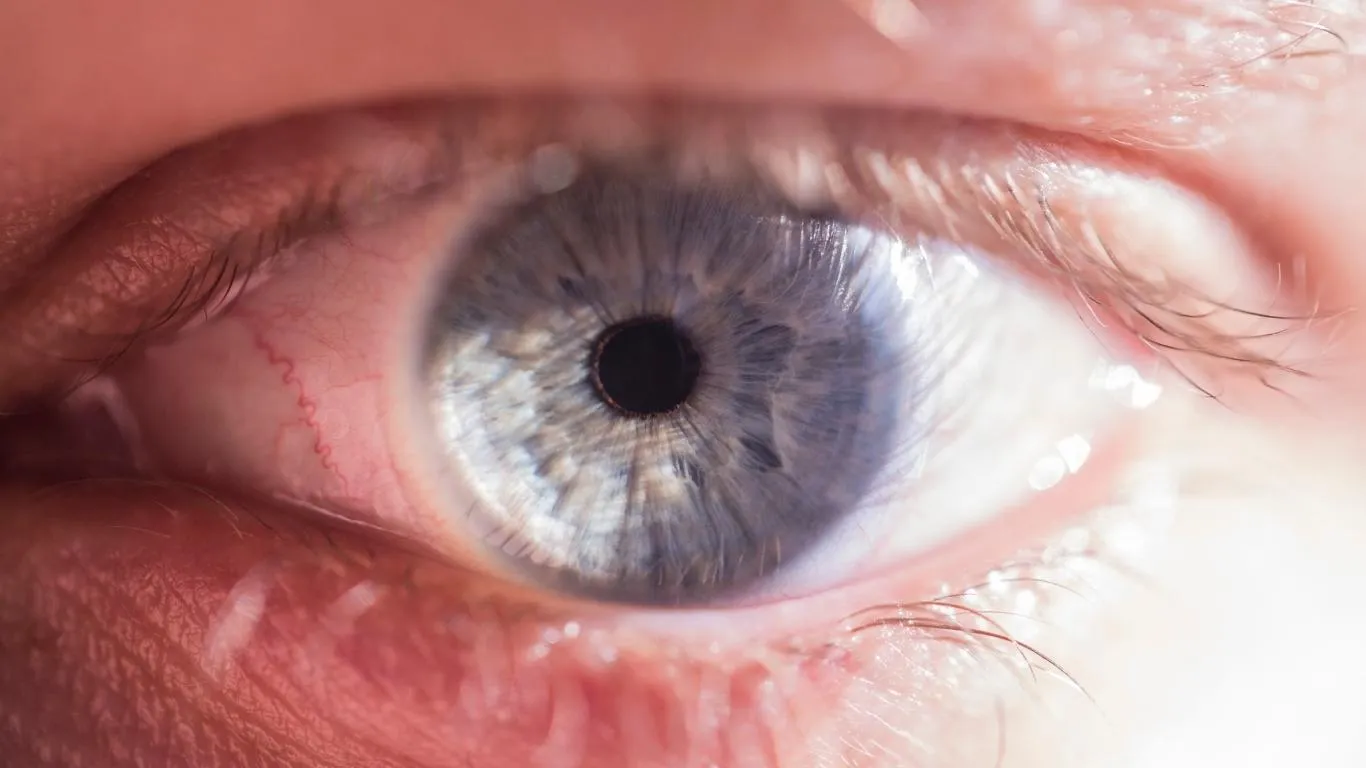
Slow cinema often indulges in extended minimalist sequences where movement is sparse, dialogue is absent, and your visual attention is anchored to subtle shifts. While artistically powerful, these sequences are notorious for amplifying floater awareness.
Many viewers (myself included) report that floaters seem to “linger” longer after such scenes, especially when your eyes attempt to relax post-film. This phenomenon is known as post-cinematic floaters—a temporary condition where visual debris becomes hyper-noticeable due to ocular fatigue combined with mental visual aftereffects.
If you’re experiencing persistent floaters after watching such films, it might be worthwhile to read this comparison between floaters and other vision issues to ensure it’s not something more concerning.
Is There a Link Between Eye Health and Slow Cinema-induced Floaters?
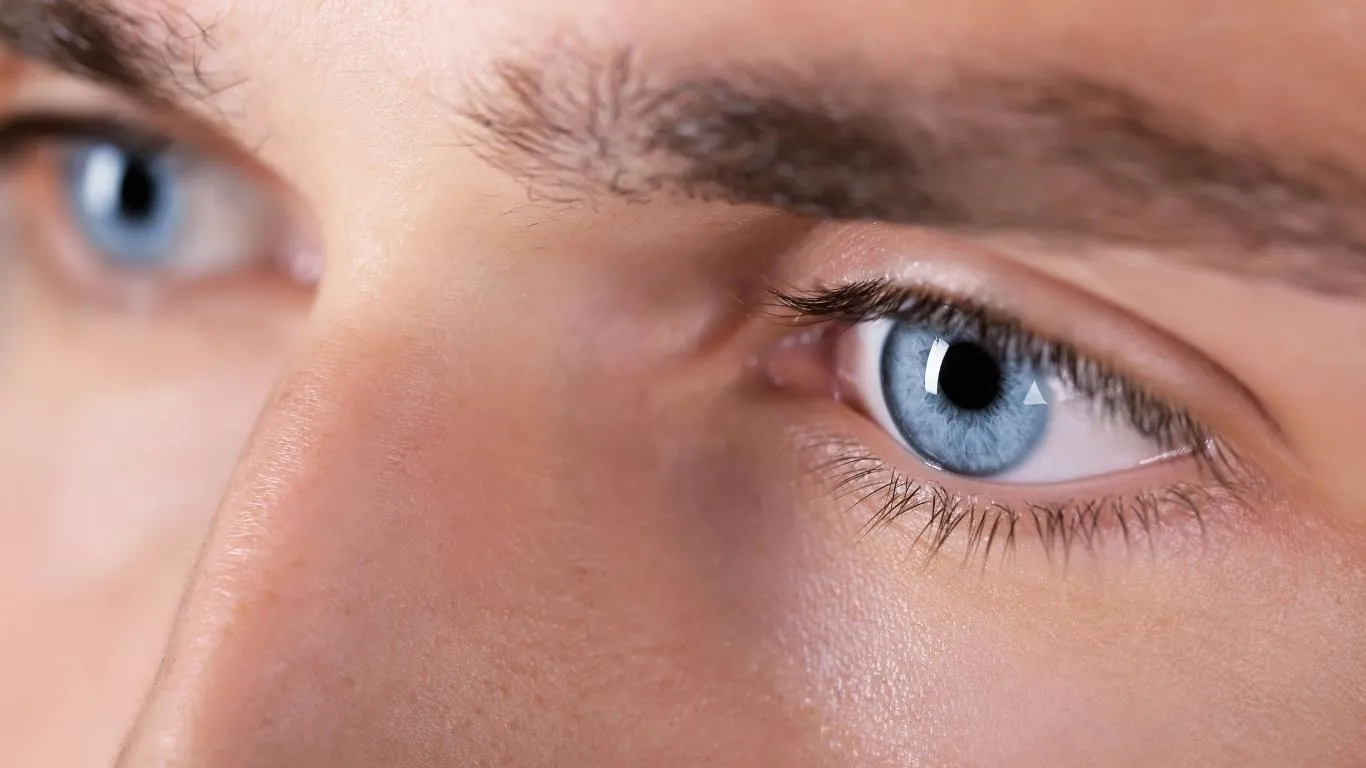
While floaters are mostly harmless, their sudden prominence during or after watching slow cinema could indicate underlying eye conditions that warrant professional evaluation. Issues like posterior vitreous detachment (PVD) or early-stage retinal concerns can make floaters more frequent and noticeable during visual tasks that involve prolonged focus and high contrast environments.
Here’s an excellent breakdown of PVD and its relation to floaters for a deeper dive into this topic.
For a complete overview of causes and management options, I highly recommend checking out the main pillar article on Eye Floaters.
Eye Movements Post-Film: Why Floaters Linger After Screen Time
Ever noticed how floaters seem even more annoying when you stand up after a movie and look at a neutral wall or ceiling? That sudden shift from focused screen-watching to ambient surroundings triggers a visual adjustment period. Your eyes are recalibrating, and during this short window, floaters can appear more active and noticeable.
This is a common phenomenon for those sensitive to visual disturbances, similar to what’s described in this article about floaters during rapid eye movements. The moment you start moving your eyes after prolonged fixation, floaters that were stationary suddenly seem to dance around.
Visual Reset Fatigue: The Aftereffect of Long Screen Focus
Our eyes don’t enjoy staying locked onto a single visual depth for too long. When watching slow cinema, especially films filled with extended static shots, your ciliary muscles (responsible for lens focus) get fatigued. Once you shift your gaze post-film, these muscles struggle to immediately reset, making floaters momentarily more prominent.
- Sudden changes from near to far focus
- Delayed visual adaptation period
- Increased sensitivity to floaters during this transition
The Psychological Factor: Why Awareness Makes Floaters Worse
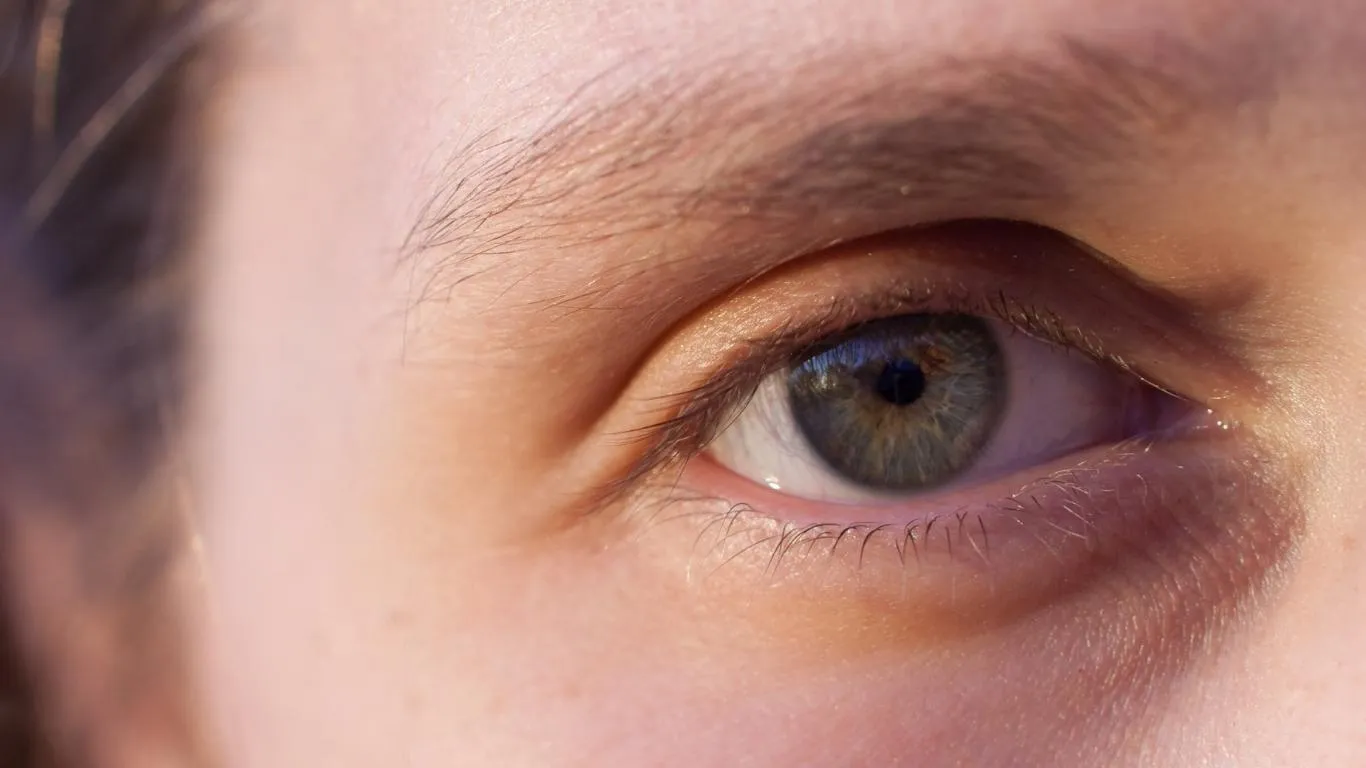
There’s a fascinating psychological angle too. The more you notice floaters, the harder they are to ignore. This is especially true after watching slow cinema, where your attention is tuned to visual subtleties. Once you become aware of floaters drifting across your vision during a film, it becomes a mental fixation—even after the movie ends.
I found myself trapped in this loop after watching a three-hour art film, and it wasn’t until I stepped outside and looked into the distance that my brain started tuning them out again. According to this guide on anxiety-induced floaters, heightened mental focus or stress can increase your perception of floaters even if their actual presence hasn’t changed.
Mindful Distraction: A Simple Coping Strategy
If you’re stuck fixating on floaters post-film, one of the simplest tricks is to shift your gaze frequently. Look at textured surfaces, patterned walls, or simply walk around in natural light. This constant visual movement helps retrain your focus away from floaters, letting your brain naturally filter them out again.
Could Frequent Floaters Signal a Hidden Eye Condition?
Most floaters are harmless and part of the normal aging process. However, if you find them consistently more noticeable not just after watching slow cinema but in daily life, it’s a good idea to consult an eye specialist. Conditions like vitreous syneresis, retinal tears, or even early diabetic retinopathy can amplify floater presence.
One red flag is the sudden onset of a “curtain” effect or a rapid increase in floaters, which could indicate a retinal issue. You can read more about the difference between harmless floaters and serious symptoms in this detailed breakdown.
Floaters and Screen Usage: Is There a Threshold?
While slow cinema is a specific trigger, the reality is any prolonged screen use—be it work, binge-watching, or gaming—can exacerbate floater visibility. The key lies in visual pacing and environmental lighting. Excessive screen time with poor blinking habits and minimal lighting shifts seems to be the perfect recipe for floaters to thrive.
- Maintain a 20-20-20 routine: Every 20 minutes, look 20 feet away for 20 seconds
- Use soft ambient lighting during movie sessions
- Practice conscious blinking during slow-paced films
These tiny adjustments can significantly reduce the post-cinema floater annoyance.
Is Slow Cinema the Culprit or Just the Messenger?

It’s easy to blame slow cinema for making floaters more visible, but the reality is it merely reveals what’s already there. The combination of minimal visual activity, high-contrast backgrounds, and viewer stillness creates an environment where floaters are practically invited to make an appearance.
This is why understanding the role of personal eye health is crucial. For some, these floaters are occasional nuisances, but for others, especially those experiencing floaters despite having perfect vision, it might point to early-stage vitreous changes or minor ocular imbalances that benefit from proactive care.
Proactive Eye Care Tips for Floater Management
- Stay hydrated to maintain vitreous fluid balance
- Incorporate omega-3 and collagen-supporting supplements
- Reduce screen glare using matte filters or anti-reflective glasses
- Ensure routine eye exams to monitor vitreous health
For those looking into holistic approaches, this article dives into natural methods of managing floaters—some work, some don’t, but it’s worth exploring.
When Should You See an Eye Specialist?
If floaters become consistently disruptive, especially if accompanied by light flashes, peripheral vision shadows, or eye discomfort, it’s time for a professional evaluation. An optometrist or ophthalmologist can determine if it’s a benign case of vitreous aging or a sign of more complex retinal issues.
While most floater episodes after slow cinema are temporary annoyances, consistent recurrence shouldn’t be dismissed. Read the complete guide on various treatment options for floaters if you’re considering medical or procedural solutions.
Floaters might be a common occurrence, but understanding how certain activities like watching slow cinema can amplify their visibility empowers you to manage them better. For a broader perspective on eye floaters, including causes and comprehensive treatment options, visit our in-depth main pillar article on eye floaters.

Camellia Wulansari is a dedicated Medical Assistant at a local clinic and a passionate health writer at Healthusias.com. With years of hands-on experience in patient care and a deep interest in preventive medicine, she bridges the gap between clinical knowledge and accessible health information. Camellia specializes in writing about digestive health, chronic conditions like GERD and hypertension, respiratory issues, and autoimmune diseases, aiming to empower readers with practical, easy-to-understand insights. When she’s not assisting patients or writing, you’ll find her enjoying quiet mornings with coffee and a medical journal in hand—or jamming to her favorite metal band, Lamb of God.