Why Floaters When Noticing Small Light Flickers Can Be Alarming
Ever had those moments when you catch tiny flickers of light out of the corner of your eye, only to realize there’s nothing there? You’re not imagining things — these could be eye floaters. I remember sitting in a bright office room, glancing at my laptop screen, and thinking there was a tiny gnat flying around. Turns out, it was one of those stubborn floaters. Let’s dive into why floaters become more noticeable when you’re seeing small light flickers and what’s really going on inside your eyes.
What Causes Floaters to Stand Out with Light Flickers?
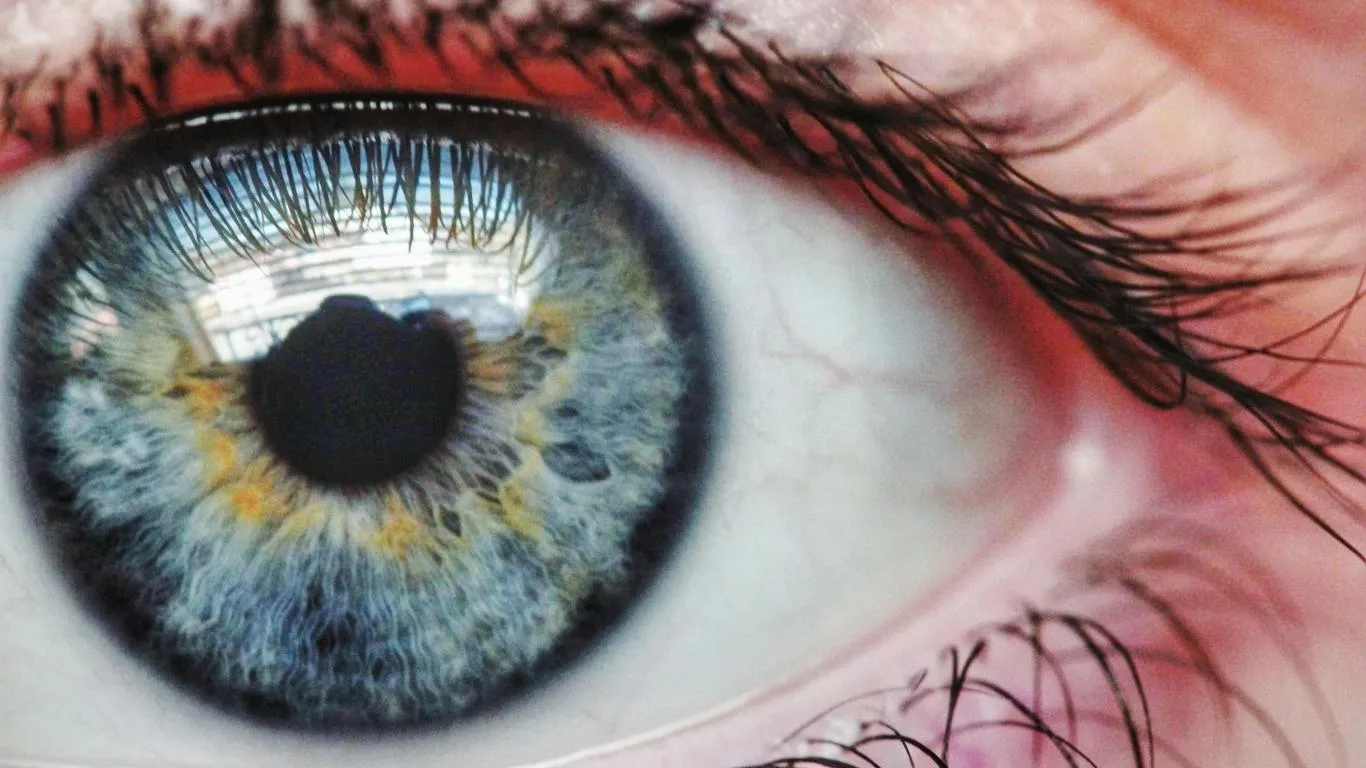
Floaters are tiny clumps of collagen or cells floating in the vitreous — the gel-like substance in our eyes. They’ve been hanging out in our eyes for years, but it’s those small flickers of light that really make them stand out. Why? It’s all about contrast and background lighting.
When light hits your retina differently — like when you’re in a bright environment with reflective surfaces or looking at a clear sky — floaters become a lot more noticeable. It’s like dust on a window; you don’t see it until sunlight hits it just right.
- Bright backgrounds like white walls or computer screens amplify floater visibility.
- Sudden light flickers can change the way shadows from floaters hit the retina.
- Eye fatigue and dryness make you more sensitive to these visual disruptions.
Why Do Floaters Flicker More in Certain Lighting Conditions?
There’s something oddly specific about floaters showing up when you move from dim to bright areas. I noticed this first after switching off the kitchen light and stepping into my sunlit living room — instant glittery specks floating around.
Eye Adaptation Plays a Huge Role
When your pupils adjust to lighting changes, the way floaters cast shadows shifts. Your eye’s vitreous isn’t a static, crystal-clear medium; it’s like a lava lamp — always in slow motion. During transitions, especially from dark to bright, floaters that were hidden suddenly get illuminated.
Not Always Harmless Flickers
Although most floaters are benign, it’s important to be alert. If those flickers are accompanied by sudden bursts of floaters, or a curtain-like shadow in your vision, you need to check whether this is a sign of a retinal tear.
Common Triggers That Make Floaters Pop Out with Flickers
There are specific scenarios where people often report floaters becoming vivid due to small light flickers. Here are a few triggers I’ve personally noticed — and patients often confirm:
- Switching from Screen to Paper: The harsh contrast shift can suddenly highlight floaters.
- Driving at Dusk: Flickering sunlight through trees can make floaters dance across your vision.
- Ceiling Fans or Flickering LED lights: Moving shadows and flickers amplify the floating specs.
If you’re finding that floaters appear more when facing these situations, you’re definitely not alone. This is a well-documented phenomenon, and researchers have noted how light dynamics influence floater perception (National Eye Institute).
How to Tell If It’s Just Floaters or Something More Serious?
Here’s where things get a little tricky. Not every light flicker is harmless. There’s a clear difference between a floater drifting into view and a photopsia (flashes of light indicating retinal issues). So how do you differentiate?
- Floaters: Tend to move with your eye movement, settle down slowly, and are more noticeable on bright backgrounds.
- Photopsia: Quick flashes of light, often seen in dark settings or with sudden eye movements, that don’t have a visible shape.
Understanding this difference is crucial. If you’re experiencing consistent flickers that don’t follow floater patterns, it’s a sign to dig deeper. Here’s a detailed guide to help you distinguish floaters from other eye problems.
Are Floaters with Light Flickers Related to Eye Health Conditions?
Most floaters are a natural part of aging, but there are conditions where their sudden increase alongside light flickers could indicate underlying issues. A few noteworthy ones include:
- Posterior Vitreous Detachment (PVD)
- Retinal Tears or Detachments
- Uveitis or eye inflammation
If you’ve recently had eye surgery like LASIK, or are prone to migraines, the chance of experiencing light flickers with floaters is significantly higher. You can read more about these scenarios here.
For a deeper understanding of common causes, visit our comprehensive guide on eye floaters causes.
What Helps Reduce Floater Visibility in Light Flicker Situations?
I’ve tried everything from eye exercises to anti-glare glasses, and while floaters don’t magically vanish, you can minimize how much they bother you, especially in flickering light conditions:
- Stay Hydrated: Dehydration thickens the vitreous gel, making floaters more prominent (American Academy of Ophthalmology).
- Use Soft, Ambient Lighting: Avoid harsh overhead lights that create strong reflections.
- Eye Drops: Lubricating drops can reduce friction and make floaters less annoying during screen time.
- Mind Your Posture: Bad posture often worsens eye strain, indirectly amplifying floater perception.
Simple lifestyle tweaks can make a significant difference. If you’re curious about more natural approaches, this article on managing eye floaters naturally is a must-read.
Should You Be Concerned About Frequent Floaters with Flickers?
While floaters with flickers are usually harmless, I always remind friends that a sudden shower of new floaters or light bursts needs immediate attention. It could signal a retinal tear, which isn’t something you want to leave unchecked. More details are available in our primary article on eye floaters causes and treatments.
When Floaters with Flickers Become a Daily Distraction
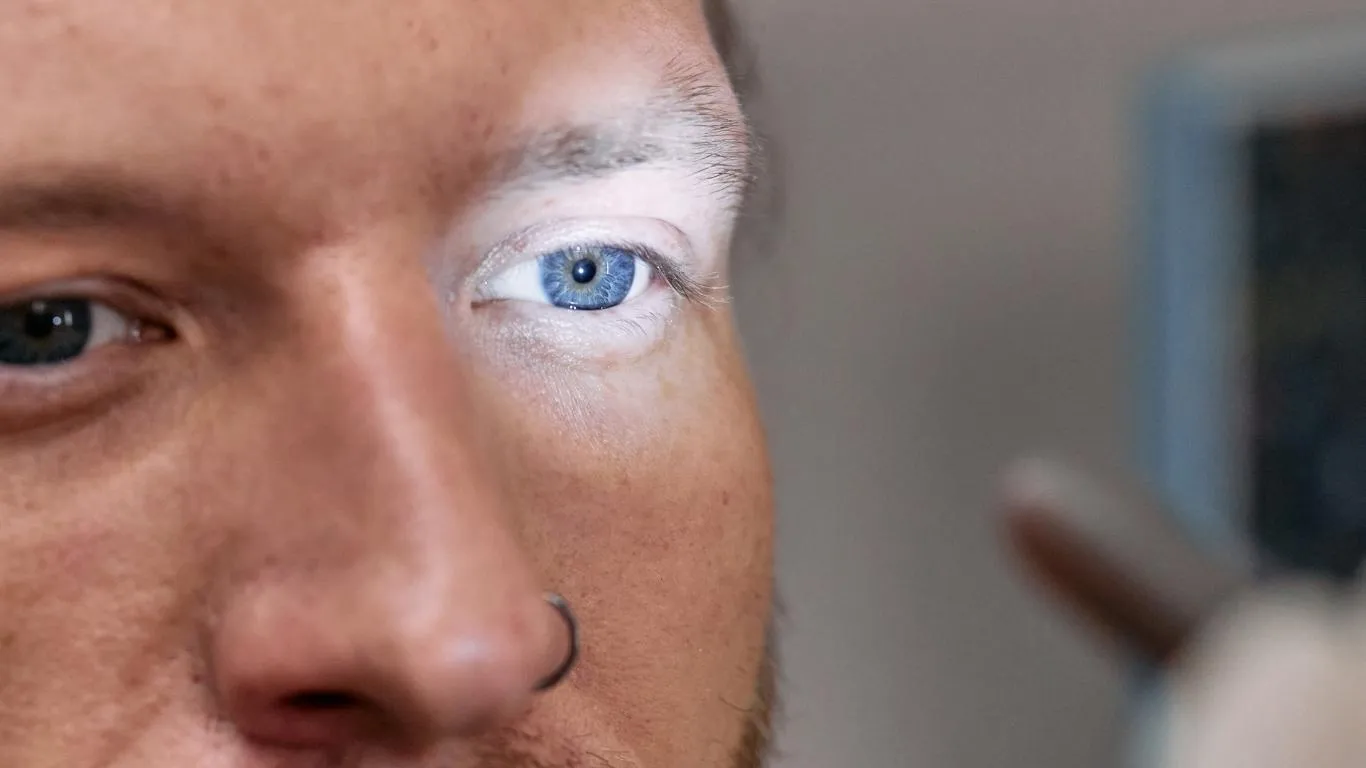
At one point, those tiny floaters and light flickers went from an occasional nuisance to a daily distraction for me. Whether I was reading a document or relaxing in my backyard, they always seemed to tag along. If you’re nodding right now, trust me, you’re not alone. Many people find that over time, especially with prolonged screen exposure, these visual interruptions become more frequent.
Interestingly, I discovered that certain habits made things worse. For instance, long sessions of staring at bright, white backgrounds (think Google Docs in dark mode’s worst enemy) intensified how visible my floaters appeared. Excessive screen time is a well-known trigger that worsens floater perception during light flicker exposure.
Are There Effective Medical Treatments for Persistent Floaters?
Here’s where things get technical. While most of us learn to live with floaters, for those whose daily life is genuinely affected, there are medical interventions available. From my personal deep dive (and a long chat with my ophthalmologist), here are the main options:
- Observation: For most cases, doctors recommend simply monitoring floaters, as they often settle below the line of sight over time.
- Laser Vitreolysis: A laser breaks down larger floaters into smaller, less noticeable fragments. It’s outpatient and non-invasive.
- Vitrectomy: A surgical procedure where the vitreous gel (and floaters) is removed and replaced with a saline solution. This is usually a last resort.
For a detailed breakdown of these treatment paths, check out our guide on eye floater treatments.
Can Lifestyle Changes Really Make a Difference?
Absolutely. While they won’t “cure” floaters, certain lifestyle shifts have drastically reduced how much they interrupt my day. Here’s what worked for me — and what many vision specialists recommend:
- Frequent Breaks: Following the 20-20-20 rule (every 20 minutes, look 20 feet away for 20 seconds) helps relax eye muscles.
- Adjust Lighting: Soft, warm lighting reduces contrast that often highlights floaters against flickering light.
- Proper Screen Ergonomics: Ensure your screen isn’t too bright and is positioned at eye level to reduce eye strain.
On days when my floaters seemed particularly annoying, switching to a matte screen protector and reducing blue light exposure helped minimize the visual clutter. For more on these practical strategies, you might want to read about the best lighting setups for eye floaters.
Natural Remedies – Fact or Fiction?
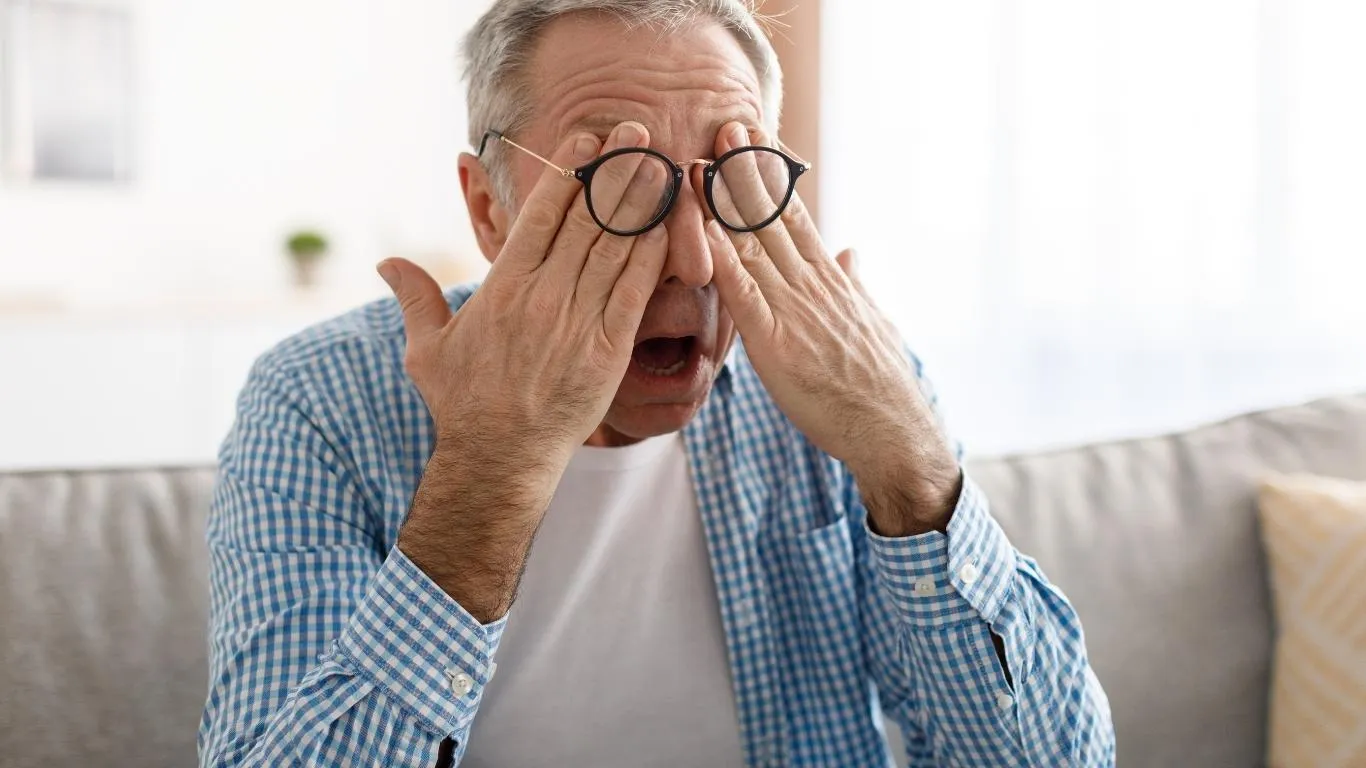
I’ll be honest — I was skeptical about natural remedies for floaters. But after trying a few, I noticed subtle improvements. No, they didn’t vanish, but they became less intrusive. Here’s what’s often discussed in the eye care community:
- Antioxidant-Rich Diet: Foods high in lutein and zeaxanthin are believed to support overall eye health.
- Hydration: Keeping the vitreous gel in top condition starts with staying well-hydrated.
- Eye Exercises: Gentle eye rolls and focus-shift exercises help reduce eye strain which can indirectly lessen floater distraction.
If you’re curious whether natural approaches hold any weight, I’d suggest reading this breakdown of natural floater management myths and facts.
When to Seek Professional Help Immediately?
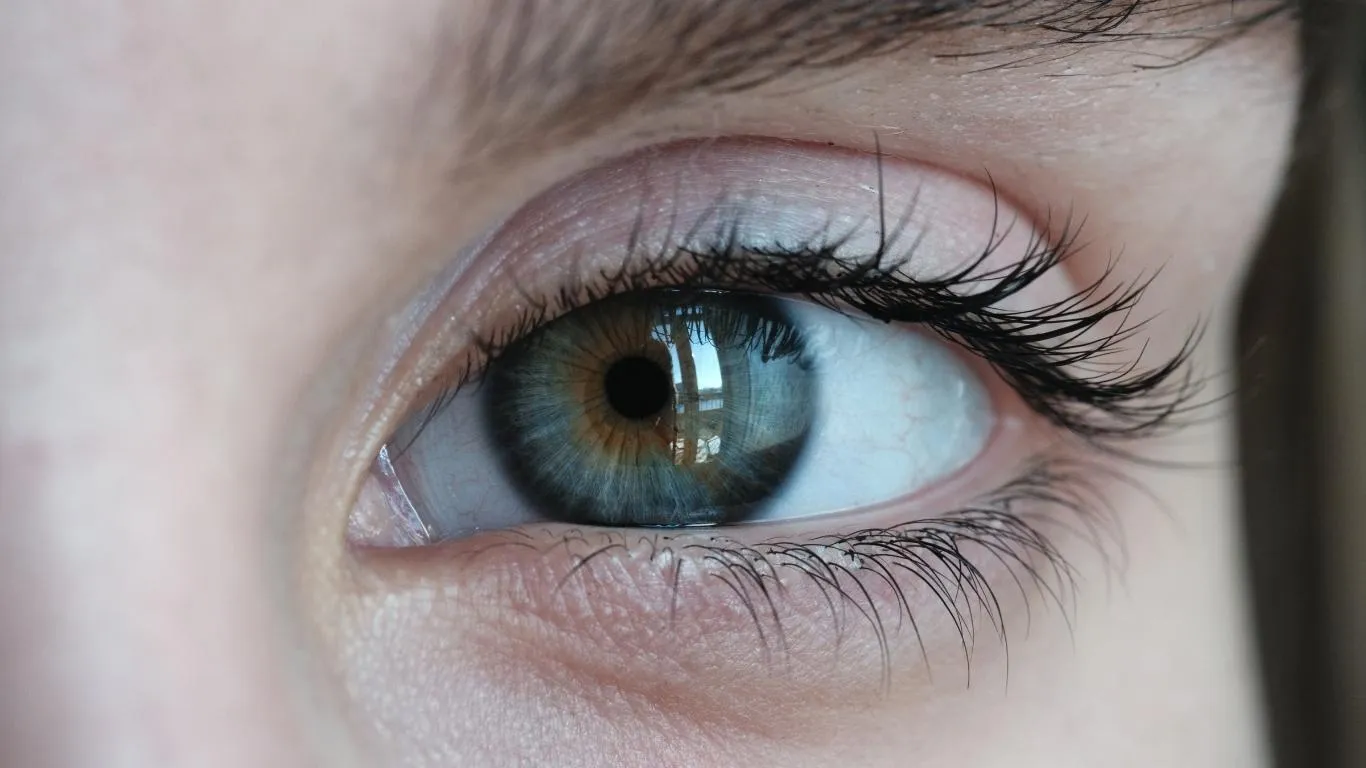
It’s easy to dismiss floaters as annoying but harmless. But when those floaters come with a sudden shower of light flickers or feel like a curtain is falling across your vision, it’s a red flag. This could indicate a retinal tear or detachment, and time is critical.
Some of the urgent warning signs include:
- A sudden burst of new floaters appearing in large clusters.
- Persistent flashes of light, especially in dim lighting.
- A shadow or curtain obscuring part of your vision field.
If you notice these symptoms, don’t wait. Immediate evaluation by an eye specialist is crucial. Learn more about when floaters signal serious conditions.
Living with Floaters and Flickers – Managing Expectations
At the end of the day, living with floaters when noticing small light flickers is about managing expectations and making smart adjustments. From tweaking your environment to staying proactive about eye health, there’s a lot within your control.
I’ve learned that awareness is key. The more you understand how light, screen time, and even posture can influence your floater experience, the easier it is to adapt. For a comprehensive guide on what to expect and how to navigate floaters, explore our full article on eye floaters causes and treatments.

Camellia Wulansari is a dedicated Medical Assistant at a local clinic and a passionate health writer at Healthusias.com. With years of hands-on experience in patient care and a deep interest in preventive medicine, she bridges the gap between clinical knowledge and accessible health information. Camellia specializes in writing about digestive health, chronic conditions like GERD and hypertension, respiratory issues, and autoimmune diseases, aiming to empower readers with practical, easy-to-understand insights. When she’s not assisting patients or writing, you’ll find her enjoying quiet mornings with coffee and a medical journal in hand—or jamming to her favorite metal band, Lamb of God.