Why Floaters Get Worse While Watching Snowfall Through Windows
Have you ever been mesmerized by falling snow through the window, only to notice something unexpected floating across your vision? Tiny specks, transparent squiggles, or drifting threads? Yeah, same here. The first time I spotted floaters while watching snowfall, I thought it was just snowflakes catching the light weirdly. But the more I blinked and moved my eyes, the more I realized — they were inside my eyes, not outside. It turns out, this is more common than you’d think, especially when your surroundings are softly lit and contrast is high — like a snowy landscape outside a bright window.
Why Snowfall Makes Eye Floaters More Noticeable
Staring at snowfall can feel almost meditative, but it also creates the perfect backdrop for noticing floaters. Here’s why:
- High contrast: Snow acts like a massive white reflector, especially when it blankets the world outside your window. This makes the translucent shadows of floaters stand out more sharply.
- Soft lighting: Snowy scenes usually have diffused lighting. That might sound soothing, but it’s also the exact kind of environment that reveals even subtle imperfections in your field of vision.
- Stillness and focus: When you’re calm, not blinking much, and just gazing—like we all do during snowfall—you’re more likely to notice those tiny floaters drifting around.
One snowy afternoon, I remember thinking a tiny gnat had flown into the room, only to realize that little squiggle didn’t go away when I waved it off. Classic floater moment. If this sounds familiar, you’re definitely not alone.
So What Exactly Are These Floaters?
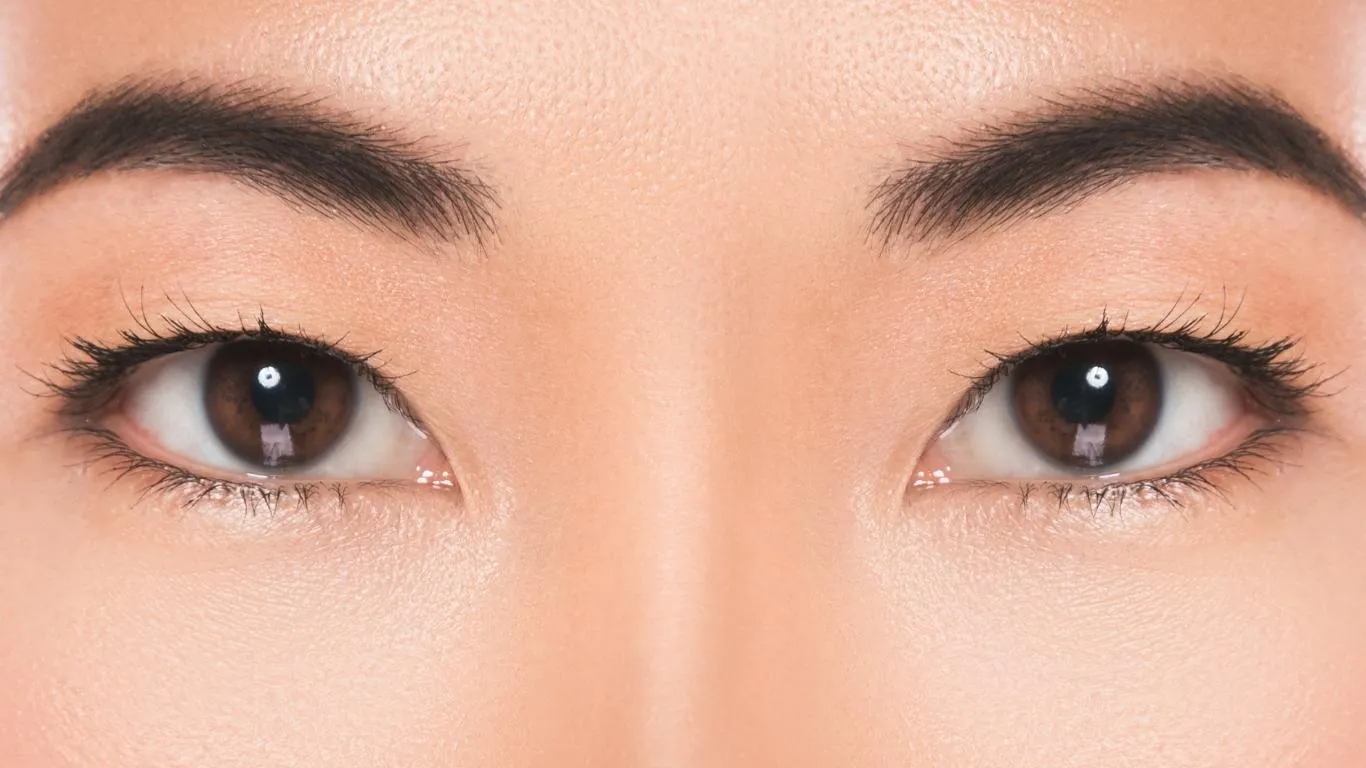
Floaters are tiny clumps of collagen or cellular debris floating in the vitreous — the gel-like substance inside your eye. As light passes through your eye and hits the retina, these particles cast shadows, which is what you end up seeing.
Common Descriptions of Floaters
- Thread-like strands or cobwebs
- Transparent bubbles
- Black or grey spots
- Shapes that drift when you move your eyes
They’re harmless most of the time, but in certain situations, they can point to deeper issues. And yes — snowfall just happens to be an environment that highlights them more than usual.
Are Snowfall Floaters a Sign of Something Worse?
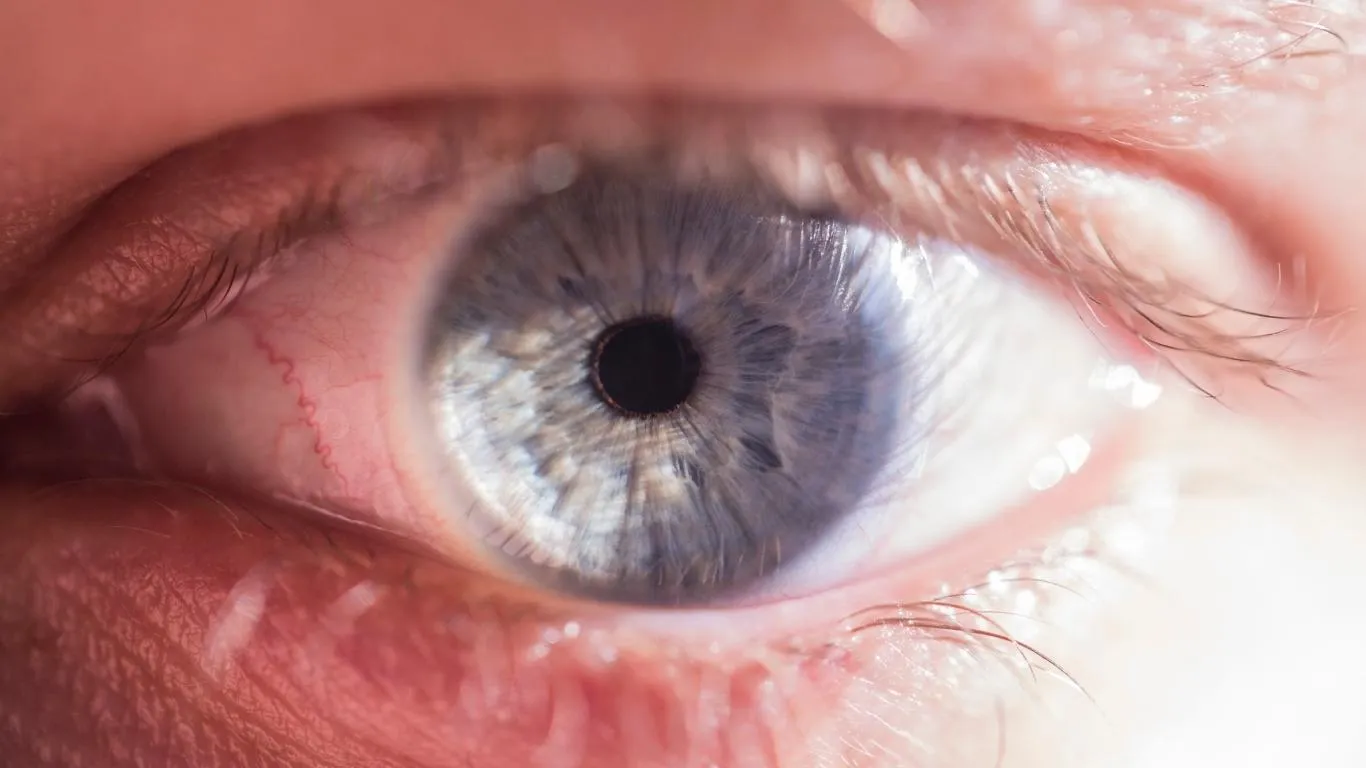
Here’s where things get a little tricky. While noticing floaters when watching snowfall is often normal, a sudden increase or appearance of new floaters (especially with flashes of light) could signal a retinal issue. I once had a friend who brushed off “snowy-day floaters” until it got progressively worse — turned out to be the start of a retinal tear. So, while it’s usually benign, it’s not something to ignore if it feels “off.”
When to Call Your Eye Doctor
- Sudden burst of floaters — not just one or two
- Flashes of light or “curtains” across your vision
- Vision getting blurry or blocked
According to American Academy of Ophthalmology, any new visual disturbance deserves at least a mention to your eye care professional. They have the tools to quickly figure out if it’s something that needs attention or just your usual “vitreous aging drama.”
Conditions That Could Be Triggered or Worsened in Snowy Settings
There are a few specific conditions that make floaters more prominent while watching snowfall:
- Vitreous Syneresis: A breakdown of the gel inside the eye that causes floaters to appear. It’s pretty common with age — you can learn more in this helpful article on vitreous syneresis.
- Posterior Vitreous Detachment (PVD): When the vitreous pulls away from the retina. Often benign but can lead to complications. For deeper insight, this PVD guide is worth the read.
- Myopia (Nearsightedness): If you’re nearsighted, chances are you started seeing floaters earlier than your peers. Snowfall might just be making them more obvious.
If you’re dealing with any of these, snowy days can go from peaceful to annoying real quick. But it also doesn’t mean panic — just awareness.
How to Tell If It’s a Floater… or Something Else
Ever mistaken a floater for something on the window or a bug in the room? That’s because they kind of mimic external movement — until you realize they move with your eye. That’s the real clue. True floaters follow your gaze, then lag behind a bit like a jellyfish tail. They’re also more visible in bright scenes with uniform backgrounds — like snow outside a window.
If you’re unsure whether it’s a floater or a migraine aura, this comparison breakdown might help.
Quick Floaters Self-Check
- Do they float or dart around when you move your eyes?
- Do they disappear in low light but return in brightness?
- Do they stay in the same spot for hours or days?
If you said yes to any of these, congrats — you’re part of the floater club.
What You Can Actually Do About Snow-Visible Floaters
Honestly, most floaters don’t need medical treatment. But there are natural ways to manage them or at least reduce how annoying they feel. Some suggestions from both research and community experience include:
- Practicing eye exercises to keep your vitreous fluid moving
- Increasing hydration and maintaining a diet rich in antioxidants
- Wearing appropriate eyewear to reduce glare in bright environments
Want a full list of treatments (from natural remedies to medical procedures)? Check out the comprehensive guide to eye floater treatments.
For everything you might want to know about eye floaters — causes, symptoms, and solutions — bookmark the main eye floaters pillar page. You can also dive deeper into the most common causes if you’re curious about why these shadows pop up in the first place.
When Floaters Ruin the Snowfall Vibe: Real Talk
Look, snowfall is supposed to be peaceful. It’s one of those rare, quiet moments where everything slows down. But when your eyes start throwing shadows around like uninvited guests, it kills the mood. I’ve had days where I was sitting by the window, hot drink in hand, and bam — here come those drifting specks making it look like the snow’s inside my eyeballs. Not exactly the cozy aesthetic I was going for.
This is when floaters become more than just visual distractions — they become mental ones. And no, you’re not being dramatic. Constant floaters can chip away at your focus, mood, and even your sleep. Studies have shown the link between persistent floaters and increased anxiety levels (see how floaters affect mental health). You start anticipating them, bracing for the moment they appear. And during something like snowfall — which is supposed to be serene — that anticipation feels especially unfair.
Snow + Floaters = Mental Overstimulation?
Yep, weirdly enough. A bright, snow-covered landscape might feel minimal, but visually it’s intense. The eye is constantly adjusting to the light and contrast, and if you’ve got floaters already hanging around, your brain starts over-processing everything. This can lead to:
- Eye fatigue
- Mild disorientation
- Even headaches
Throw in the occasional dizziness or light sensitivity, and you’ve got the perfect storm — all while just trying to enjoy some falling snow.
But Are Floaters Actually Worse in Winter?
That’s a fair question. Anecdotally? Yes. Medically? Kind of. Winter introduces several factors that make floaters more visible or annoying:
- Dry indoor air: Heated homes and offices dry out your eyes, reducing tear film and contrast tolerance.
- Increased screen time: Less outdoor activity means more time staring at phones and laptops, which already enhances floater visibility — especially against white screens.
- Reduced blinking: When we stare — whether at snow or screens — we blink less. This makes floaters appear sharper because our eyes stay fixed.
I noticed mine getting worse after switching between staring out the window and then back to my laptop screen. That contrast — pure white snow to a bright LED screen — is floater chaos fuel.
If that sounds familiar, consider checking out this guide on how screen time worsens floaters. Also, if you use heaters or have poor indoor humidity, this article on floaters and dry indoor air will hit home.
Simple Winter Habits That Actually Help
Okay, so floaters aren’t going away overnight — unless you’re considering surgical options (more on that below). But that doesn’t mean you’re helpless. Over the last couple winters, I’ve built a little “floater management kit” that seriously helps:
- Use a humidifier — game changer. Keeps your eyes moist and cuts down on that gritty, overstimulated feeling.
- Break the stare cycle — look away every 20 minutes when watching snowfall or using screens. It interrupts that over-focus loop that makes floaters stand out.
- Try subtle movement — shift your head slightly while watching snow. Sometimes floaters reposition just enough to fade into the periphery.
- Hydrate — seriously. If you’re dry-eyed in winter, you’re probably dehydrated in general. More water helps your vitreous stay healthy.
Some of these tips are also echoed in our resource on post-infection floater relief. Even if your floaters aren’t infection-related, many of the same principles apply.
When Is It Time to Consider Treatment?
For most of us, floaters are more annoying than harmful. But if they’re starting to impact your daily life — like making you avoid snowy windows, for example — it might be time to explore treatment options.
Available Treatment Paths
- Observation: Just keep an eye (pun intended) on them. If they’re stable and not worsening, no action may be needed.
- Vitreolysis: A laser breaks up large floaters so they’re less noticeable. Usually for serious cases only.
- Vitrectomy: Surgical removal of the vitreous. Effective but not without risk. Usually last resort.
It’s a personal call. For me, I’ve stuck to natural remedies and environmental adjustments. But it’s good to know there are options out there — especially if those snowy-day floaters start showing up every single morning.
Keep an Eye on This: What Else Might Be Happening?
If your floaters aren’t playing by the rules — like they change shape, suddenly increase in number, or feel “off” in some way — it could be linked to other conditions. Head trauma, smoking, diabetes, or even autoimmune issues can contribute.
This is where understanding the root causes really matters — and the best breakdown I’ve come across is in this article on common floater causes. It covers everything from injuries to lifestyle triggers.
Also, if you want a solid overview of eye floaters, what they are, and how they work — definitely read the full main floater guide here.
Just Because It’s Snowing Doesn’t Mean You Have to Suffer
Snowfall is magical. It deserves your full attention — not the constant annoyance of floaters darting around like visual noise. And while we can’t always erase them, we can manage how much they steal from the moment. Awareness, tiny adjustments, and regular check-ins with your eye health can go a long way. Floaters don’t have to be your main character every winter.
So next time you’re watching snow fall softly outside your window, maybe — just maybe — those floaters can drift quietly into the background where they belong.

Camellia Wulansari is a dedicated Medical Assistant at a local clinic and a passionate health writer at Healthusias.com. With years of hands-on experience in patient care and a deep interest in preventive medicine, she bridges the gap between clinical knowledge and accessible health information. Camellia specializes in writing about digestive health, chronic conditions like GERD and hypertension, respiratory issues, and autoimmune diseases, aiming to empower readers with practical, easy-to-understand insights. When she’s not assisting patients or writing, you’ll find her enjoying quiet mornings with coffee and a medical journal in hand—or jamming to her favorite metal band, Lamb of God.