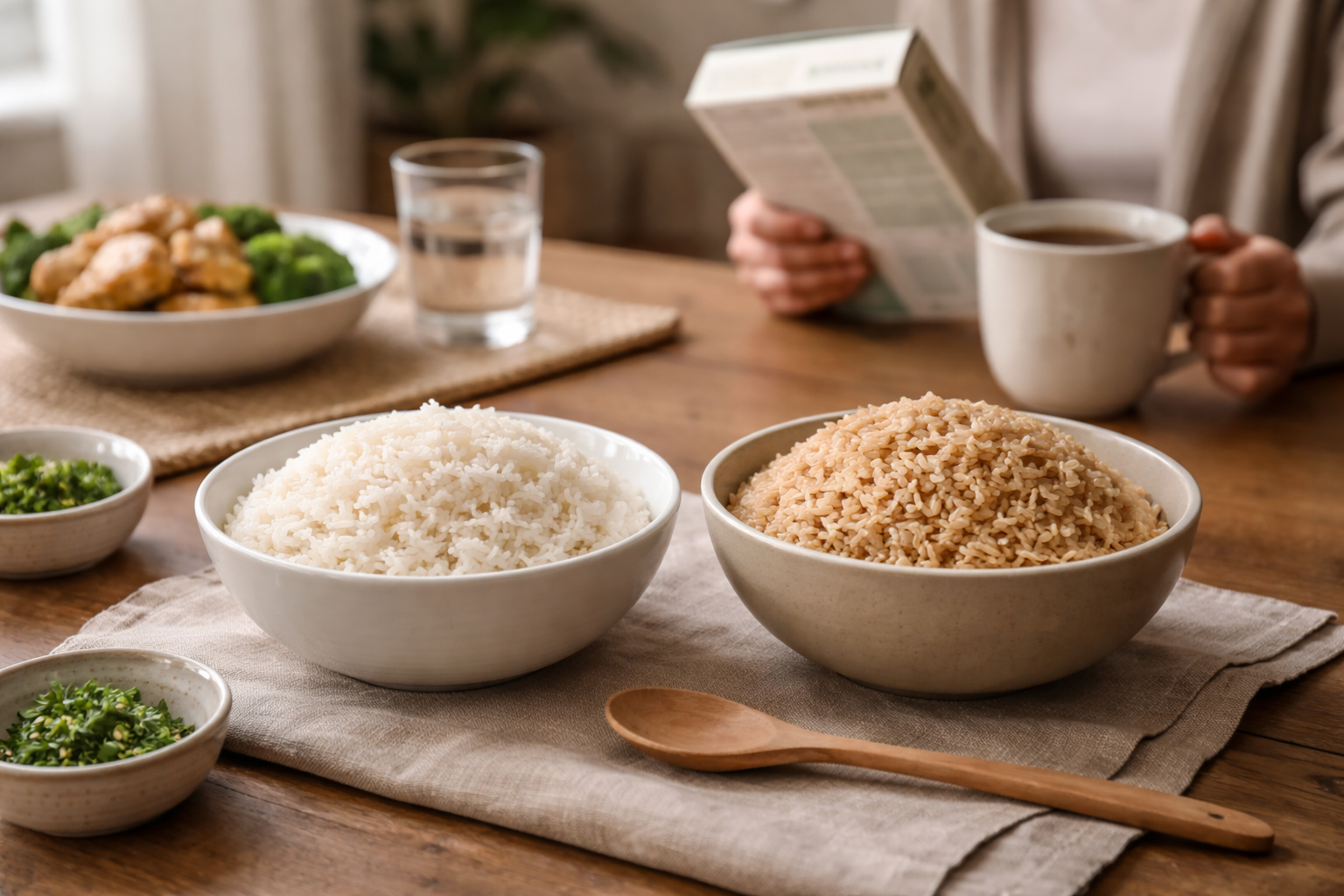
Rice and Kidney Disease: White or Brown, Which Is Better?
Many people first start thinking about their diet after hearing the words “kidney disease” or “renal diet.” Suddenly, everyday foods like bread, pasta, and especially rice come into question. For those who rely on rice as a daily staple, one common concern is simple but important: is white rice or brown rice better when it comes to kidney health?
Understanding how rice fits into a kidney-friendly way of eating can help reduce confusion and make daily choices feel more manageable. While rice may seem like a basic food, the type you choose can have different effects depending on how your kidneys are functioning.
Understanding Rice and Kidney Disease
Rice is one of the most widely consumed grains in the world. It’s affordable, easy to prepare, and pairs well with many foods. In general, rice provides carbohydrates, which the body uses for energy. But when someone is living with kidney disease, nutrition becomes more nuanced.
The kidneys help filter waste and maintain balance in minerals like potassium and phosphorus. When kidney function is reduced, these minerals can build up in the body. That’s why certain foods—including some whole grains—may need to be approached differently.
Both white and brown rice come from the same grain, but they are processed differently. This processing affects their nutrient content, which can matter in a kidney-conscious diet.
White Rice vs Brown Rice: What’s the Difference?
White Rice
White rice has had its outer layers (bran and germ) removed. This gives it a softer texture and longer shelf life. It’s lower in certain nutrients but also lower in minerals like potassium and phosphorus.
- Lower in potassium
- Lower in phosphorus
- Easier to digest for some people
- Shorter cooking time
Brown Rice
Brown rice is a whole grain, meaning it retains its bran and germ. This makes it richer in fiber, vitamins, and minerals—but also higher in potassium and phosphorus.
- Higher in fiber
- Higher in potassium
- Higher in phosphorus
- More nutrients overall
For people without kidney concerns, brown rice is often considered the healthier option. But kidney disease changes how these nutrients are handled by the body.
Ad
A Simpler Way to Make Sense of Kidney-Friendly Eating
Trying to balance foods like grains, protein, and minerals can feel overwhelming. Some people find it easier to follow a structured guide that organizes these choices clearly.
Explore how this approach breaks things down step by step
Why Mineral Content Matters for Kidney Health
When kidneys are not working at full capacity, the body may struggle to regulate certain minerals. Two of the most important ones to watch are potassium and phosphorus.
Potassium
Potassium helps with muscle and nerve function. However, too much potassium in the blood can lead to serious complications, especially in advanced kidney disease.
Brown rice contains more potassium than white rice, which may make white rice a more suitable option in some situations.
Phosphorus
Phosphorus plays a role in bone health, but excess levels can weaken bones and affect blood vessels when kidneys can’t remove it efficiently.
Whole grains like brown rice naturally contain more phosphorus. This is one reason why white rice is often included more frequently in kidney-conscious meal plans.
How People with Kidney Disease Typically Approach Rice
People managing kidney disease often learn that food choices aren’t just about “healthy” versus “unhealthy.” Instead, it becomes about balance, portion size, and how the body processes certain nutrients.
In many cases, white rice is preferred because it is lower in potassium and phosphorus. This can make it easier to fit into a diet that aims to reduce strain on the kidneys.
That said, this doesn’t mean brown rice is completely off-limits for everyone. Some people in earlier stages of kidney disease may still include small portions of whole grains, depending on their overall dietary pattern.
For a broader look at how grains fit into kidney health, you can explore whole grains and kidney disease.
What People Often Notice When Changing Rice Types
Switching from brown rice to white rice—or vice versa—can feel like a step backward or forward depending on what someone has heard about nutrition.
Some common experiences include:
- Feeling unsure about choosing a less “whole” option
- Noticing differences in digestion or fullness
- Adjusting portion sizes to maintain energy levels
- Trying to balance rice with other kidney-friendly foods
This shift can also lead people to pay more attention to overall eating patterns, not just one ingredient.
How Rice Fits into a Kidney-Friendly Diet
Rice is rarely eaten on its own. It’s usually part of a larger meal that includes protein, vegetables, and sometimes sauces or seasonings. That means its impact depends on the full context of the diet.
A kidney-conscious approach often looks at:
- Total daily potassium and phosphorus intake
- Portion sizes of grains
- Balance with lower-mineral foods
- Cooking methods and added ingredients
If you’re exploring what foods tend to be included or limited, the renal diet food list can give a broader perspective.
Common Misunderstandings About Rice and Kidney Disease
“Brown rice is always healthier”
While brown rice has more fiber and nutrients, those same nutrients can be harder for compromised kidneys to handle. In this context, “healthier” depends on the body’s needs.
“White rice has no nutritional value”
White rice still provides energy and can be part of a balanced diet. In kidney disease, its lower mineral content may actually make it more practical in certain situations.
“You must completely avoid one type”
Dietary patterns are rarely that rigid. Many people adjust based on their stage of kidney function and overall health goals.
When People Start Looking for More Structured Guidance
At some point, many individuals realize that managing kidney health involves more than just swapping one food for another. It often becomes about understanding patterns—how different foods interact, and how daily habits add up over time.
This is where broader resources, like a kidney-friendly diet basics guide, can help connect the dots between individual food choices and overall dietary balance.
Some people also look into more structured approaches that organize meals, portions, and food combinations in a clear way. This can make everyday decisions feel less overwhelming.
Frequently Asked Questions
Is white rice safe for people with kidney disease?
White rice is commonly included in kidney-conscious diets because it is lower in potassium and phosphorus compared to brown rice. However, individual needs can vary depending on kidney function and overall diet.
Can you eat brown rice if you have early-stage kidney disease?
In earlier stages, some people may still include small portions of brown rice. This often depends on how well the kidneys are managing mineral levels and overall dietary balance.
Does rinsing rice reduce potassium or phosphorus?
Rinsing rice mainly removes surface starch and debris. It does not significantly reduce the mineral content inside the grain.
How often can rice be eaten on a renal diet?
This varies widely. Rice can be part of regular meals, but portion size and overall dietary balance are key factors.
Are there alternatives to rice for kidney-friendly meals?
Yes, some people explore other grains or low-mineral options. Looking at a broader renal diet food list can provide ideas for variety.
Bringing It All Together
When it comes to rice and kidney disease, the choice between white and brown rice isn’t about one being universally better than the other. It’s about how each type fits into the body’s current needs.
White rice is often preferred in kidney-conscious diets because it is lower in potassium and phosphorus. Brown rice, while nutrient-rich, may be more suitable in limited amounts depending on individual circumstances.
Understanding these differences can help make everyday food choices feel more informed and less stressful. And for those looking to connect these decisions into a bigger picture, some people explore structured kidney health guides to better understand how all the pieces fit together over time.

Robin Abbott is a wellness and lifestyle writer at Healthusias, focusing on everyday health awareness, habits, and life optimization through clear, non-medical explanations.